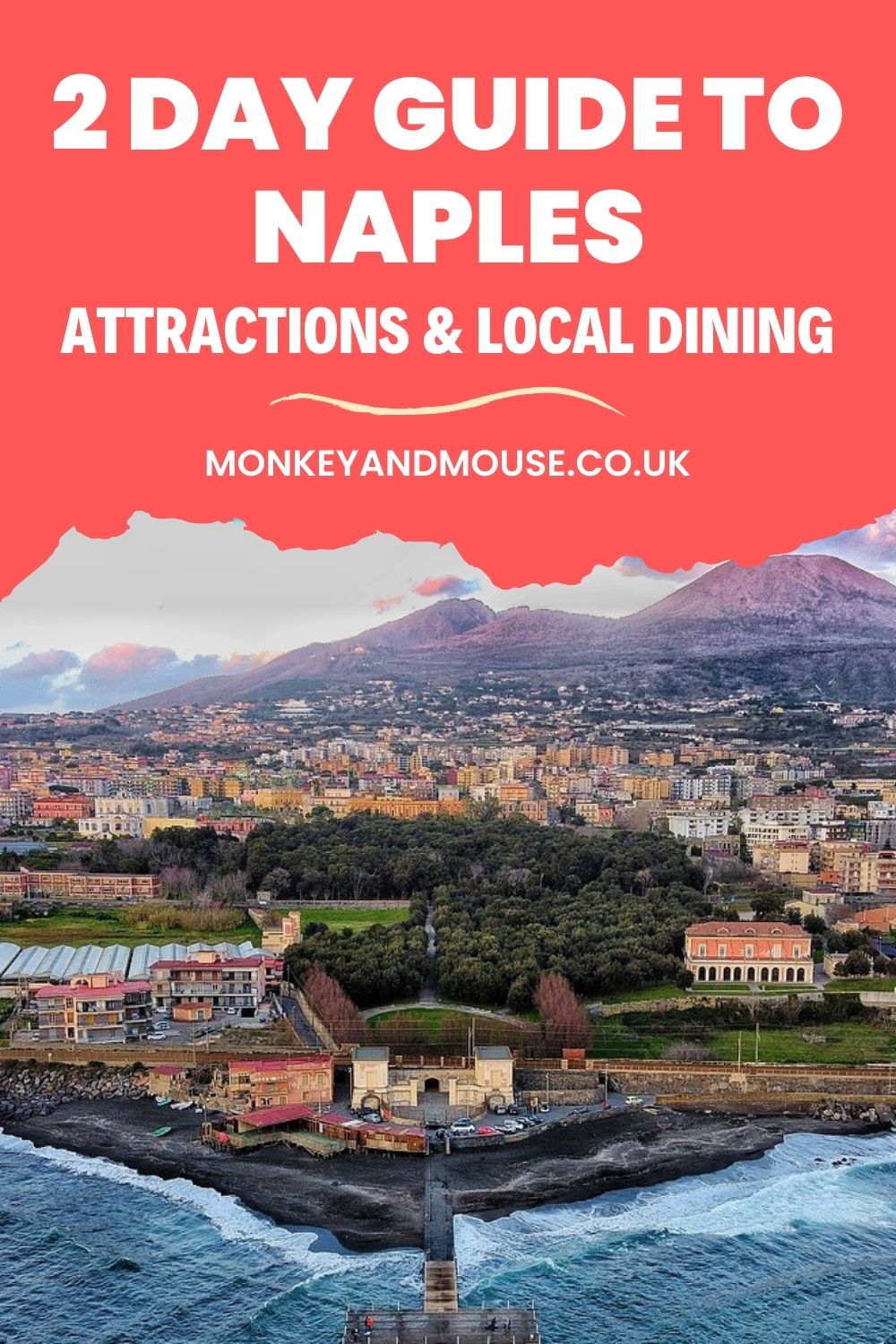
Naples, a vibrant city located on Italy’s southwestern coast, is a treasure trove of historical and artistic wonders. Known for its rich history, dynamic culture, and stunning landscapes, Naples captivates visitors with its unique charm. Check out this guide to Naples to find out more.
Naples, a vibrant city located on Italy’s southwestern coast, is a treasure trove of historical and artistic wonders. Known for its rich history, dynamic culture, and stunning landscapes, Naples captivates visitors with its unique charm.
The city boasts a plethora of historic sites, artistic treasures, and architectural marvels, making it a favoured destination for tourists from around the world. From the bustling streets lined with ancient buildings to the breathtaking views of the Bay of Naples and Mount Vesuvius, Naples offers an unforgettable experience.
This two-day travel guide is designed to help tourists explore the most important attractions of Naples. Whilst enjoying the best local dining experiences. Whether you are interested in ancient history, culinary delights, or simply soaking in the vibrant atmosphere, this guide will ensure you make the most of your visit to Naples.
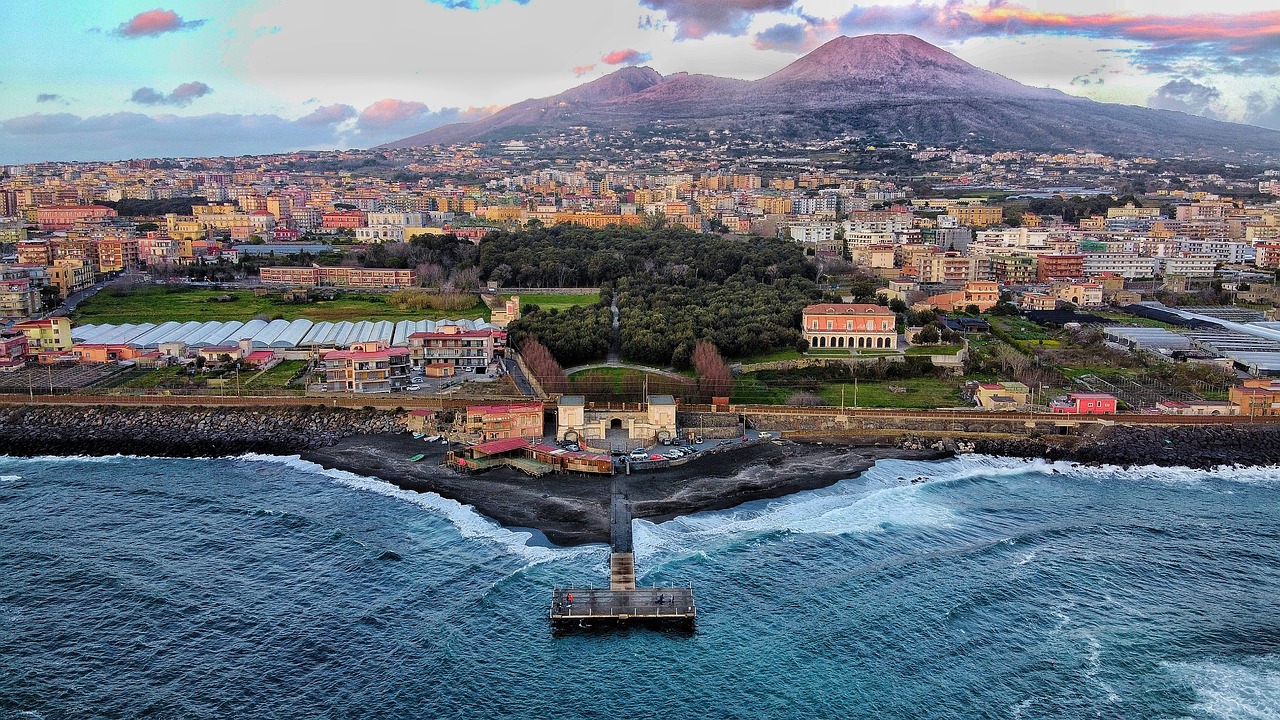
Table of Contents
Monuments and Historical Sites to visit in Naples
Naples is a city steeped in history and culture. Offering an array of monumental sites that reflect its rich past and artistic heritage. One of the most significant institutions in the city is the Museo Archeologico Nazionale di Napoli. This museum is renowned as one of the world’s most important archaeological museums. Housing an extensive collection of Roman, Pompeian, and Greek artefacts. Visitors can marvel at the remarkable sculptures, mosaics, and frescoes that provide a profound insight into the ancient civilizations that once thrived in the region. The museum’s vast collection, including the famous Farnese Collection, makes it an essential stop for anyone interested in history and archaeology.
Pompeii and Herculaneum – Guide to Naples
Just a short distance from Naples are the fascinating archaeological sites of Pompeii and Herculaneum. These ancient Roman cities were tragically buried by the eruption of Mount Vesuvius in 79 AD. Thus preserving a snapshot of Roman life frozen in time. Exploring the ruins of Pompeii and Herculaneum offers a compelling glimpse into the daily lives, homes, and public spaces of their inhabitants. From the intricately decorated villas and bathhouses to the haunting plaster casts of victims. These sites provide an unforgettable journey back to antiquity.
Castel dell’Ovo
Overlooking the Gulf of Naples is the historic Castel dell’Ovo, the oldest castle in the city. Located on the small island of Megaride, the castle offers spectacular views of the bay and the cityscape. The castle’s name, which translates to “Castle of the Egg,” is rooted in legend. The legend says that the Roman poet Virgil placed a magical egg in the foundation to support the fortifications. Today, visitors can explore its ancient halls, terraces, and enjoy the stunning vistas of the surrounding area.
Spaccanapoli
Spaccanapoli is one of Naples’ most famous streets, literally translating to “Naples splitter”. Which it does as it cuts through the heart of the historic centre. This narrow, bustling street is lined with historic churches, palaces, and traditional shops. Providing a vibrant atmosphere that is quintessentially Neapolitan. Walking along Spaccanapoli, visitors can immerse themselves in the local culture, admire the architectural beauty, and enjoy the lively street life that defines this part of the city.
Naples Cathedral – Guide to Naples
The Duomo di Napoli, or Naples Cathedral, is another must-visit site. This Gothic cathedral is dedicated to Saint Januarius, the city’s patron saint. It is renowned for the Chapel of the Treasure of San Gennaro. Here, the faithful gather to witness the “miracle of the blood” of San Gennaro, where his dried blood is said to liquefy twice a year. The cathedral’s stunning architecture, intricate frescoes, and religious significance make it a central part of Naples’ spiritual and cultural identity.
The Theatre
For lovers of the performing arts, the Teatro San Carlo is a true gem. As the oldest continuously active opera house in Europe, this grand theater offers guided tours and world-class performances. Opened in 1737, the Teatro San Carlo boasts a richly decorated interior and a storied history. The theatre having hosted some of the greatest composers and performers in the world. A visit to this illustrious venue provides a taste of Naples’ enduring cultural legacy.
Art Galleries – Guide to Naples
Lastly, the Museo e Real Bosco di Capodimonte is an important art gallery housed in a former royal palace. Located atop a hill, the museum features an extensive collection of masterpieces, including works by Caravaggio, Raphael, and Titian. The surrounding park, known as the Real Bosco, offers a peaceful retreat with lush greenery and beautiful views. This combination of art and nature makes Capodimonte a perfect destination for a leisurely day of exploration.
These monuments and sites encapsulate the essence of Naples’ historical, artistic, and cultural richness. From ancient ruins and medieval castles to grand cathedrals and operatic splendour, the city offers a diverse array of experiences that reflect its storied past and vibrant present.
What to Eat in Naples – Guide to Naples
Naples is renowned for its extraordinary culinary tradition. Offering a rich and diverse array of dishes that reflect the city’s vibrant culture and history. When visiting Naples, indulging in the local cuisine is an essential part of the experience. Here are some of the must-try dishes that display the best of Neapolitan gastronomy:
Savoury Foods
- Pizza Margherita. The most iconic dish associated with Naples is undoubtedly the Pizza Margherita. Invented in the city in 1889. This classic pizza is a simple combination of fresh tomatoes, mozzarella cheese, basil, and a drizzle of extra virgin olive oil. The thin, crispy crust and the harmonious blend of flavors make Pizza Margherita a quintessential Neapolitan delight that should not be missed.
- Buffalo Mozzarella. Buffalo mozzarella is a creamy, flavourful cheese made from the milk of water buffalo. It is often enjoyed fresh, accompanied by ripe tomatoes, basil, and a drizzle of olive oil in a traditional Caprese salad. The rich, milky taste and smooth texture of Mozzarella di Bufala are unparalleled, making it a staple of Neapolitan cuisine.
- Casatiello is a savoury bread typically prepared during Easter. This rich, dense bread is filled with cured meats, cheese, and sometimes hard-boiled eggs, symbolizing the abundance of the festive season. The flavourful and hearty nature of Casatiello makes it a beloved part of Neapolitan culinary traditions.
- Pasta omelette. A clever and tasty way to use leftover pasta, the pasta omelette is a beloved street food in Naples. Made by mixing cooked pasta with eggs, cheese, and various ingredients like ham or vegetables, and then frying it until golden and crispy, this dish is a perfect example of the Neapolitan knack for turning simple ingredients into a delightful meal.
- Pasta and potatoes with provola. Pasta and potatoes with provola is a comforting and hearty dish that combines pasta, potatoes, and provola cheese. This rustic meal is cooked to a creamy consistency, with the cheese melting into the pasta and potatoes to create a rich, satisfying flavor. It’s a quintessential example of Neapolitan comfort food, perfect for any time of year.
Traditional Desserts
- A traditional dessert enjoyed especially during Easter. Pastiera is a sweet ricotta and wheat pie flavoured with orange blossom water and citrus zest. This rich and aromatic cake symbolizes the arrival of spring and is beloved for its unique texture and fragrant taste. Each family in Naples has its own version of Pastiera, making it a deeply personal and cultural treat.
- Babà. Another beloved Neapolitan dessert is the Babà. It’s a small yeast cake soaked in rum syrup and often topped with whipped cream or fruit. Originating from Eastern Europe and brought to Naples by French chefs. The Babà has become a symbol of Neapolitan pastry art. Its soft, spongy texture and sweet, boozy flavor make it a favourite among locals and visitors alike.
The culinary landscape of Naples is as diverse and flavourful as the city itself. Each of these dishes tells a story of tradition, innovation, and the Neapolitan passion for good food.
How to Get to Naples – Guide to Naples
Naples is easily accessible from all over Italy, making it a convenient destination for travelers. Whether you prefer to travel by train, plane, car, or bus, there are numerous options available to suit your needs.
- By Train. Traveling by train is one of the most popular and efficient ways to reach Naples. Italo quickly connects the city of Naples with major Italian cities like Milan, with trains from Milan to Naples (https://www.italotreno.com/en/destinations-timetable/milan-naples-tickets) and from Naples to Milan that reach their destination in approximately 5 hours. These high-speed trains offer a comfortable and fast journey, allowing you to enjoy the scenic Italian countryside along the way.
- By Plane. Naples International Airport (Aeroporto di Napoli-Capodichino) is the main airport serving the city, with numerous domestic and international flights arriving daily. The airport is conveniently located just 7 kilometres from the city centre. From the airport, you can reach the city centre by bus, taxi, or shuttle service. Several low-cost airlines operate flights to Naples, making it an affordable option for travelers from various parts of Europe.
- By Car. For those who prefer to drive, Naples is well-connected by major highways. From Rome, you can take the A1 motorway (also known as the Autostrada del Sole) southbound, which leads directly to Naples. The journey takes approximately 2 hours and 30 minutes. From other parts of Italy, the A3 motorway connects Naples with the southern regions, while the A16 motorway connects it with the eastern regions. Be aware that traffic in Naples can be heavy, and parking in the city centre may be challenging. However, there are several parking facilities available on the outskirts of the city, with good public transport links to the centre.
Public Transportation
- By Bus. Several long-distance bus companies operate services to Naples from major Italian cities. While the journey by bus can be longer compared to the train, it is often more economical. The main bus terminal in Naples is located at Piazza Garibaldi, near the central train station, making it convenient for further travel within the city.
- Local Transportation. Once you arrive in Naples, the city offers a comprehensive public transportation system, including buses, trams, and metro lines, operated by ANM (Azienda Napoletana Mobilità). The metro system consists of two main lines, Line 1 (the “Metro dell’Arte”) and Line 2, which connect key areas of the city and are known for their beautifully decorated stations. Taxis and rideshare services like Uber are also readily available.
With its strategic location and excellent transport connections, Naples is a city that is easy to reach from anywhere in Italy. Whether you are traveling for business or leisure, the variety of transport options ensures that you can arrive quickly and comfortably. Once in Naples, the city’s vibrant culture, historic sites, and delectable cuisine await you.
Activities to Do in Naples in 2 Days
Day 1: Exploring the City and Its History.
Morning: Stroll Along Lungomare Caracciolo
Start your first day in Naples with a leisurely walk along the Lungomare Caracciolo. This beautiful waterfront promenade offers spectacular views of Mount Vesuvius, the island of Capri, and the bustling port of Naples. The Lungomare is lined with palm trees, restaurants, and cafes, making it the perfect spot for a morning coffee while enjoying the sea breeze. As you walk, take in the sights of historic castles like Castel dell’Ovo and soak up the vibrant atmosphere of this beloved local hangout.
Afternoon: Visit the Catacombs of San Gennaro
After your stroll, head to the Catacombs of San Gennaro, one of Naples’ most fascinating archaeological sites. These ancient underground burial sites date back to the 2nd century AD and provide a unique glimpse into early Christian art and burial practices. Guided tours are available and highly recommended, as they offer insightful commentary on the history and significance of the catacombs. The eerie yet beautiful frescoes and tombs make this a memorable and educational experience.
Evening: Explore the Pignasecca Market
In the evening, immerse yourself in the local culture by visiting the Mercato di Pignasecca, Naples’ oldest street market. This bustling market is a sensory delight, with stalls selling everything from fresh produce and seafood to street food and local specialties. Try some sfogliatelle or arancini as you wander through the market, soaking up the lively atmosphere and vibrant colors. This is a great place to find unique souvenirs and experience the everyday life of Neapolitans.
Day 2: Nature and Island Adventures – Guide to Naples
Morning: Excursion to Mount Vesuvius
On your second day, embark on an exciting excursion to Mount Vesuvius, the famous active volcano that looms over Naples. You can take a bus or drive to the Vesuvius National Park, where a hiking trail leads to the crater. The hike is moderately challenging and offers rewarding panoramic views of the Bay of Naples and the surrounding countryside. Standing at the edge of the crater, you can peer into the depths of this legendary volcano and appreciate its powerful history.
Afternoon: Boat Trip to the Gulf Islands
After descending Vesuvius, head back to Naples for a relaxing boat trip to the Gulf Islands. Capri, Ischia, and Procida are all easily accessible by ferry from the port of Naples. Each island has its own unique charm:
- Capri: Known for its rugged landscape, upscale hotels, and shopping, as well as the famous Blue Grotto.
- Ischia: Renowned for its thermal spas, lush gardens, and beautiful beaches.
- Procida: The smallest of the three, offers picturesque harbours, colourful houses, and a more laid-back atmosphere.
Choose one or more islands to explore, enjoying their crystal-clear waters, charming towns, and stunning natural beauty.
Evening: Dinner by the Sea
Conclude your two-day adventure with a delightful dinner by the sea. Naples boasts numerous waterfront restaurants where you can savour fresh seafood and traditional Neapolitan dishes. Try a seafood risotto or spaghetti with clams while enjoying the sunset over the bay. Dining al fresco with the gentle sound of waves and the sight of the illuminated coastline is the perfect way to end your visit to Naples.
These activities provide a comprehensive and enjoyable overview of Naples, combining its rich history, vibrant culture, and breathtaking natural beauty. Whether you’re wandering through ancient catacombs, hiking up an active volcano, or relaxing on a beautiful island, Naples offers a wealth of experiences that will make your two-day visit truly unforgettable.
Read more about our other travels through Italy:
- Find out the best way to tour the vast ancient city of Pompeii.
- Take the train from the UK to Sicily, using the world’s only remaining train ferry!
- Learn more about what to expect from the Rome to Sicily sleeper train.
- Enjoy the best of both worlds with Rome Eurocamp on the outskirts of the famous city.
- Find out if a food tour around Rome is worth it with kids.
- Follow our tips and hacks on visiting the Leaning Tower of Pisa with kids.
- Embrace the tranquility of Tuscany at Villa Pia, an excellent family holiday!
- Find out 5 great things to do with kids in Tuscany.
- The 10 best places to visit in and around Venice with kids.
- Visit Italy from the comfort of a family friendly cruise ship, Symphony of the Seas.
Pin This 2-Day Travel Guide To Naples