Disclosure: This article was written in collaboration with Promote Shetland, Islands
The Shetland Islands are a fantastic place to visit at any time of year. During the winter months you have the excitement of Up Helly Aa season and during the warmer months there is such an abundance of wildlife and wild flowers! We chose to visit in February when the birds aren’t quite back on the cliffs, but it does give us a chance to enjoy Up Helly Aa. The local people are also some of the friendliest you will ever meet, although you’ll definitely need to tune into the local dialect. It can be hard to understand, but is lovely to hear!
Plus you get to visit the most Northerly place in the UK, well if you travel all the way up to Unst and visit the Hermaness National Nature Reserve!
Table of Contents
How To Get To The Shetland Islands
Getting to the Shetland Islands from the Scottish mainland is fairly straightforward. You have two options, either travelling by the Northlink ferry service, or arriving by plane at Sumburgh airport.
Flying To Shetland
Flying to Shetland is a quick way to get there. However, you will probably want to hire a car when you arrive, otherwise it can be difficult to get around the islands (there is limited public transport and none away from the main routes on Shetland mainland. There are multiple flights a day with Loganair from Glasgow, Edinburgh, Inverness, Aberdeen and Kirkwall (Orkney). You can also fly several times a week from London Heathrow, Manchester and Bergen (Norway).
Northlink Ferry
Alternatively you can travel by Northlink Ferry from Aberdeen, which is great when you want to take your own car and lots of luggage. As a family the ferry makes more sense, we can have several pairs of footwear for the kids to change into when the sea gets into their wellies. Tons of changes of clothes for different weather, plus favourite food supplies for staying in self catering cottages. The ferry takes around 12.5 hours to get from Aberdeen to Lerwick in Shetland. If it stops at Orkney on the way, then it can take a little longer. The ferry leaves at 7pm if it’s a direct sailing to Lerwick, or 5.30pm if it’s going via Orkney. There is 1 ferry overnight ferry every day and all arrive at Lerwick at 7am. You do need to book somewhere to sleep, whether this is a bed in a cabin or a ‘sleep pod’, which is a reclining seat in a separate quiet area.
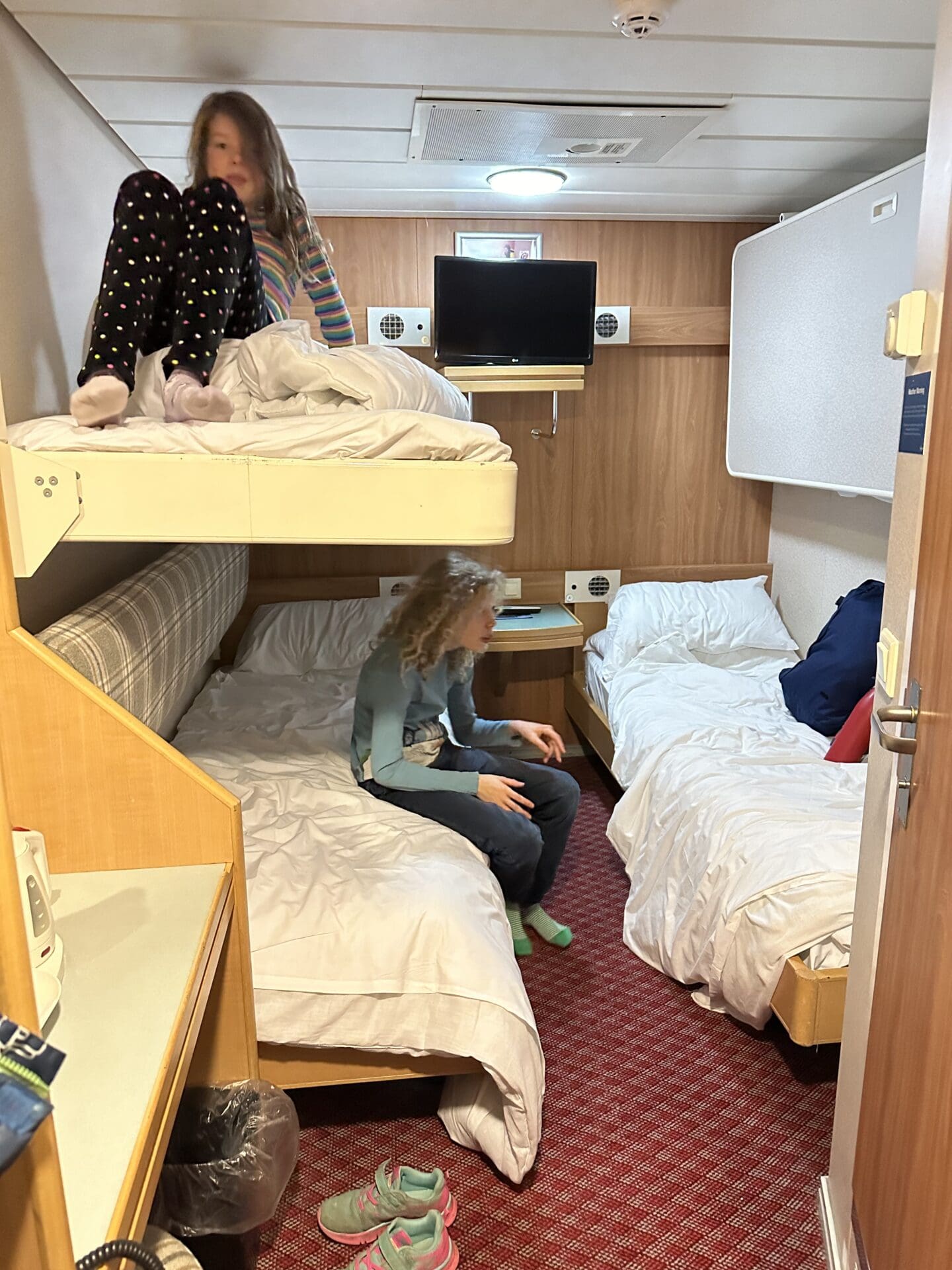
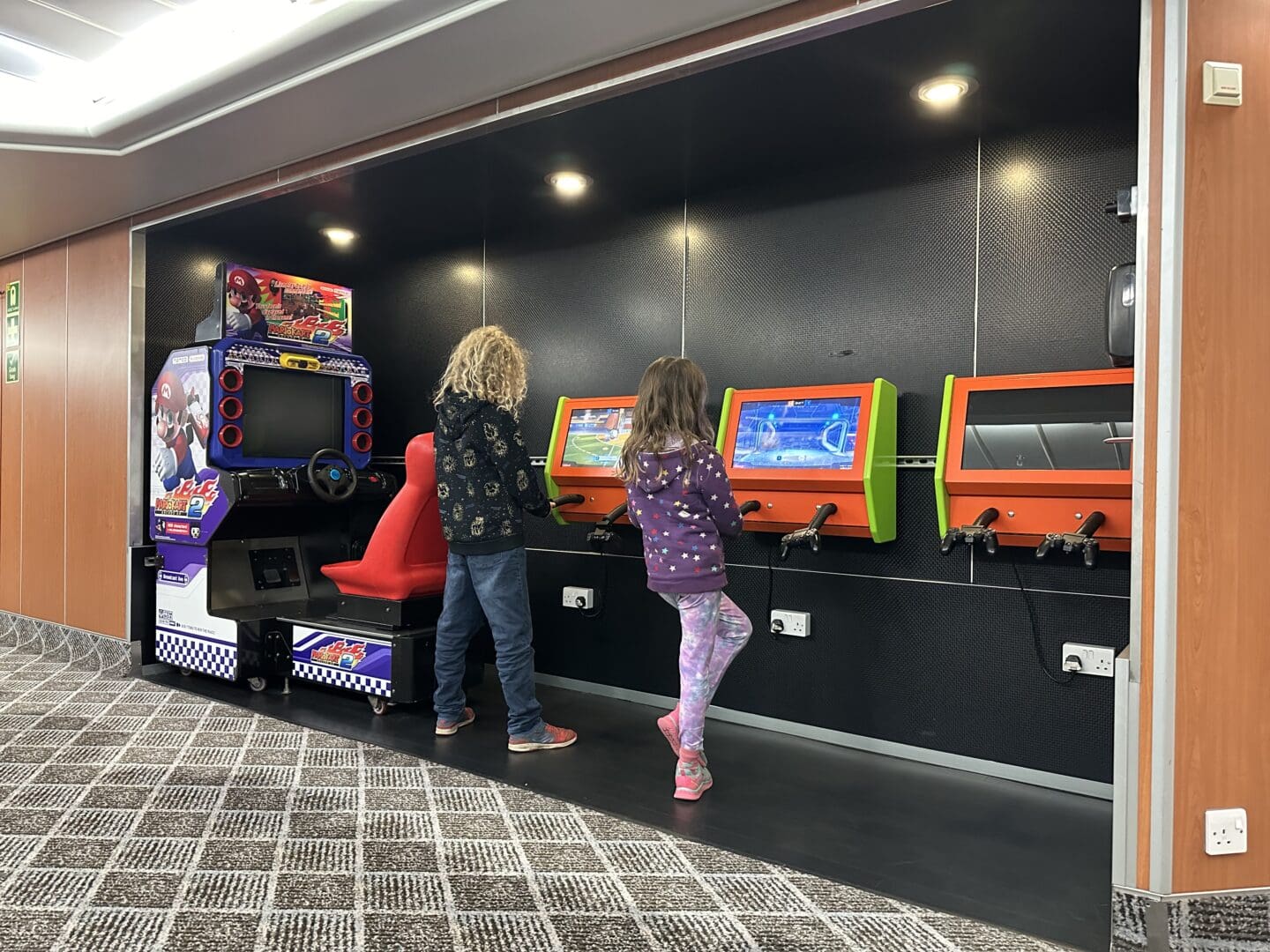
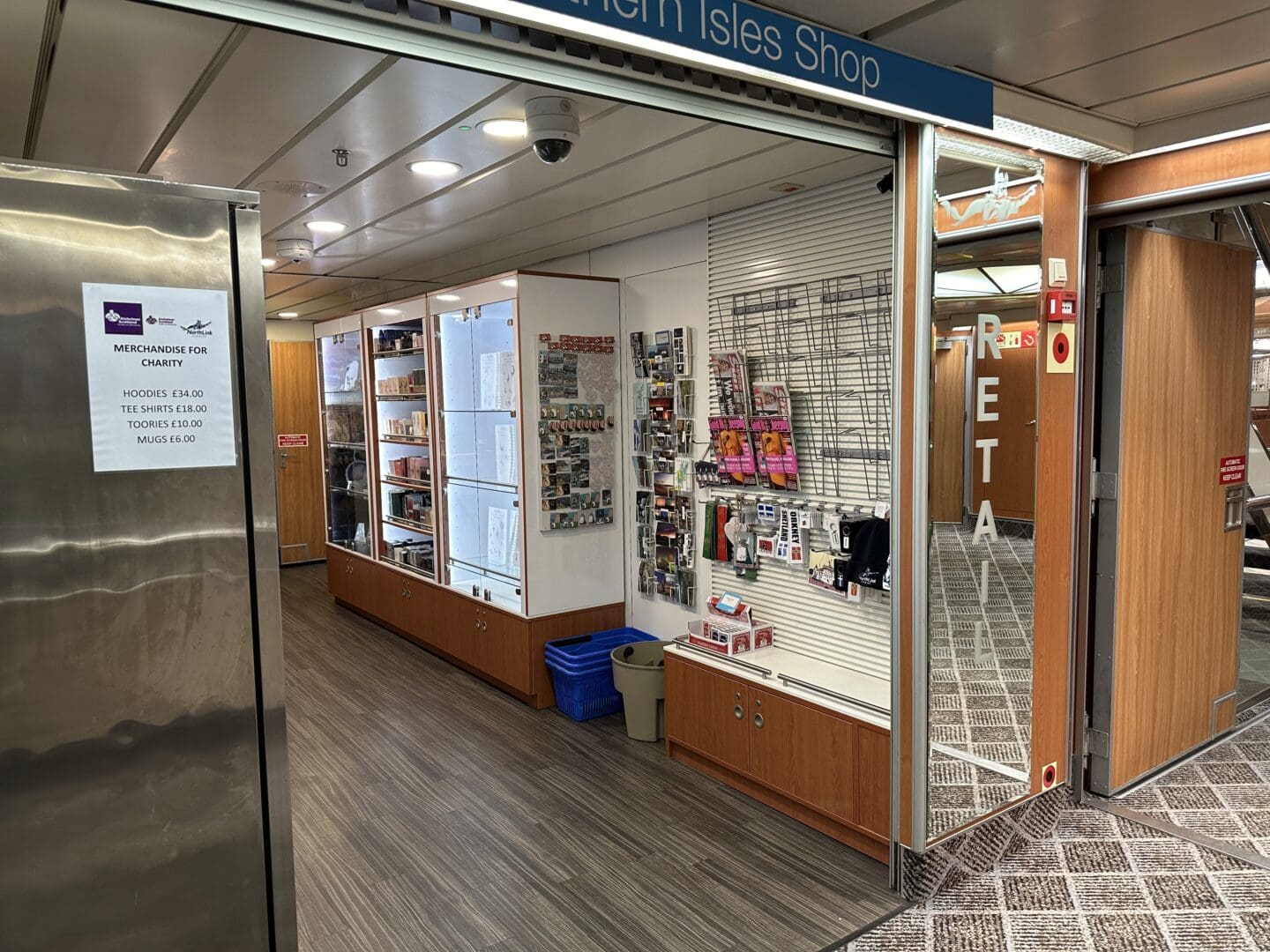
The photos below show our cabin, it was a 4-berth cabin, perfect for families. All cabins are en-suite, including a shower, plus your beds are ready made when you arrive. Your boarding pass is also the door key. Dinner and breakfast is available on board at the restaurant, there are also a couple of bars, a shop and cinema. The kids also liked the idea of the gaming zone. But unfortunately it didn’t work well, and was more frustrating than anything else!


Inter-Island Ferries
There are also car ferries between the islands. Payment seems a little confusing, as when you travel to Unst via Yell you do need to pay on the first ferry, but the not the subsequent one. We also weren’t asked to pay at all on our return to mainland Shetland, so I’m not sure how it works! On other inter-island ferries you simply pay a return fee.
Inter-Island Flights
You can also fly between the different Shetland islands. With the islands of Foula, Papa Stour, Unst, Fetlar, Whalsay and Out Skerries all accessible by plane. It’s also possible to fly to Fair Isle from Shetland, although it’s not one of the Shetland Islands!

Where To Stay In The Shetland Islands
Shetland has plenty of places to stay. From guest houses to self catering cottages and hotels. There are definitely more self catering properties around the Shetland’s than hotels. So this makes it an easy option when travelling the islands. However, if you prefer a hotel option you can certainly find hotels throughout the mainland of Shetland and 1 or 2 on some of the smaller islands too. If you are travelling for the Up Helly Aa season or high season in summer, I recommend that you book accommodation well in advance, things can book up quickly!
Best Things To Do In The Shetland Islands
So what are the best things to do in Shetland? Well, there are so many I’ll probably miss a few here, but here are some of the best things to do in Shetland! Don’t miss the hundreds of Shetland ponies throughout Shetland. Although be careful, one pony decided to bite at our car door handle until it opened the door!!
The local communities are always so friendly. If you are ever stuck or needing advice then they will happily assist. It’s such a lovely sense of community wherever you visit in the Shetland islands.
South Mainland
Sumburgh Head Lighthouse


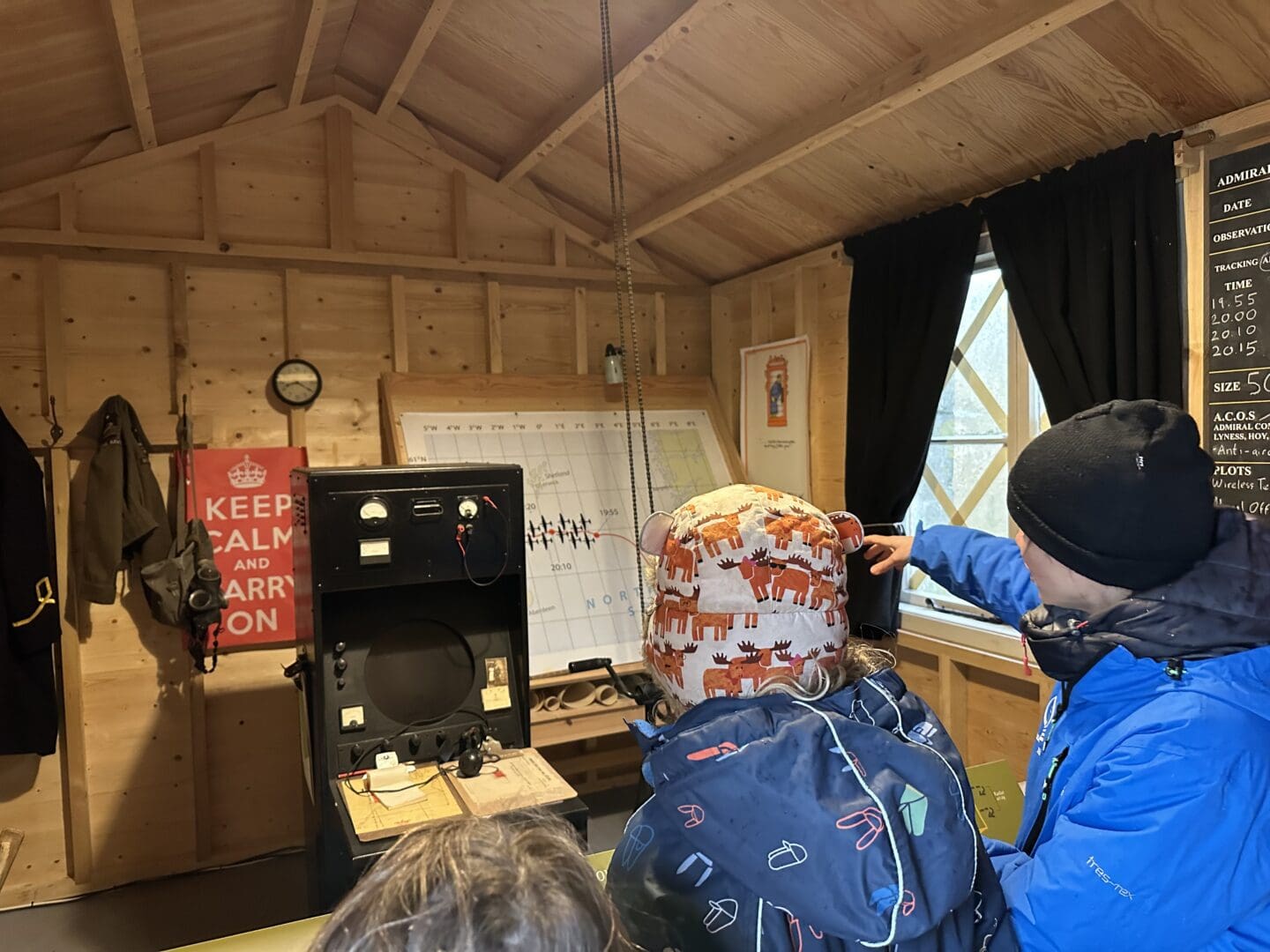

Only 30 minutes from Lerwick is Sumburgh Head. It’s famous for the Sumburgh Head lighthouse and its amazing birdlife. The lighthouse is open from Spring through to autumn. You can learn both about the history of the lighthouse and its keepers lives, plus how the lighthouse used to work (until quite recently it still used mercury, instead of ball bearings!). There is also an important link to WW2, when the lighthouse was used as a radar station. A soldier stationed here even prevented a catastrophe for the UK naval fleet in Orkney, by spotting enemy planes on their way to the Orkney islands! In another section of the lighthouse there is information on the wildlife in the seas and skies around Sumburgh Head lighthouse. Including issues such as birds eating plastics instead of food. The life size whales are pretty impressive to see too!
A coffee in the cafe is a must to watch the amazing birds swirling around the cliffs where they are nesting. Puffins are just across the wall from the lighthouse, so you can see them from the cafe easily, or just walk round to the side of the lighthouse to see them up close! If you’re lucky you may even see whales or dolphins in the ocean below.
Jarlshof Prehistoric And Norse Settlement
At Jarlshof (literally Earl’s House in Old Norse) you can learn about the people who lived here from prehistoric times until a few hundred years ago. The site is quite small, but packed with information! I highly recommend taking an audio set from reception to get the most out of your visit. You’ll learn so much more and if you have kids with you they’ll likely be kept busy listening.
We were there on a very stormy day and didn’t spend as much time outside as we would have done on a nicer day. However, you can see a variety of different house types from roundhouses and wheel houses, to brochs and a 16th century farmhouse. There are some rather impressive structures, and even on a stormy day you can find shelter in parts of the broch and wheel houses.


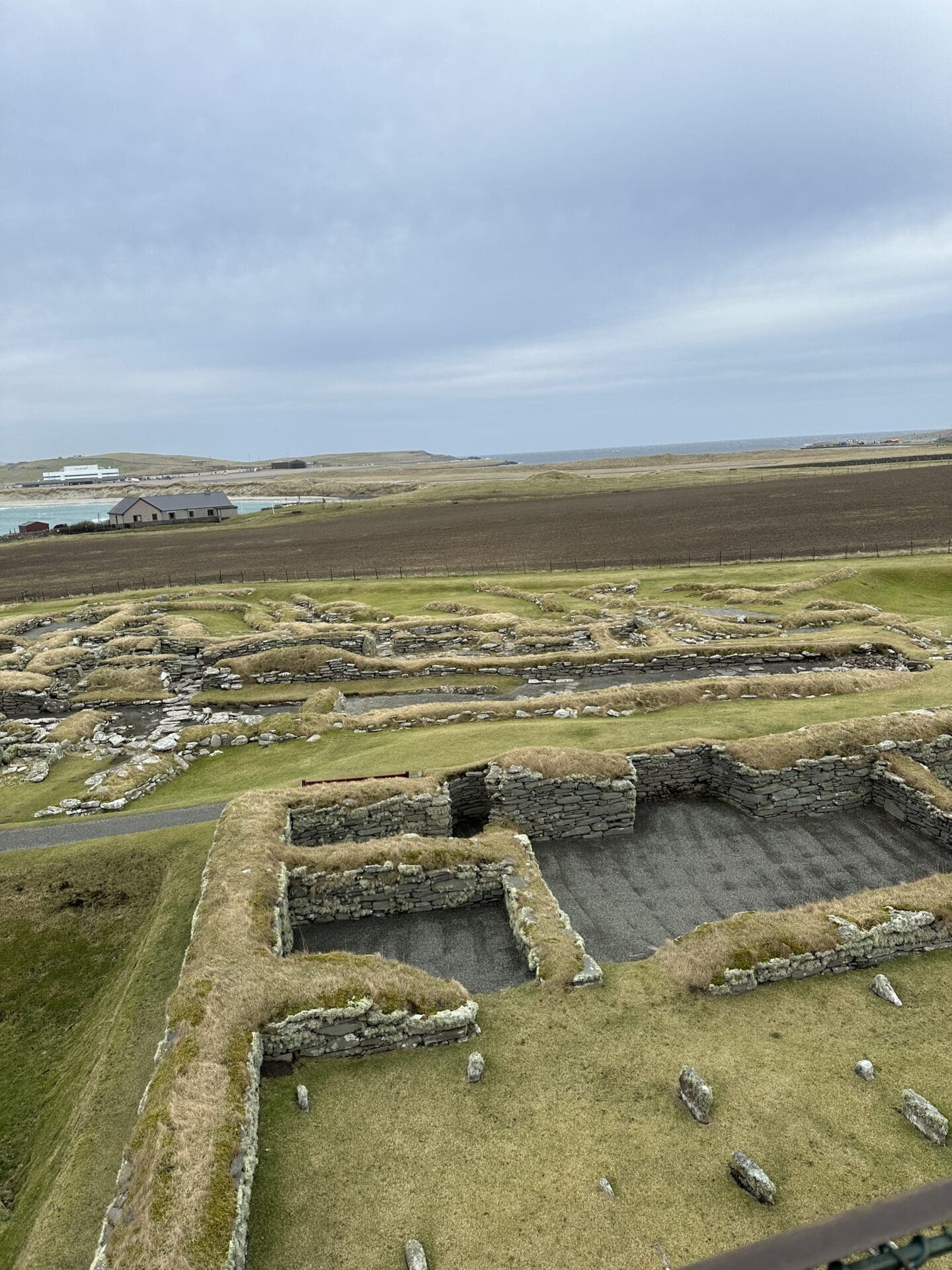

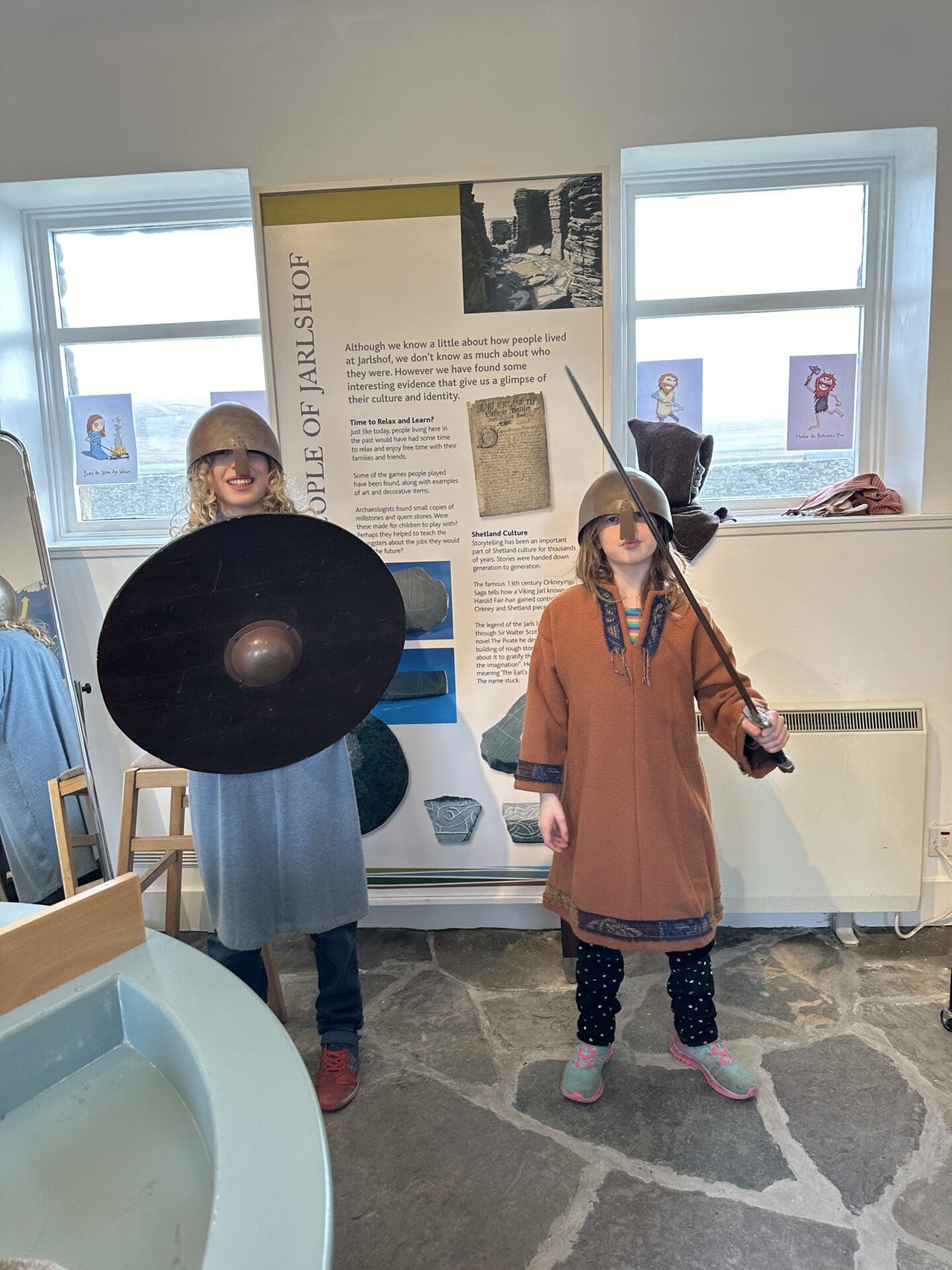
Inside the visitor centre is a small shop, toilets and lots of information. There are replicas of different items which you can touch, perfect for little hands. Plus dressing up, a display of the site that has rubber houses you can move around. The short film about the site is also very good at explaining the basics of what you can see too.
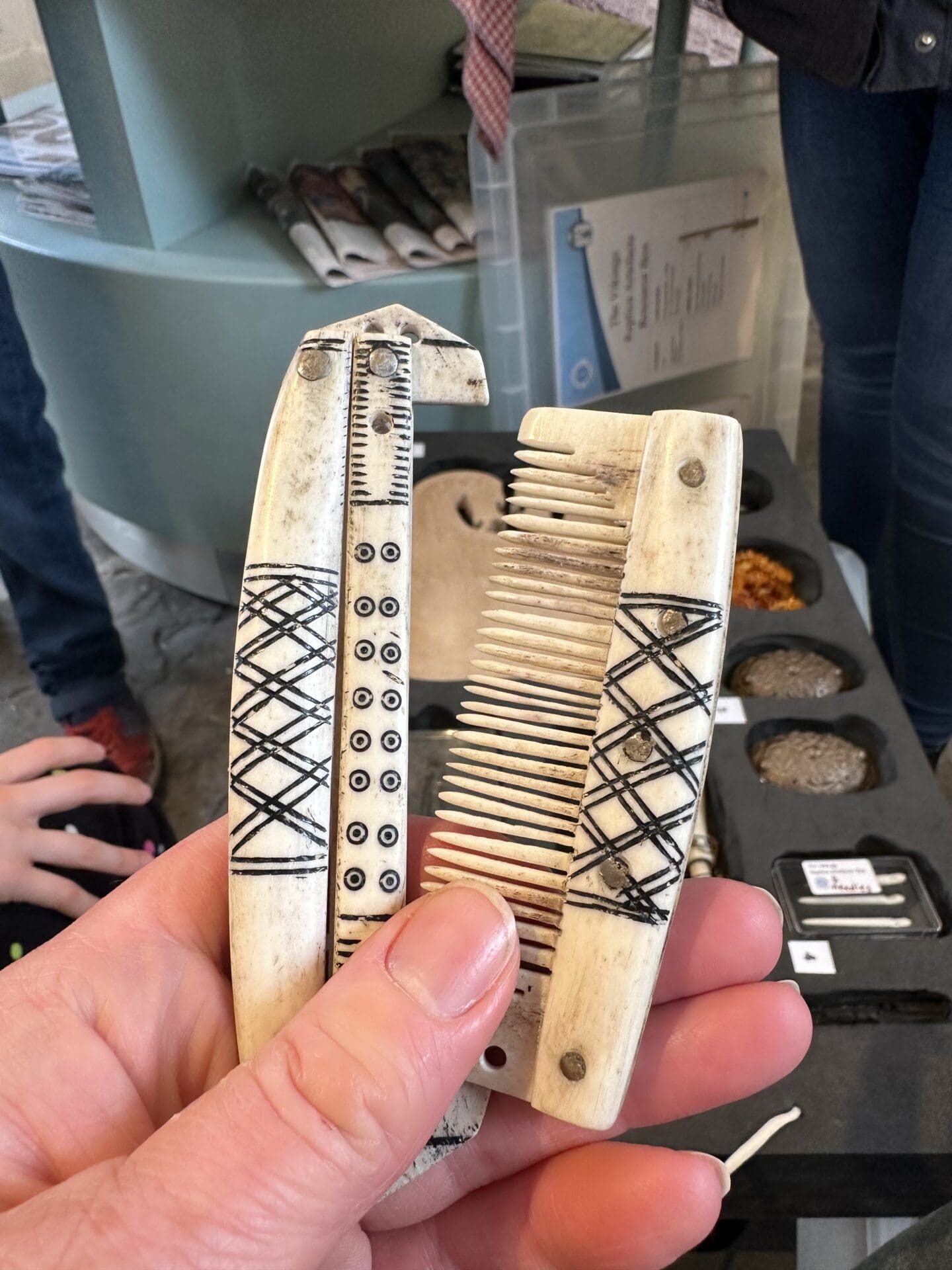
The kids also got to see some of the replica Viking items in the mystery boxes. Usually used for schools, to see if children can work out what the replica items are. Some I would never have guessed! Did you know Vikings had ironing boards?!


Hoswick
Just up the coast is the village of Hoswick, it might be small, but it’s a fantastic stop around halfway between Lerwick and Sumburgh Head. There is a large car park at the Hoswick Visitor centre.
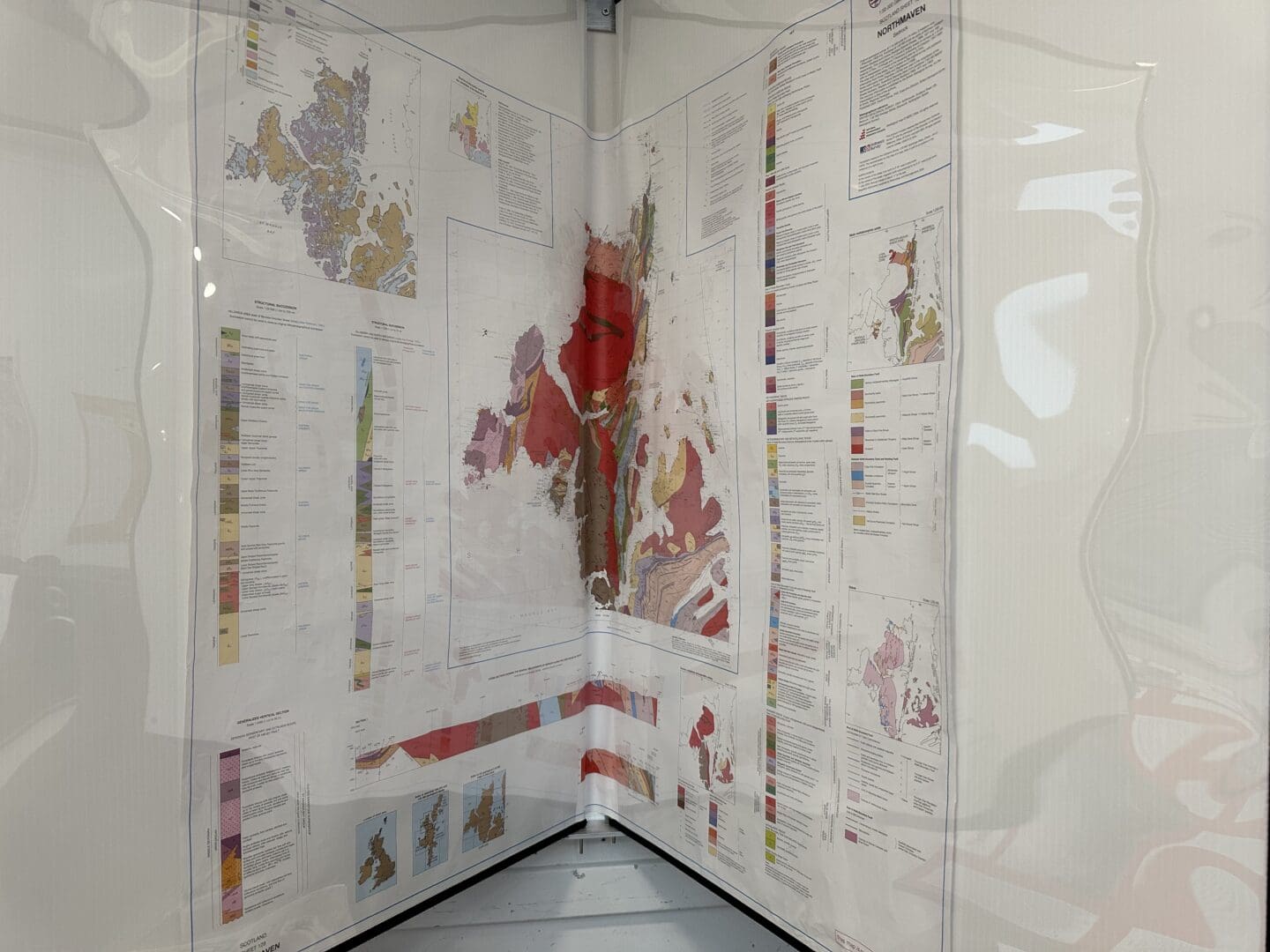
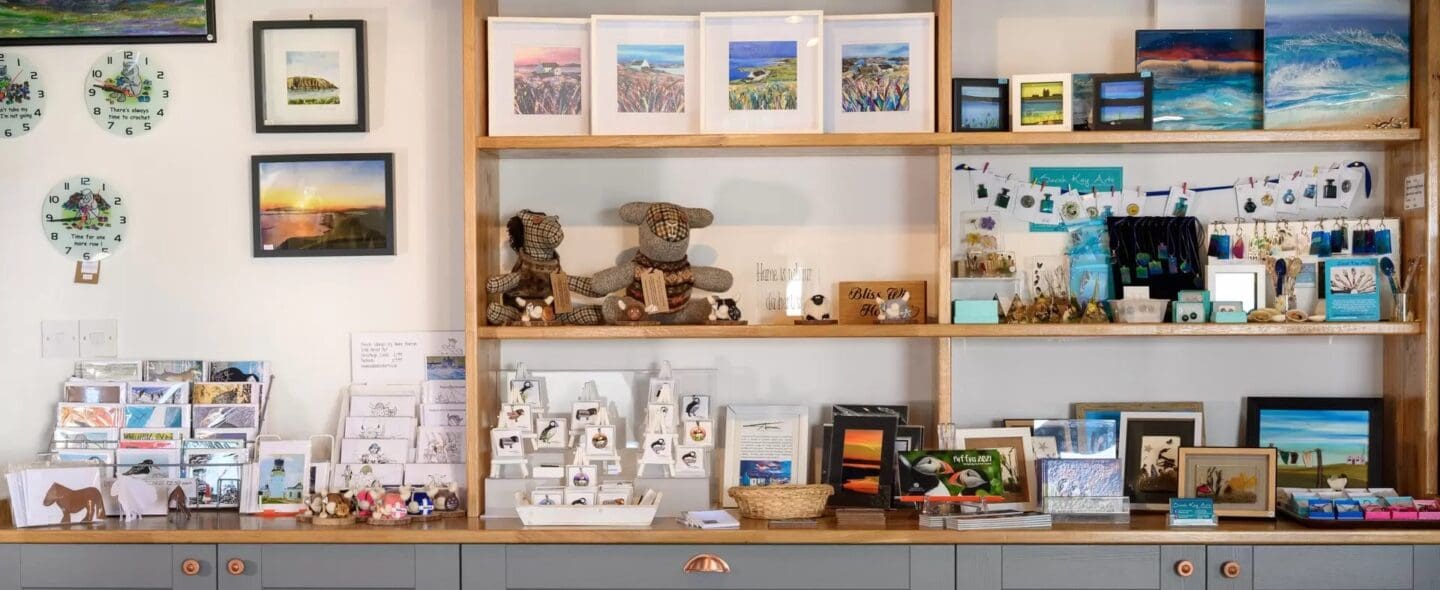
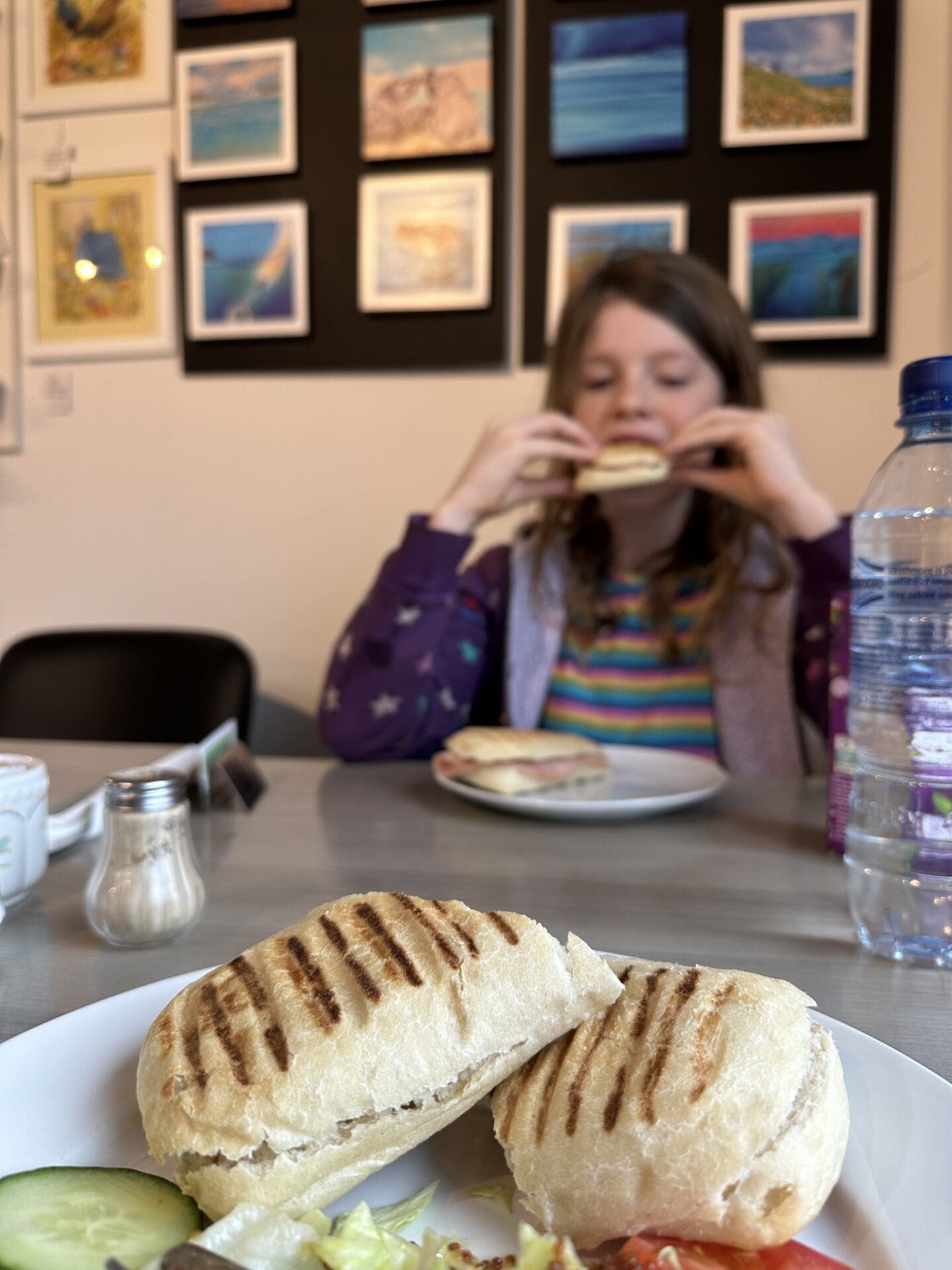
In the visitor centre you can enjoy lunch at the cafe and browse the different information about the area. From a famous court case involving local crofters and a haul of whales on the beach, to the geology of Shetland. You can also visit the amazing craft shop, full of crafts from around the islands.
Hoswick Crafters
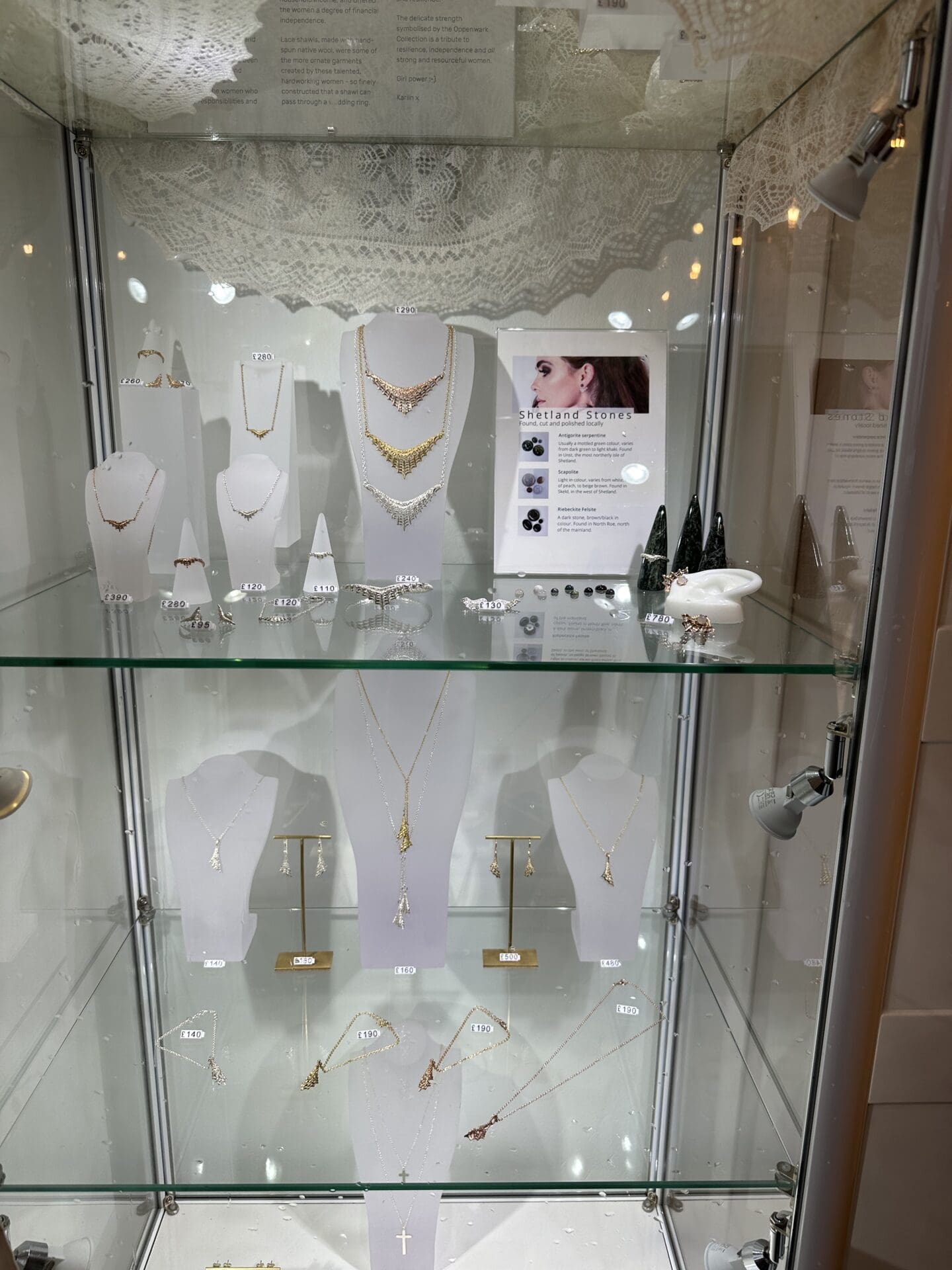

Just a short walk away are 3 different craft shops you may be interested in visiting. Karlin Anderson’s Jewellery Design has such exquisite jewellery, you’ll easily be tempted to buy something! All her designs carry a story. The Oppenwark collection is a particualrly beautiful design, based on Shetland lace designs. Although I was also moved by the story behind the Freedom collection, originally designed to send to women rescued from human trafficking and the collection still sells to the public with 10% of the profits going to charity. Karlin also offers bespoke jewellery, we got a sneak peek at some spiky earrings she was making for some of the women in one of the country Up Helly Aa festivals.

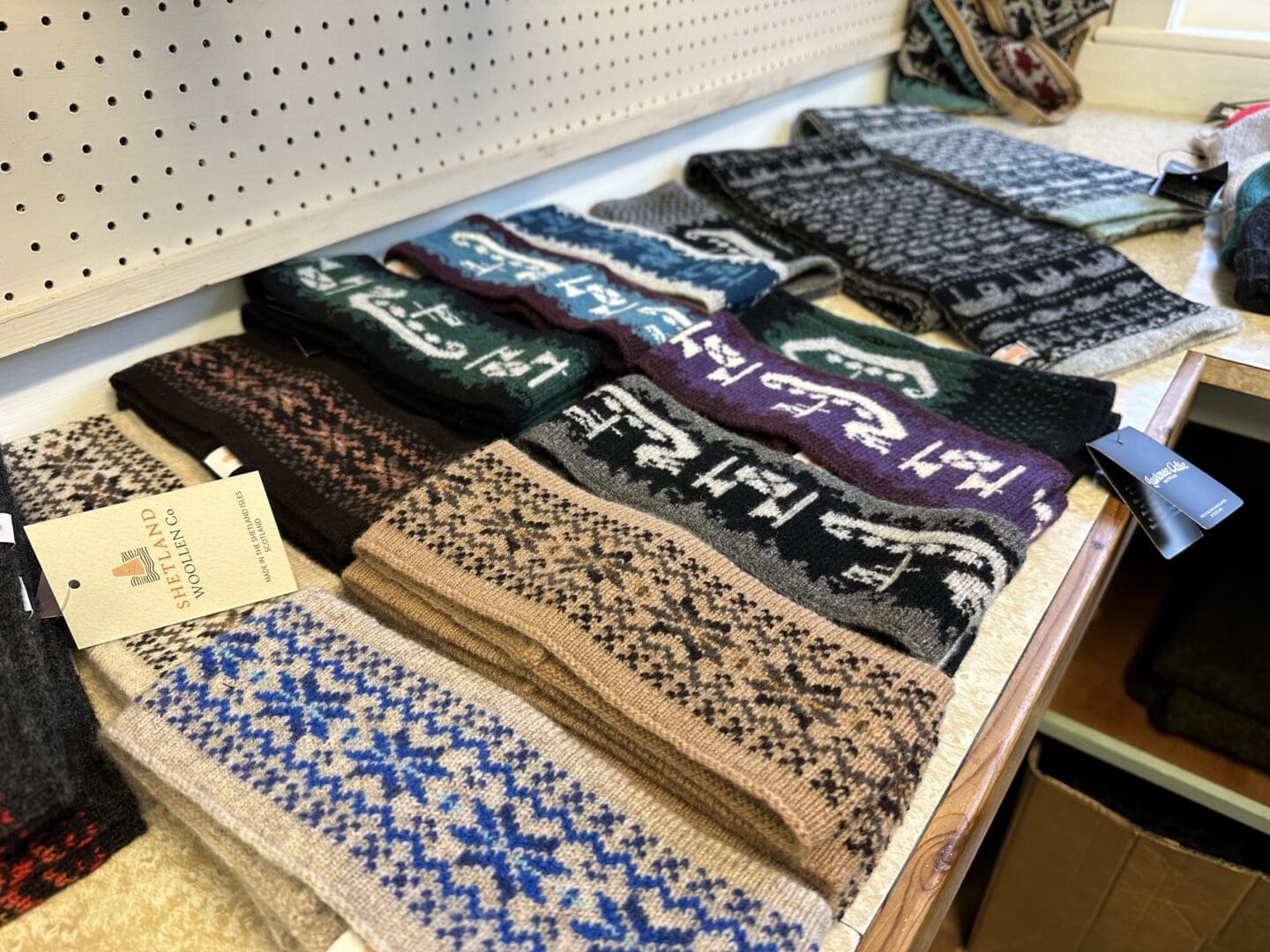
The Shetland Woollen Co. Is a small wool company who design and make their own designs. They only make small numbers of stock as and when it’s needed, so there is never a lot of wasted products. You will also see that they make plenty of the cloaks for the Up Helly Aa Jarl squads.
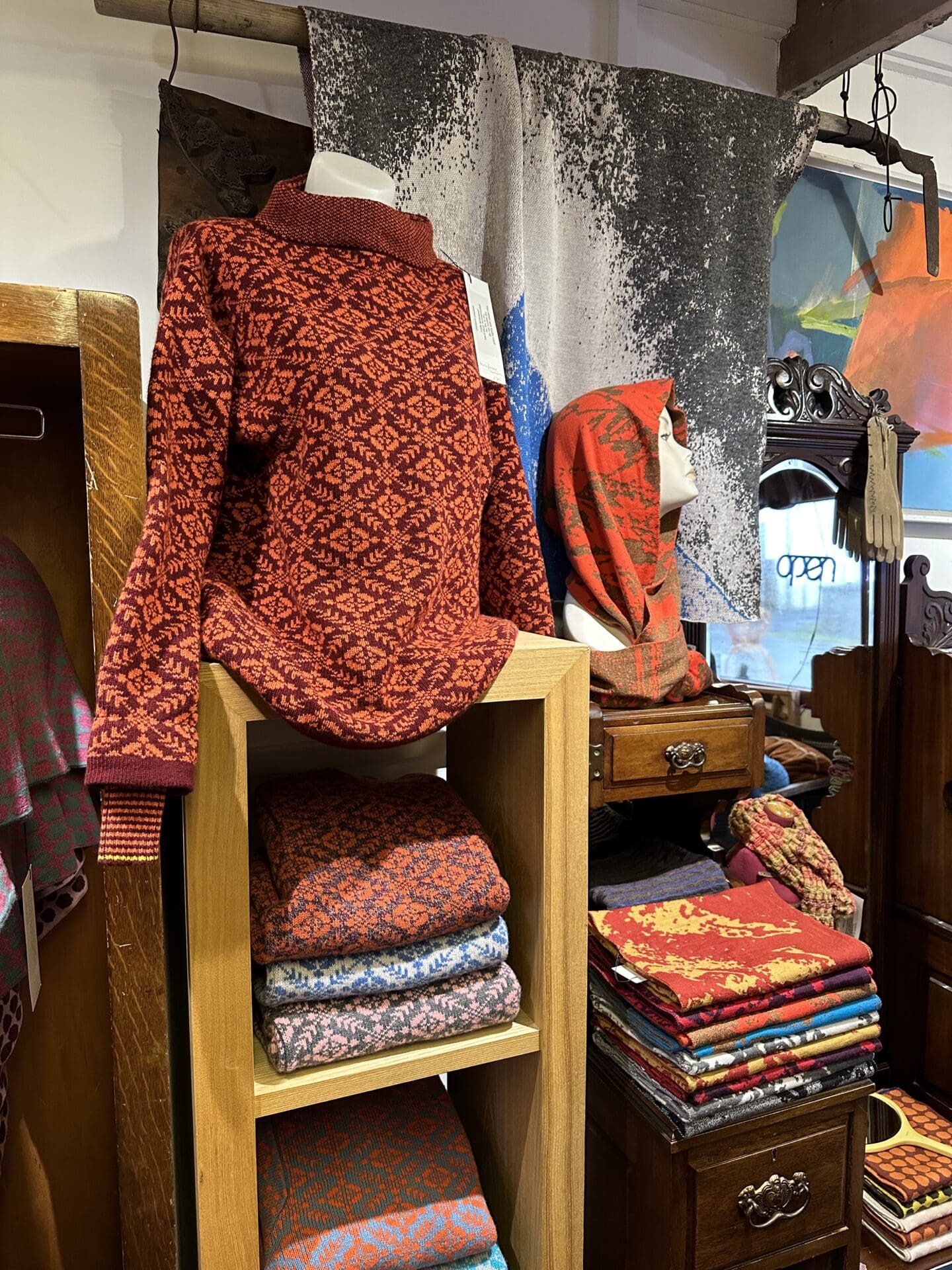

Next door is the fabulously colourful Nielanell. This is Shetland knitwear, but not as you know it! Think of contemporary designs, variety of colour ways and awesome patterns. The company was founded by Niela Nell Kalra in 2008. The company has now become well known for its contemporary Shetland knitwear, with the knits being wearable art. They can also offer bespoke items or colour ways when asked.
In summer you can also find several beautiful walks in the area. I’ve been assured that when the wildflowers are in bloom there is a gorgeous walk along the coast. Plus there is the nearby beach that is just what children need to fun off some energy!
Mousa

The island of Mousa is accessible from Sandwick (just next to Hoswick), on a 15 minute boat journey. It’s worth visiting, just take the boat trip across to the island and you can enjoy the beautiful wildlife reserve and the Mousa broch. Mousa comes from the old Norse for mossy, so basically it’s mossy island!
Standing at 13m tall Mousa broch is the best preserved Iron Age broch in Scotland. It also appears in two Norse sagas, one about an eloping couple and another about how hard it is to attack.
When visiting the rest of the island you must keep to the paths and avoid disturbing nesting birds on the shingle beaches. Both the Bonnies and terns WILL attack you if you get too close to their nests!
St Ninians Beach and Isle


St Ninian’s is one of the most well known beaches on Shetland. As a ‘twin beach’ it can get lost as very high tide. So only attempt to go to the island of St Ninian’s when the tide is out. the beach is the perfect place for kids to play, with sandy shores and plenty of rocks to clamber on!
You can also find Haar Sauna, a Scandinavian wood burning sauna, located near the car park at St Ninian’s beach. Open Friday to Sunday, you can book a private session, community seat or even a women’s session. This is a great activity to attempt at 60 degree North.
If you walk across to St Ninian’s Isle itself, you can find the ruins of St Ninian’s chapel. Although the chapel is small and in ruins now, a huge hoard of treasure was discovered in 1958. the treasure consisted of 28 silver Pictish objects buried under the altar. There were also many burials, including a group of babies with tiny crosses at their heads.
North Mainland
The North mainland of Shetland is famous for its North Sea oil industry at Sullom Voe. However, it also has plenty of other interesting things to see.
The small village of Lunna was used as a secret wartime base for the ‘Shetland Bus’. This is where spies, radios and ammunition was smuggled into the German occupied Norway. And refugees were also brought back to the UK via here. This operation was later moved to Scalloway.
You can also find plenty of wildlife, from otters to birds, with several walks around the area. Particular favourites are at Muckle Roe to the lighthouse there and also to the Stanes of Stofast.
Central Mainland
The mainland of Shetland is the largest island in the archipelago and it’s in the central mainland that you will find Lerwick, Scalloway and Burra.
Lerwick
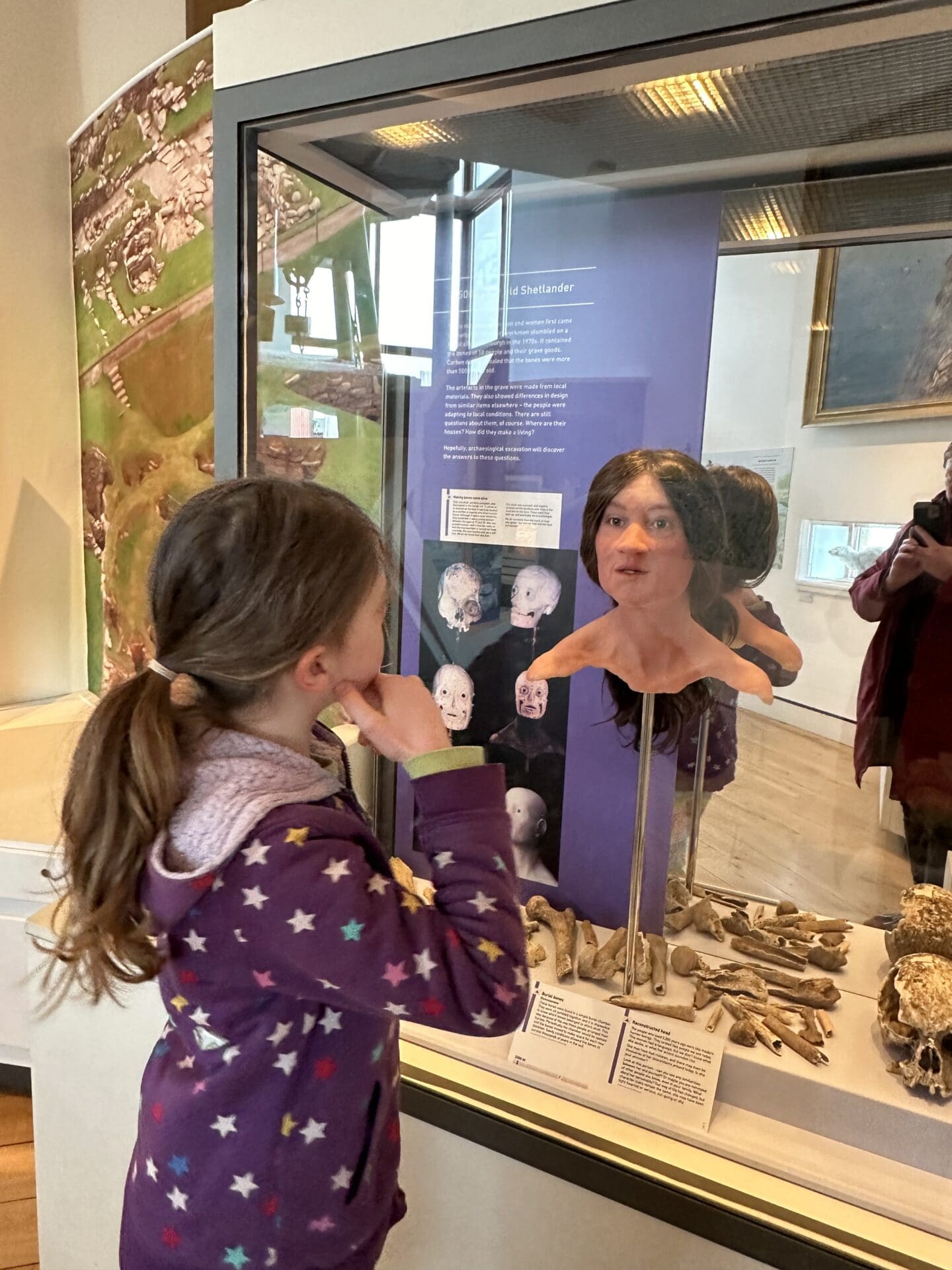

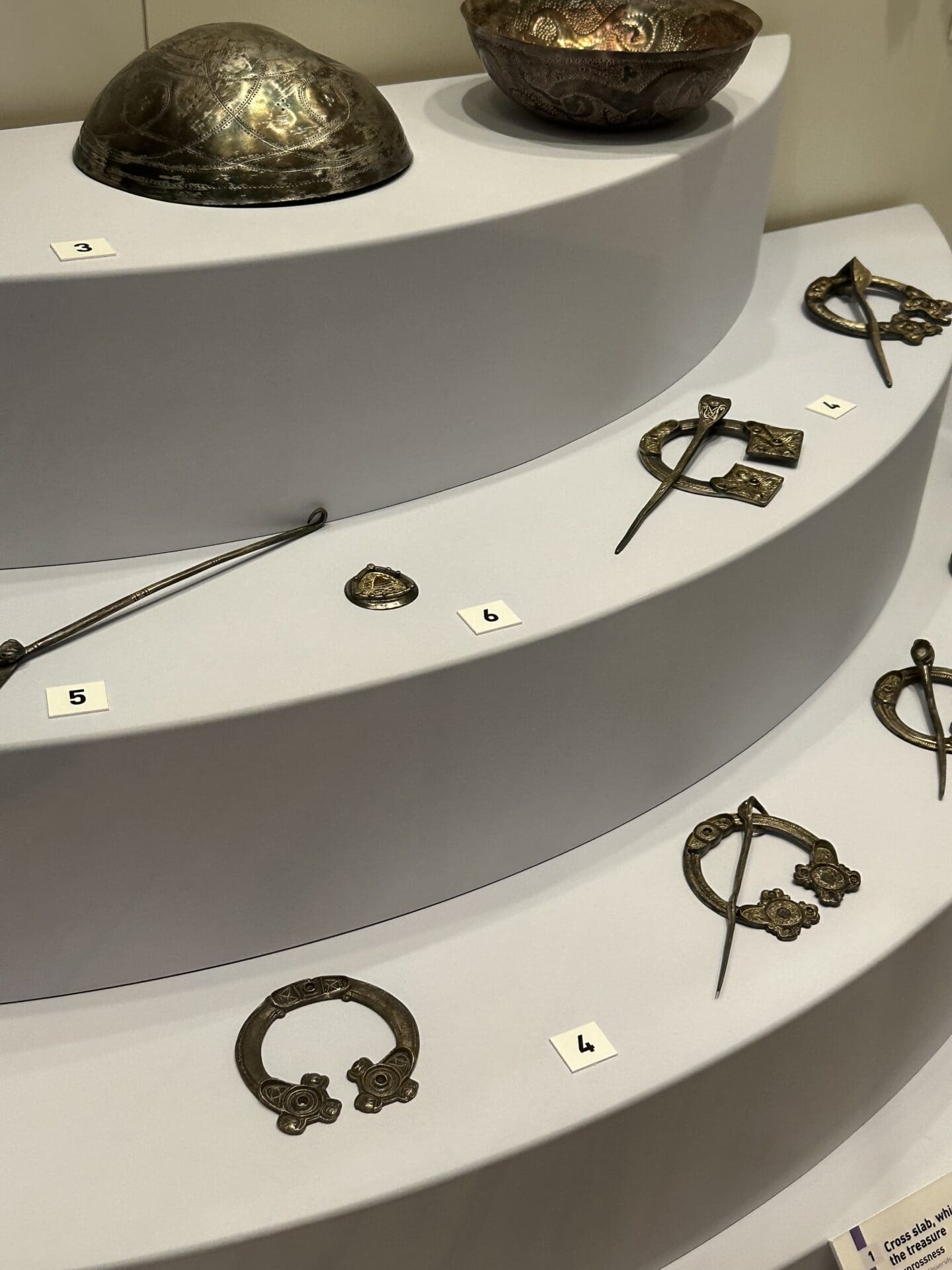
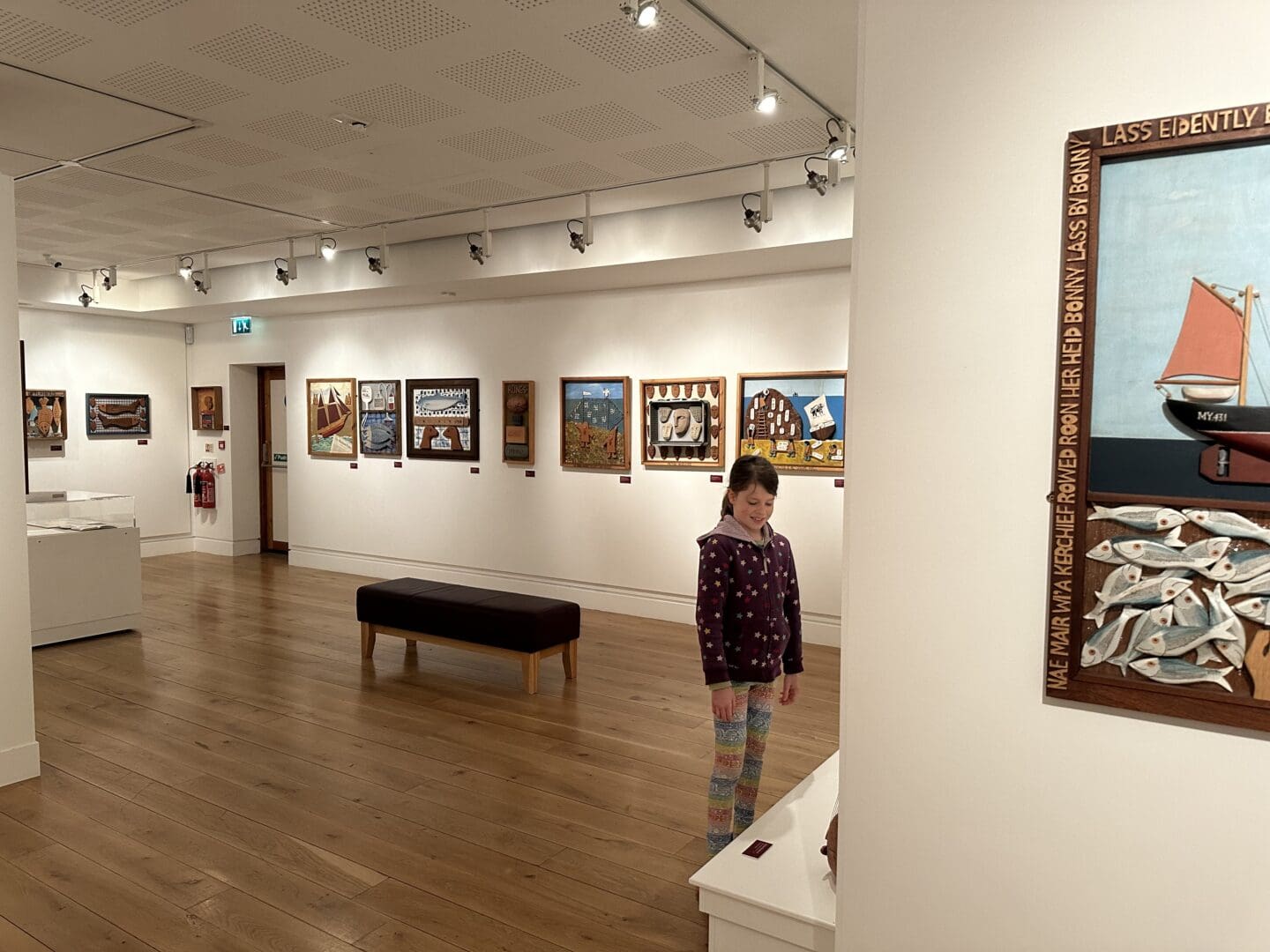

Lerwick is home to the Shetland Museum. A great resource to find out more about the history and nature of the Shetland Isles. They have various family events throughout the year, plus worksheets for kids to take around the museum. It’s free to enter and definitely a good place to start your visit to Shetland! There is also a gift shop and cafe.
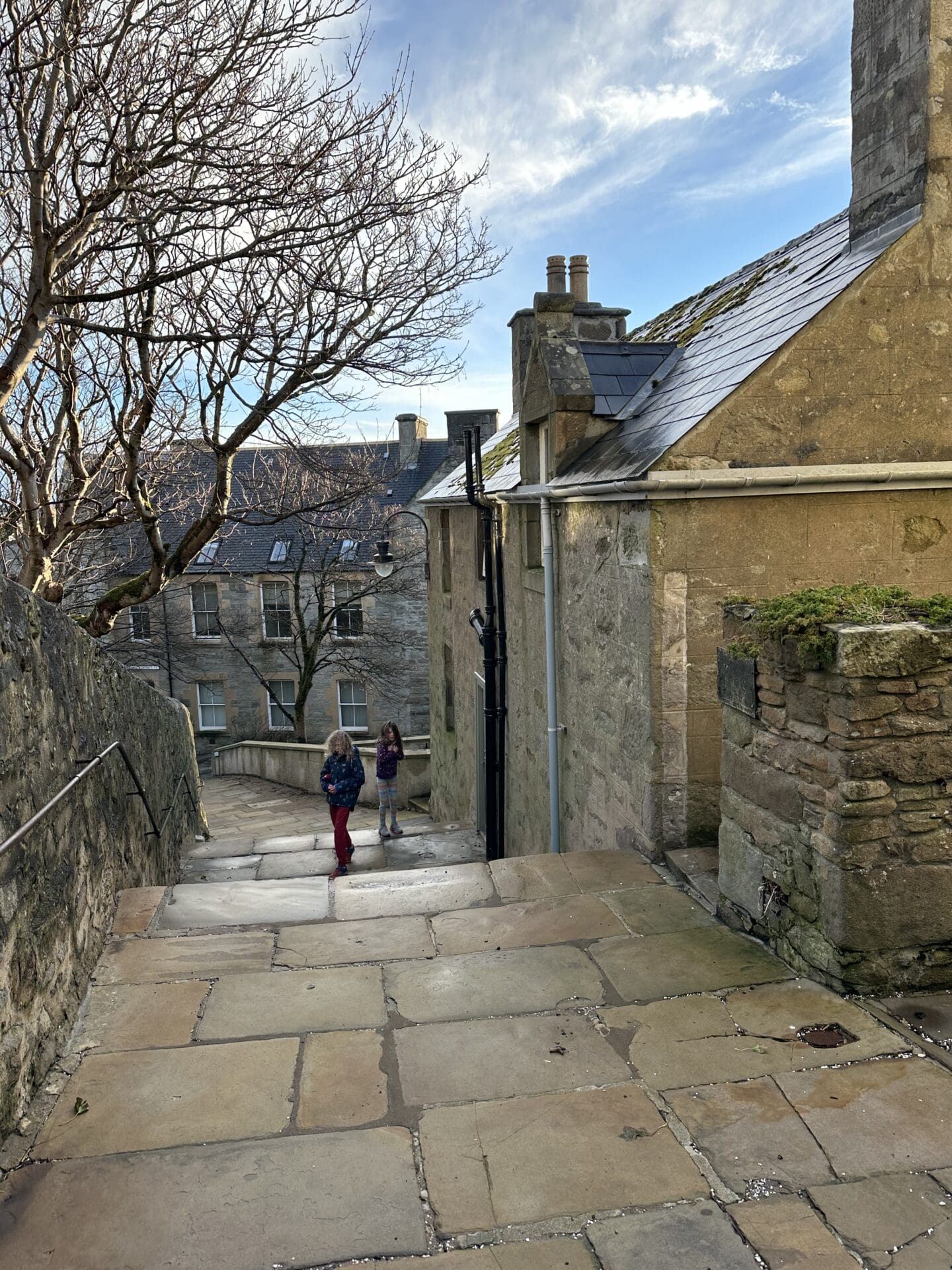
The town itself is a warren of old buildings, lanes and harbour side properties built right into the sea itself. Check out these walking tour of Lerwick ideas, they will take you to the most interesting areas of the town. Including the Lodberries and quaint old lanes. Lerwick was said to have been built on smuggling, with many tunnels underneath the town to avoid customs on smuggled goods!

Scalloway
It’s Scalloway that was the islands capital until 1708 when it moved to Lerwick. However, it’s still the second biggest settlement on the islands.
Scalloway Museum is worth a visit, particularly to learn more about the Shetland Bus. Next door is Scalloway Castle, the home built for Earl Patrick Stewart, an oppressor of the Shetland peoples.
Burra
The island of Burra is now attached to the mainland by bridges, so it’s easily accessible. It’s the perfect place for visiting stunning beaches. With the beach of Meal being particularly popular with families.
You can also find the Shetland Pony experience on Burra, where you can ride these beautiful animals. And don’t miss the Burra bears, made here on the island by a mother and daughter team. You can also find them for sale in gift shops in Lerwick or on the Northlink ferry.
Northmavine
The are of Northmavine in the North West of the mainland is very rugged and not easily reached by public transport. You definitely need a car to explore up here!

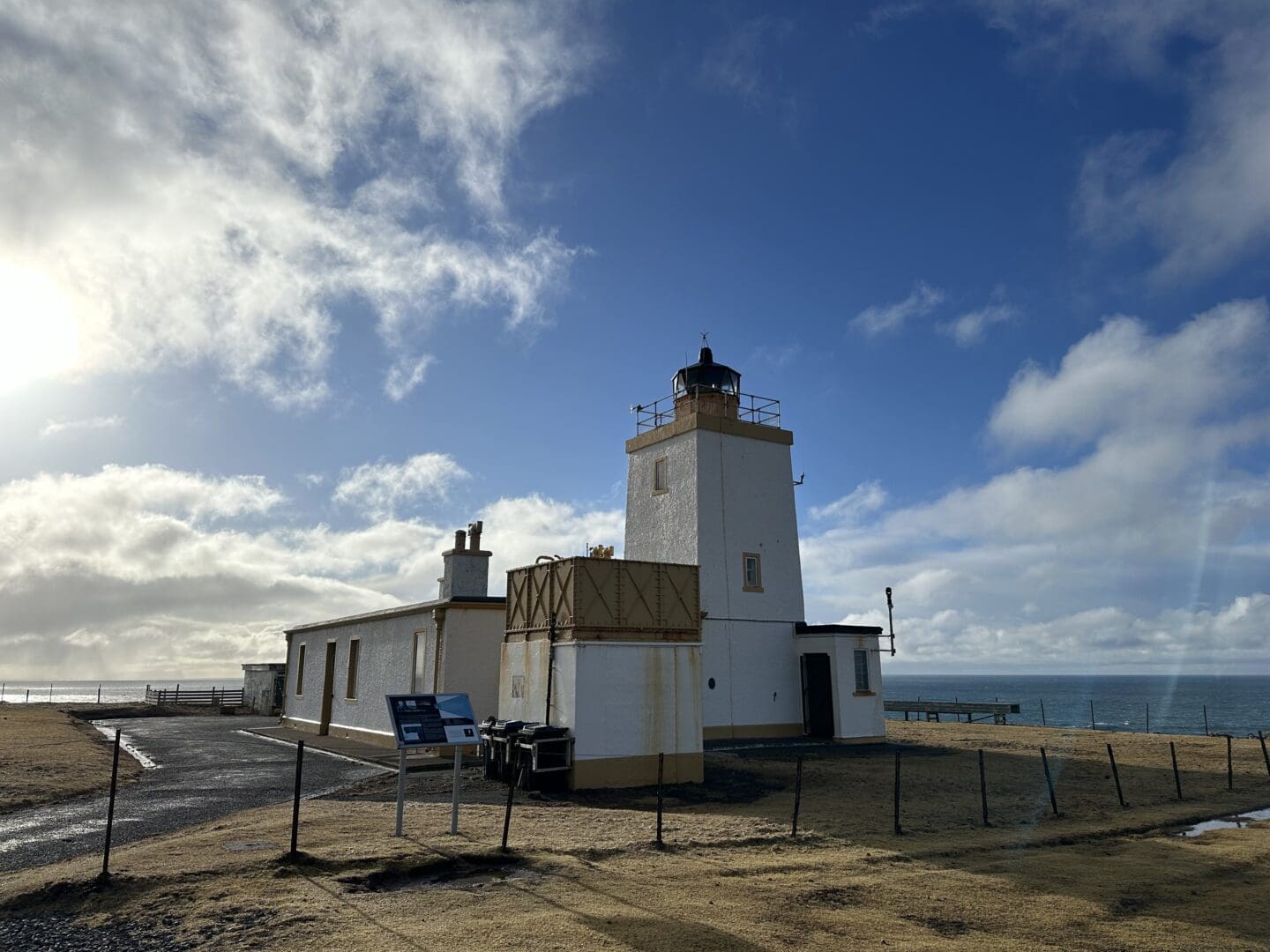
The whole area was once a super volcano, with the little island North West of Eshaness being the remainder of the volcanic plug. This can be seen well in the varied rocks of the area. You can find out more about Shetland as a UNESCO Global Geopark on their website here. Definitely check out the rocks on the cliffs behind Eshaness lighthouse. These were once pieces of rocks fired out of a side vent of a volcano, now they look like rocks stuck together in concrete! There is also a lovely walk along here to the Grind o da Navir. Just be careful when it’s particularly stormy as the waves splash up high and tear off rocks throwing them into huge piles!
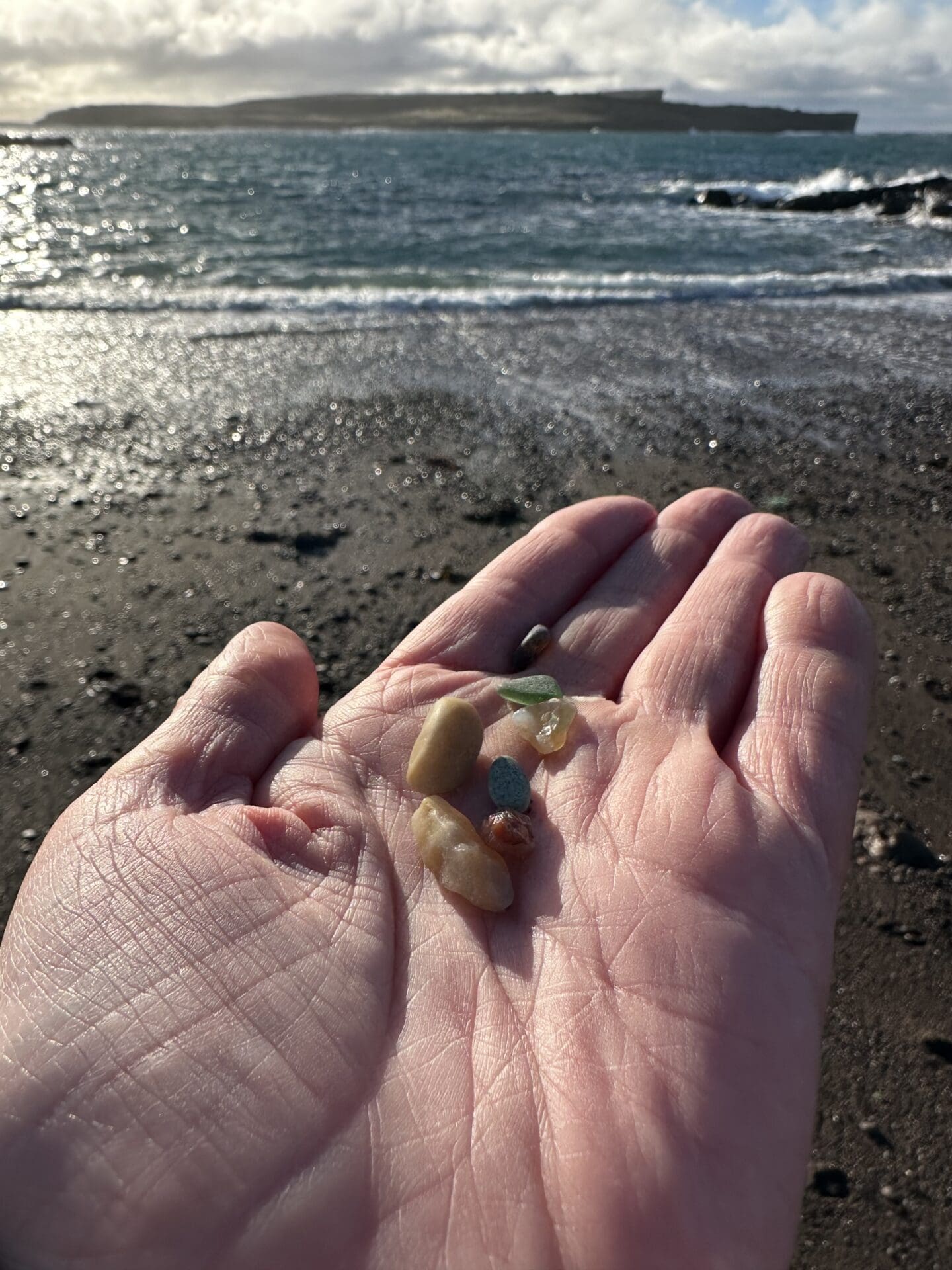

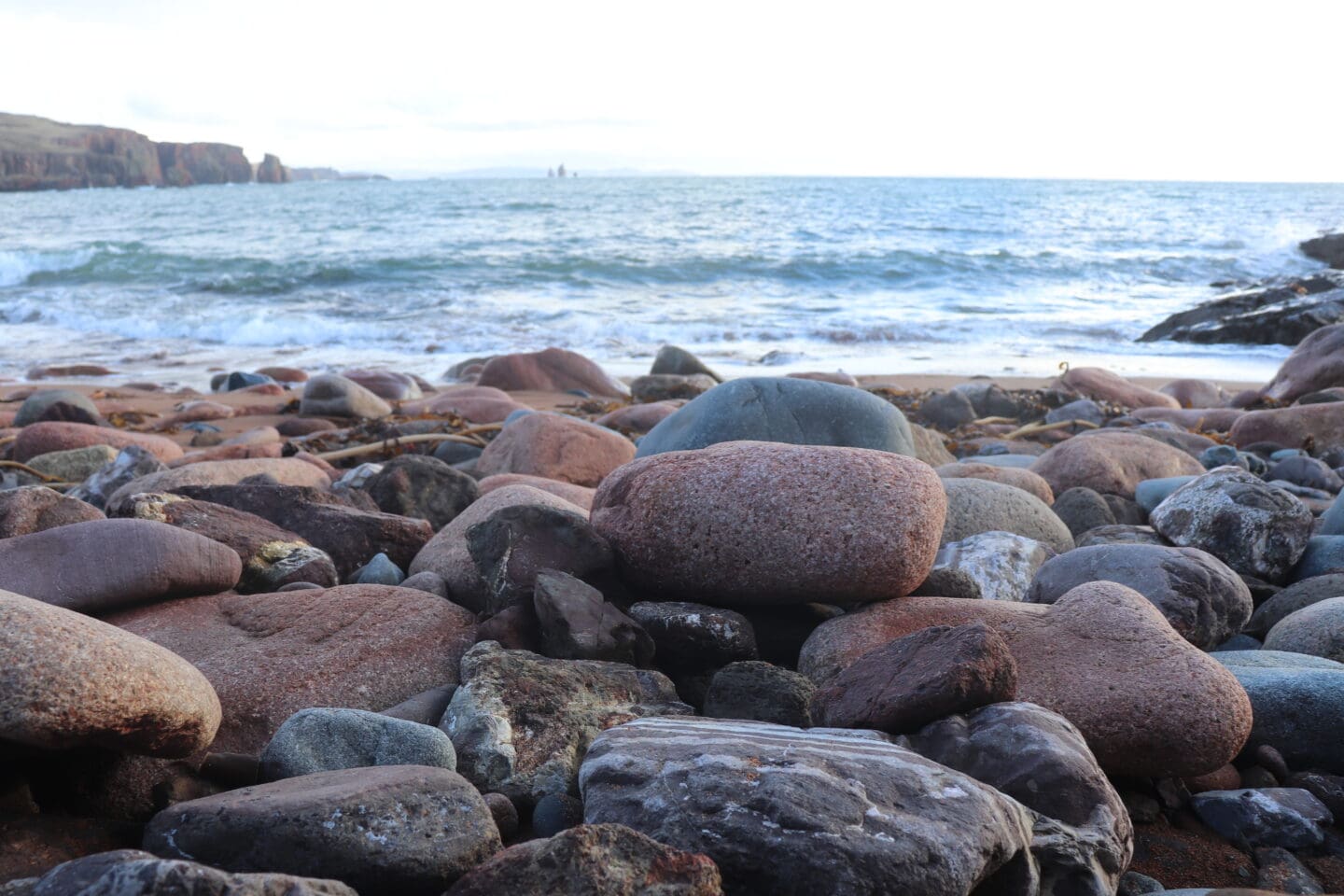
Don’t miss the beaches of Steness, great for hunting for volcanic agate. And the Braewick beach, where you can see large numbers of interesting rocks, including the divide from an ancient fault line. Use the trail guides here to help you decipher what you are seeing in the areas geology.
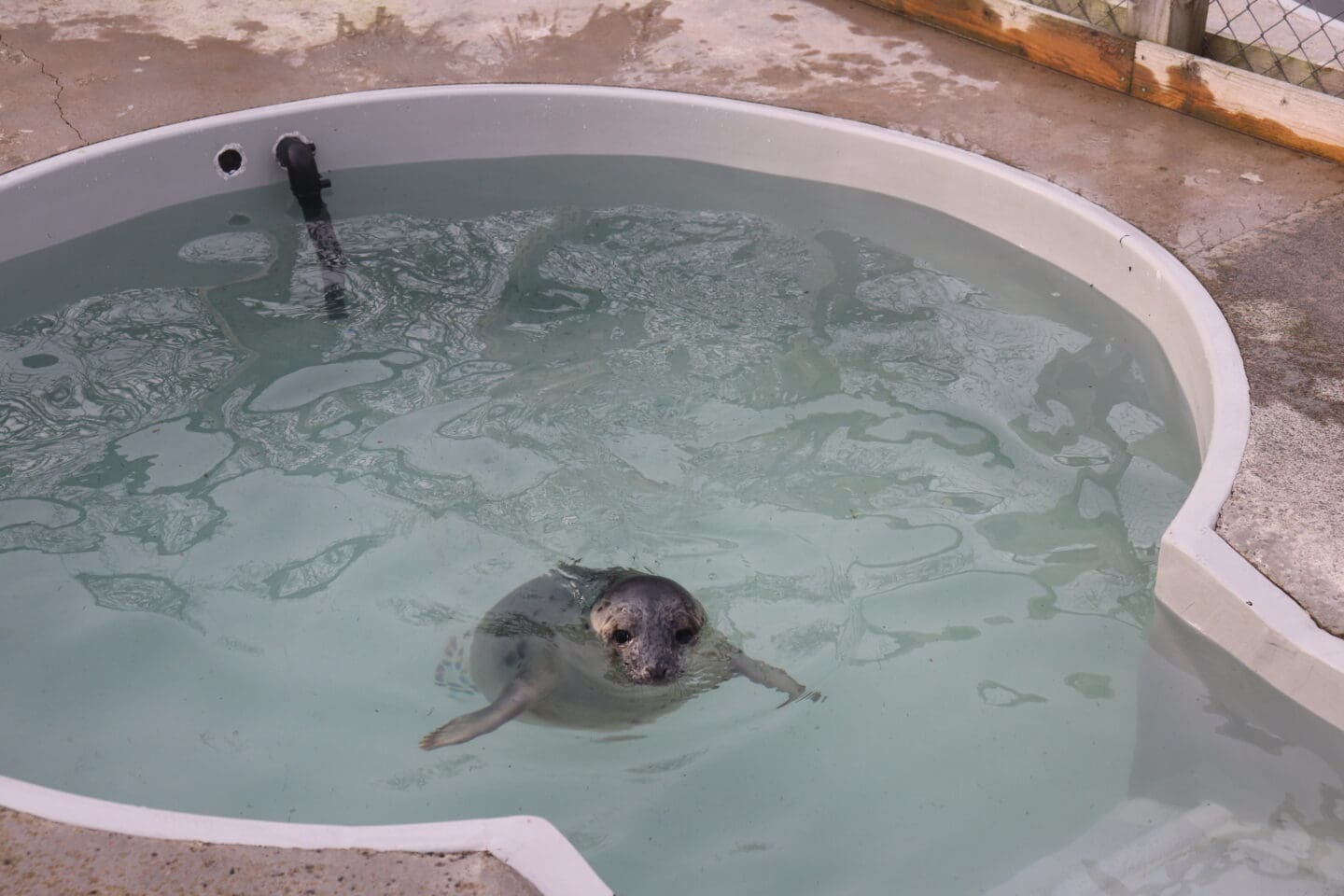


The little village of Hillswick is home to the Hillswick Wildlife Rescue Centre. Seals and otters are sent here from all over Shetland and even as far away as Orkney. Jan, Pete and their team help to care for the animals until they are well enough to be released back into the wild. You can visit the centre from spring onwards, be sure to leave a donation or buy some crafts from the little shop. They rely on these donations to look after the seals.
Westside
In the west part of the mainland, Westside are many beautiful walks. Consider the path up to the waterfall at the Burn of Lunklet or up to Culswick broch in the South of this peninsula.
Keep your eyes peeled for wildlife, there are many otters along the shorelines and dolphins and whales can be seen in the surrounding sea.
Islands
There are plenty of islands that require a ferry or passenger boat to visit. The largest and closest islands are all easy to visit, with plenty to see!
Unst
Unst is the furthest North island in the Shetland isles. This is where you can visit the most Northernly beach, the most Northernly church, the most Northernly park…you get the gist! It’s also where you can see Muckle Flugga, the lighthouse out on a tiny skerry to the North of Unst.

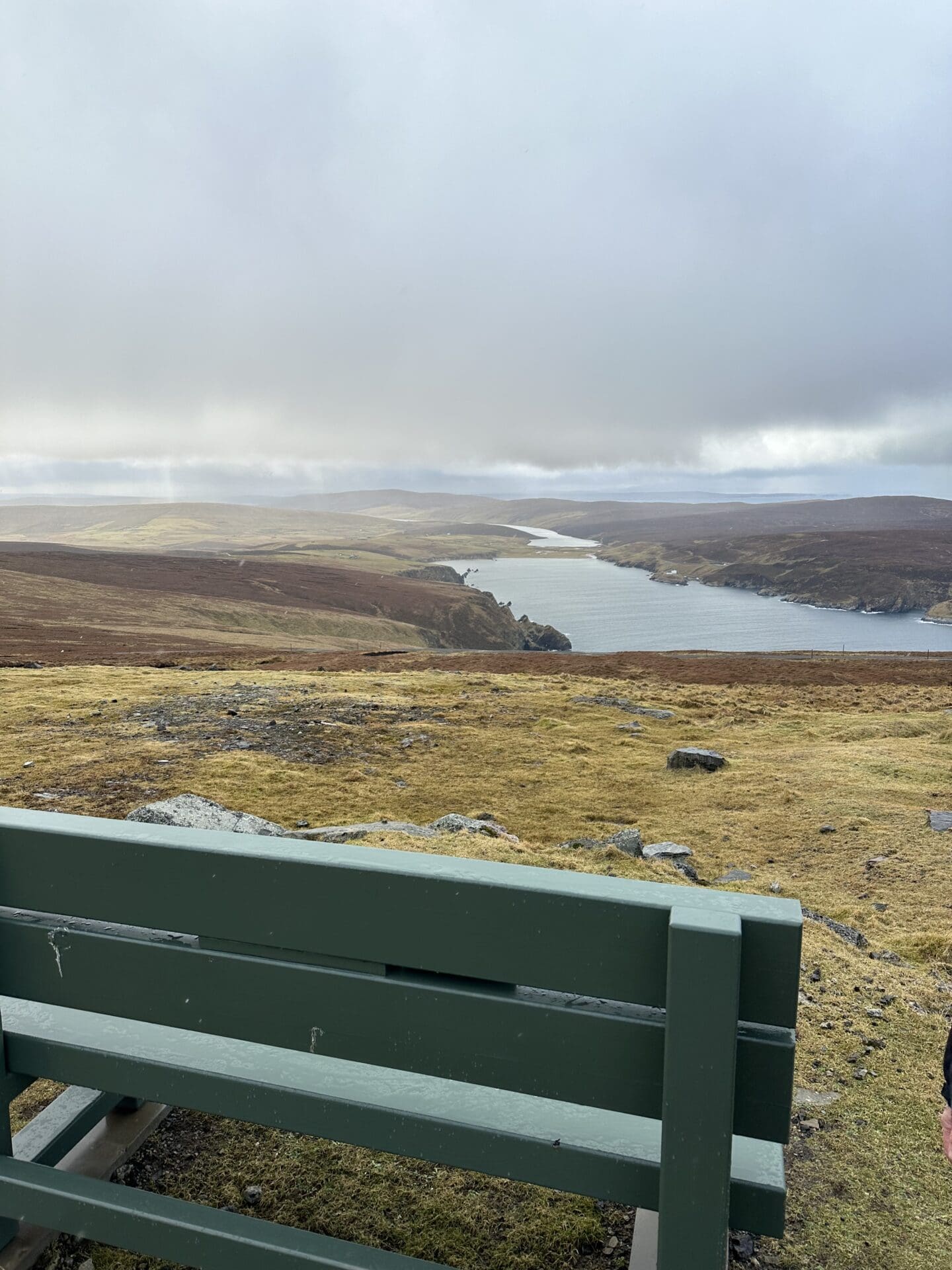


You can easily spend a week on Unst alone, there is so much to do on this little island. The local community is very active and have created an excellent Sky Trail for visitors to follow. Pick up a leaflet at the visitor centre, or check the whole trail out online at Wild Skies Shetland. Each stop on the trail has information related to skies, some are night skies and others are Norse stories, sky themed phrases in local dialect, songs and stories about storms on Unst. All stops have a sign with information and QR code, and several have sound stations too, either on a post or on a bench. It’s possible to look at the night skies or aurora using VR headsets in the Unst Heritage Centre.
You should also visit Hermaness National Nature Reserve. It’s an important site for breeding birds, and a stunning cliff side walk. You will spot gannets diving into the ocean, Great Skuas squawking overhead and puffins hanging out near their burrows.
Other great stops include the replica Viking ship and longhouse at Haroldswick, along with the Boat Haven and Unst Heritage Centre (open in the summer only). There are also plenty of beautiful beaches, including the most Northernly beach in the UK at Skaw.
Yell
The island of Yell is often used to simply drive through to get to Unst. However, it has much more to offer if you travel off the main road. One of its beaches was actually listed as the third most beautiful in the world by the team at Conde Naste Traveller. Breckon is certainly a stunning beach to explore! But don’t miss West Sandwick beach either, it’s also a fantastic white sand beach.
The Old Haa museum is excellent for local history, including information on the old whaling industry. You will also find a cafe and gift shop on site. The old boat in the garden is perfect for entertaining smaller kids.
Yell also boasts several RSPB nature receivers. You should keep your eyes open for otters as well as bird life here. It’s the perfect island with good peaty banks for otters to dig holts by the sea.
Fetlar
Fetlar is just a short ferry ride from Yell or Unst. Not every ferry goes to Fetlar, so do check which one you would like. Make sure you book in advance too, it can get busy in the summer season.
Fetlar is overflowing with wildlife, with its main birding star the Red-Necked Phalarope. The dainty bird can be spotted at the Mires of Funzie RSPB reserve. Look out for the males who look after the eggs and chicks, whilst the female leaves to find another male! The island of Fetlar also has plenty of otters, get the binoculars out and watch for them downwind along the coastline.
Don’t miss a stop at Fetlar’s Interpretive Centre. A 4-star visitor attraction with information on local heritage. There’s also a craft shop and hot drinks available.
Whalsay
The most densely populated island in Shetland, Whalsay was actually named for the old Norse ‘island of whales. Which is why it’s always been home to a fleet of trawlers and many fishing boats. You can learn more about it’s history at the Whalsay Heritage Centre.
The Hanseatic booth also tells about the history of sailors from Germany trading with Shetlanders. An interesting history!
Keep your eyes open for whales, they are still often seen around the shores of Whalsay.
Bressay
Frequented by the regular visitors off the Bressay ferry, this is the closest island to Lerwick. Which makes it a fun day trip when you are in Lerwick during the summer.
The Bressay Heritage Centre is of course about the local heritage. However, other places of interest include Garth’s Farm, a Crofter who runs regular tours and the Island of Noss, as seabird haven.
Best Tours in Shetland Islands
Shetland never seems to be short of guides, you just need to know what type of guide you would like. Most specialise in certain areas, so first decide which type of theme you would like on a guided tour.
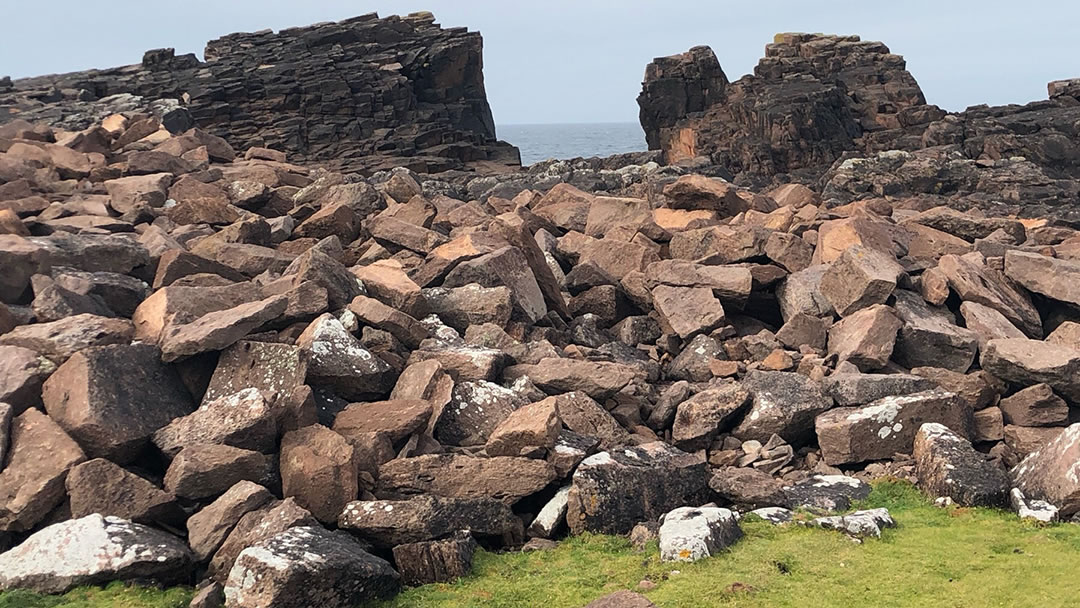
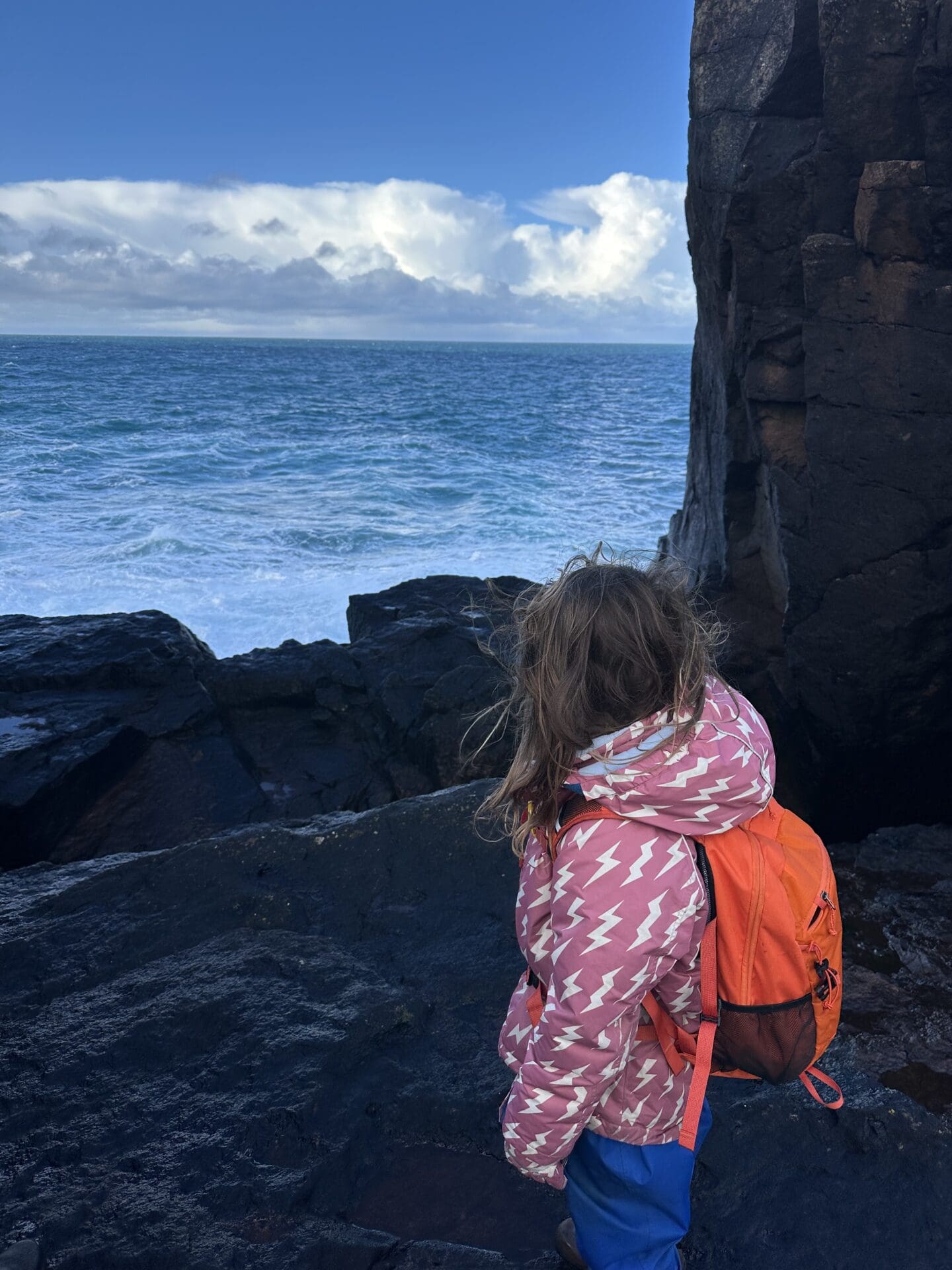
I personally can recommend to guides that we had tours with on Shetland. The first being Robina Barton, a geology specialist. She coordinated Shetland UNESCO Global Geopark and is fountain of knowledge on Shetlands geology. We had an amazing day out exploring Eshaness and its ancient volcanic rocks. Spotting everything from rocks that were shot out the side vents of the volcano, to bubbles in the lava, and agate formed deep in the volcano.

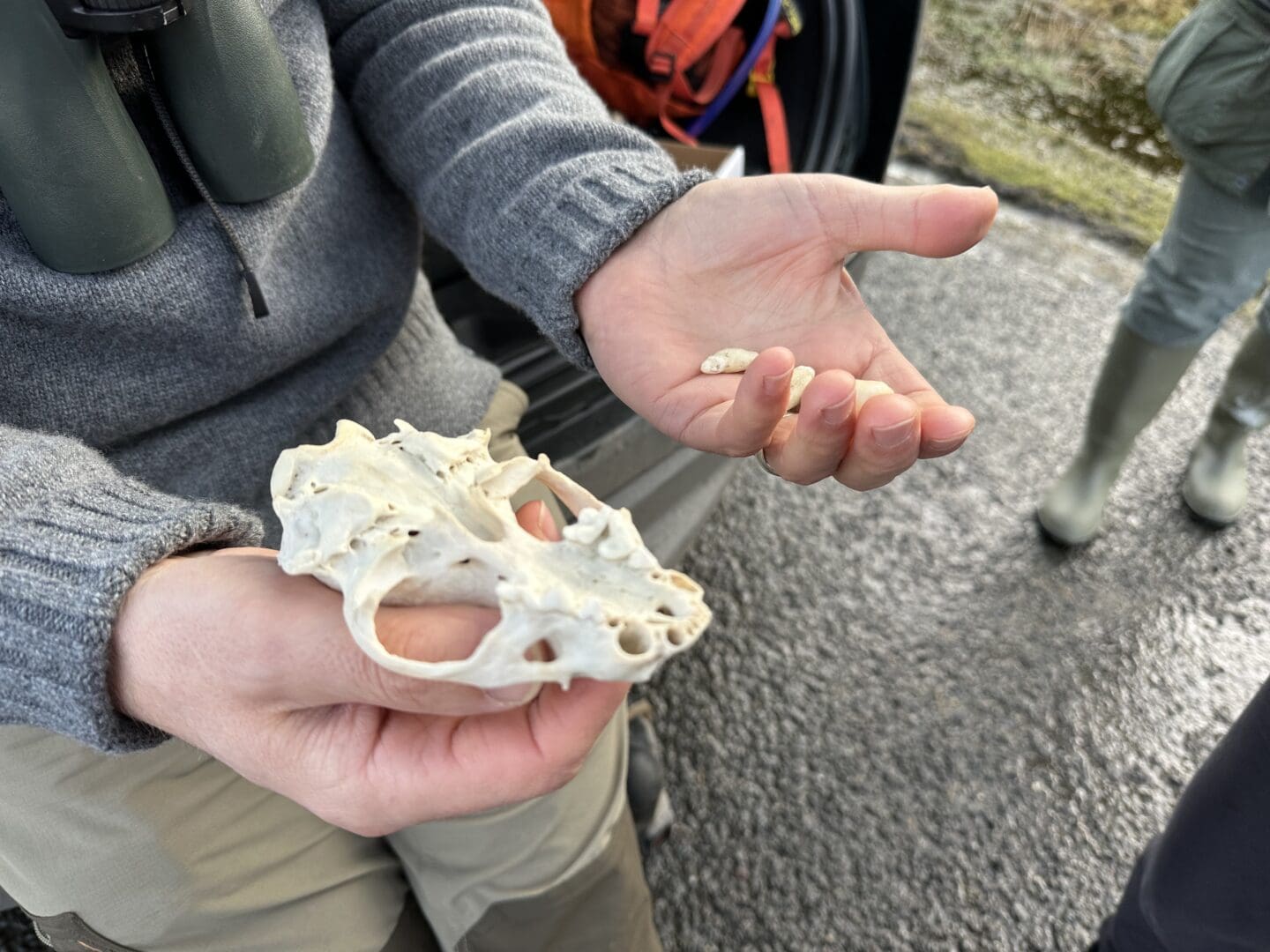
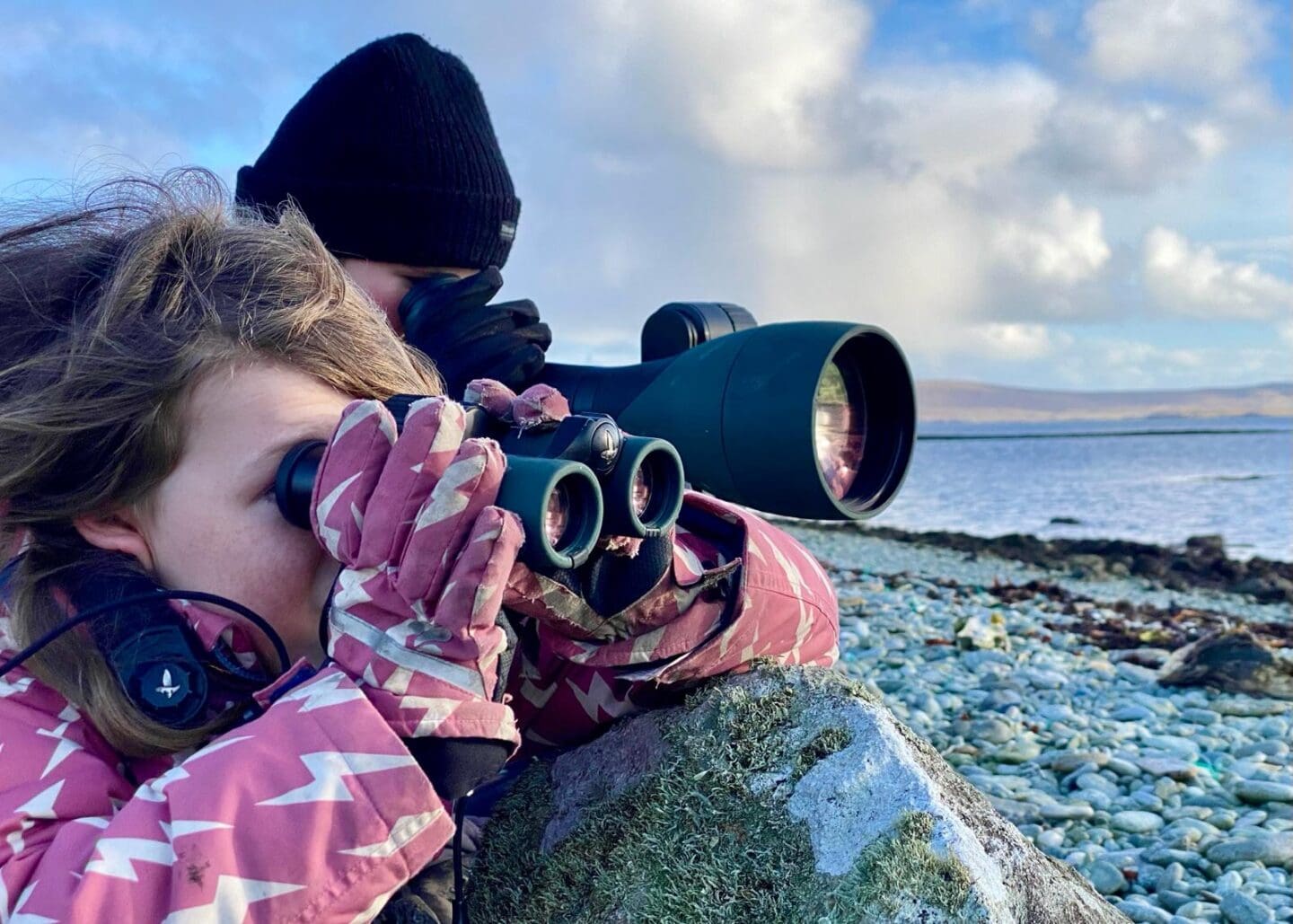
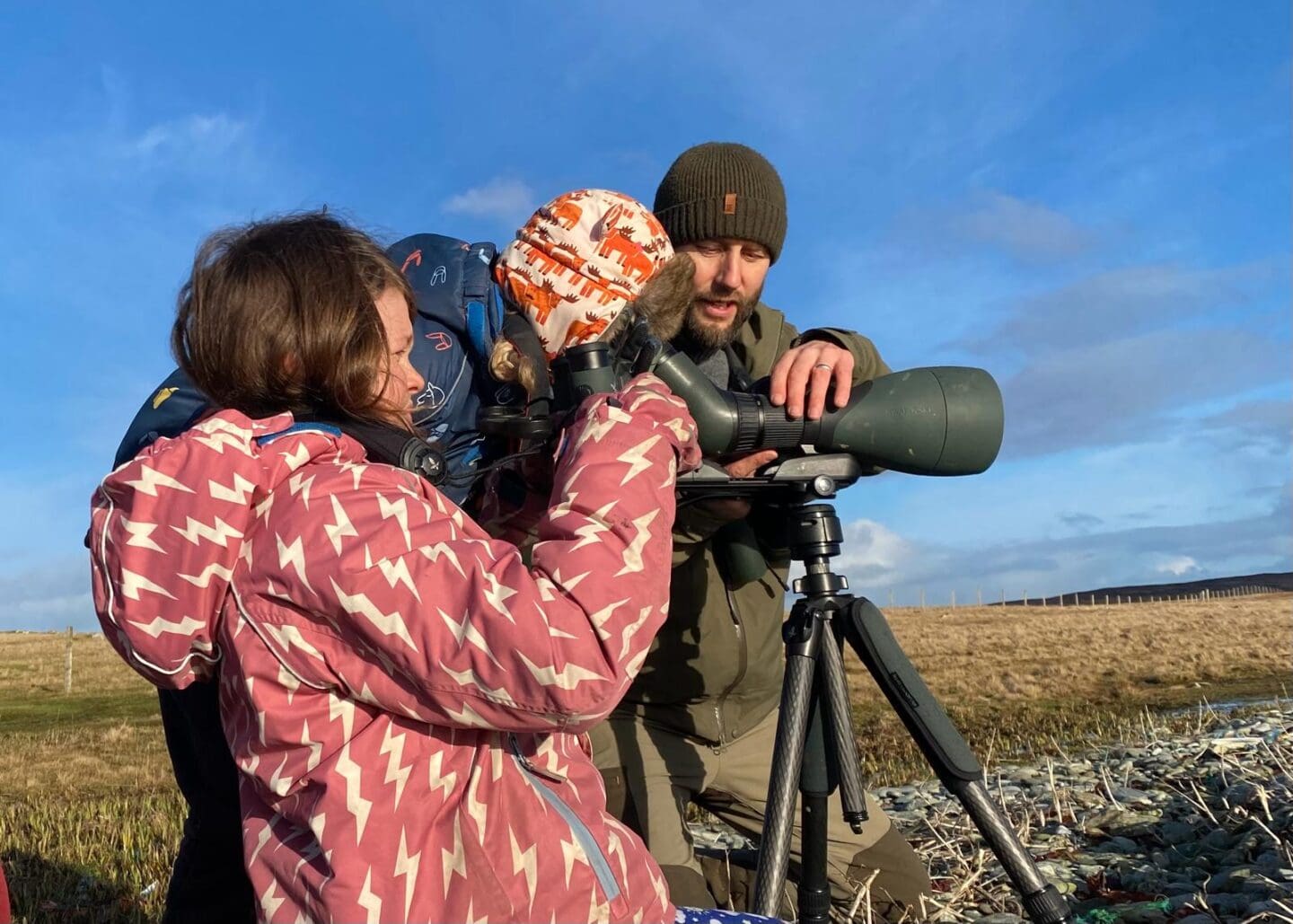

Another popular option is a wildlife tour. As we were staying on the island of Unst we spent the day with another guide, Brydon Thomason. Brydon founded Shetland Nature, a collaboration of wildlife tour guides on Shetland. As it was winter during our visit we mostly aimed to look for otters and we were in luck! We spotted a total of 12 otters in one day on the Island of Unst! Truly an otters paradise, if you know where to look.
Up Helly Aa
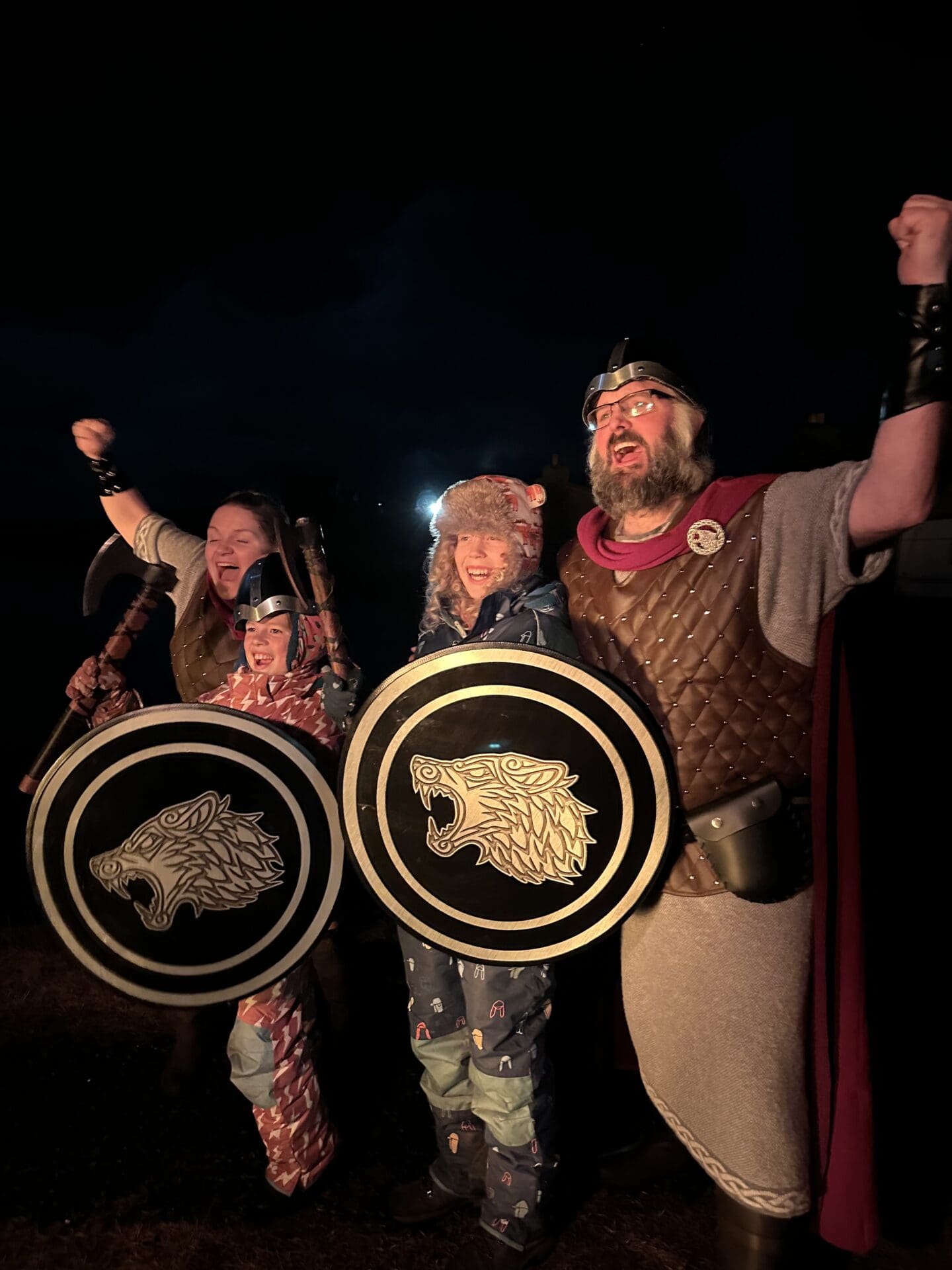
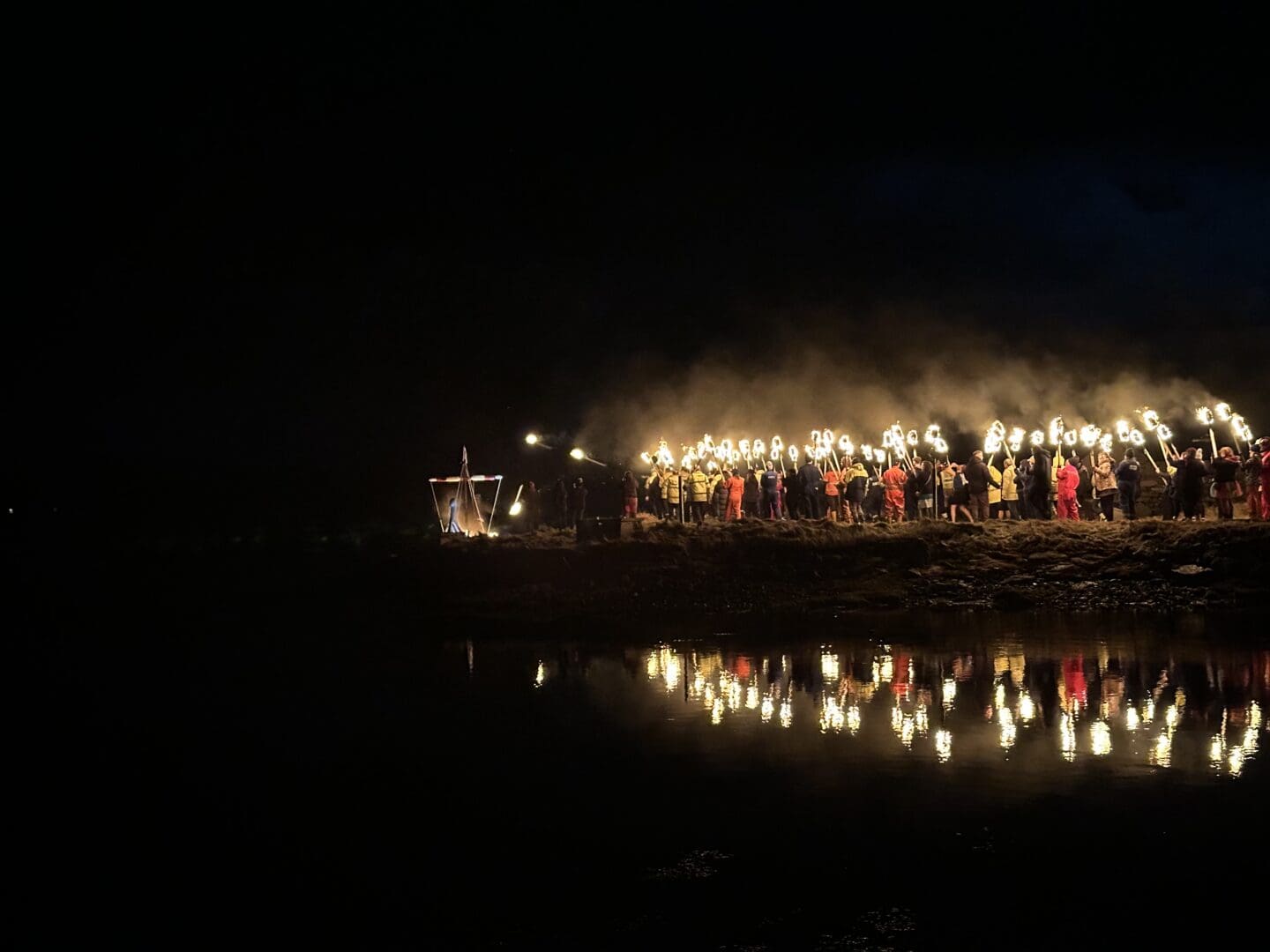
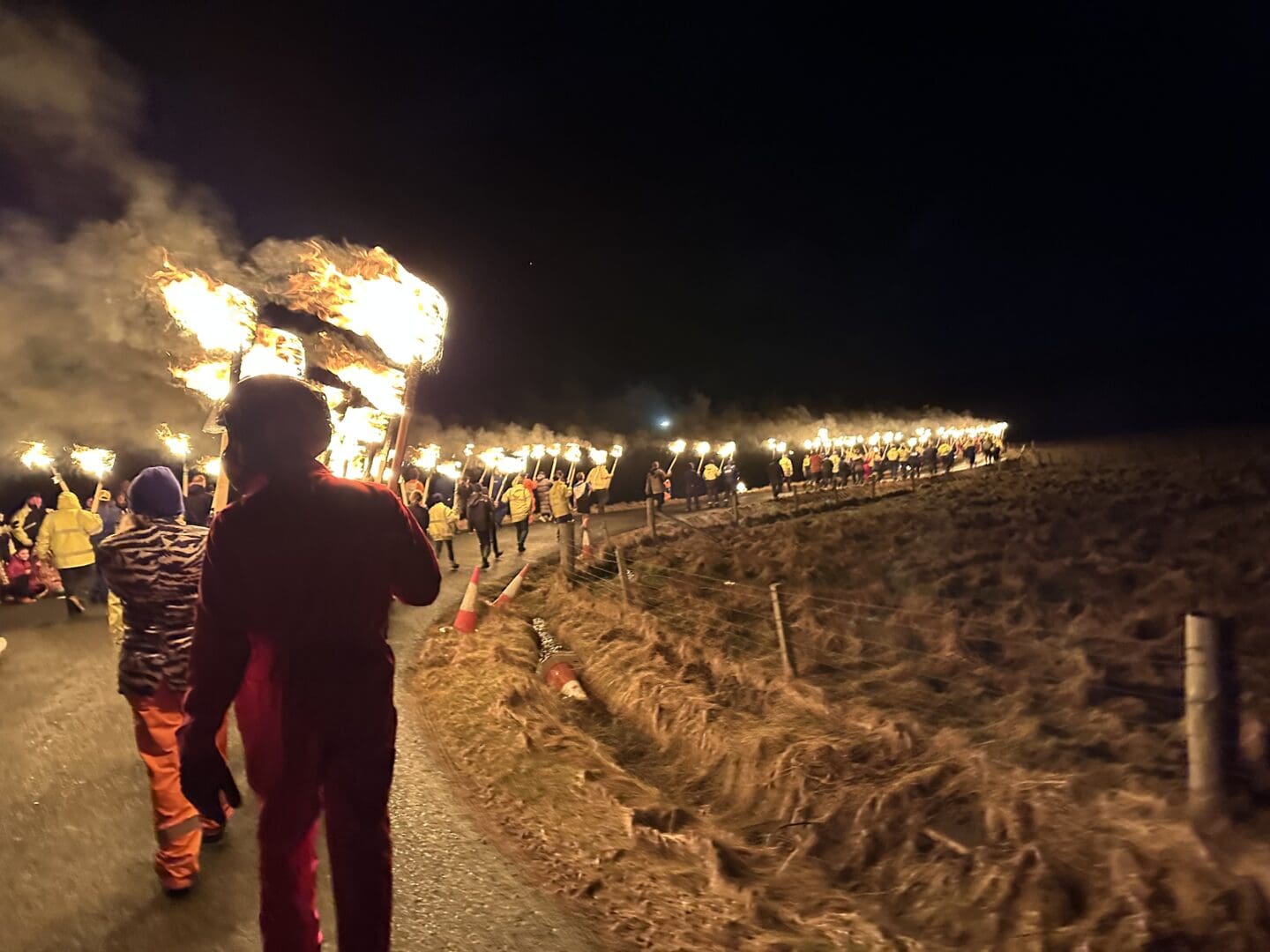
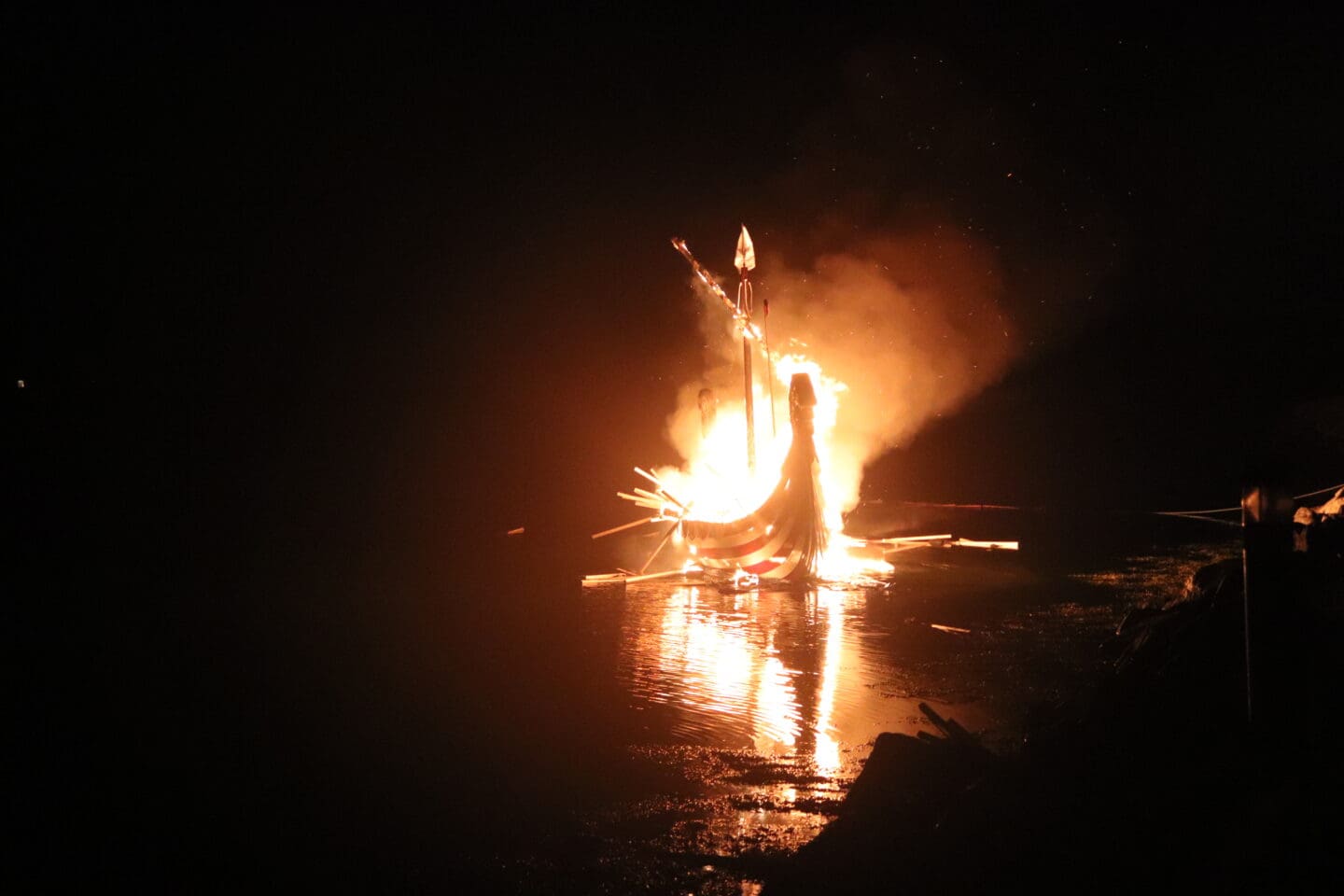
There are 11 different Up Helly Aa fire festivals across the Shetland Islands each year. The largest is in Lerwick, but it’s not the easiest one to get close to the action. So many people visit specifically for the Lerwick Up Helly Aa, that you don’t get a close look. However, there are lots of other smaller country fire festivals that are perfect for getting a real feel of community spirit.
The children and I visited both Cullivoe and Norwick Up Helly Aa. Each were different in their own ways, but both were awesome spectacles. They are fantastic for kids to visit, as they will be able to see the entire event. If you can get tickets for the hall too, you can enjoy an evening of skits, food and dancing!



Here Are All My Guides To Visiting The Scottish Islands!
- Shetland Islands – The most Northernly islands in Scotland, but so much to see!
- Orkney Islands – Beautiful islands filled with history and wildlife.
- Isle of Skye – Popular with tourists, great to visit in the quieter shoulder season.
- Isle of Tiree – Popular for Watersports, it has plenty of beaches and hikes.
- Isle of Mull – Rugged island with amazing wildlife, beaches and hikes.
- Isle of Iona – Famous for St Columba, it has fab beaches and hikes.
- Isle of Islay – Often referred to as the whisky island, it also has fab wildlife.
- Isle of Gigha – A small island, but so much to offer, beaches, trails and views.
- Isle of Bute – Great island close to mainland, don’t miss Mount Stuart!
- Isle of Kerrera – A small island with excellent tea room, great for a day trip from Oban.
- Inchcolm Island – Tiny island in the Firth of Forth, great day trip from Edinburgh.
Other Great Destinations In Scotland


Pin Guide To Travel In The Shetland Islands
