Disclosure: This is paid post about Dunfermline, Scotland on behalf of Welcome To Fife
Table of Contents
Is Dunfermline, Scotland Worth Visiting?
Yes! Dunfermline may not be the first place you think of visiting in Fife. Hello there St Andrews – hogging all the tourists! But Dunfermline is THE only city in Fife! It has so much to offer tourists, first and foremost it’s Scotland’s ancient capital city. It’s where many king’s and queens of Scotland were born and buried. It’s also Scotland’s newest city, after being appointed city status as part of Queen Elizabeth II’s diamond jubilee celebrations.
There are many beautiful areas of Dunfermline to visit, with great walks, activities and fantastic eateries. As Dunfermline is just across the water from Edinburgh, it’s also easy to visit when you’re in the capital. So if you’ve not visited Dunfermline in Scotland and the surrounding area then I highly recommend reading on to find out why you should visit for a city break!
Why Visit Dunfermline, Scotland?
Dunfermline has a lot to offer for a short city break and here are just a few of the gems you will find in and around this new city.
Heritage Quarter of Dunfermline, Scotland
The place to start your visit to Dunfermline HAS to be the heritage quarter around Dunfermline Abbey. There is plenty of parking available nearby and you can use your phone to pay via the RingGo App. It’s easy to spend a whole day exploring the history and admiring the architecture here. So don’t make plans for the afternoon! If you have some time left to spare before dinner I’d recommend a walk through the pretty Pittencrieff Park with it’s signature peacocks strolling around.
When we visited the buildings in this section had a children’s trail via the HQ ExplorersPast-Port. However, trails are normally only available during school holidays. So if you are looking for something else for kids there is also an online version of the HQ Explorers challenge, which can be completed online or using printables.
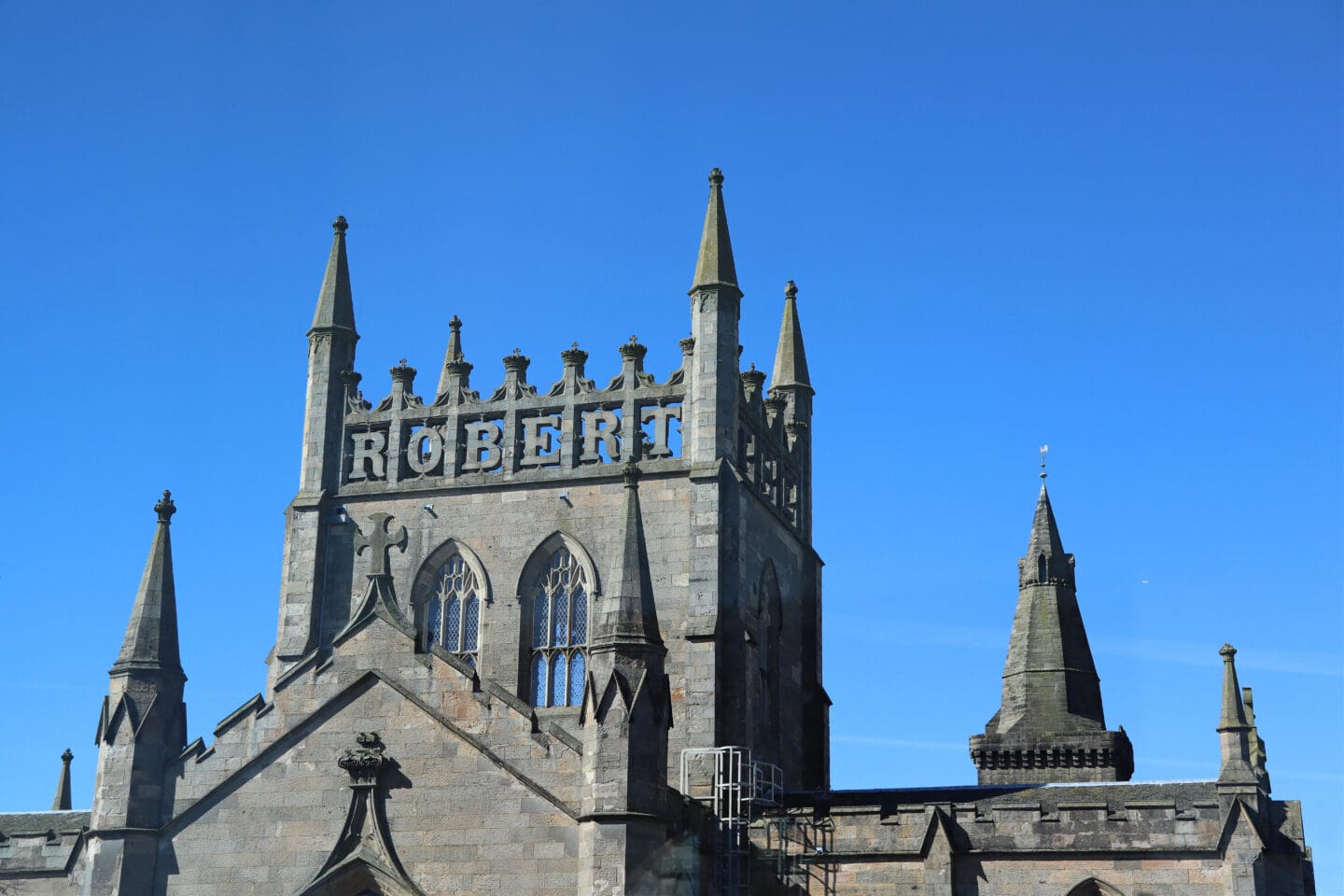
Dunfermline Abbey and Palace
Dunfermline Abbey is the best place to start. Exploring the vast cavernous abbey with its intricate details in the stonework and beautiful stained glass windows. You can spot the location of the older abbey below by tracing the slabs with a slightly different colouring.
St Margaret, wife of King Malcolm III, founded a priory on the site of Dunfermline Abbey in the 11th Century. St Margaret is also the Queen who began the ferry across the Forth to take pilgrims to St Andrews. Which is why there are towns named North and South ‘Queensferry’. Margaret and Malcolm’s son David I then brought stonemasons in to turn the priory into an abbey. It is assumed that the stonemasons are the same as those who built Durham Cathedral, due to the similarities.
The abbey is now the mausoleum for St Margaret, David I and Robert the I. When work was undertaken in the church in the 1800’s the skeleton of Robert I (Robert the Bruce) was found where the alter now stands. His heart was buried at Melrose Abbey, but the rest of his body at Dunfermline. A recreation of his tomb and the plaster cast of his skeleton can be seen in the church. There is a great exhibition telling you more about his tomb. Look up when you go outside the abbey to look at the tower. You can read ‘King Robert The Bruce’ on the four sides of the tower! This is best seen from The windows of the Carnegie Library and Galleries across the churchyard.


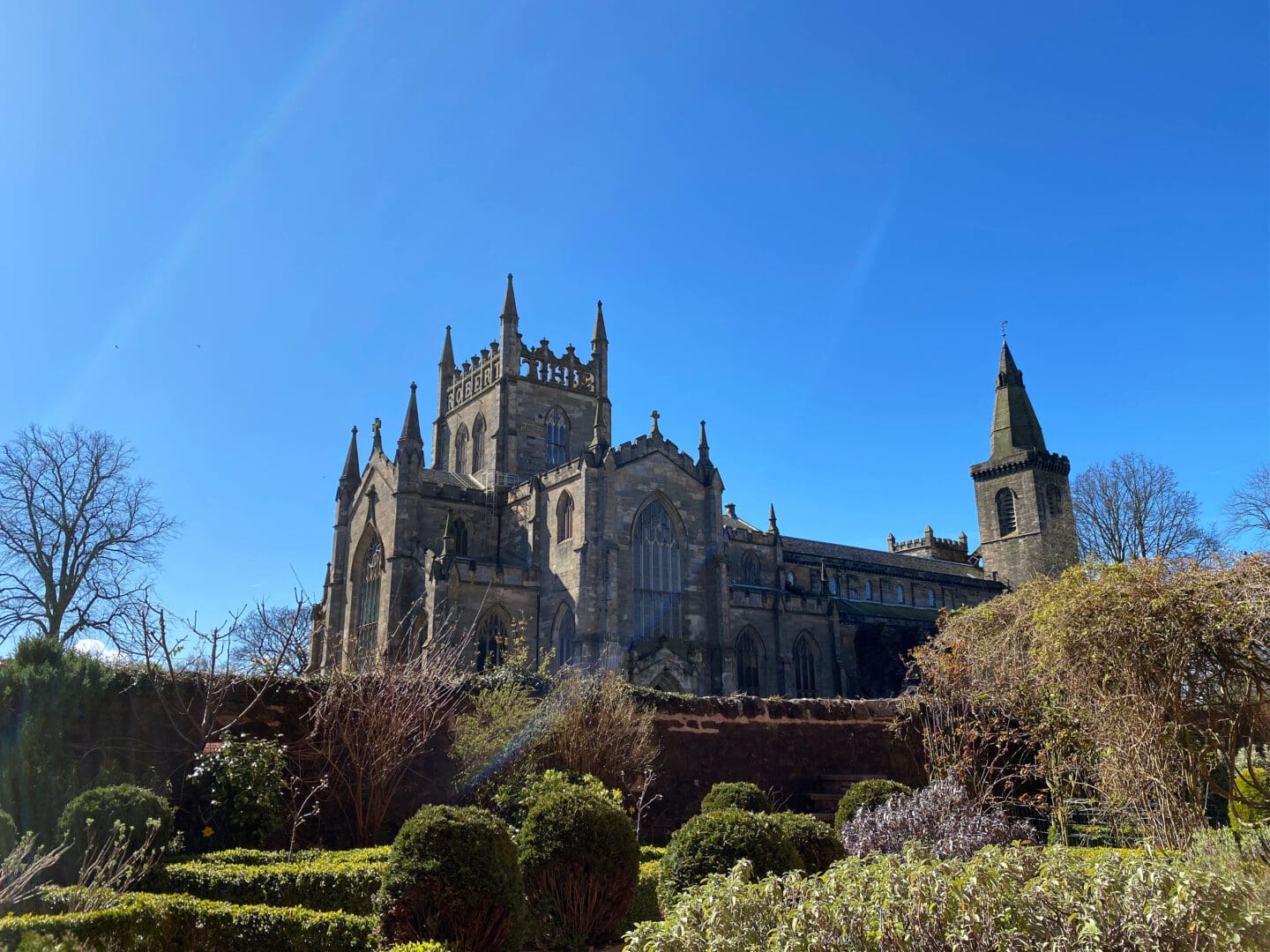
Dunfermline Palace
Beside the Abbey is Dunfermline Palace, which was closed for maintenance during or visit. However, it should hopefully re-open later in 2023 or 2024. The palace likely housed royalty from its beginning, however written records confirm that James VI’s wife Anna of Denmark made the palace her pEros all residence. Her son Charles I (born in Dunfermline Palace) was the last king to be born in Scotland. After this royalty moved down to London.
Dunfermline Carnegie Library and Galleries
Opposite the abbey is the newer building of Dunfermline Carnegie Library and Galleries. It might be a new building, however it is a fantastic place to explore more of the areas exciting history and culture.
This library and galleries are named after the famous Dunfermline born Andrew Carnegie. You will find many references to him in Dunfermline and can find out more at the Andre Carnegie birthplace museum. The library has some amazing views across the heritage quarter via its gigantic windows on the upper floors. There is also an exhibition gallery with changing exhibitions throughout the year.
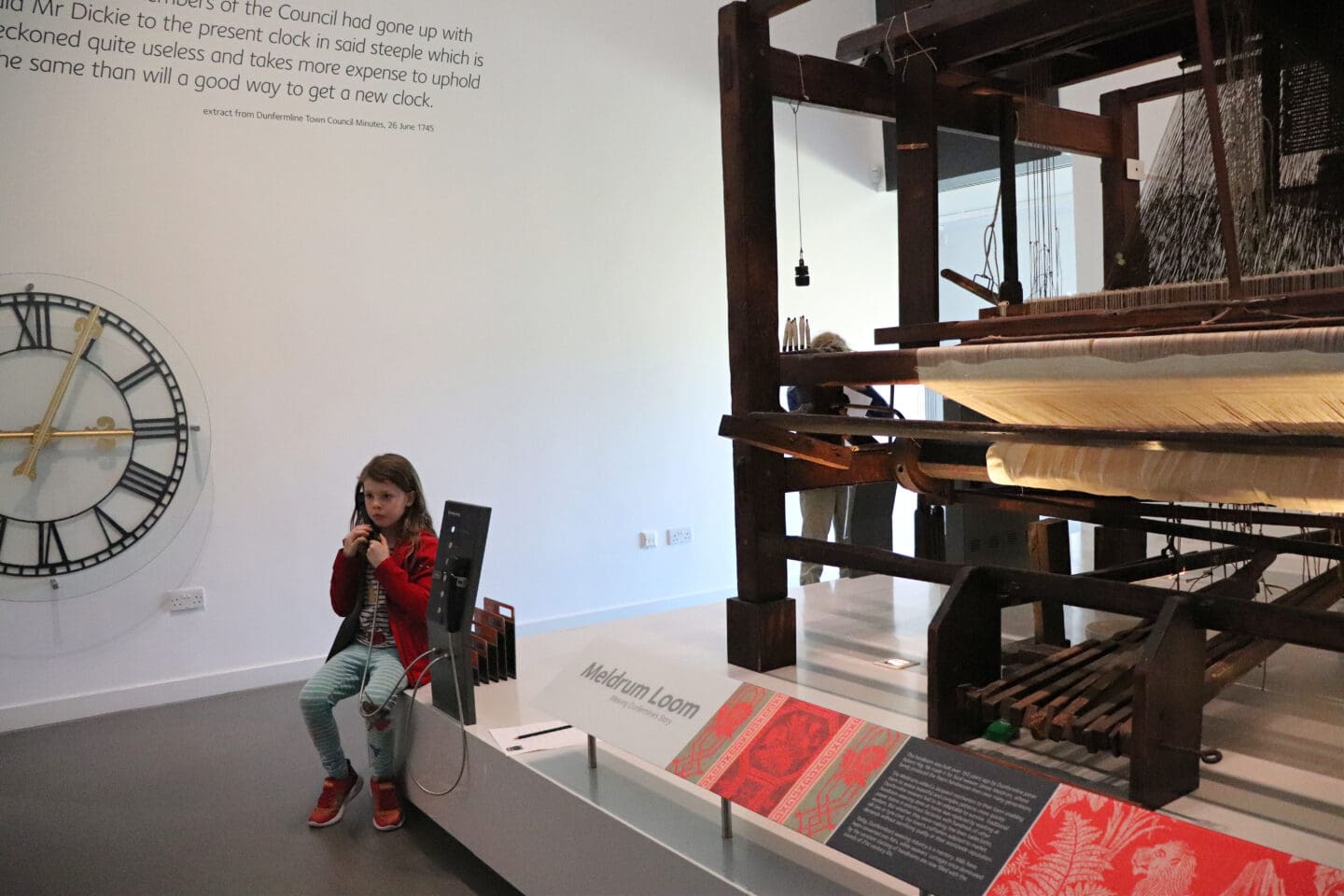

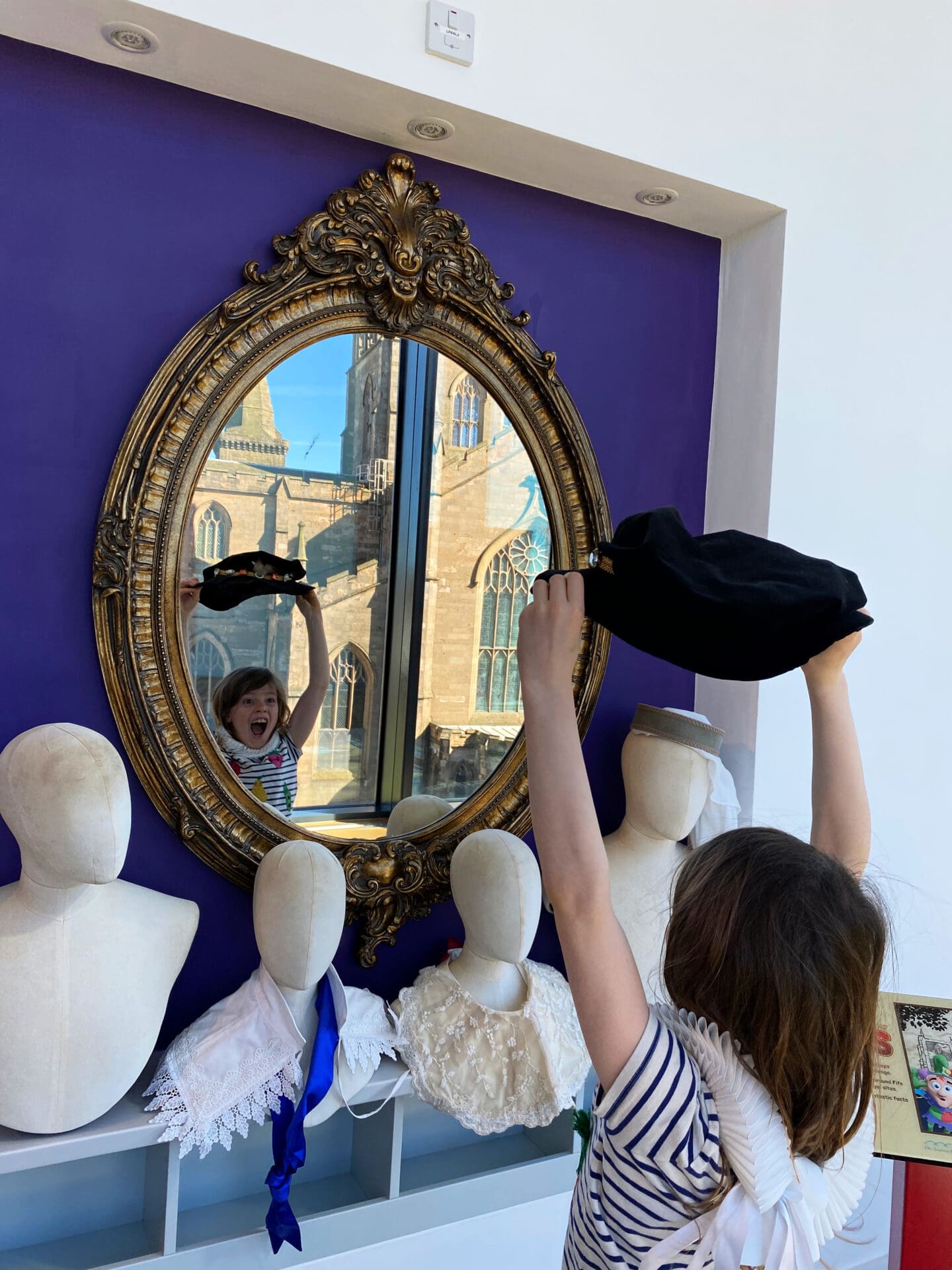
However, our main reason for visiting is to see the museum. The museum is located in the upper floors of the building, above the Granary Cafe. They tell the story of Dunfermline’s history. From the King’s and Queen’s who once lived here, the Great Fire of Dunfermline and the various plagues that killed inhabitants. All the way through to the thriving weaving industry and the building of the Forth Railway Bridge. We spent a long time exploring the museum, completing a children’s trail and trying out all the interactive exhibits. There is plenty to keep both children and adults interested. I honestly had no idea of Dunfermline’s incredible history until immersing ourselves in this museum!
Abbot House
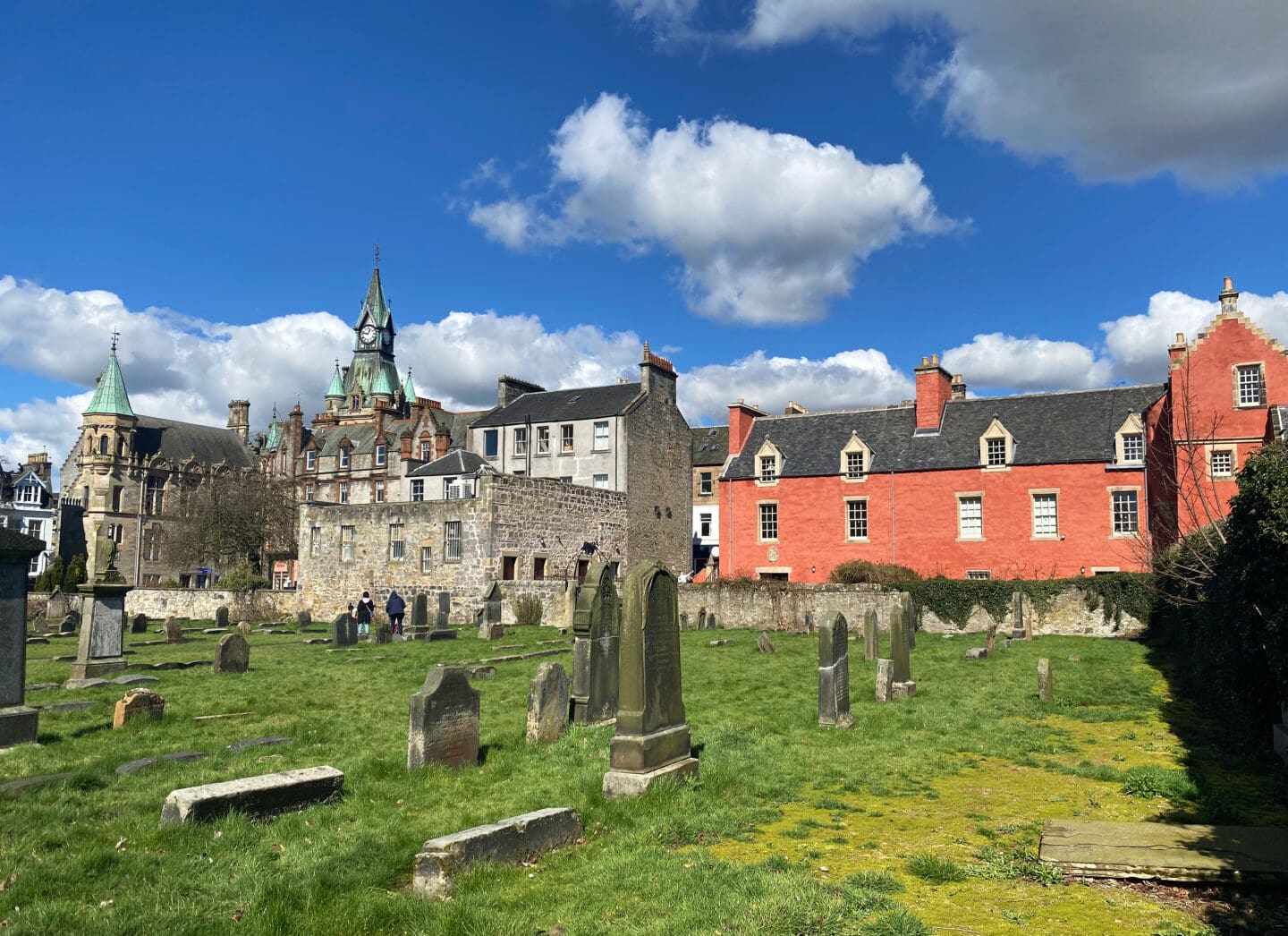
From the museum in the library and galleries you will notice a beautiful old building painted a peach colour, Abbot House. This is one of the oldest houses in Dunfermline and is a survivor of the Great Fire of Dunfermline. It’s also home to a delightful cafe on the ground floor with seating in the gardens, a gift shop, book nook and Go Escape Rooms.
We didn’t have time to explore Abbot House fully, however we did stop for lunch in the gardens. BLEND Coffee serves soup and sandwiches alongside cakes and coffee. It’s a fantastic place to sit on a sunny day. I can also confirm that the food is delicious!
Andrew Carnegie Birthplace Museum
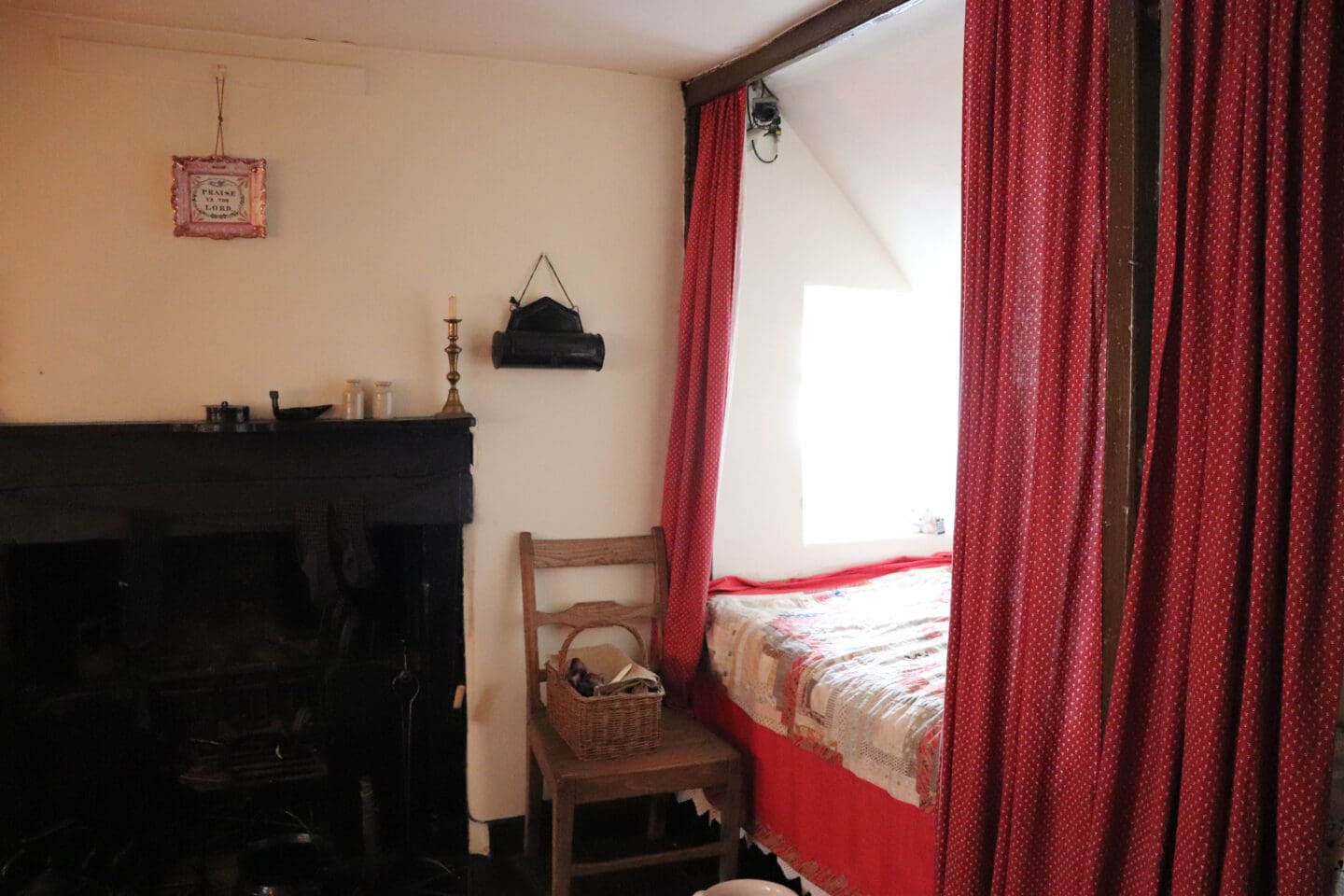
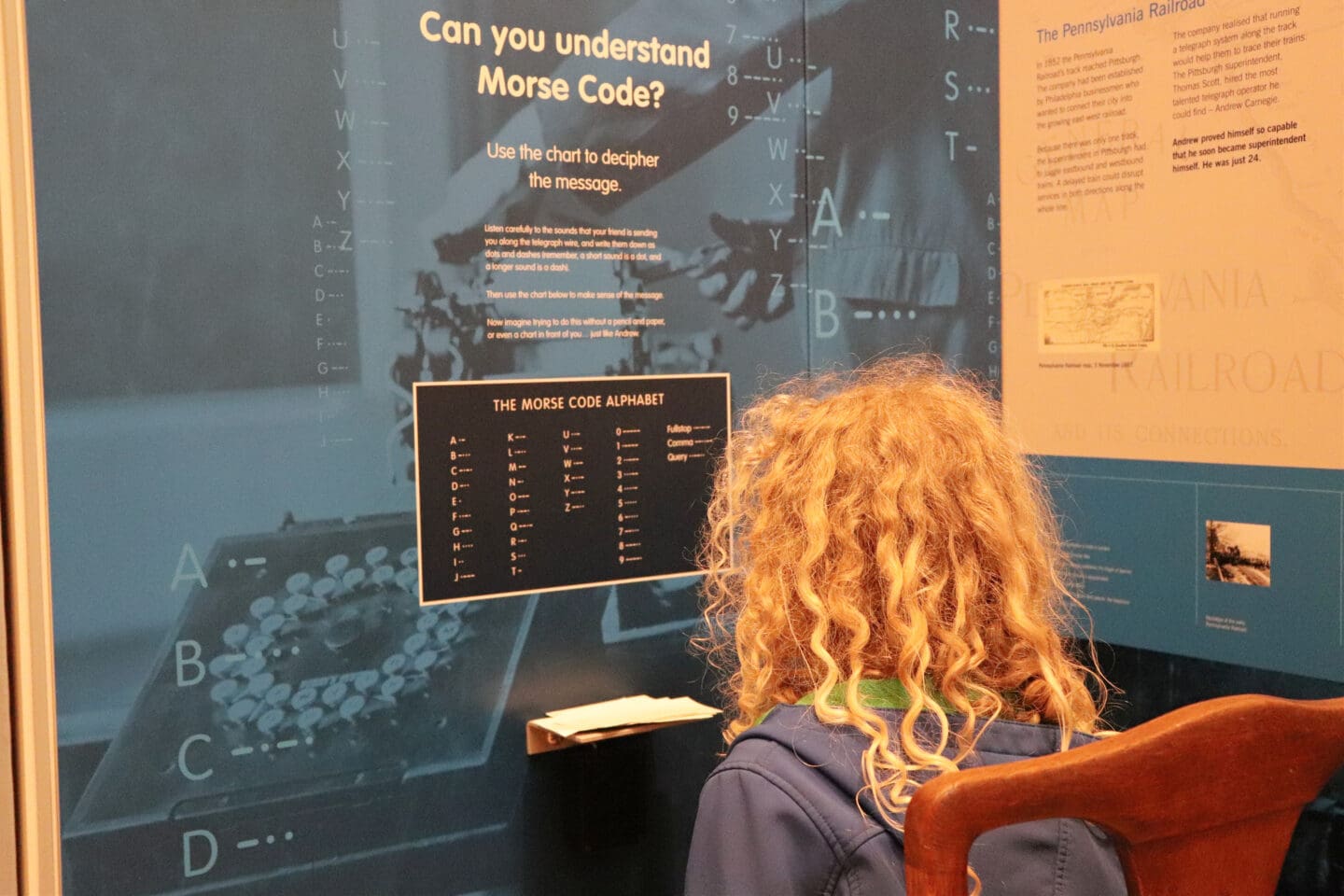


The final location to visit in the Heritage Quarter is the Andrew Carnegie Birthplace Museum. The museum is absolutely jam-packed with information about Andrew Carnegie. If you have any questions or help then you will find that the staff have are brilliant. Their knowledge is fantastic and well worth a good chat about Carnegie!
Carnegie’s Birthplace
You begin your exploration of the museum in the house where Andrew Carnegie was born and spent most of his childhood. He grew up in a relatively poor household where everyone lived in one room. You can look around the house and see just how it may have looked in Andrew’s time. With box beds and the hearth used for cooking and heating. The room opposite was used by another family. Downstairs you can see a large weaving loom that would have been similar to the one Andrew’s father would have used. The Carnegie’s rented the 2 rooms downstairs for weaving and creating Damask linen.
When Andrew Carnegie was around 12 his family sold all their furniture and looms to buy tickets to move to the USA. You can find out more about this difficult move and try on some of the clothing that may have been worn at this time.
Carnegie’s Life In The USA
Downstairs are plenty of kids activities, an area for toddlers to play in and a large hall about Andrew’s life in the USA. Andrew Carnegie was basically in the right place at the right time when he began to make his fortune. He was also extremely bright which helped propel him to success! He learnt the entire morse code alphabet by heart, making it easy for him to receive messages quickly. This led to his first step up, getting noticed by an administrator and becoming his personal telegraph operator. In the museum you can test out your own morse code skills by using the devices and paper to send telegraph messages. The kids spent a long time doing this!
Walk around the hall and investigate the different areas of Carnegie’s life. There are interactive areas for kids and lots of information to take in!
From here Carnegie went on to work for the Pennsylvania Railroad Company and began to invest money in steel and oil ventures. This led to the beginnings of his fortune and the development of his own railroad companies. When wooden railroad bridges were collapsing, Carnegie offered his companies services to build them new bridges from iron and later steel.
Carnegie’s Legacy
However, it wasn’t just his plan to become rich through the industrialisation of the USA. He also chose to give back plenty of his money to invest in educational institutions and libraries amongst other places. He believed that the rich should help further other peoples education and give back to their communities. Because of his generosity he was given the key to may cities throughout the UK and USA. As a thank you for all his investments.
In his later days Carnegie also spent time trying to aid world peace. He spent a lot of time trying to help stop war happening and promoting peace. There is still an Endowment Fund in place that helps to continue this legacy.
Knockhill Racecourse – Dunfermline, Scotland

Knockhill racecourse has nothing to do with history, however it is somewhere that is lot of fun to visit! It was developed in the 1970’s as way of diversifying from a sheep farm and over time the main race course has been used for a variety of motor vehicle championships!
However, you are also able to visit to have a bit of action yourself. Booking an experience day to try karting around their karting track. This is a fantastic way to keep the whole family happy on a trip to Dunfermline. It’s just a short drive outside Dunfermline itself, with great views across to the Forth Bridges.
You can also choose from other experience days for adults, including rally driving and super cars! Teenagers can also have some lessons to introduce them to driving in a safe place.
Royal Burgh of Culross – Dunfermline, Scotland
Only a 20 minute drive from Dunfermline is the beautiful Royal Burgh of Culross. There’s a large free parking area in the village, just don’t drive down the hill behind Culross. The roads are tiny behind Culross and you can easily get stuck! Ignore SatNav and stick to the larger coastal roads instead.
Culross Palace stands out in its yellow lime wash with views across the Firth of the Forth. But it’s not just the palace that makes this place special. It is a wonderful village to simply wander around and soak in the atmosphere. You can imagine it as a busy port town with people bustling around the cobbled streets and hiking up the narrow passageways.
Culross Palace
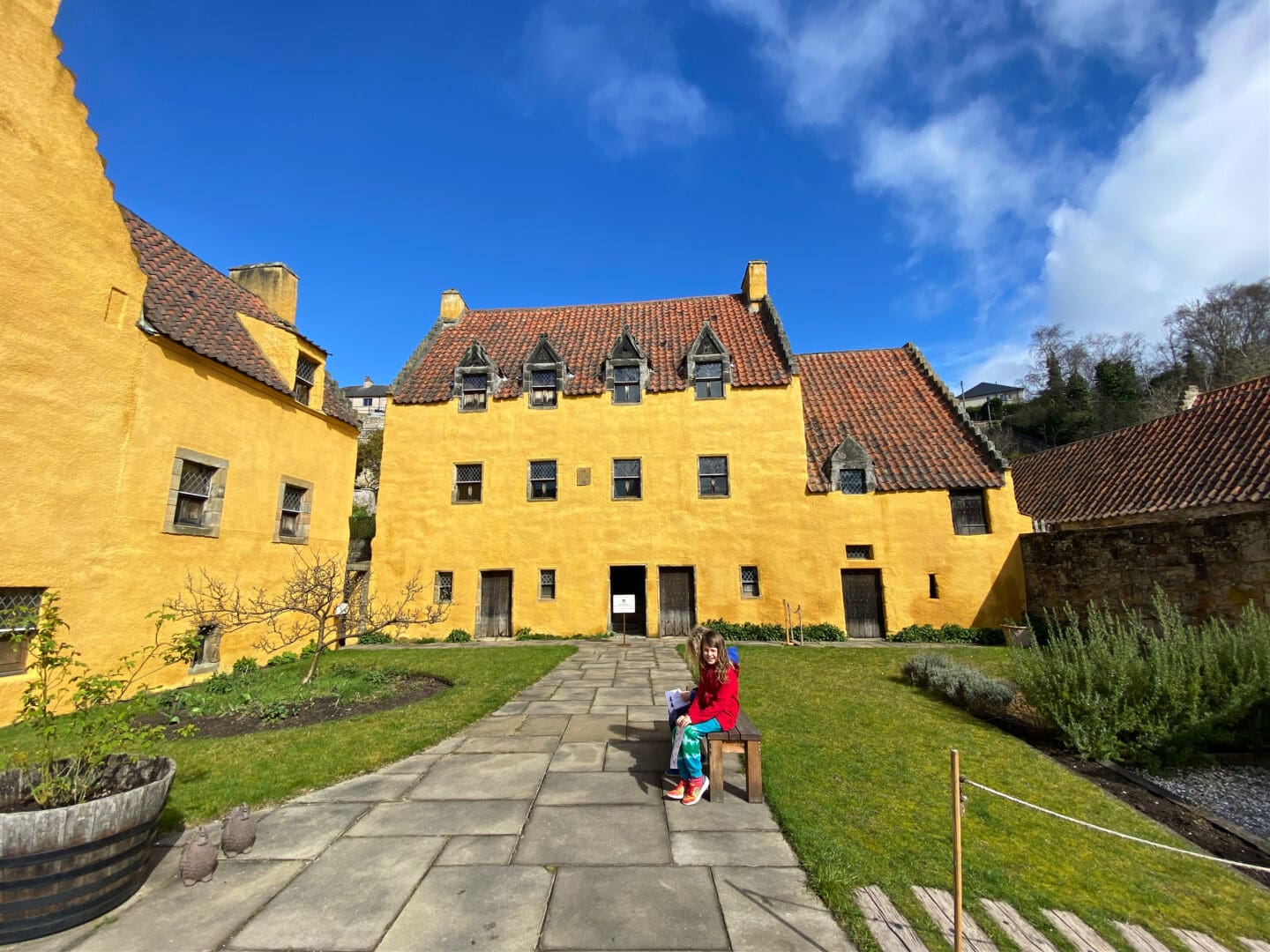
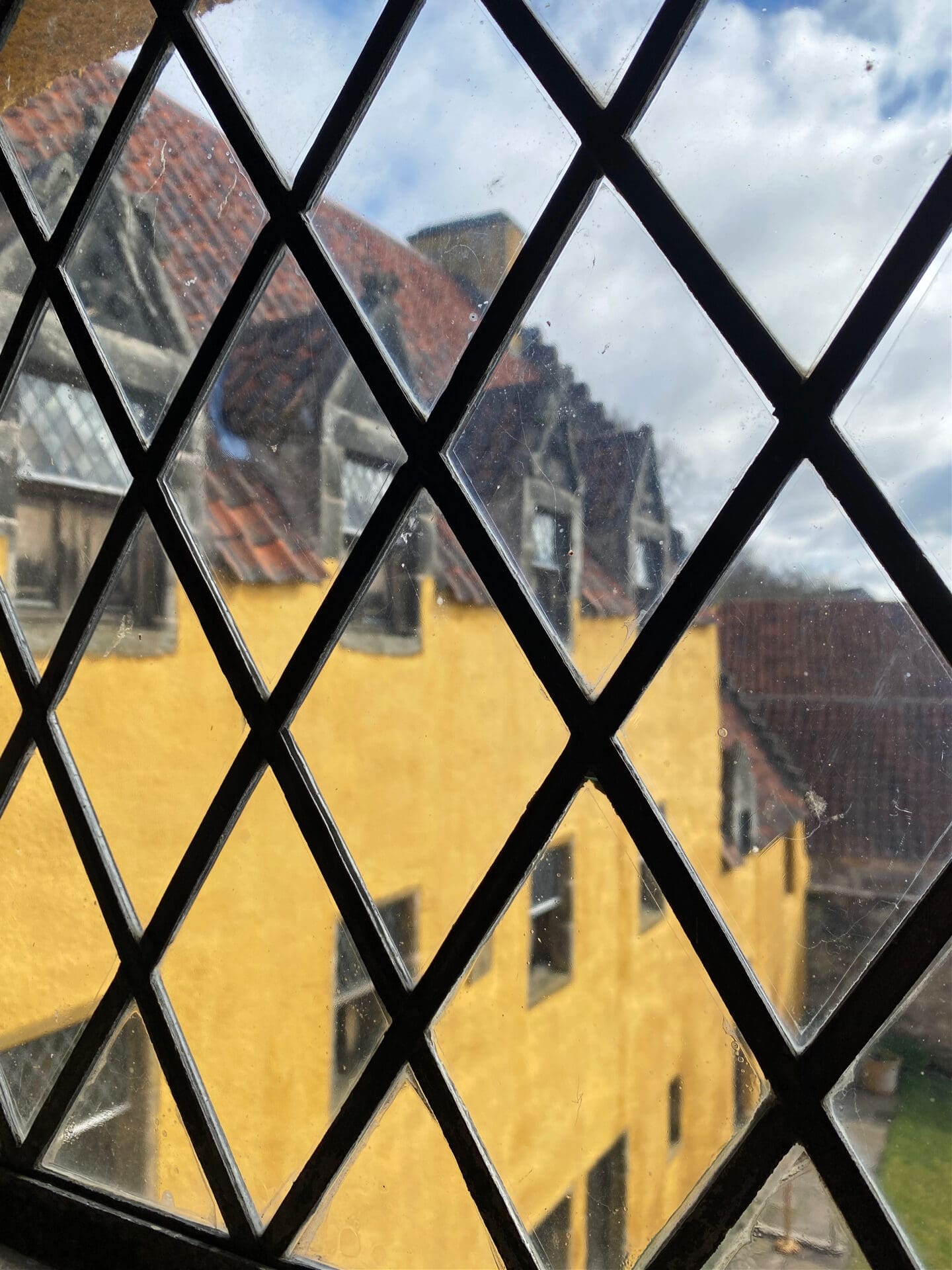

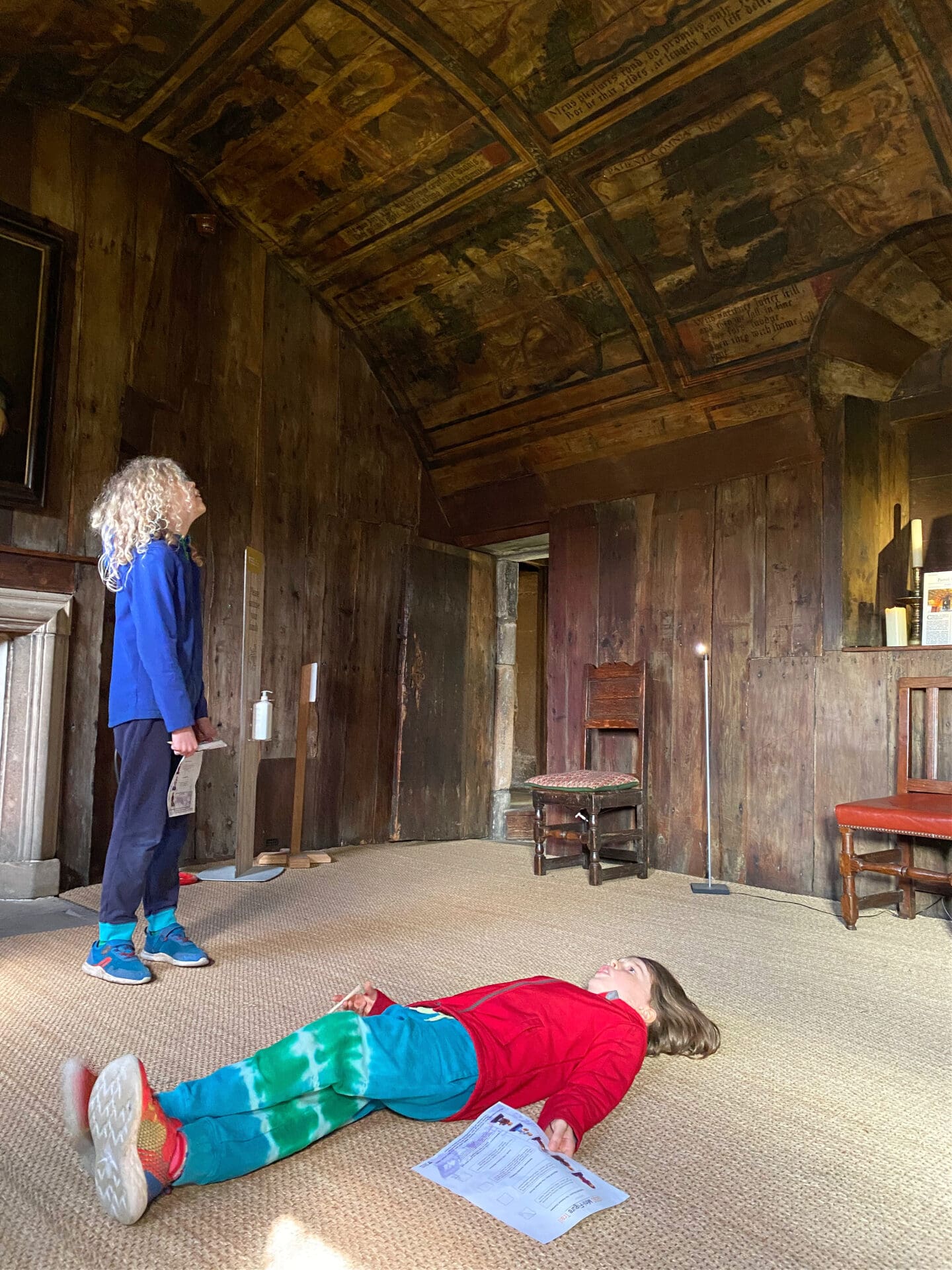
Many of the buildings in Culross are maintained by the National Trust For Scotland. Although most are rented for use by residences of Culross. However, you can visit the beautiful Culross Palace. This was the home of George Bruce, not royalty and so not actually a palace. Instead it was more of a mansion house, but is still called Culross Palace! George Bruce made his fortune through the coal and salt industries. He was said to be a fair employer paying his workers well and not letting younger children work in the mines. He was also the one who petitioned the king to turn Culross into a Royal Burgh. This meant they could trade with Europe and not just Scotland!
Inside you can either self guide yourselves around the palace or take one of the wonderful guided tours. We opted for self guided, but I actually wished we had taken a guide. They were very helpful with their knowledge when we asked questions afterward! Inside you will find various bedrooms used by George Bruce when he stayed he (it wasn’t his permanent residence) along with guest rooms for visitors. Don’t miss the witch marks above the fireplaces to keep those pesky witches out! You can also find a series of biblical science painted on the ceiling in one of the upstairs rooms. An interesting feature to looks at.
There are lots of quirky details that make it an interesting place to visit. From the red pan tiles on the roof. These were used as ballast in the ships returning empty from Europe, after unloading all their coal and salt. And also the stunning gardens outside that would have been just as well tended back then as they are now!
Forth Bridges Trail – Dunfermline, Scotland
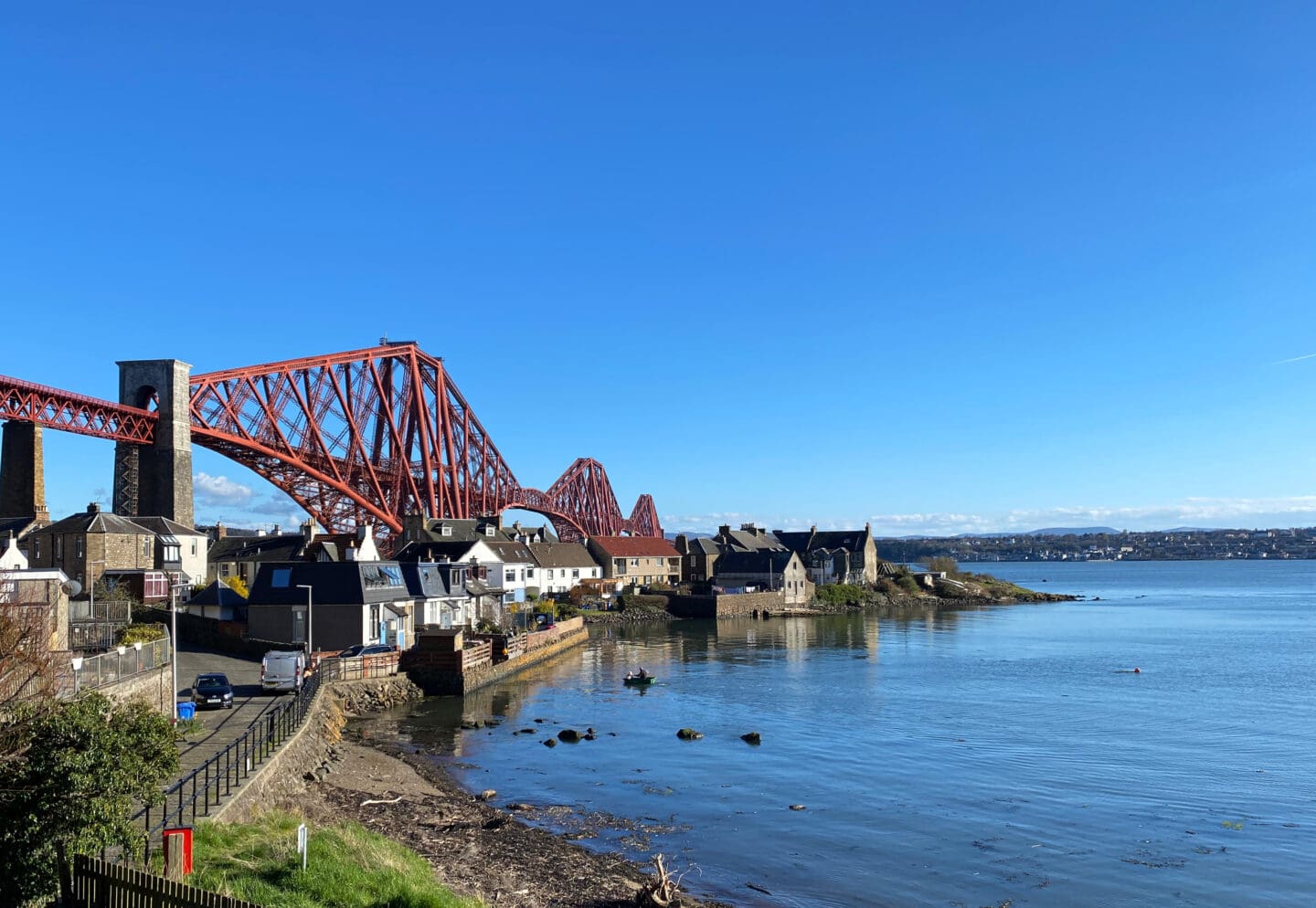
We do all sorts of walks with the kids, but usually they are in the countryside and away from cities. So walking along the Forth Road Bridge was not something we had previously thought about. However, with the bridges just being a short drive away at North Queensferry we had to visit to try out the Forth Bridges Trail.
The Forth Bridges trail is approximately 5 miles long and can be started at any point. There are plenty of stops with signs to tell you more about the wildlife, heritage and history of the area. Plus there are some pretty epic views of the bridges themselves! If you check the Forth Bridges website you can find images of the trail maps there to plan a route.
The Trail
We parked in the free car park at Battery Road in North Queensferry. From here we followed the stops through the town and up to the Forth Road Bridge. This is now only used by buses and taxi’s, so you don’t have too much traffic passing by. There are wide open pedestrian and cycle lanes to walk along on either side of the bridge. Only the East walkway was open when we visited, but normally you can walk on the other side too, giving good views across to the Forth Rail Bridge.

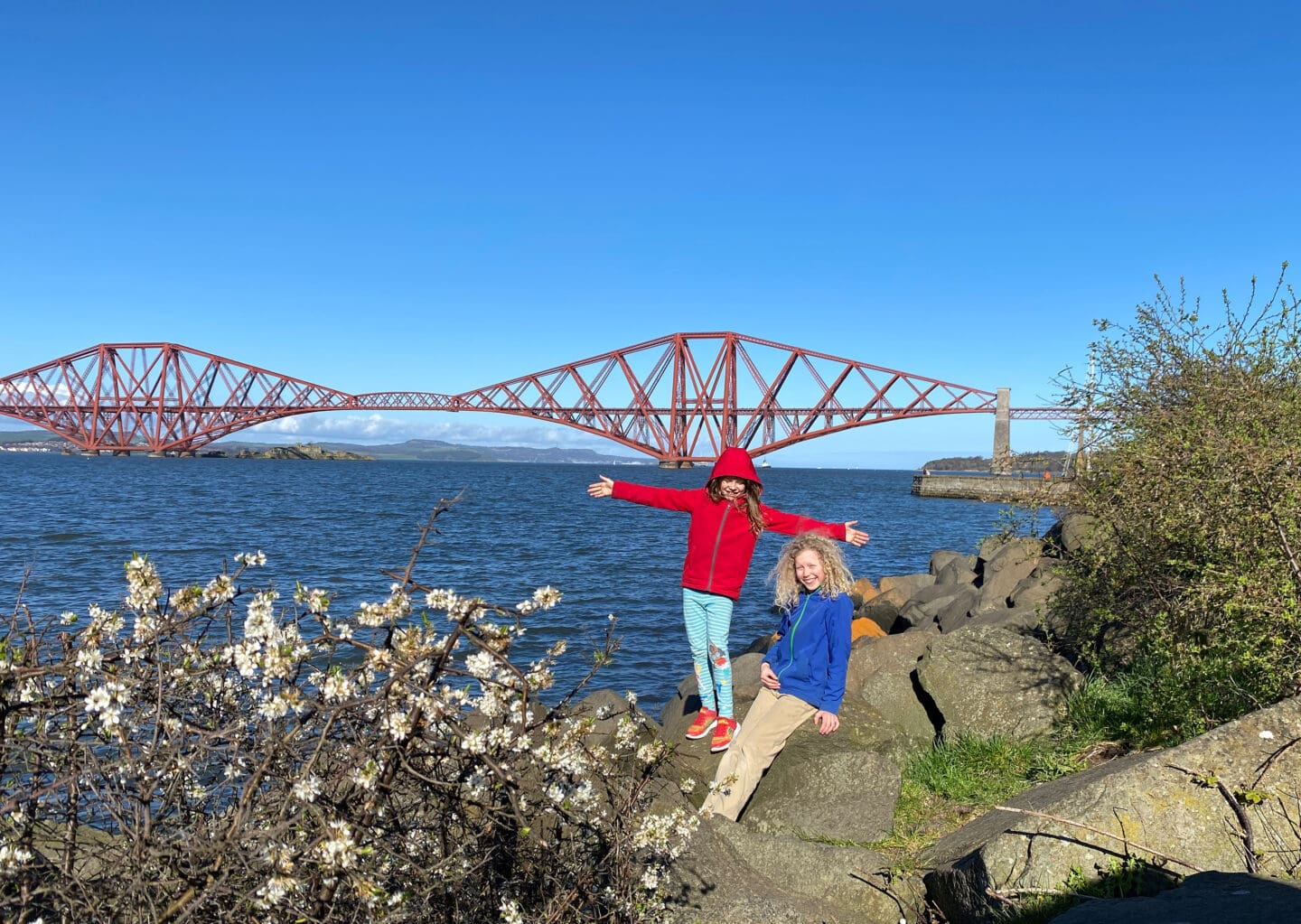

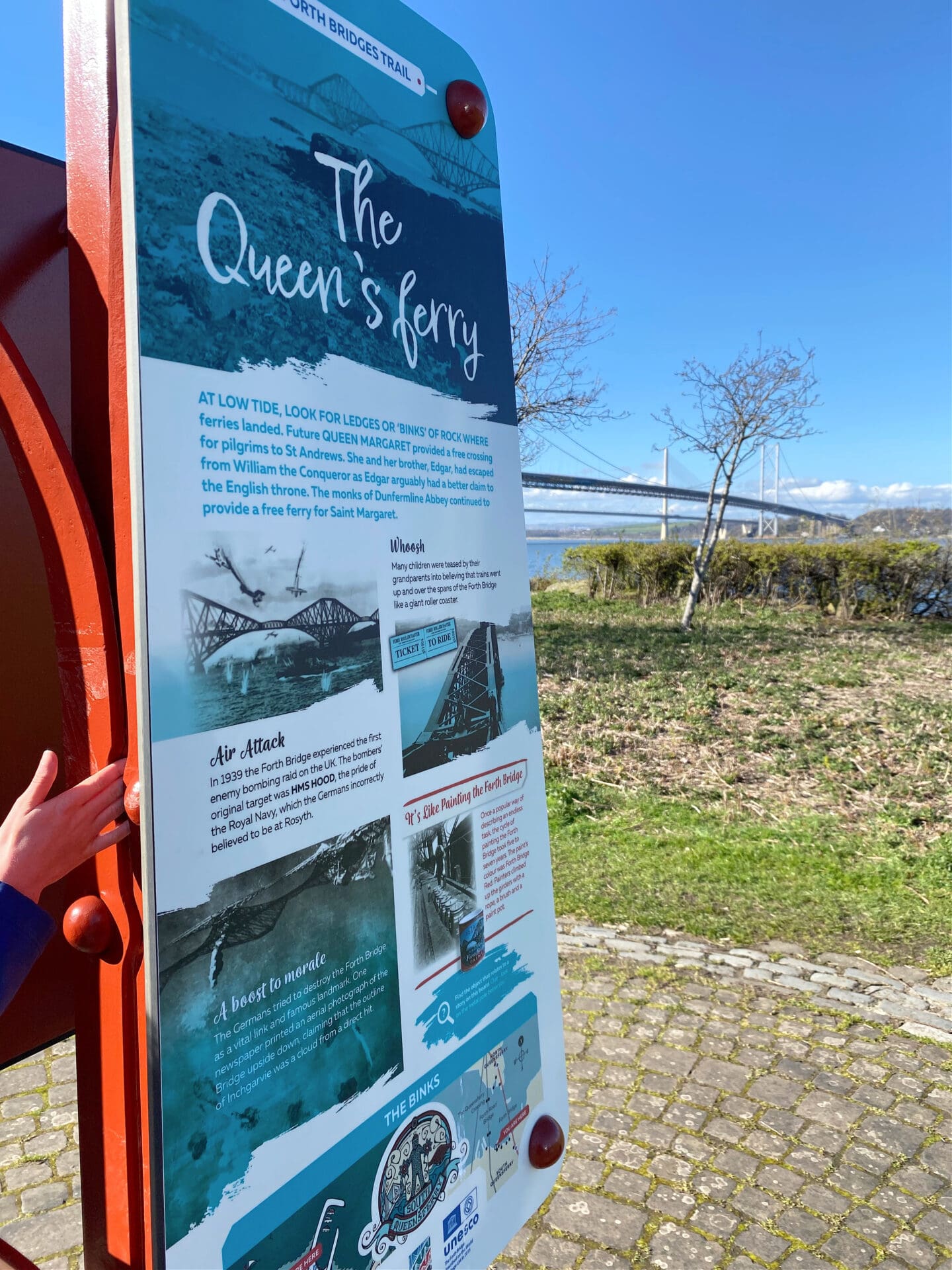

We stopped to read all the signs along our journey and were impressed with all the knowledge they contained. At the far end we wandered into South Queensferry to read a few more signs and find a toilet to use before heading back to the other side. We didn’t complete the entire route due to a lack of time. However, we have visited South Queensferry many times previously. It was more the bridges and North Queensferry that we wanted to visit on our walk.
If we did this again I would definitely take a bike. It never occurred to me that we could cycle along the route, but that would give us more time for some leisurely stops and lunch in South Queensferry!
Suggested Short Weekend Itinerary – Dunfermline, Scotland
Now you know everything there is to do in the city of Dunfermline, here is my suggested itinerary for a 3 day visit.
Day 1
Spend the morning exploring Culross Palace with lunch Bessie’s next door. The afternoon can be spent exploring the town of Culross before heading into Dunfermline for dinner.
Day 2
Start off the day in Dunfermline’s historic quarter and find out why its history is so important to Scotland. Lunch at Abbot house overlooking Dunfermline Abbey and then late afternoon at Knockhill karting. Back into Dunfermline for dinner and a rest!
Day 3
Spend the day exploring the Forth Bridges trail, with lunch in one of the numerous South Queensferry cafes. If you have time head out on a trip to Inchcolm Island, a fantastic island with historic significance in the Forth estuary.
Where To Stay and Eat
There are a variety of places to stay around Dunfermline, Scotland. We personally stayed at the Inn at Charleston on our trip. It’s a lovely country style hotel with views out across the Firth of Forth.

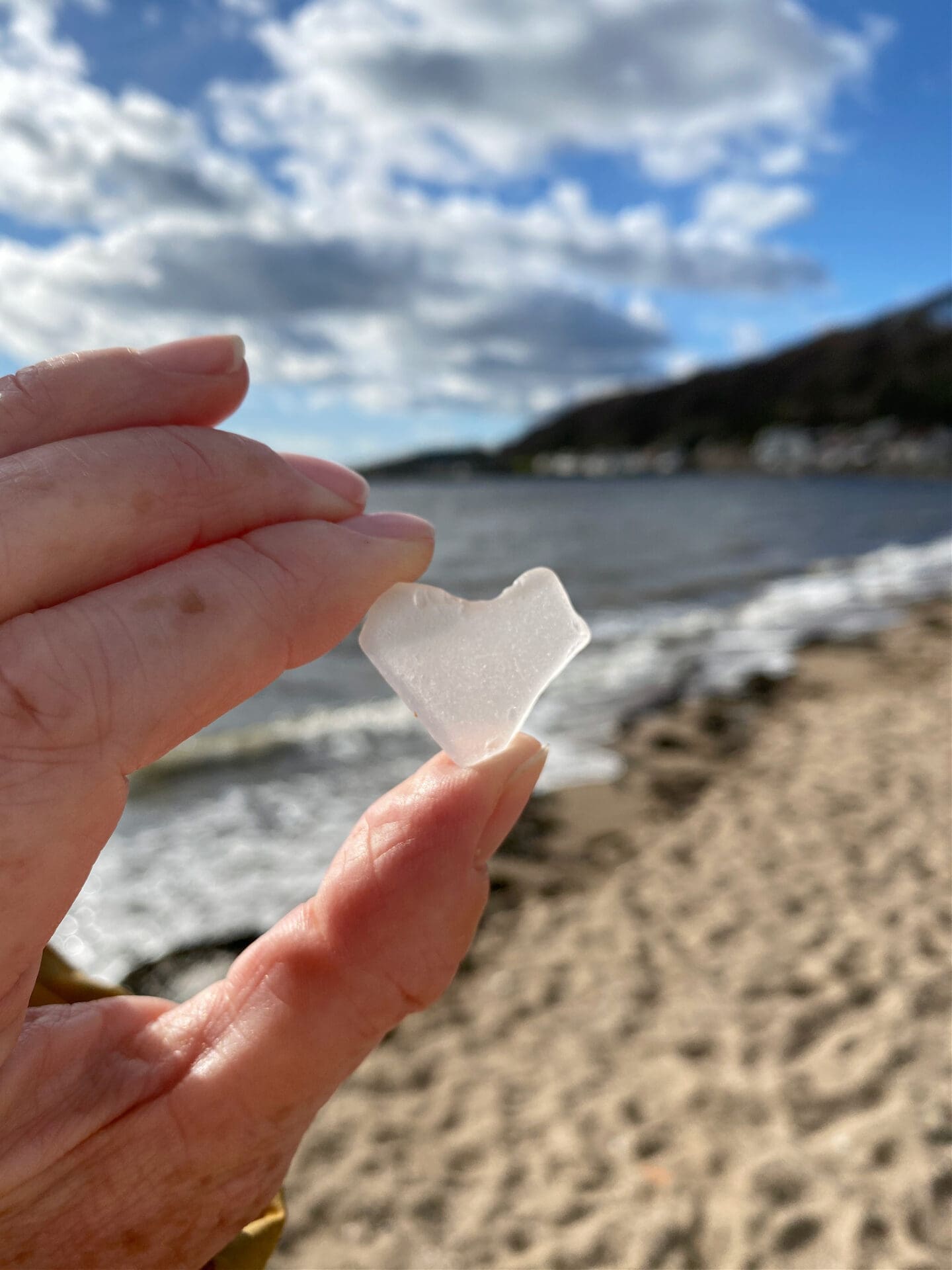
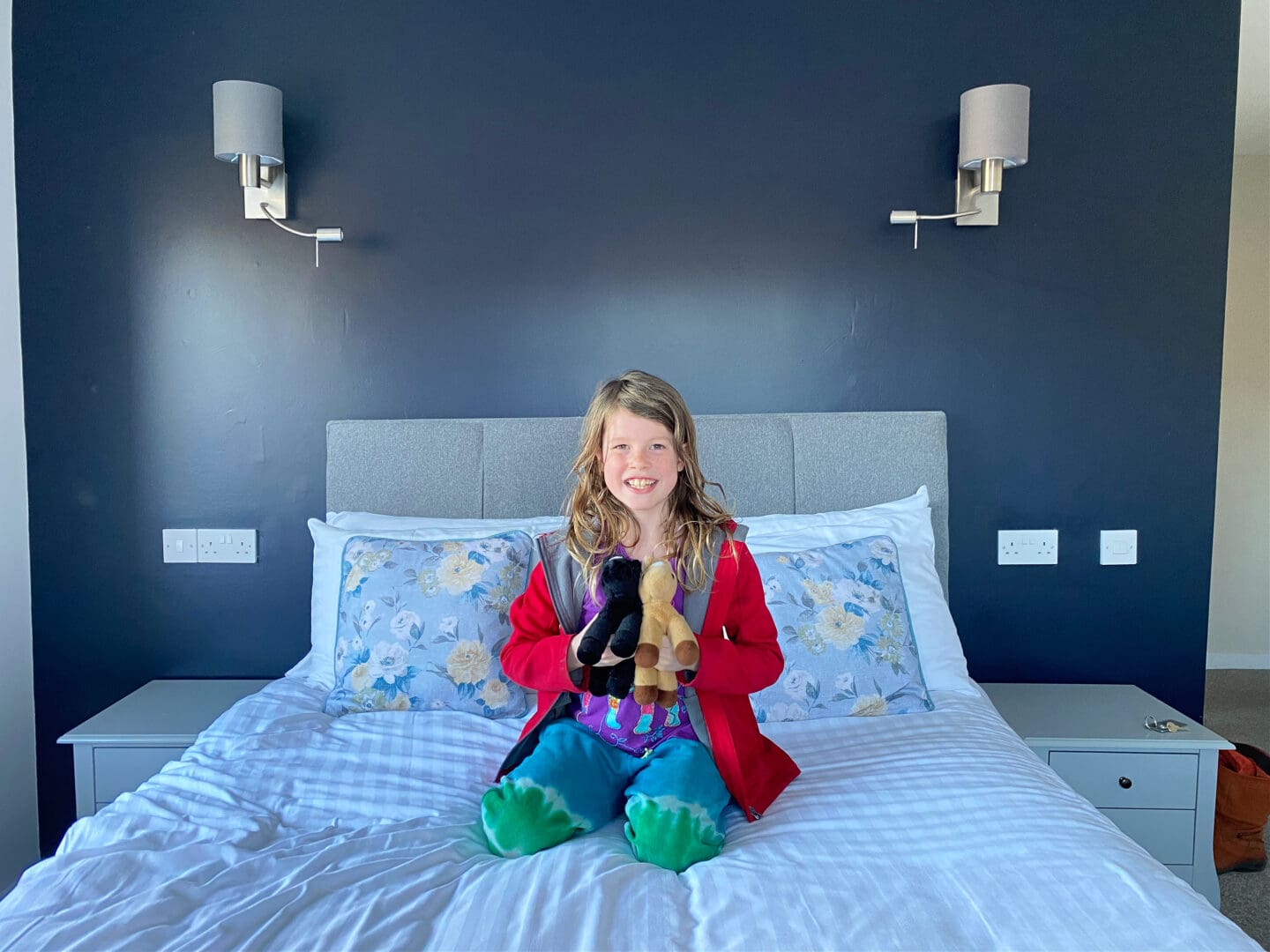
You can walk down to Limekilns and visit the nearby beaches during your stay. The hotel is 5 minutes drive from Dunfermline and an easy location to use as a base to explore the area. We stayed in a family room with double bed and sofa bed, with large windows looking out at the village green.
Breakfast is included in your stay, which is made to order. We particularly enjoyed the delicious breakfast sat in the magnificent large bay windows. You can also dine here in the evenings, although there are other eateries in Dunfermline too.
We chose to have dinner at Dhoom in Dunfermline. An Indian street food restaurant, with fantastic decor. The dishes were all amazing and you could choose several small plates from the menu to share. This worked well for myself and my eldest. Fortunately there were also chicken nuggets available for my fussier youngest child!

I would also recommend Bessies in Culross (beside the palace) for lunch. The soup was amazing and the cakes were fantastic, I’m still wondering if I should have tried the Guinness cake! Abbot House beside the cathedral in Dunfermline was also a great lunch spot. Beautiful views to the abbey and plenty of tasty food for everyone.
Other Great Places To Visit Nearby
Pin Discover Dunfermline: Scotland’s Ancient Capital
