Disclosure: This post is in conjunction with Reliant Direct, however all opinions are my own.
Table of Contents
How Do You Know When Your Child Is Ready For A TV?
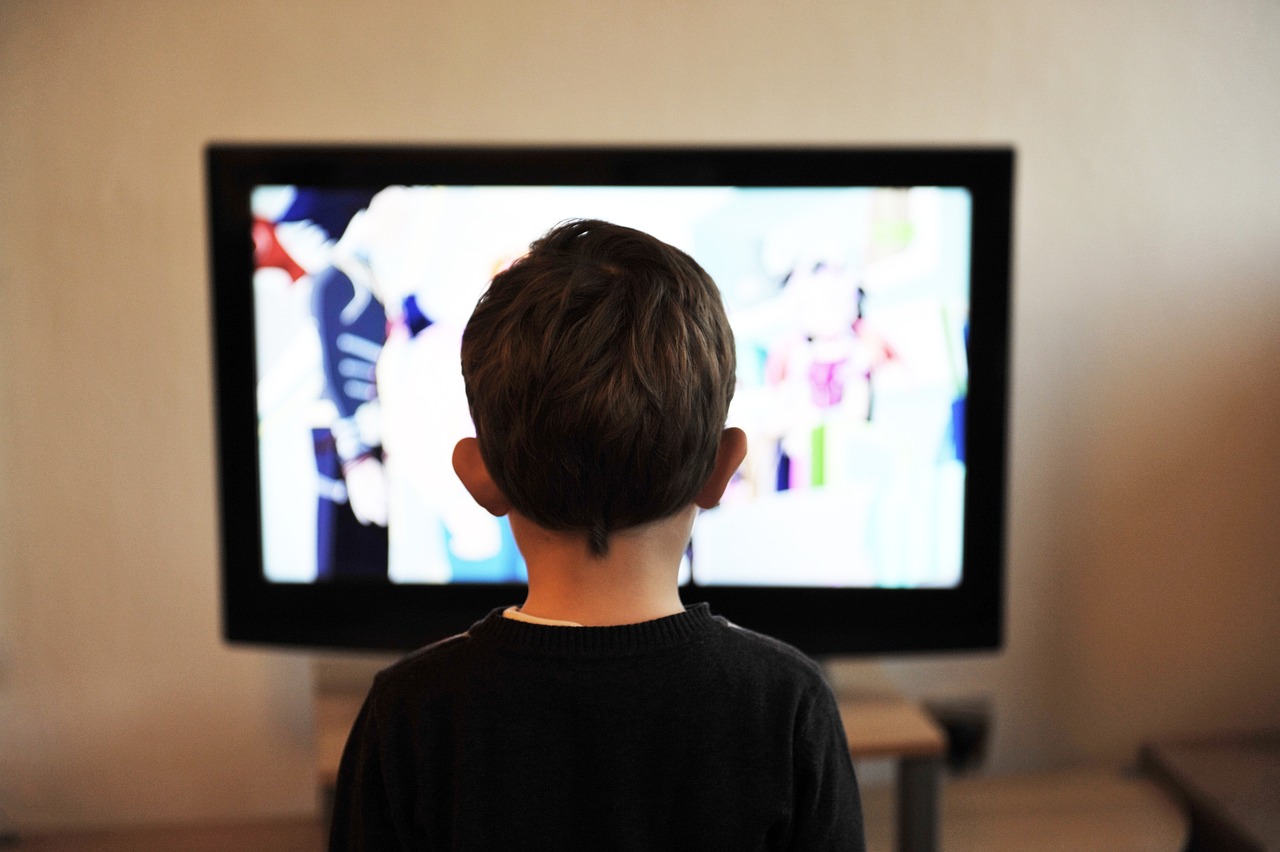
When is your child ready for a TV in their bedroom? Well, the answer to this question can vary widely and is completely dependant upon each individual child and their needs. Some children use the TV as white noise to help them relax or sleep. Others would find that the distraction of a TV would disrupt sleep patterns and make it less likely that they sleep well.
The other thing to consider when putting a TV in your child’s bedroom is their maturity. Having a TV is fun and exciting, so is your child mature enough to know when they are allowed to watch it? Will they stay up late watching TV, to the detriment of other activities? Or will they know to turn it off at a certain time so they can get a good night sleep?
This can be hard enough for neurotypical children to cope with. So it can be even more difficult if your child is neurodivergent. It’s really important to consider your own child and whether their personality type will cope with a TV in their bedroom. It doesn’t matter that their friends have one, it’s important to think of your own child and how it will affect them.
Reliant Direct, an online electrical superstore that has great TV deals, has recently surveyed parents to find out when parents allow children a TV in their bedroom. Out of 673 parents 74% said that their children had asked for a TV in their bedroom. A staggering 51% also said that they had put a TV in their kids room between the ages of 3 and 7 years old.
Pro’s and Con’s of a TV in Your Child’s Bedroom
So your child has asked about having a TV in their bedroom, what are the pro’s and con’s?
Pro’s To Having a TV in Your Child’s Bedroom
One of the benefits of having a TV in your child’s bedroom is that they can learn a lot from TV programmes. Even kids TV such as Blaze and the Monster Machine’s can teach them different science terms, Octonauts teaches children about different animal behaviour or Bluey can teach emotional resilience. As they get older documentaries may be of more interest and can be very educational.
Some children need help getting to sleep and watching a favourite film or TV programme can help with this. Without a screen to zone out and relax to then they may not sleep so well.
Con’s To Having a TV in Your Child’s Bedroom
It’s unlikely as your children get older that they will continue to get educational benefits from television. They are more likely to use it to watch other things, which have no benefits. Or it is possible that they will start watching TV that is not suitable for their age. Sometimes scaring or upsetting them emotionally. You can put on parental controls, but these are not foolproof and kids can work around them if they try hard enough.
If your child is neurodivergent then they may be advised to have limited screen time. And if your child has sleep issues they are often advised to not have screens in the bedroom. This is an important factor to consider. We can’t blame our children for being tired or emotional when we choose to put a TV in their bedrooms!
When Will We Put A TV In Our Kids Rooms
I know I had a TV in my bedroom as a child, however this wasn’t until around the age of 8 and even then it was in black and white (coloured TV’s were available, this was just cheap and secondhand!)!
Neither of our children have asked for a TV in their bedrooms yet and as none of their friends have one I think we will wait until they are teenagers to offer this.
Leave a Reply