Three camping chairs are little comfort if everyone assumed someone else had packed the tent pegs. Split your festival checklist into personal essentials, camping additions and shared equipment. Day visitors can leave out the overnight kit; campers need a clear agreement about who brings what.
Table of Contents
Start with your personal essentials
Pack these before outfits and optional comforts fill the bag:
- Your ticket in the required format, plus any identification requested.
- A suitable payment method.
- Your phone, charging cable and access to a charged power bank.
- Essential medication and any required medical information.
- Waterproof clothing, a warm layer, sun cream and a hat.
- Basic hygiene supplies and earplugs designed for listening to music.
Keep tickets and medication within reach, separate from bulky camping equipment.
For friends travelling from Preston, checking luggage space when arranging Coach Hire Preston helps establish how much shared kit to bring. Confirm the festival’s designated drop-off point too, then account for the walk to the entrance or campsite. A bag that fits in the vehicle still needs to be manageable once you step out.
Keep day-visit packing light
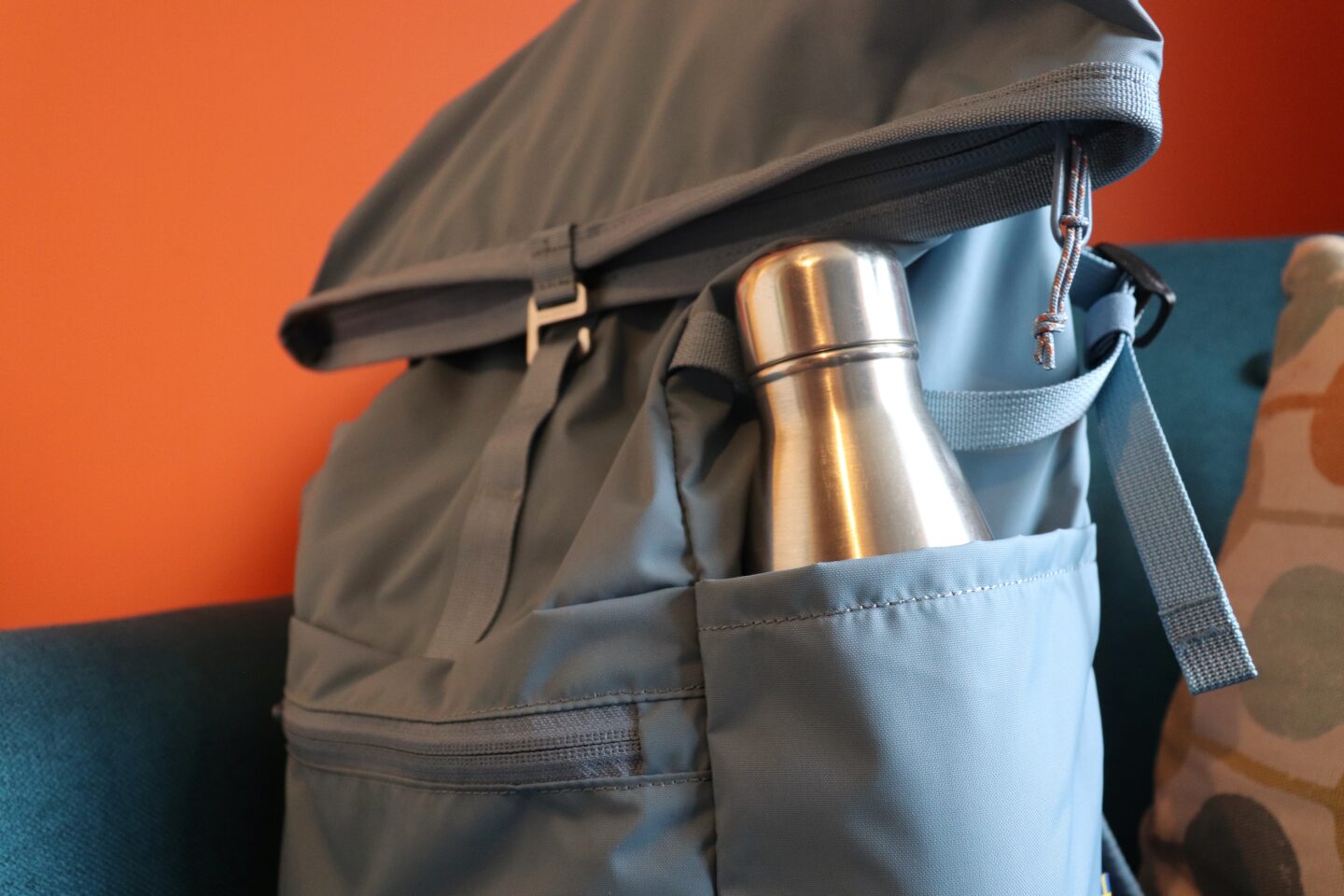
For a day visit, choose a bag comfortable enough to carry throughout the event and within the organiser’s size limits. Check the current rules on prohibited items, bottles and food, along with payment arrangements and water-refill facilities, before deciding what goes inside.
Wear familiar footwear suited to the forecast and ground conditions. Put your waterproof near the top of the bag and allow space for a warm layer for the journey home. Expensive accessories and spare gadgets need a clear purpose to justify their weight.
Campers can take the same approach when heading into the arena: pack for the next few hours, leaving bedding and other campsite equipment behind.
Add camping kit for overnight stays

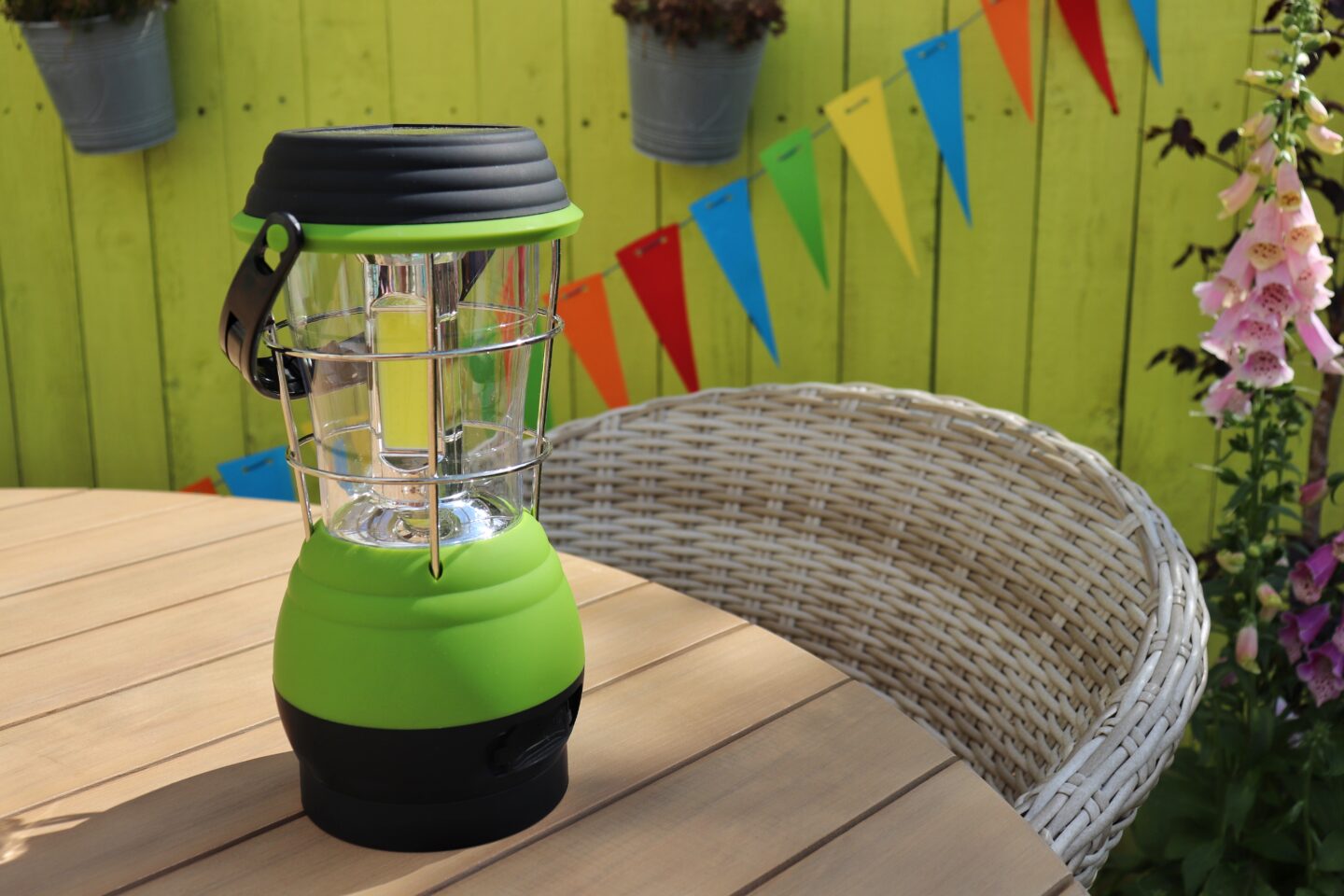
Build your overnight packing around shelter, sleep, dry clothing and washing:
- A tent with its poles, pegs, guy ropes and waterproof outer.
- A sleeping bag, sleeping mat and any necessary pillow.
- A head torch or small torch.
- Spare socks, underwear and dry clothes for sleeping.
- A toothbrush, toothpaste, washing supplies and a small towel.
- Separate bags for clean clothes and wet kit.
Pitch a borrowed or unfamiliar tent at home. Check its condition, including the zips, and make sure everyone fits with their belongings. The stated sleeping capacity is only a starting point.
Choose bedding for the expected overnight weather. Pack socks and underwear for the length of your stay, plus a spare set of dry clothes. Several complete outfits for each day will quickly bulk out a bag.
Borrow equipment where practical. Once the sleeping essentials are packed, consider whether chairs, extra cushions and decorations are worth the carrying space.
Give every shared item an owner
Replace “someone will bring it” with a shared note recording the item, the person responsible and the components to check.
Give one person responsibility for checking each tent’s parts. If friends divide the load, record who carries the tent body and who has the poles. Apply the same approach to a shared pump, repair tape or power bank, including any necessary accessories.
Shared equipment needs to suit the group’s plans. A shared charger works best when everyone is together; friends heading to different stages need their own plan for phone power and compatible cables. Medication, personal documents and individually essential supplies stay with their owners.
Decide whether you actually intend to prepare meals before allocating cooking equipment. Agree the meals first, then assign the pans, utensils and food needed for them so several people avoid packing the same supplies.
Check the rules, then test your load
Check campsite and arena rules separately, especially restrictions on cooking equipment and fuel. Follow the ticket provider’s instructions for accessing your ticket rather than assuming a screenshot will work. Arrange any necessary accessibility or medication permissions well before departure.
Then try carrying the packed bag. Walk with it, check that loose items are secure and remove optional extras if the load is awkward.
Agree a recognisable meeting point and return time. Save those details somewhere accessible without an internet connection, along with the contact to use if plans change.
Allow for packing up as well as arriving. Use the separate bags for wet belongings, bring suitable rubbish bags and take your camping equipment home. Back at home, dry the tent before putting it into storage.