I’ll be honest, there was a time when I judged a good holiday by how much we’d packed into it. How many countries, how many castles, how many “we walked how far today?” stories to tell afterwards. But somewhere over the last few years, our family’s approach to travel has shifted. And I don’t think we’re the only ones. More and more, I’m hearing from other travelling families that the appeal isn’t about doing more anymore. It’s about doing less, properly.
Table of Contents
The Slow Travel Shift
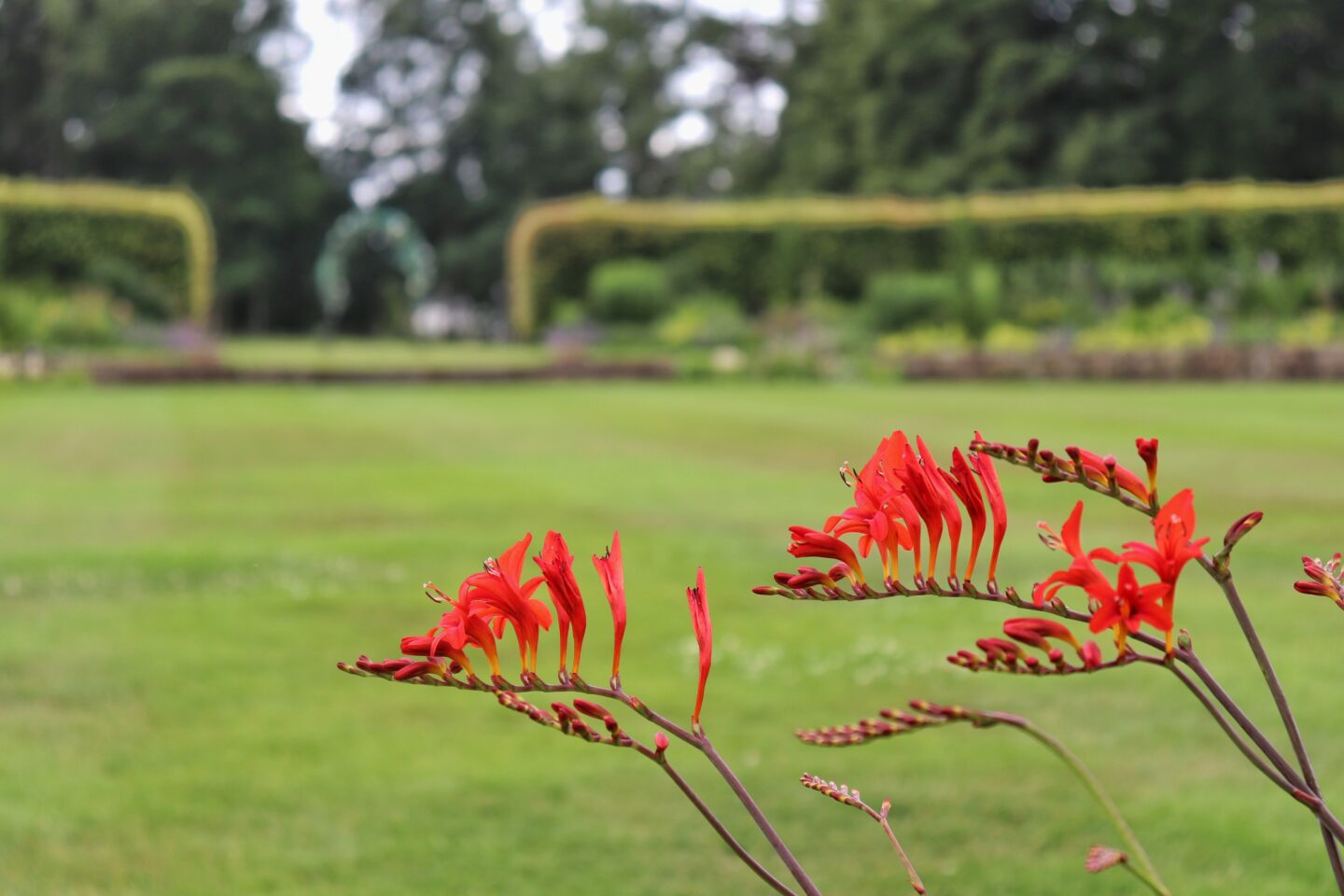
I think a lot of it comes down to burnout, if I’m honest. We spend so much of ordinary life rushing between school runs (or in our case, home ed activities), work, and everything in between. So the idea of a holiday which just adds another layer of scheduling on top has started to lose its appeal. A trip that leaves you needing a week to recover from it isn’t really doing its job.
What I’ve noticed, both in our own travels and in conversations with other travelling parents, is a real move towards restorative breaks. Fewer attractions ticked off, more time actually spent together without an agenda. A slow morning with nowhere to be. An afternoon where the biggest decision is whether to nap or read. It sounds almost too simple. However after years of trying to “maximise” every trip, there’s something genuinely freeing about choosing to do far less with your time away.
This is part of why country breaks have become such firm favourites in our family. And also with so many people we know. There’s something about swapping a packed itinerary for a slower pace and rolling hills. With no real plan beyond a decent walk and a good pub lunch, that feels like an actual reset rather than just a change of scenery.
Why Slower Doesn’t Mean Boring
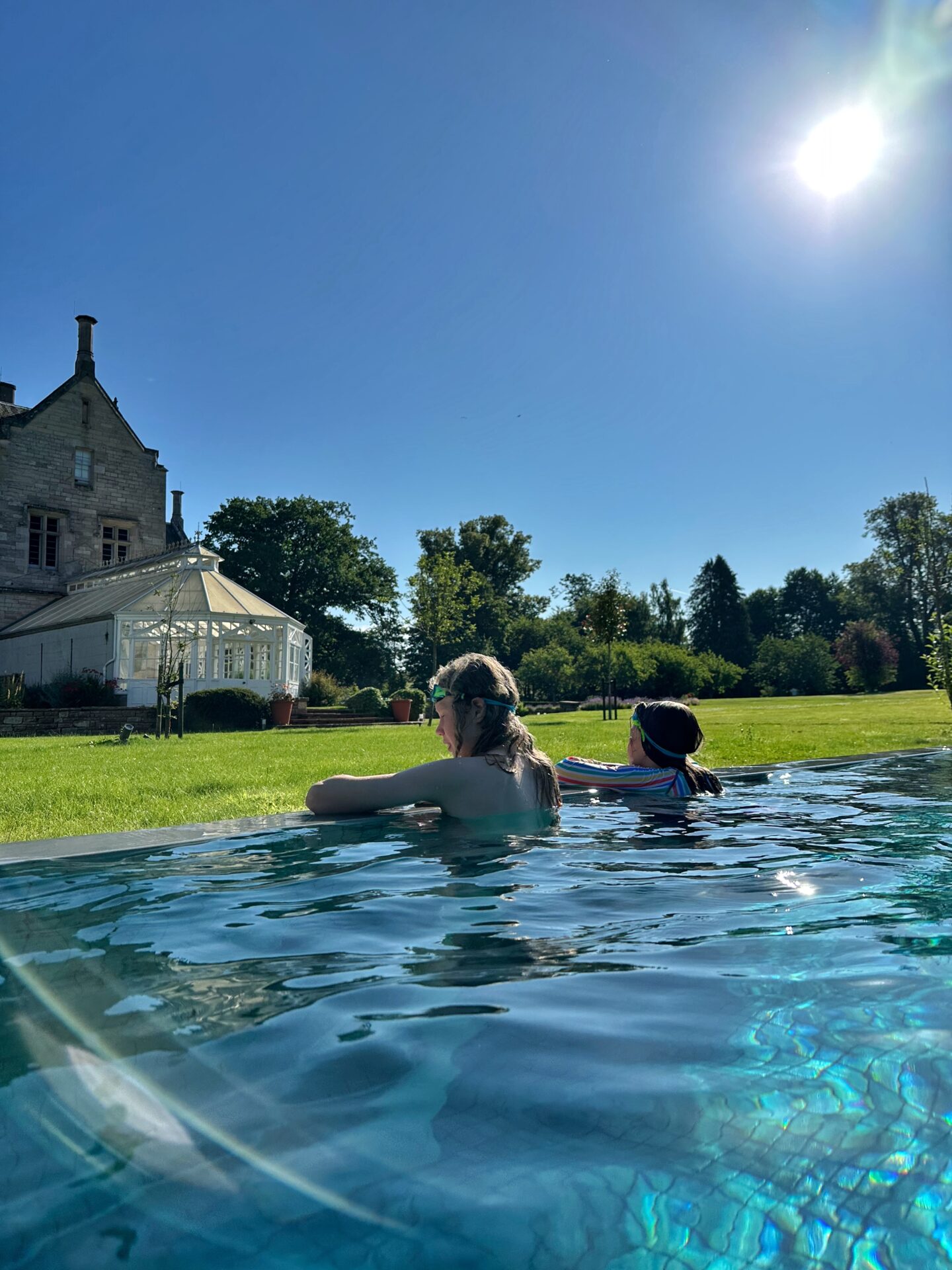
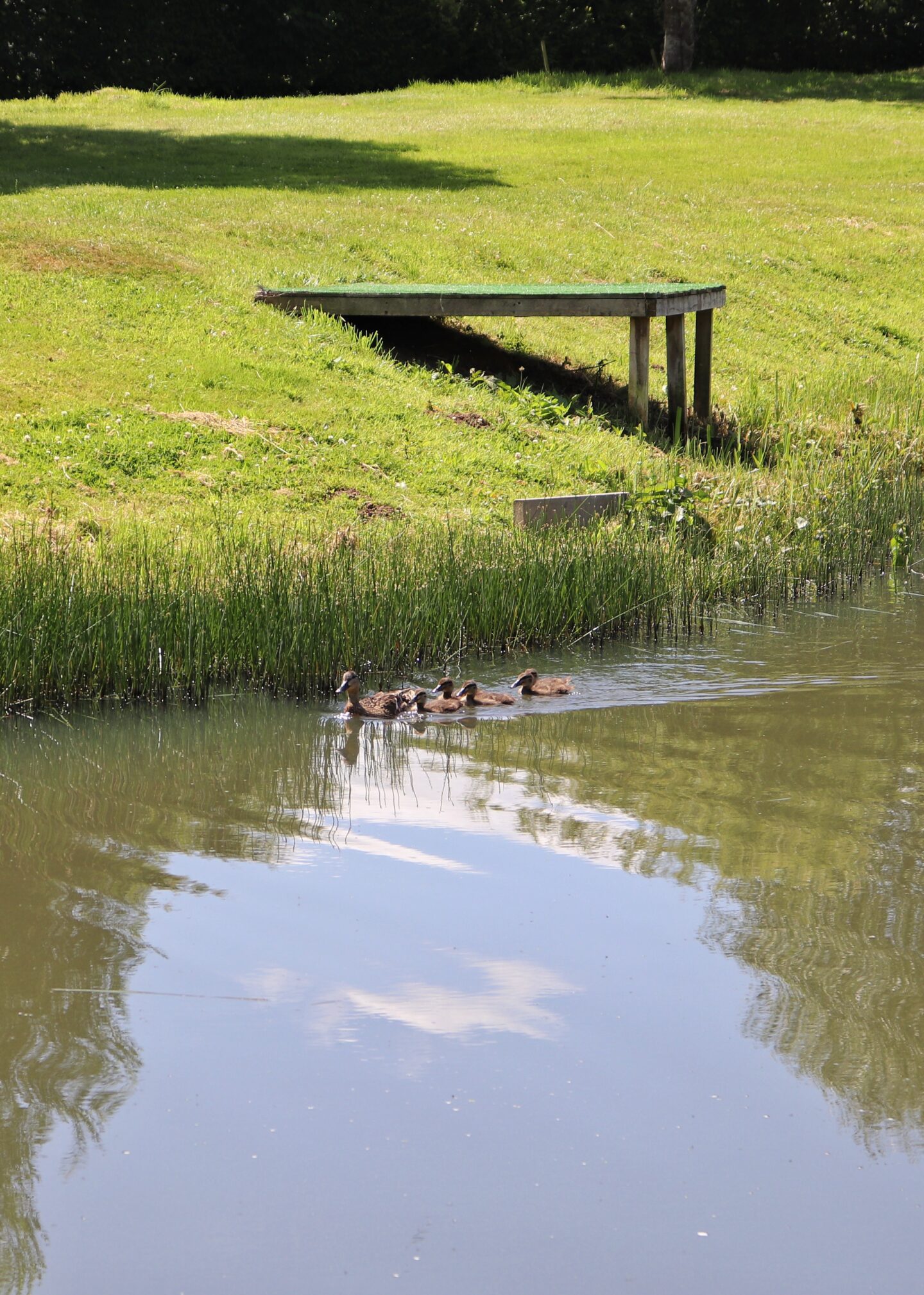
I know “slow holiday” can sound like a bit of a letdown if you’re used to jam-packed sightseeing trips. But honestly, it’s quite the opposite. When you’re not racing to fit everything in, you notice so much more. The kids have more energy for the things we do choose to do. Because we’re not dragging them from one attraction to the next on no sleep. We talk more. We actually finish books. It’s a different kind of holiday memory, but not a lesser one.
Choosing somewhere with real grounds to explore. Or a base close to walking trails and quiet villages, means the “itinerary” mostly looks after itself. You don’t need to plan much when the location is doing the entertaining. That’s a big part of the appeal for us as a family that plans an awful lot the rest of the year.
Where Package Deals Actually Earn Their Keep
Now, here’s the bit I think a lot of people overlook. Slower travel still needs planning, at least at the start, and that’s where a good package deal genuinely takes the pressure off. I used to think of package holidays as being for people who wanted everything decided for them, which isn’t really “our” style of travel. But I’ve come round on this, particularly for shorter UK breaks where the whole point is switching off rather than researching.
A well put together package will bundle your accommodation, meals, and often spa access or activities into one simple booking. Rather than spending an evening with fifteen tabs open trying to work out whether breakfast is included, whether the treatment room needs booking separately, and whether the cancellation policy is fair, you make one decision and you’re done. For families especially, that’s a huge amount of mental load removed before you’ve even left the house.
We’ve found this particularly useful when booking breaks at spa hotels. Rather than trying to coordinate pool times, treatment slots, and restaurant bookings separately (which, with two kids in tow, is basically a part-time job), a package that includes everything means we can just turn up and actually relax, rather than spending the first evening on the phone to reception sorting out what should have been arranged in advance.
Letting Someone Else Do The Thinking
I think this is really the heart of why slower travel and package deals go so well together. The whole aim of a restorative break is to switch your brain off, and that’s very hard to do if you’ve spent the run-up to it deep in spreadsheets comparing twelve different hotels. Outsourcing some of that decision-making, even for a short domestic trip, frees up the headspace that the holiday is meant to give you in the first place.
It doesn’t mean handing over all control. We still choose destinations that suit us, usually somewhere in the UK we haven’t properly explored, with decent walking nearby and a slower pace built in. But letting a package handle the logistics means our energy goes into actually being present, rather than being the world’s most reluctant travel agent.
A Different Kind Of Holiday Win

I don’t think we’ll ever fully give up our bigger adventures, we love exploring too much for that. But there’s a real place now in our travel plans for these slower, quieter breaks closer to home. No mad itinerary, no exhausting planning process, just somewhere lovely to properly switch off for a few days.
If you’ve never tried it, I’d genuinely recommend giving a slower, simpler UK break a go, ideally with as much of the planning taken off your hands as possible. You might be surprised at how much more restful “doing less” actually feels.