Disclosure: This is a collaborative post with Visit Durham
The city of Durham is located just 10 minutes South of Newcastle by train. Arriving at the station you can see across the small city to the UNESCO Heritage Site of Durham Cathedral, nestled in a crook of the River Wear. The historic cathedral and castle next door are part of the old town of the city. It’s popular with students and visitors alike and a perfect place to stop off on the way North or South. There is a lot to see in the area, from castles and railways to beautiful walks and museums. Durham played an important part in the Industrial Revolution, with the large number of coal mines in the area. This led to the birth of modern train travel and a whole lot of railway heritage to now be found here!
Don’t miss the Durham Dales with Historic castles and beautiful walks in nature. High Force waterfall is said to be one of the most powerful and spectacular waterfalls in England! Although I didn’t have the time to visit the waterfall, we could see how beautiful the area around Durham is just by travelling through it. Even on a taxi ride to Beamish museum we were rewarded with the sight of a hare running across the road in front of us and several majestic lapwings flying around a nearby field. So nature is definitely all around!
Table of Contents
How to Get to Durham
But how do you get to Durham? Fortunately the small city of Durham is right on the East coast railway. With regular trains between London and Edinburgh it’s very easy to reach. It’s also easy to drive to if you prefer or even fly into nearby Teeside or Newcastle International Airports.
Getting around Durham city is easy, most things are within walking distance if you stay in the city centre. There are various bus routes around the nearby areas, but for further afield you may need to rely on taxis or hire a car.
Where to Stay in Durham
Durham has plenty of places to to stay, from hotels and self catering properties to Inns and guesthouses. Have a look at booking.com for suggestions. We stayed at the Radisson Blu Durham hotel, complete with spa and swimming pool. You can read more about our stay below and decide if this is the hotel for you too.
Raddisson Blu Durham




The Radisson Blu Durham is located close to the heart of the city. A short walk, crossing the River Wear, takes you into the old town with pretty buildings, shops and restaurants. It’s also only a 10 minute walk from the station, or you can park your car at the hotel.
The hotel has a range of rooms to suit everyone, we stayed in a family room, with a large King size bed and double sofa bed. The room was a good size, with a desk, seating area and a small vestibule area where you could place your luggage and plenty of space to put away clothes if you wish. The bathroom was tiled from floor to ceiling and spotless.
Downstairs is a small cafe bar, where you can buy lunch or drinks. Then a larger restaurant where breakfast and dinner is served. Breakfast is buffet style, although you can also order from the a la Carte menu if you prefer. Although it was rather busy when we visited, the buffet food were always being quickly replenished.






Reception is by the main revolving door to the back of the hotel. The reception staff are incredibly helpful and friendly, taking our bags to a secure luggage storage on our final day.
Everything included it was an excellent location for a stay in Durham. With restaurants within walking distance or using the on-site restaurant and it being no more than a half hour drive to all the sites we wished to visit.
What is Durham Famous For?
If you’re visiting an area for the first time it’s always important to find out what they are known for! Durham city is well known for its stunning cathedral. However, the area surrounding the city is also known for it’s beautiful countryside and historic mining past. You can learn all about this history and the place it took in the creation of our modern rail transport at many museums around the city and dales.
Things to do in Durham City
Durham and the surrounding area are split into 3 main areas; Durham City, Vale of Durham and Durham Dales. Each area has something different to offer and all are worth spending some time exploring. Within Durham City Market Place you can also find the Durham Pointers. These are volunteers who can help direct you and also give you information about the city. Look out for the pink tabards and ask away!
Let’s start with Durham City and it’s most famous historic landmarks – Durham Cathedral And Durham Castle.
Durham Cathedral
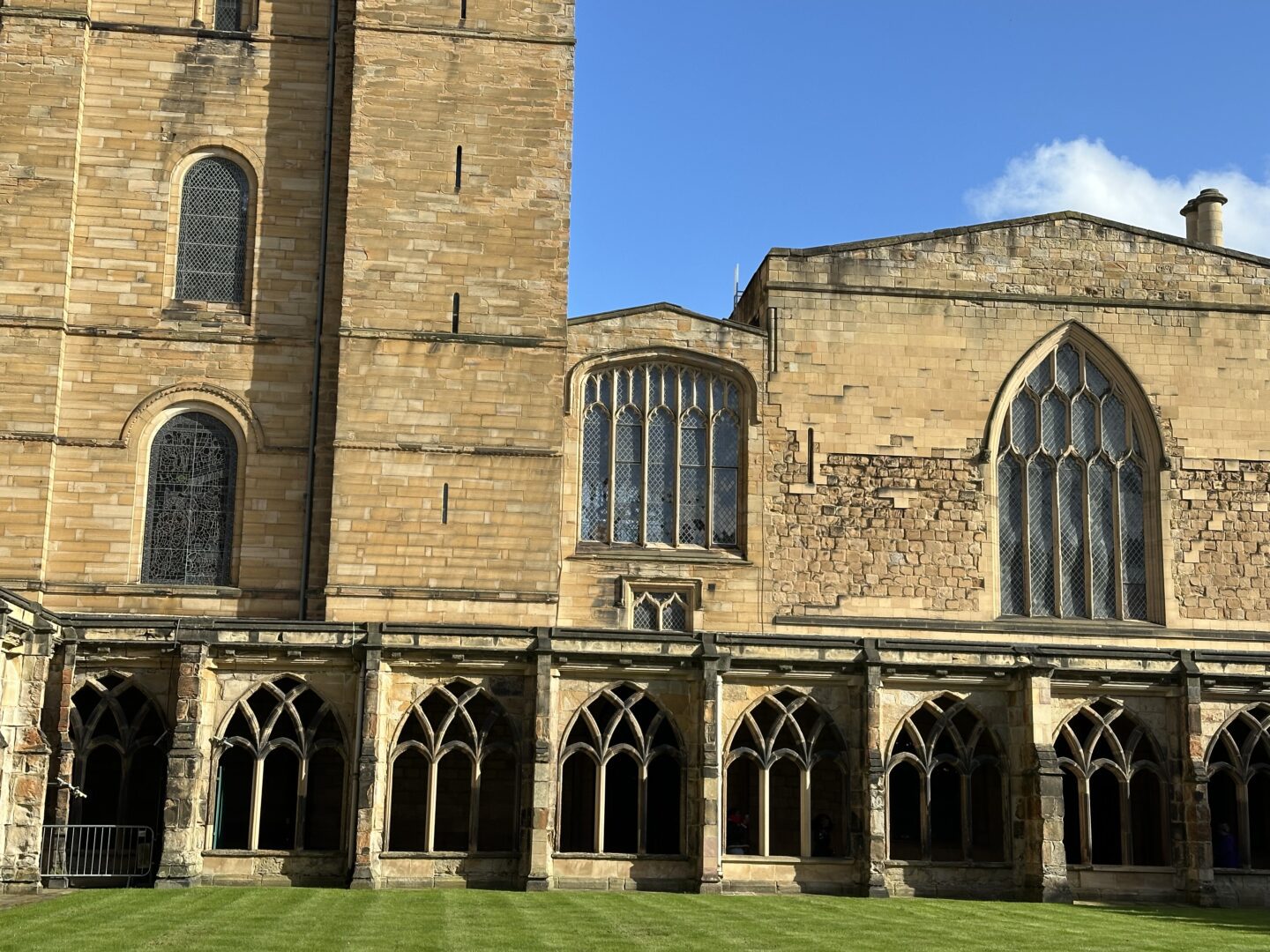

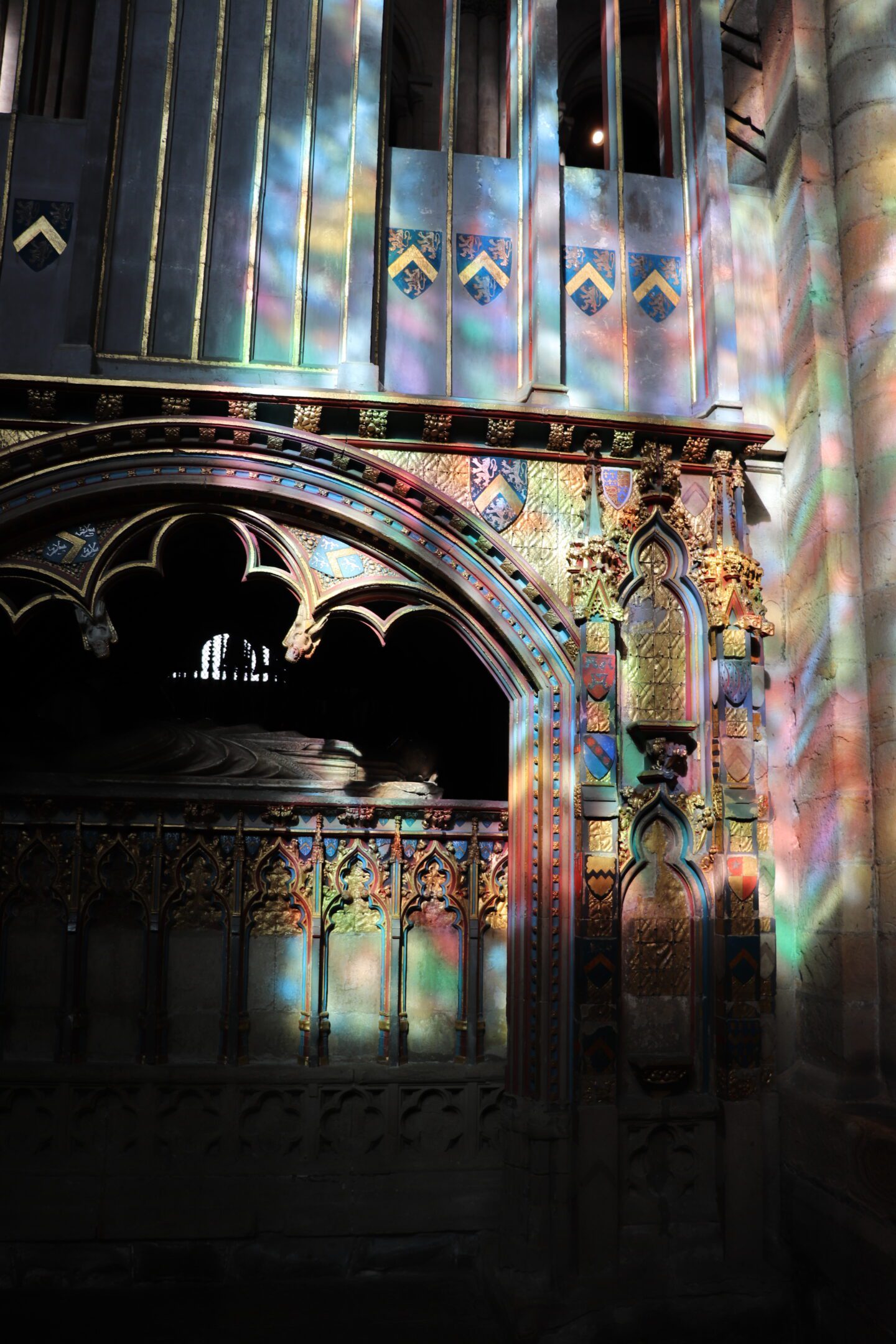
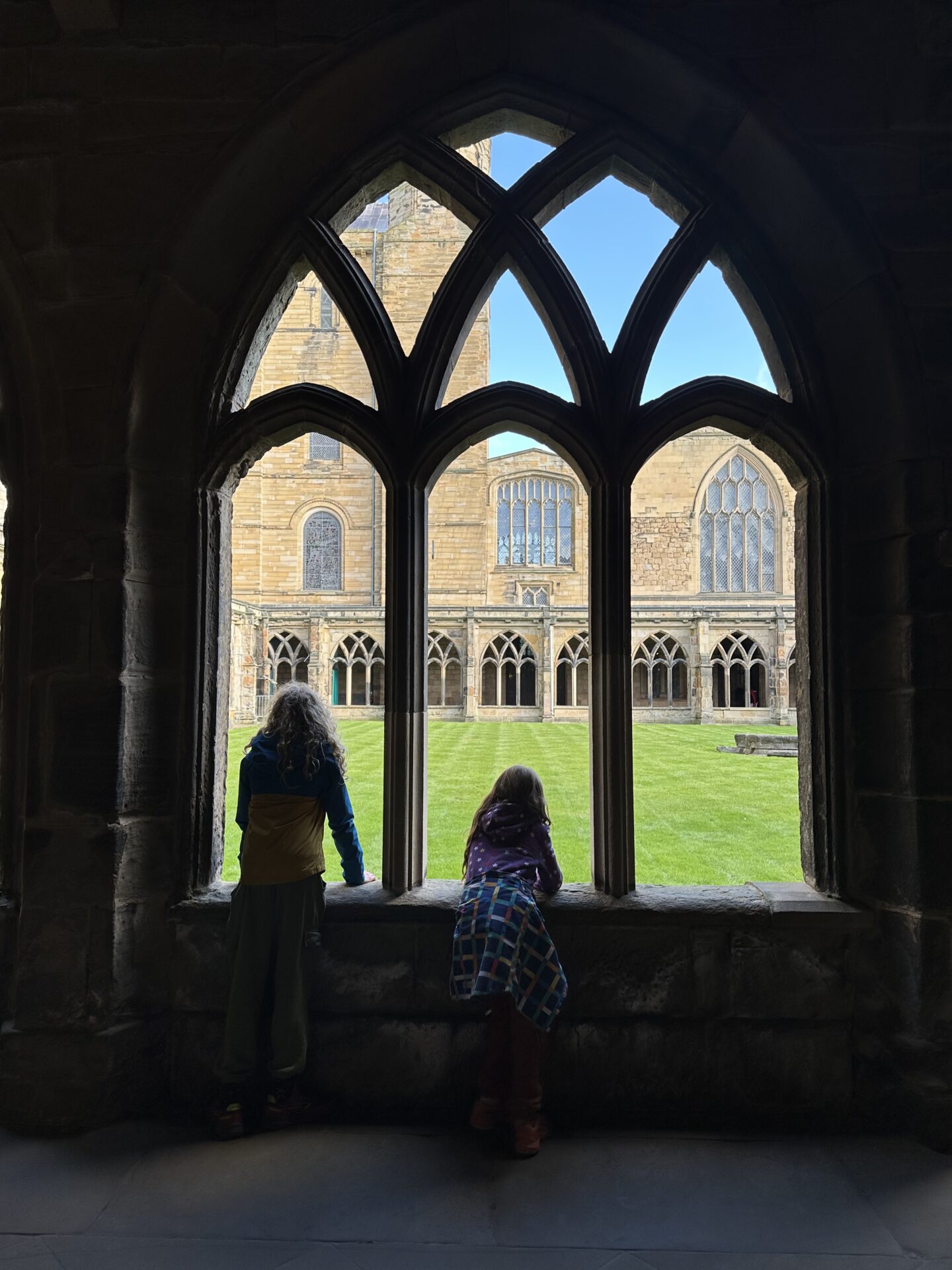
Part of the UNESCO World heritage Site, alongside Durham Castle, Durham cathedral is a great example of Norman architecture. Its huge vaulted ceilings and impressive stone columns and decoration are truly stunning. Don’t miss the stained glass windows either. Behind the cathedral are the cloisters, where monks once walked , prayed and read manuscripts. This area is also recognisable from certain scenes in the Harry Potter film franchise, the cloisters being particularly recognisable. I personally liked the little detail of the meridian line in the cloister area. A small hole at the top of one of the arches lets light into the cloister, so monks could tell the time but the sun.
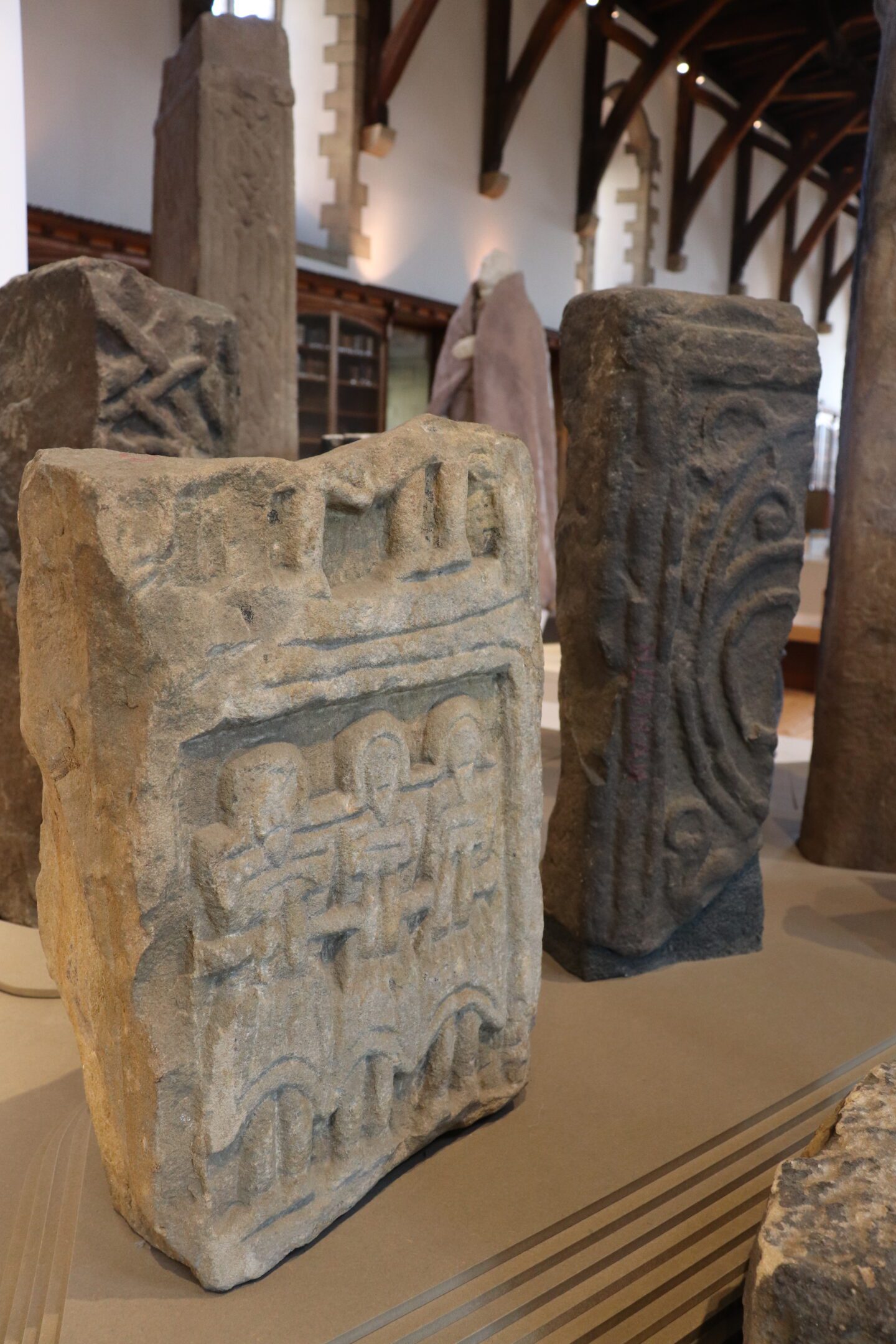


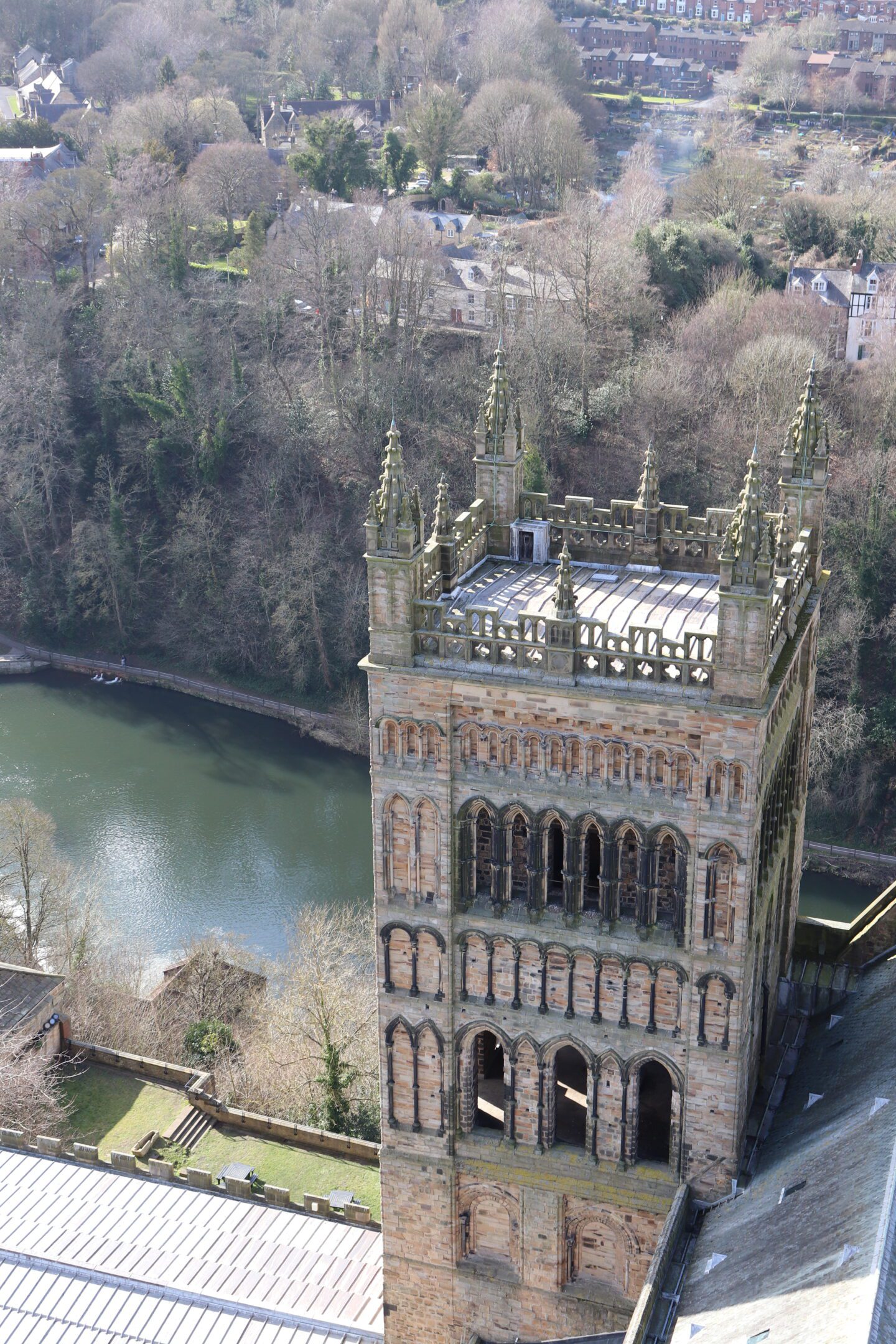
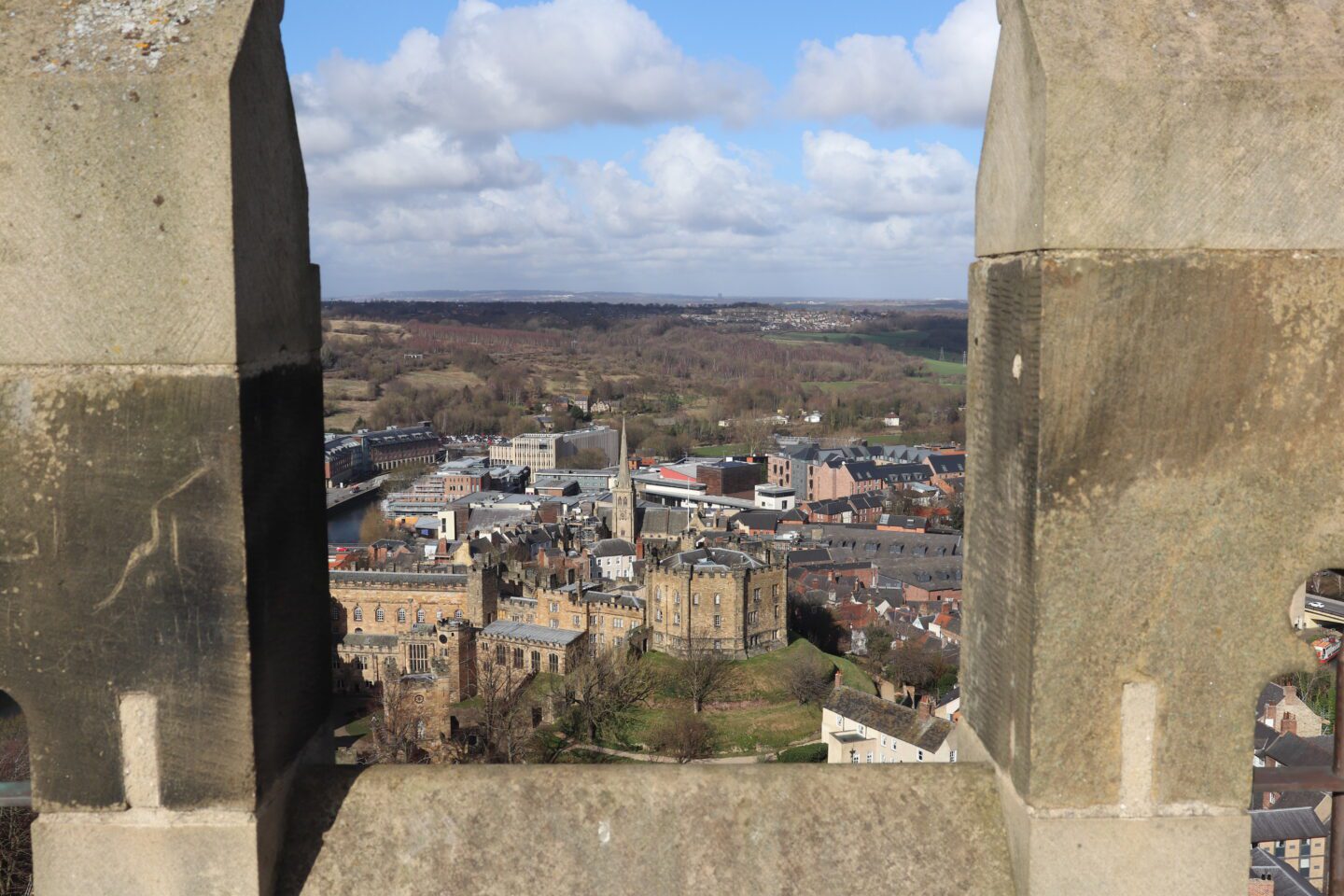
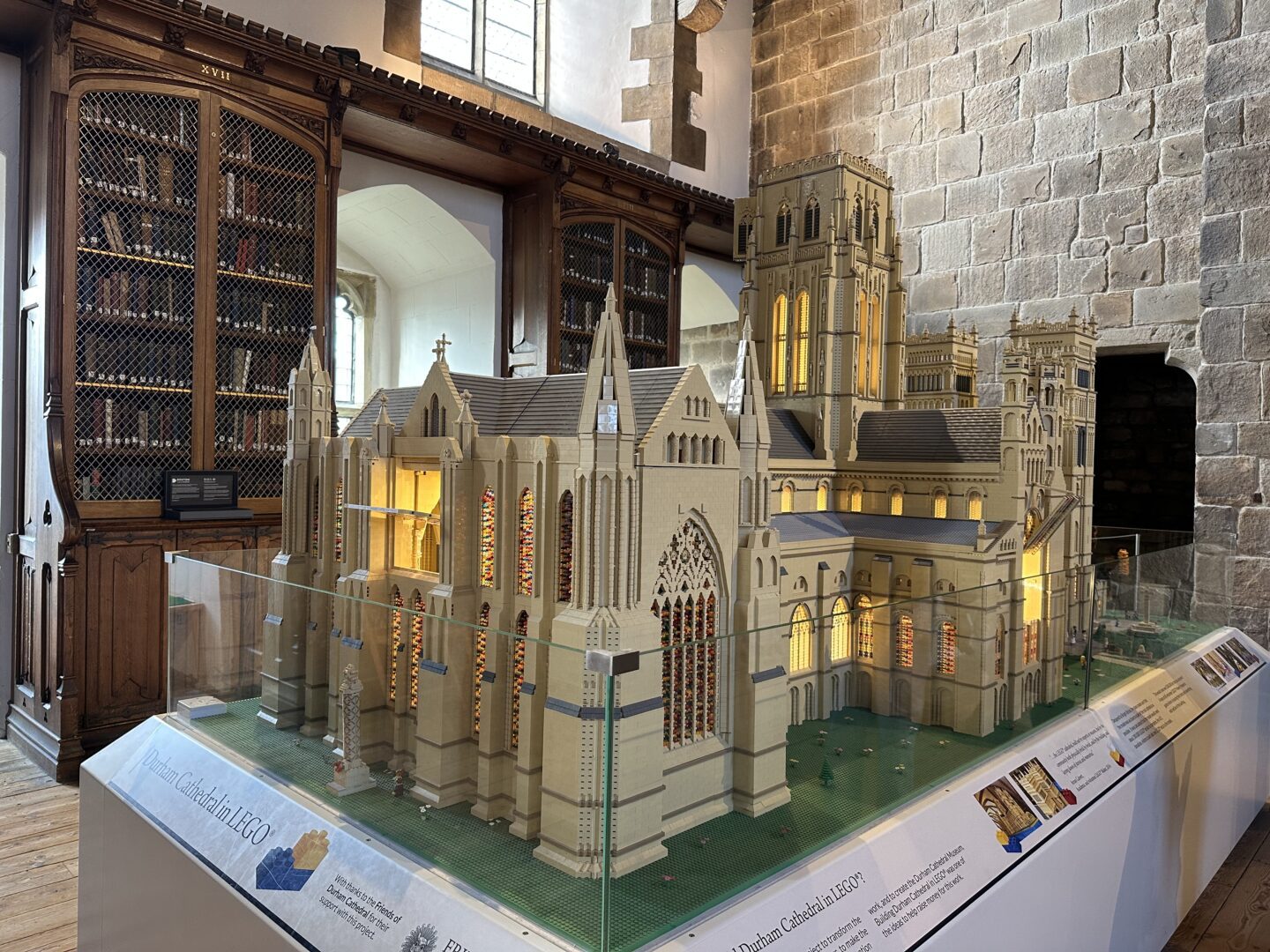
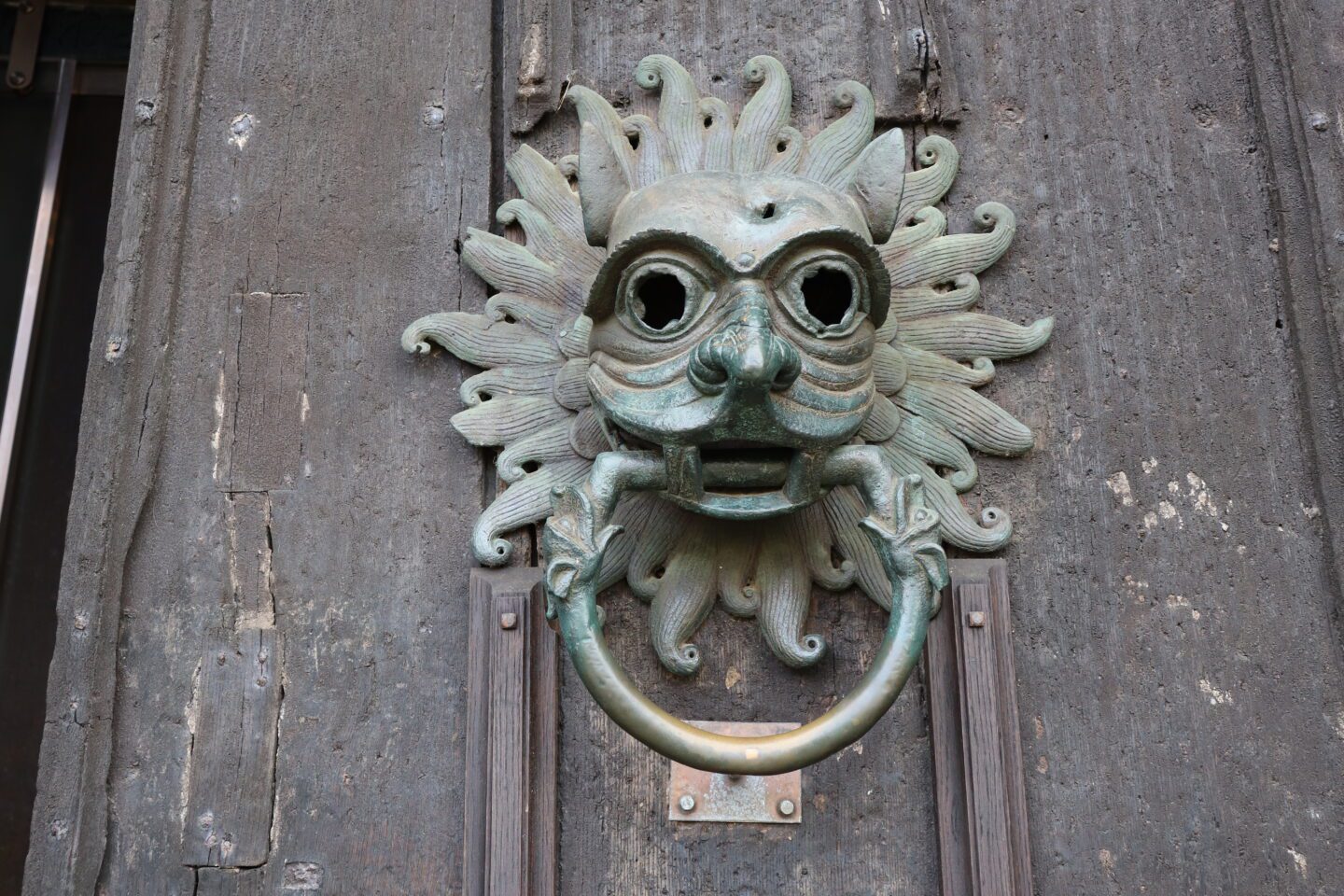
The cathedral itself and cloisters are free to enter, however you can also buy tickets for the museum and central tower. The central tower has 325 steps spiralling to the top, where you can see for miles over the city and surrounding countryside. It’s a tiring slog to the top, but there are a couple of places to stop on the way up. The rewarding views more than make up for the climb! The museum is filled with interesting artefacts, alongside some interactive puzzles and sound devices. The children were particularly impressed with the replica Lego Durham cathedral! Don’t miss the hogback gravestones and the stories around the original sanctuary knocker.
Durham Castle
Located in Durham city centre and part of the UNESCO World Heritage Site, along with Durham Cathedral. Durham Castle is only possible to visit by guided tour for most of the year, this is due to it being used by Durham university during term time. In July and August you can sometimes visit the castle on a self guided tour, when the students have left! Durham castle was built as a Norman fortress, but was turned into a more lavish abode for the Prince-Bishops of Durham. In Victorian times the castle was turned into a place of learning, University College. It is still used by the university to this day.
Things To Do In The Vale Of Durham
The Vale of Durham is the immediate countryside and villages surrounding the City of Durham. There are many places to visit, but here are a few key places that tourists should certainly make some time for! There are some buses that will visit these areas, although it may be worthwhile driving or taking a taxi if bus times don’t work out well.
Beamish Museum
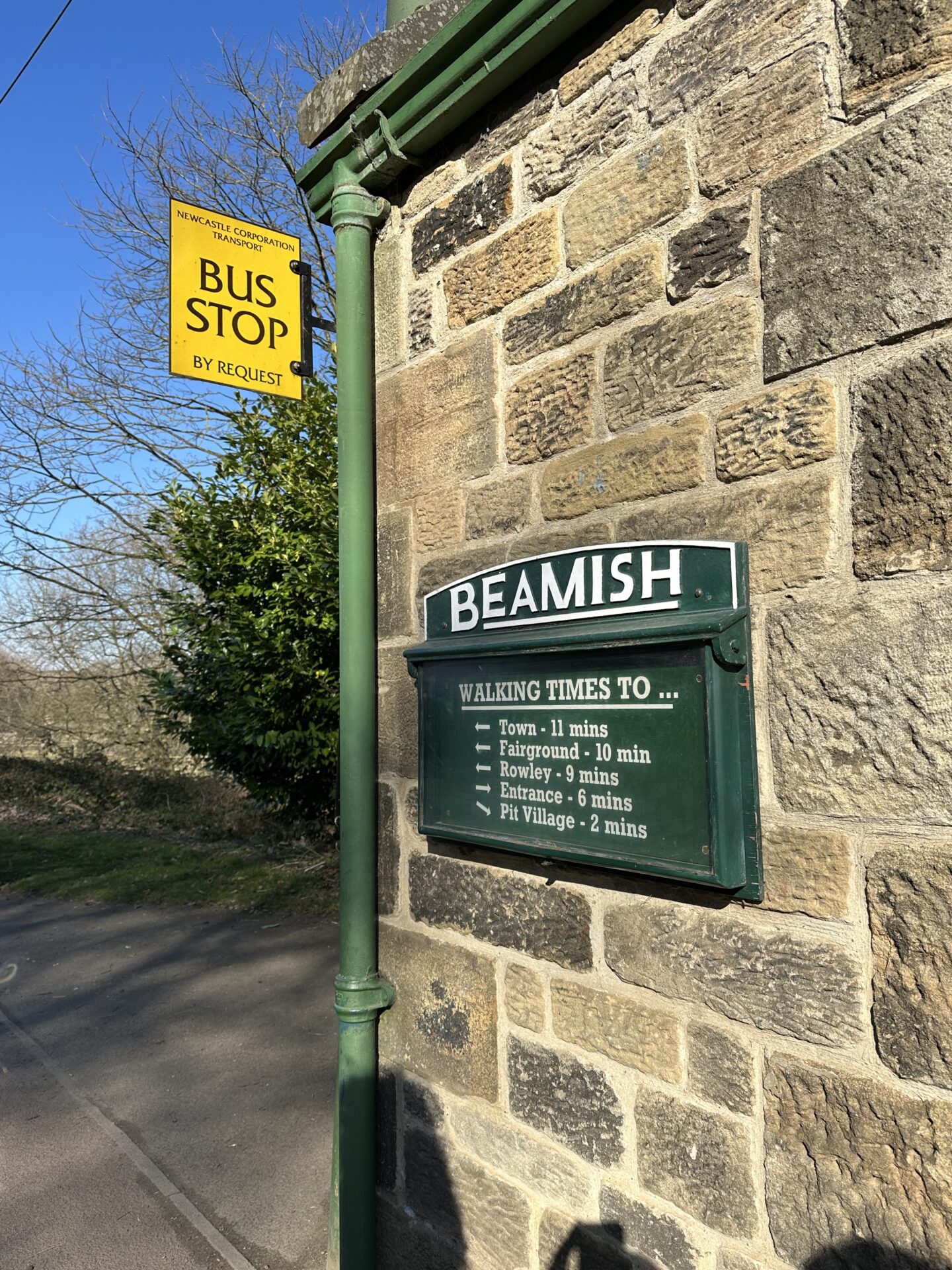

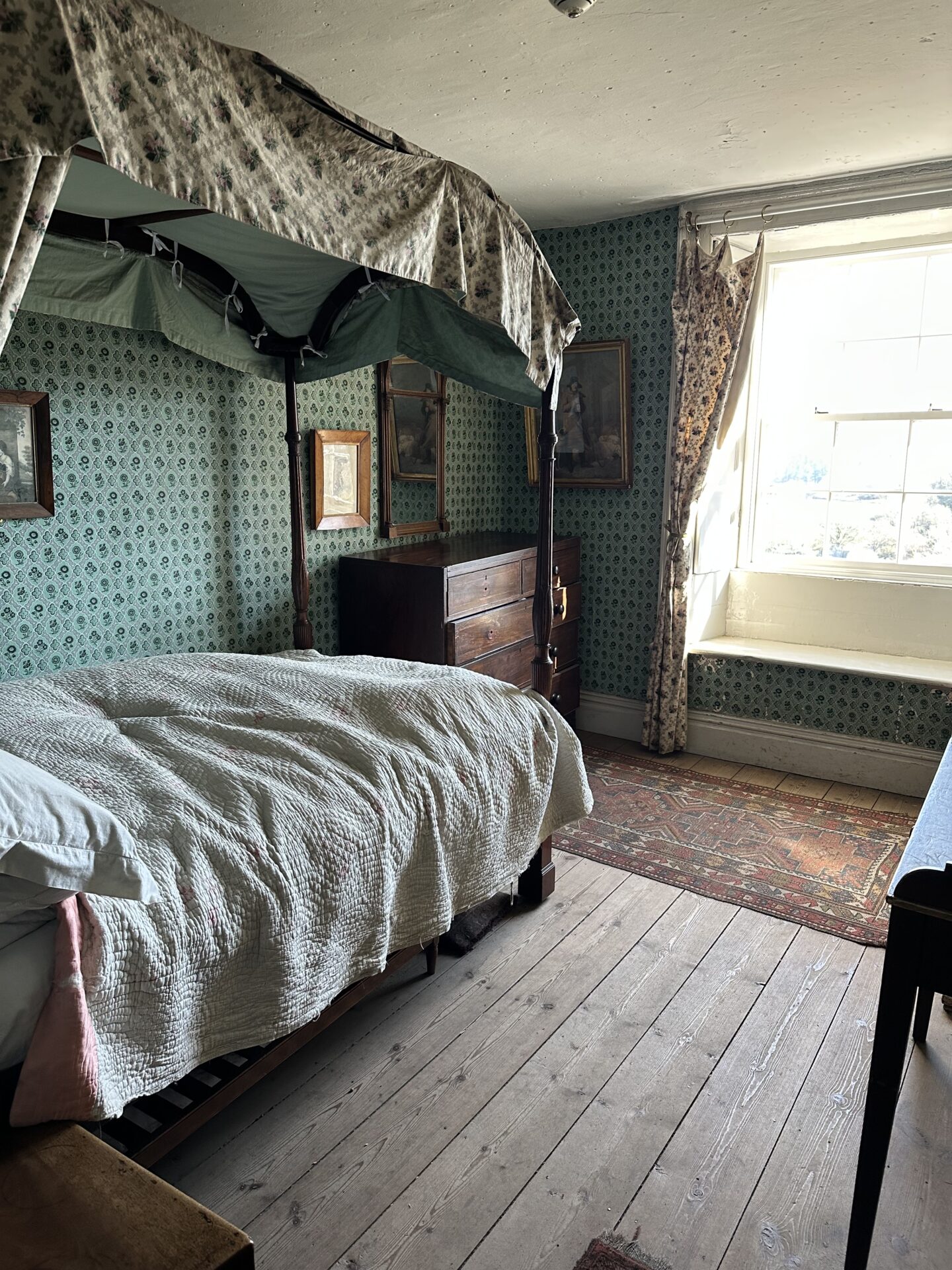
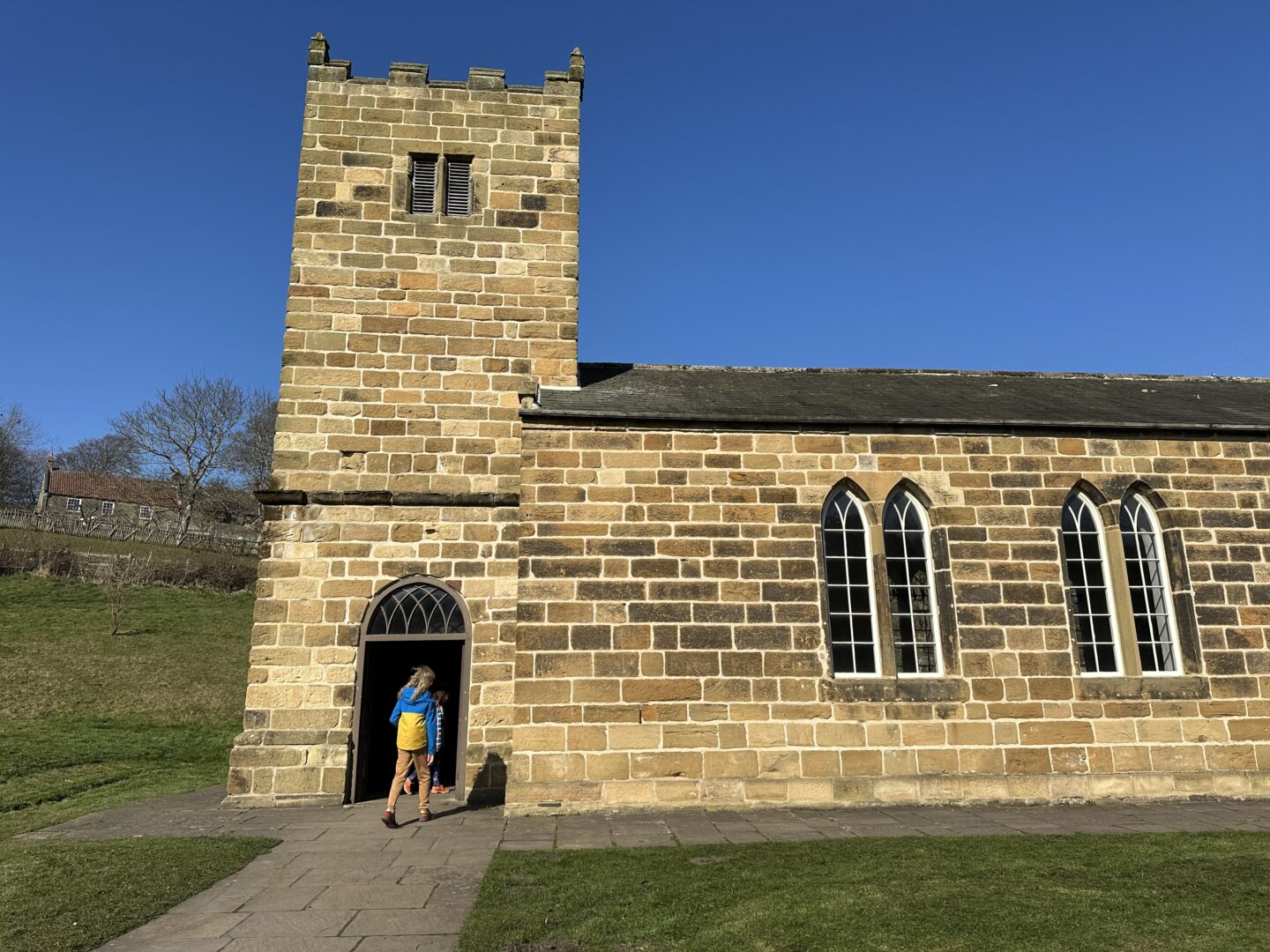
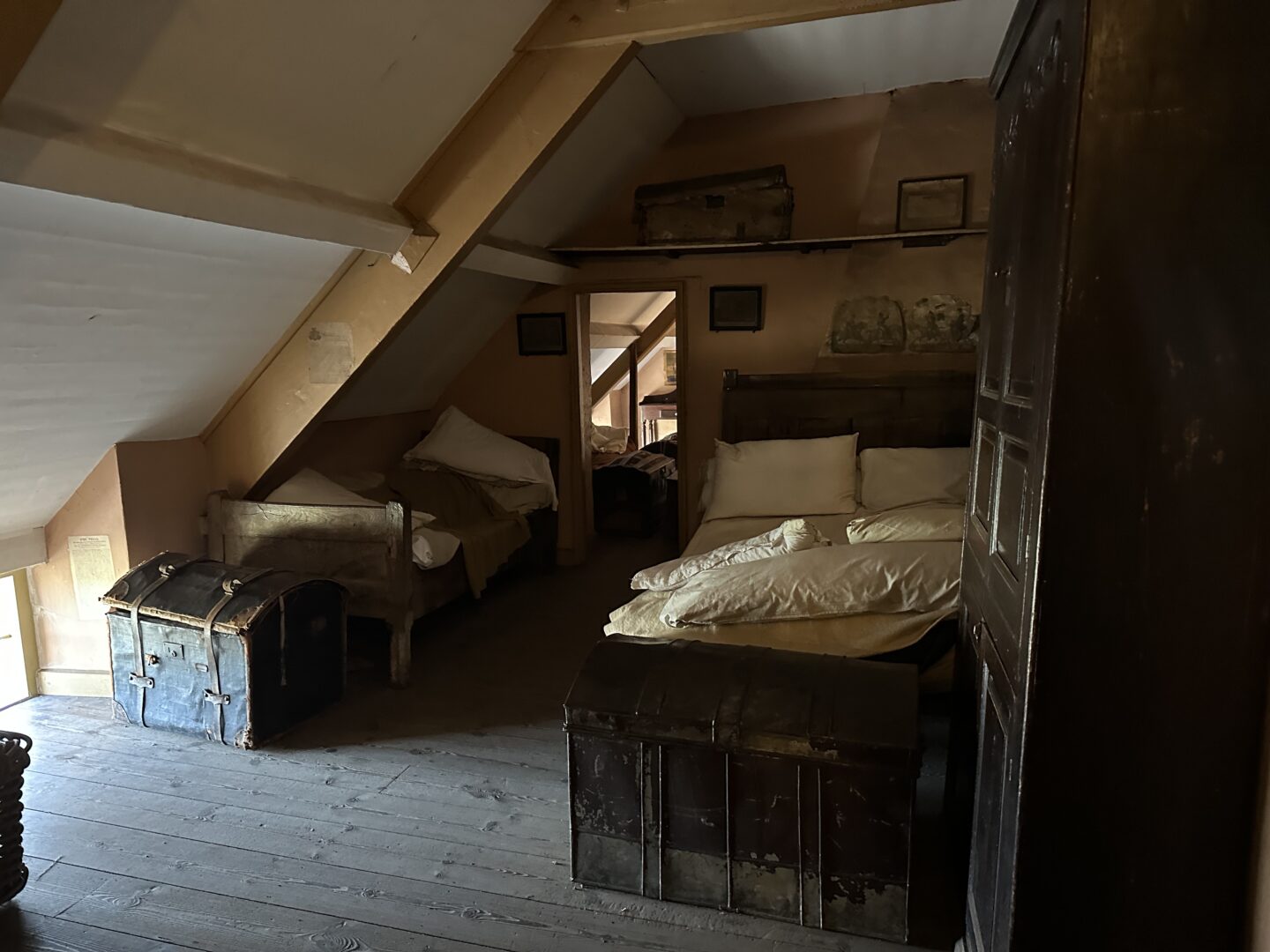
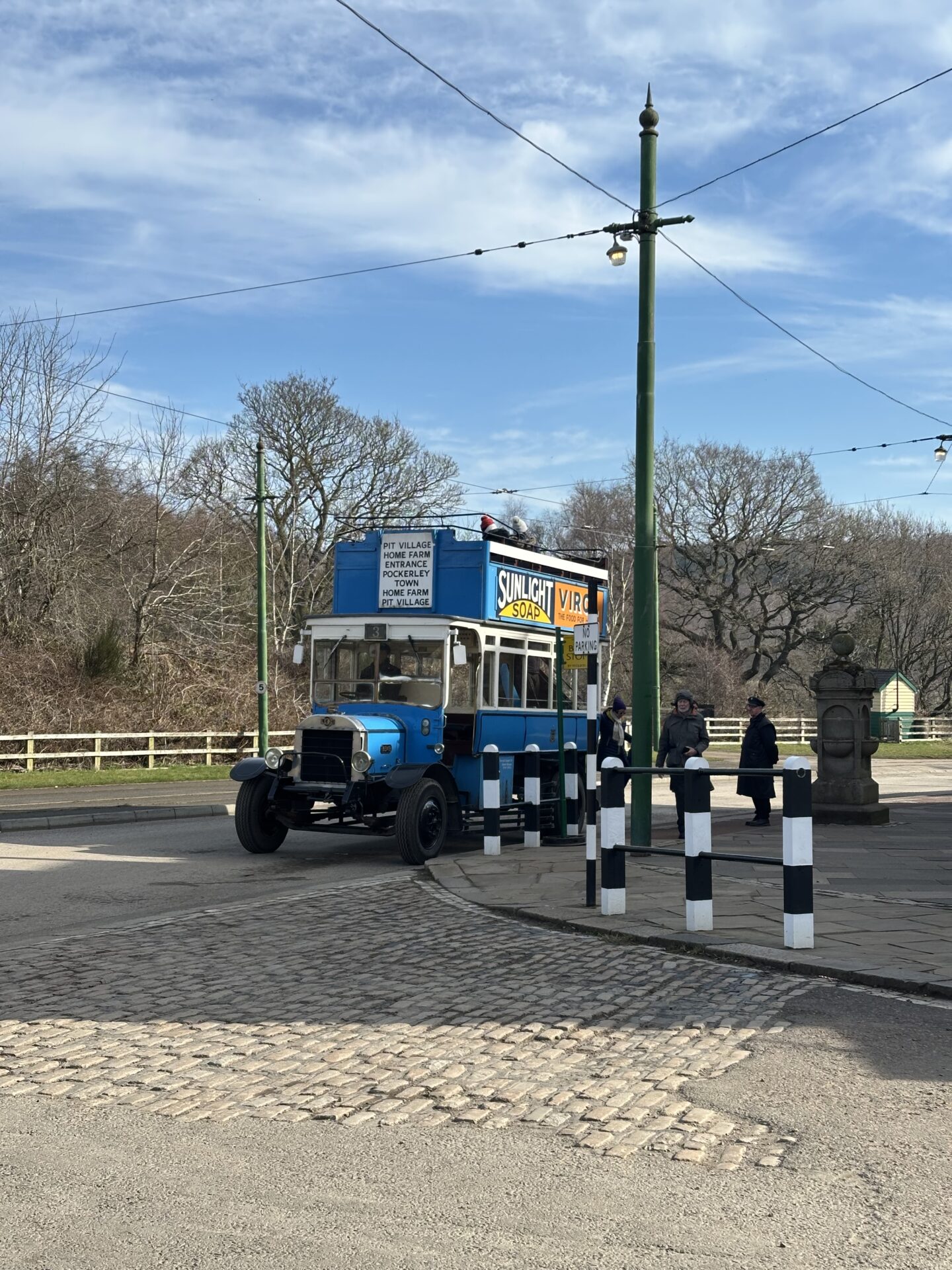
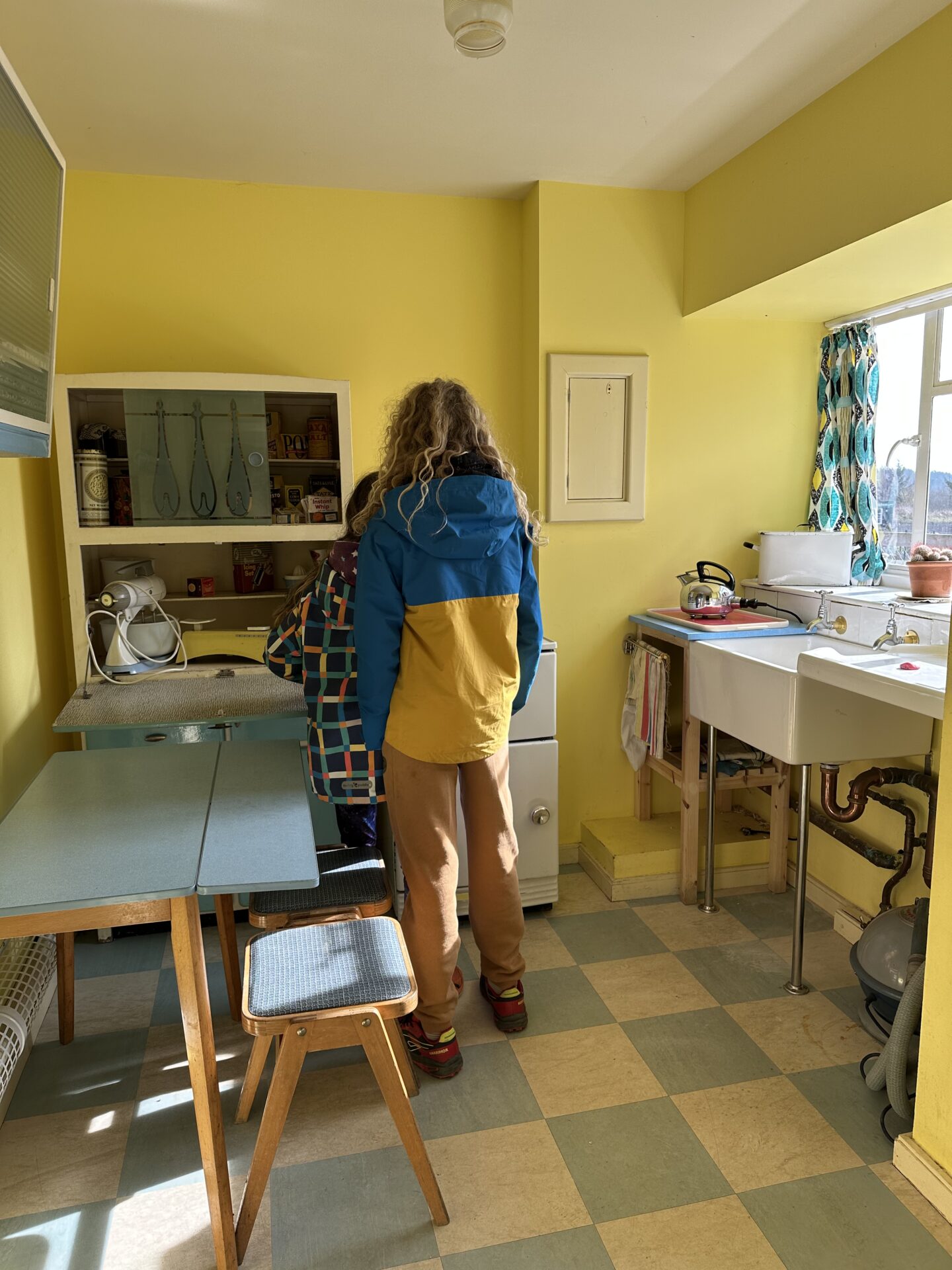
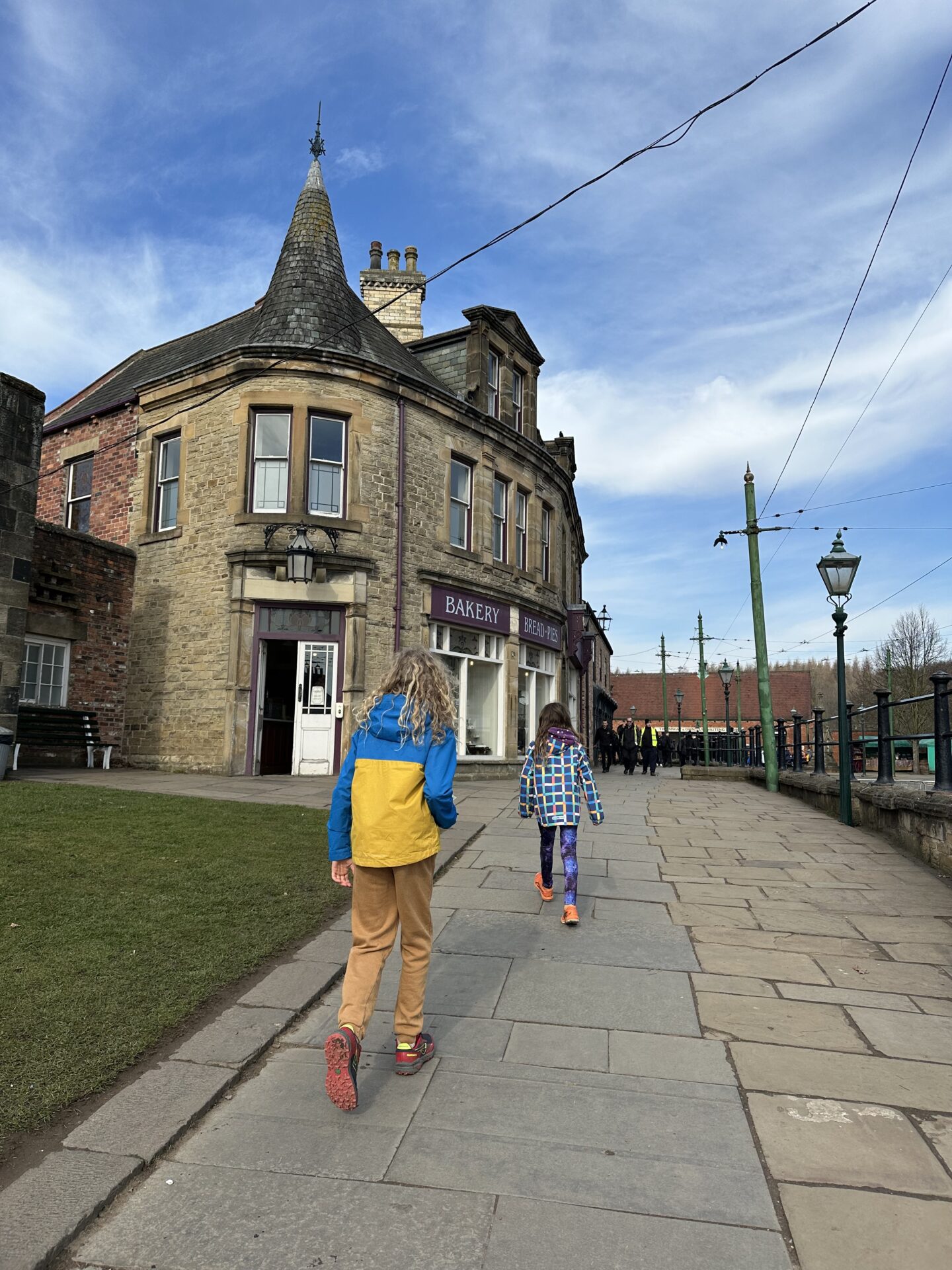
Beamish Museum is also known as ‘The Living Museum of the North’. It’s a huge site which you can choose to walk around or use vintage trams and buses to explore. There are 5 main areas to explore; 1820’s Pockerley, 1950’s town, 1900’s town, 1900’s colliery and pit village and 1940’s farm. You can walk inside many of the buildings, look around and learn about the history of North East England at that time.
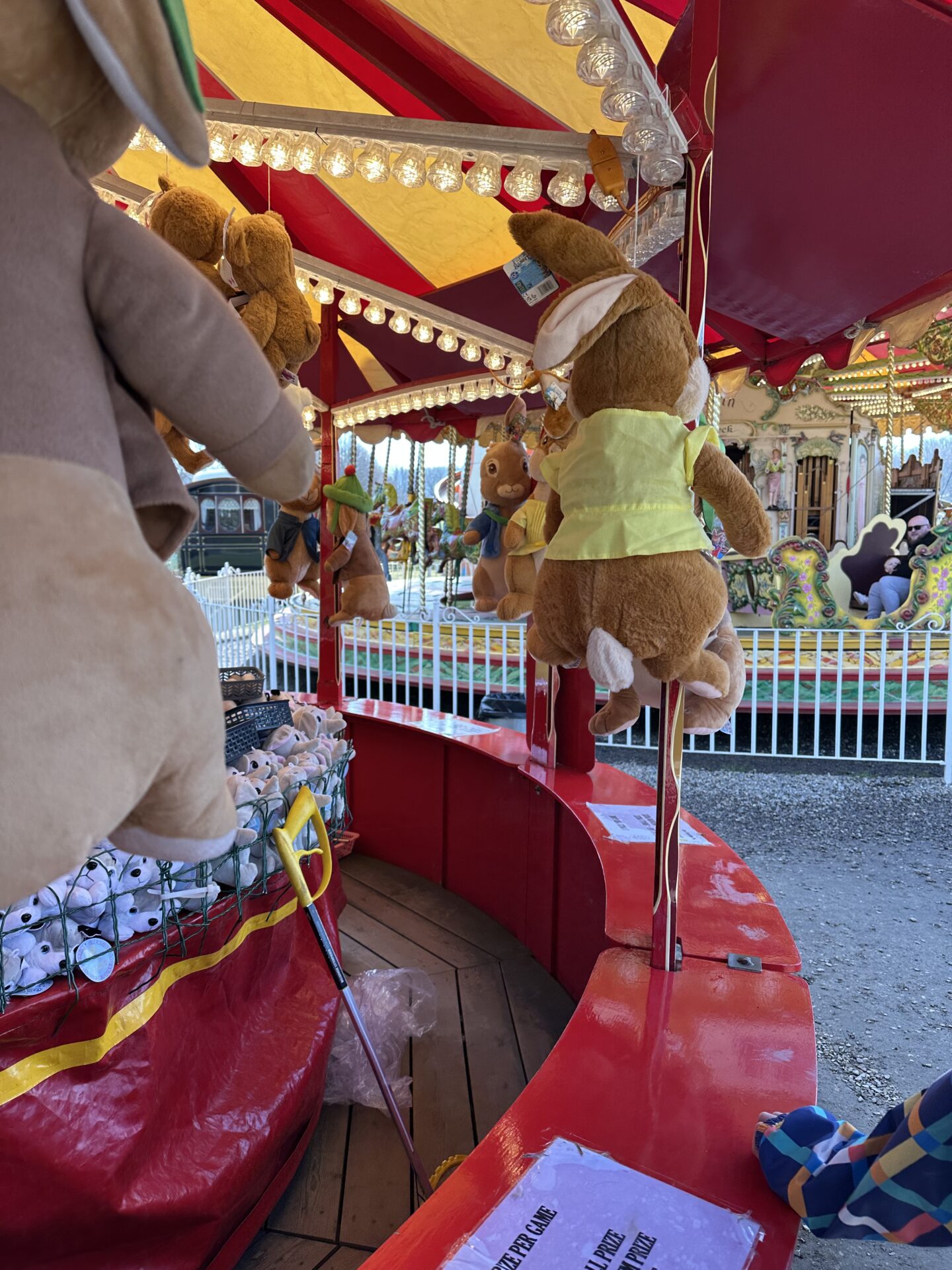
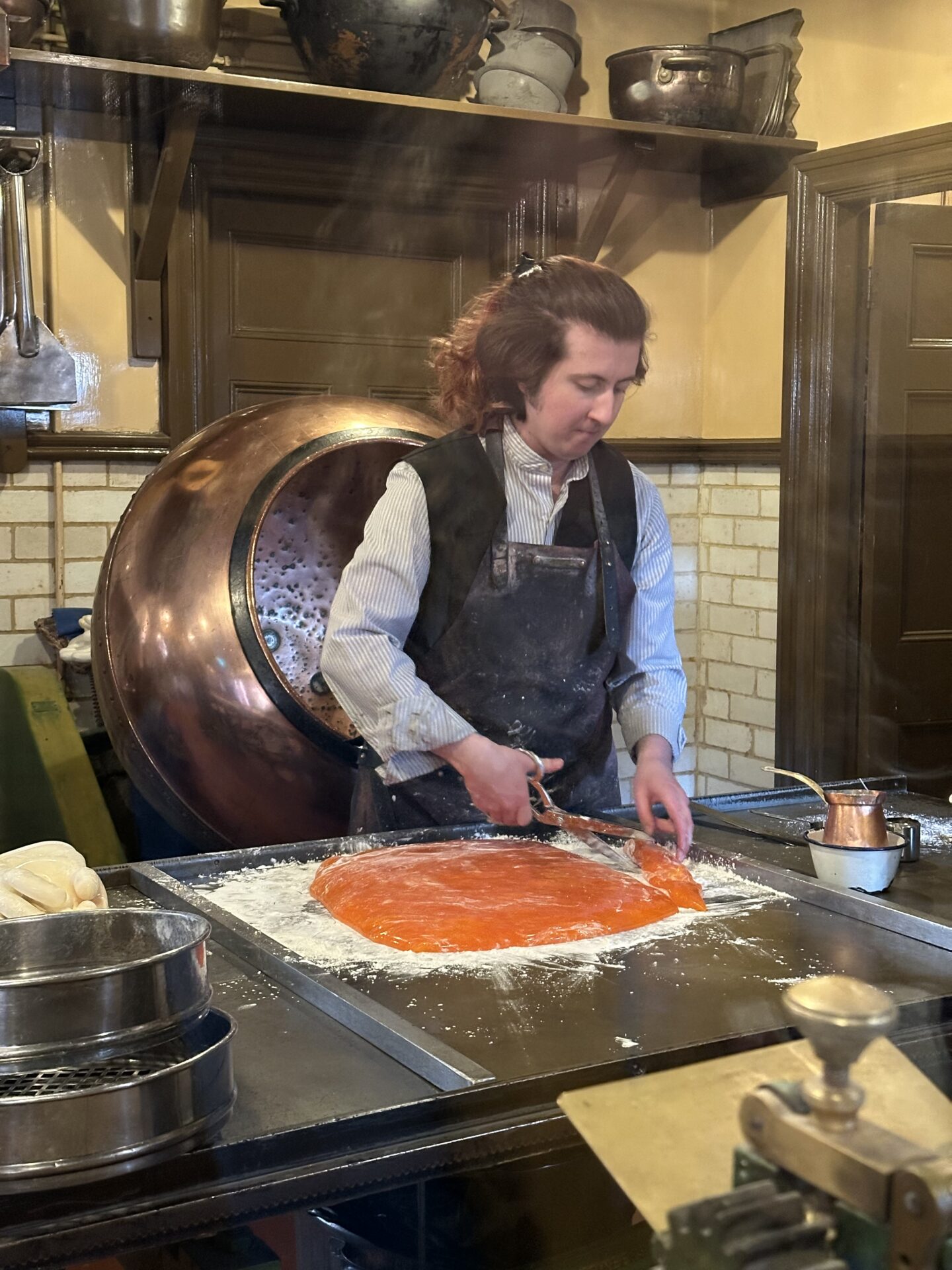
Our highlights of a visit to Beamish includes watching sweets being made in the sweet shop, discussing how much it cost for people to emigrate in the 1900’s in the travel agents, visiting the funfair, exploring an old mine shaft and touring the site on vintage buses. There are also vintage trams, although they were replacing the tracks when we visited. They should be fully up and running again by May 2025, so we’ll definitely have to go back and see them too!

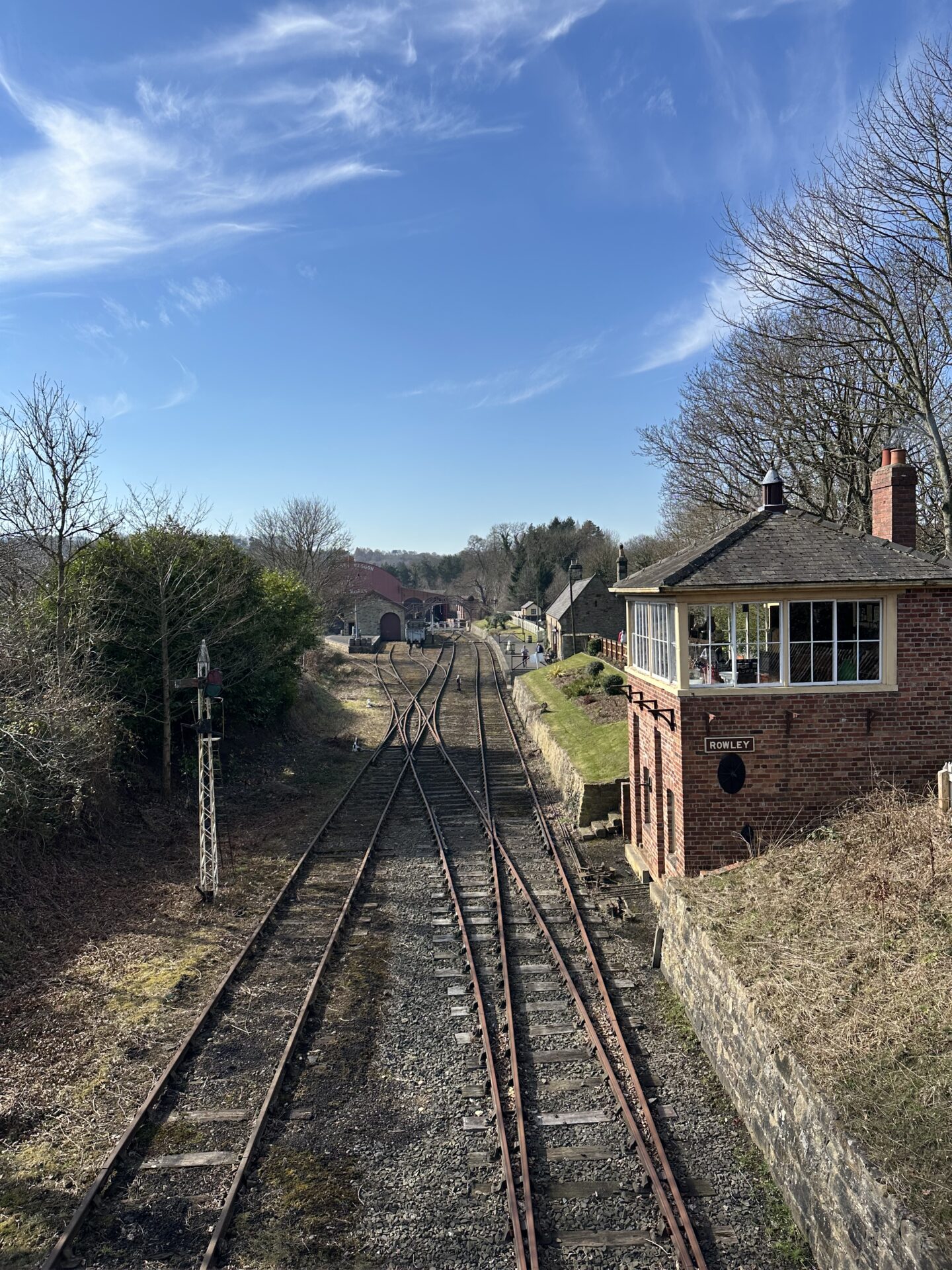
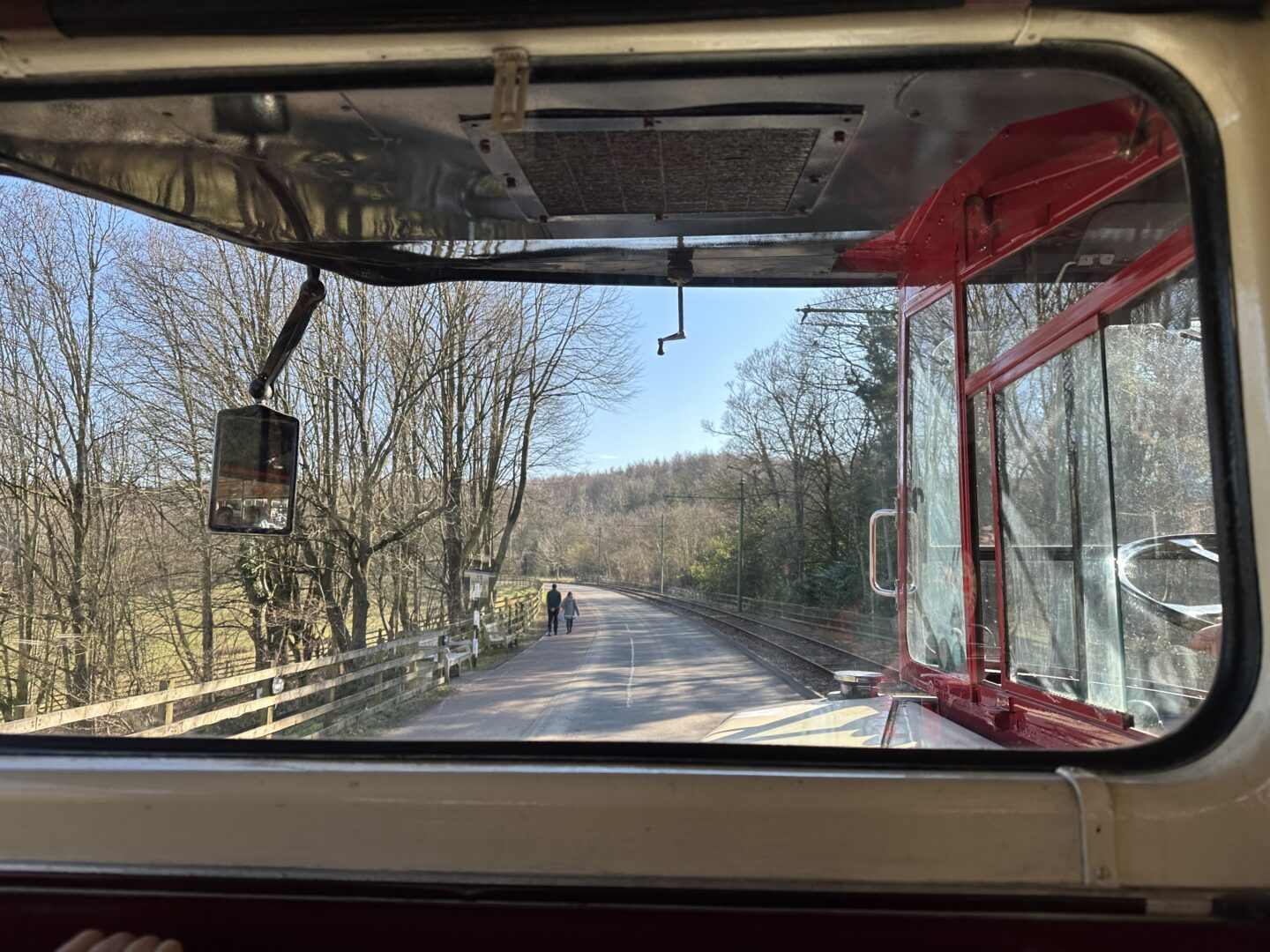
There are plenty of places to stop for a picnic, or you can opt to have a traditional fish and chips, Georgian food in the 1820’s tavern or visit one of the cafes in pubs dotted around. Don’t miss a treat of Beamish ice cream or buying a paper bag of sweets at the sweet shop.
Although we had a full day to explore Beamish, it’s impossible to see everything in one go! Fortunately buying tickets for a day gives you an annual pass that you can use for the year. So if you have time, spend 2 days at Beamish to get the full experience.


Locomotion National Railway Museum
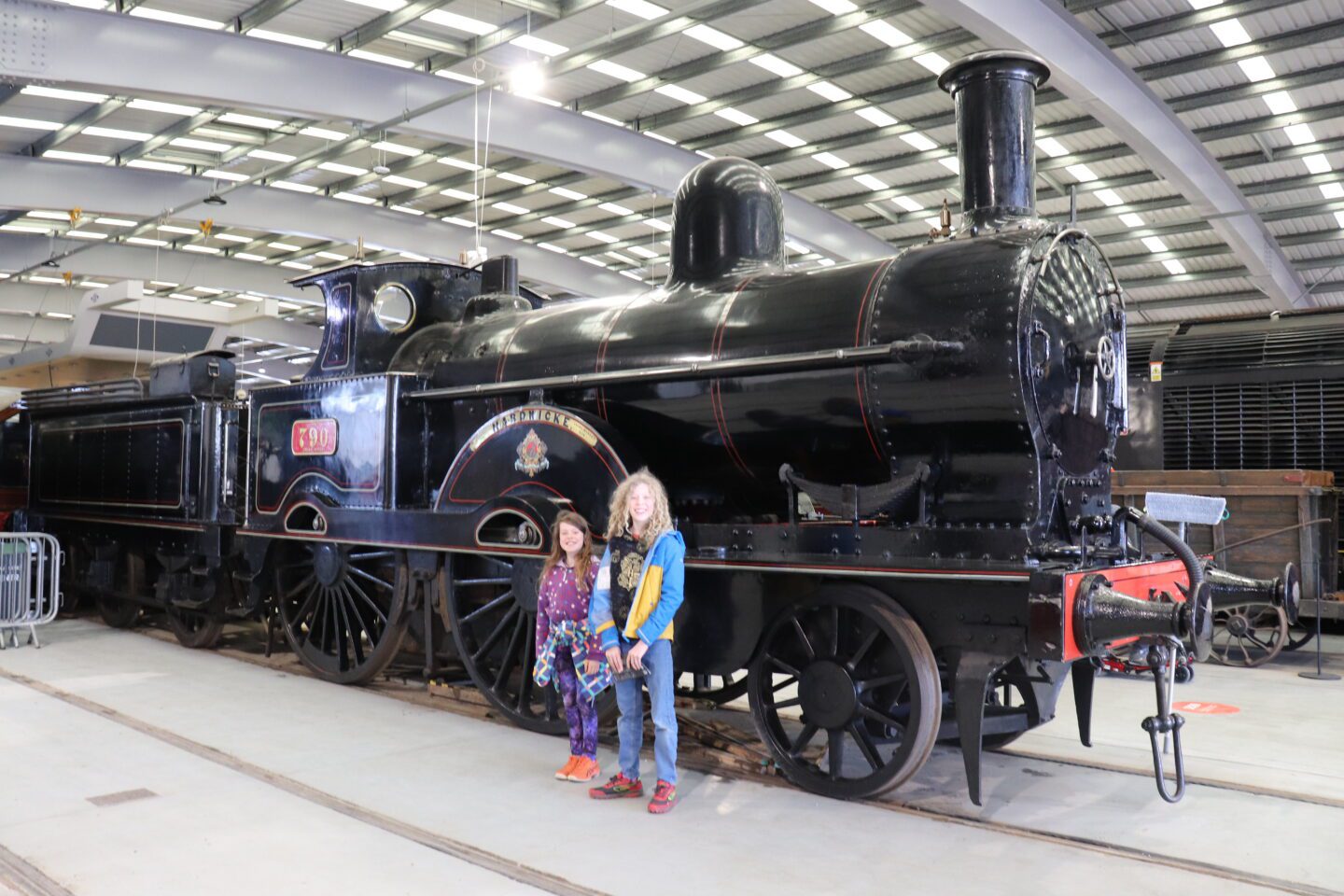



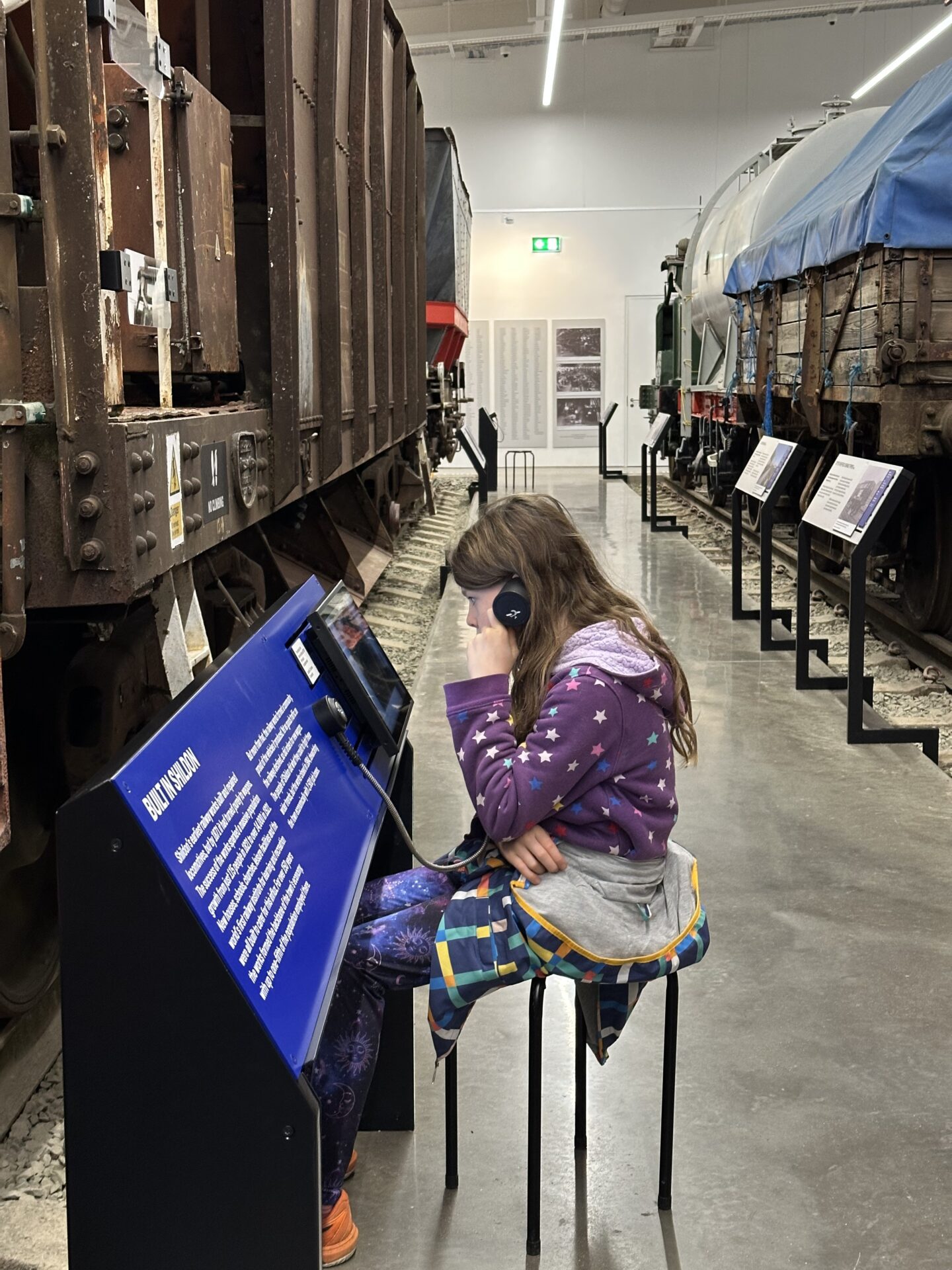
A visit to Locomotion Shildon is a must for train enthusiasts! With over 99 historic railway vehicles, Locomotion has the largest undercover collection of railway vehicles in Europe! There are plenty of interesting railway vehicles to admire. From Robert Stephenson’s Rocket, to huge snowploughs and a private carriage used by Queen Alexandra, with furniture and crockery still in place. There are plenty of kids activities spread throughout the main hall, from STEM building items to colouring sheets. In the school holidays there are even more activities available. You can also pick up a kids learning activity booklet or a hard hat and activities for the younger children. In the summer there are also train rides, an outdoor ‘beach’ and even the Flying Scotsman will make an appearance!


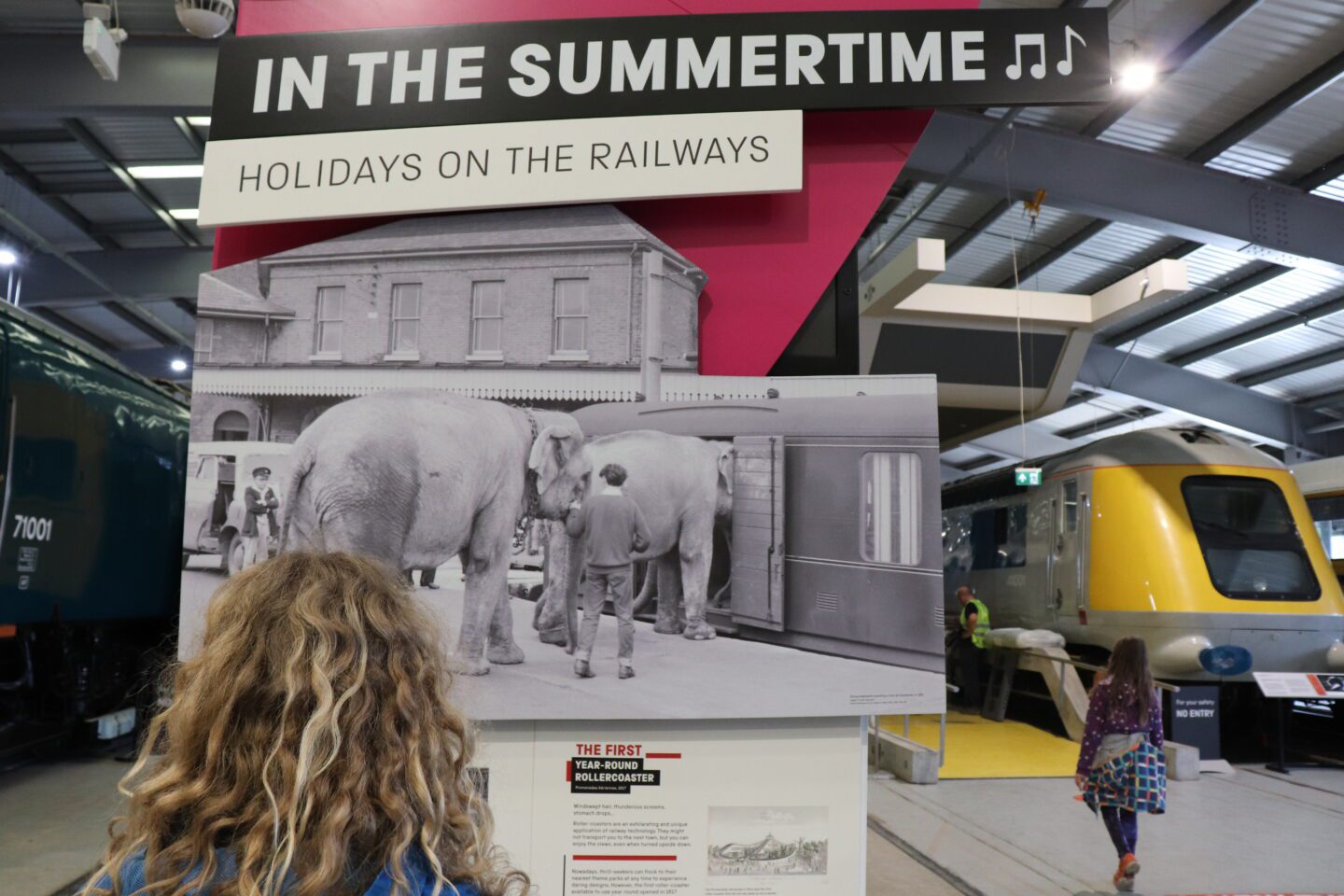
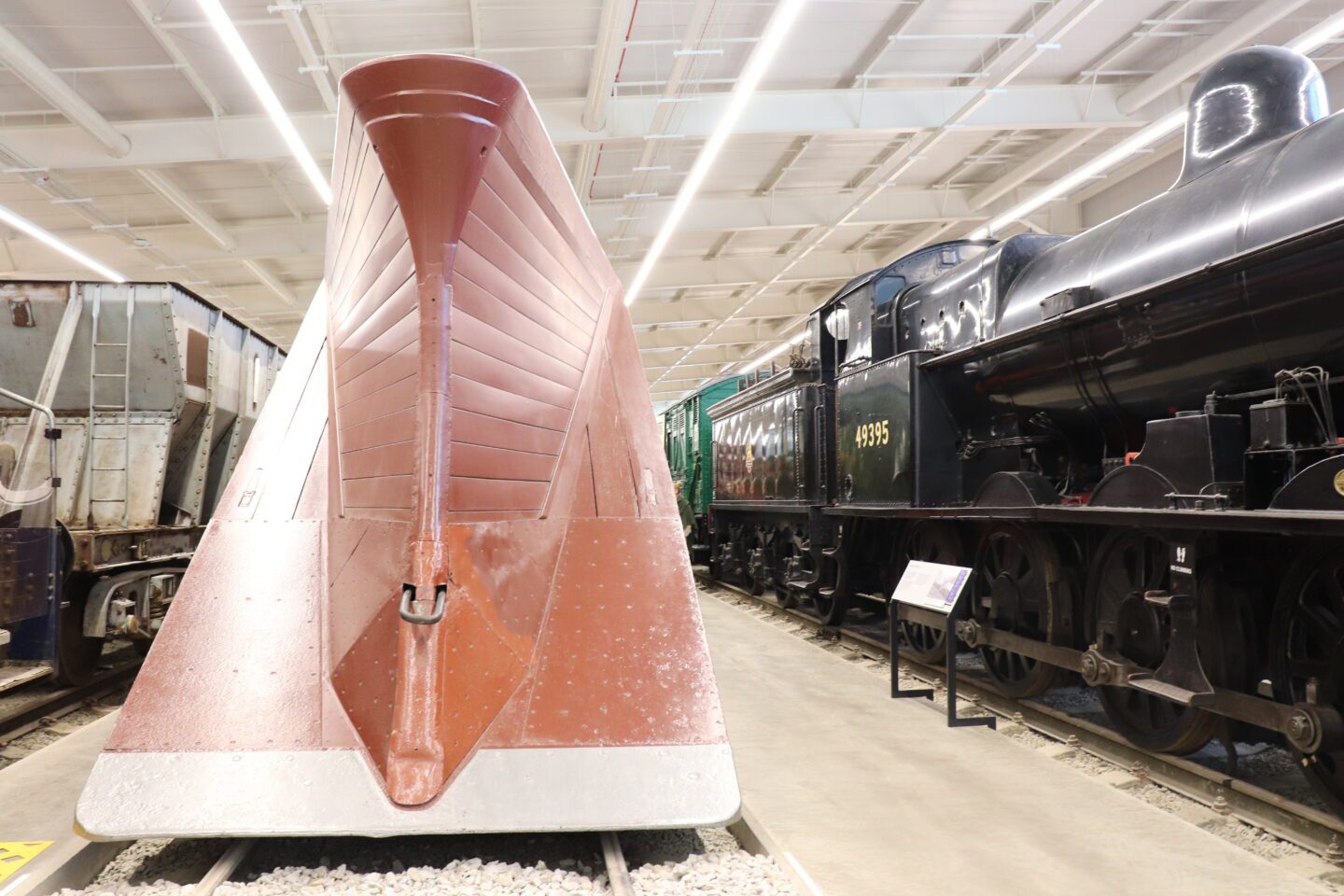

Alongside the permanent exhibits there is also a lovely cafe, complete with Eurostar seating. Where you can find drinks, cakes, hot and cold lunches (including kids boxes). Outdoors there is a picnic area and playground if the kids need to run around a little too. You can walk a little further to explore the open air historic buildings. These include Timothy Hackworth’s (a famous steam locomotive engineer) house, which is now a museum. Other buildings that can be seen (but not entered) include the Soho shed, goods shed and parcel office, Black boy branch buildings and the Welcome building.

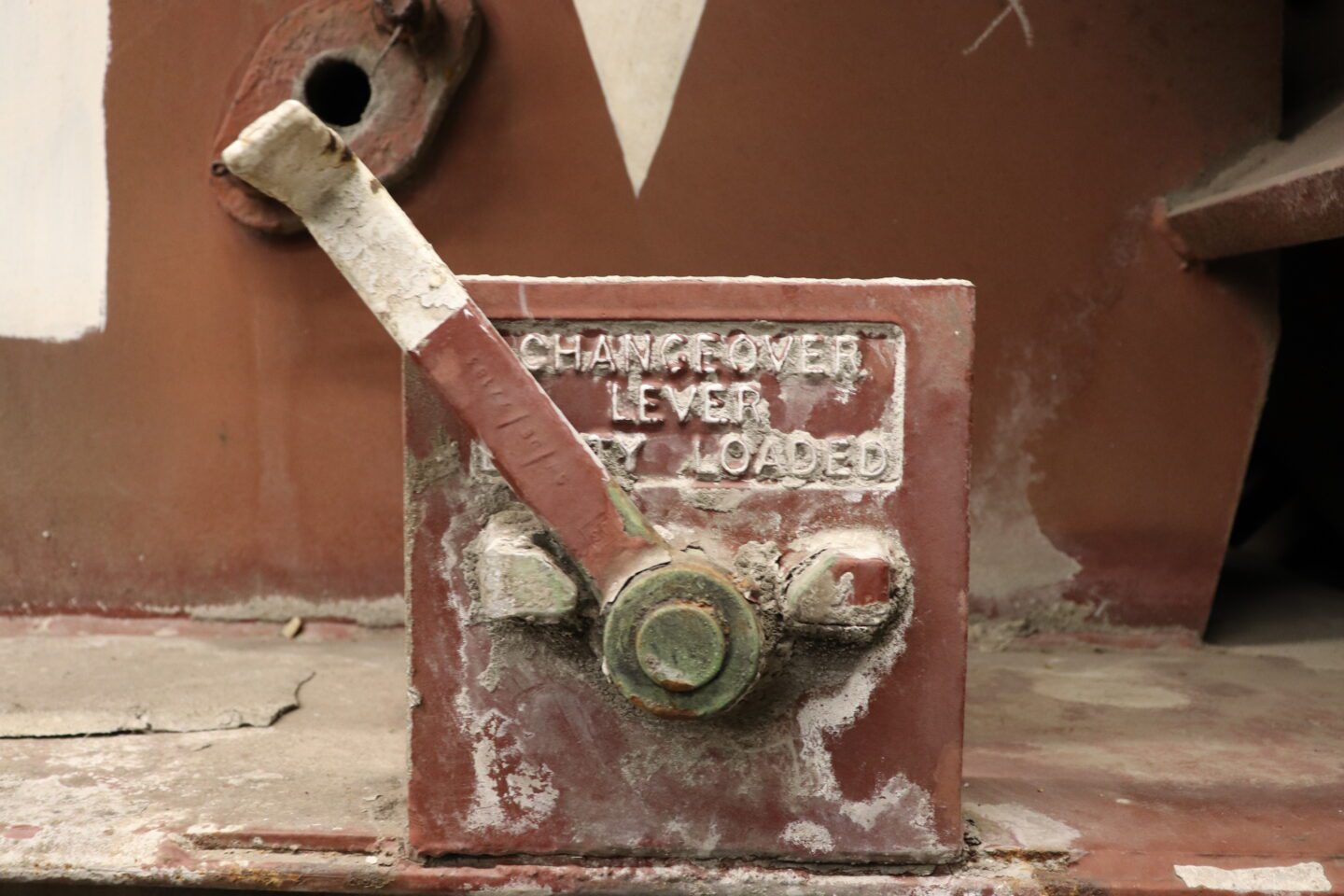




As 2025 is the celebration of 200 years of modern railway, with Stockton and Darlington railway playing a big part in this, there will be lots of extra events at Locomotion. So this is definitely the year to visit and learn more about Durham’s part in railway history. The S&DR200 festival programme can be found on Visit Durham’s page.
Auckland Palace
Visit one of the best preserved Bishop’s Palace’s in Europe – Auckland Palace. This is where the Prince Bishop’s of Durham were seated. They were given vast powers to rule the area around Durham, thanks to the Norman kings at the time. You can learn all about the (almost!) 1000 years of history of the palace. Including the throne room, private apartments and dining room.
Auckland Palace is part of the Auckland Project, a series of excellent attractions in Bishop Auckland. The Auckland Project was set up as a charity to establish Bishop Auckland as a must-visit cultural destination. So do check out their other attractions too, including; Weardale Railway, Auckland Tower, Mining Art gallery and Auckland Gardens.
Kynren
Open every Saturday evening from 19th July to 13th September 2025, Kynren is an awe inspiring 90 minute outdoor show. We visited Durham in March, so unfortunately we didn’t get to see Kynren. However, I’ve been well informed by everyone who has visited that it’s an epic tale of England that you shouldn’t miss!
The show tells 2000 years of history in just 90 minutes. Covering everything from Boudicca’s attempts to stop the Romans, clashes with Vikings, King Arthur and his mythical sword Excalibur, all the way to 2 world wars. That’s a lot to fit into 90 minutes, but with over 1000 members of cast and crew, they get through it all!
Things to do in Durham Dales
The Durham Dales are characterised by wide open moorlands, hills and pretty market towns and villages. There are so many wonderful walks and cycle routes around this area. From the C2C and W2W cycle routes to the Pennine and Weardale Ways, they are plenty of great places for outdoor adventures. But don’t miss these museums and historic places either!
Raby Castle, Park and Gardens


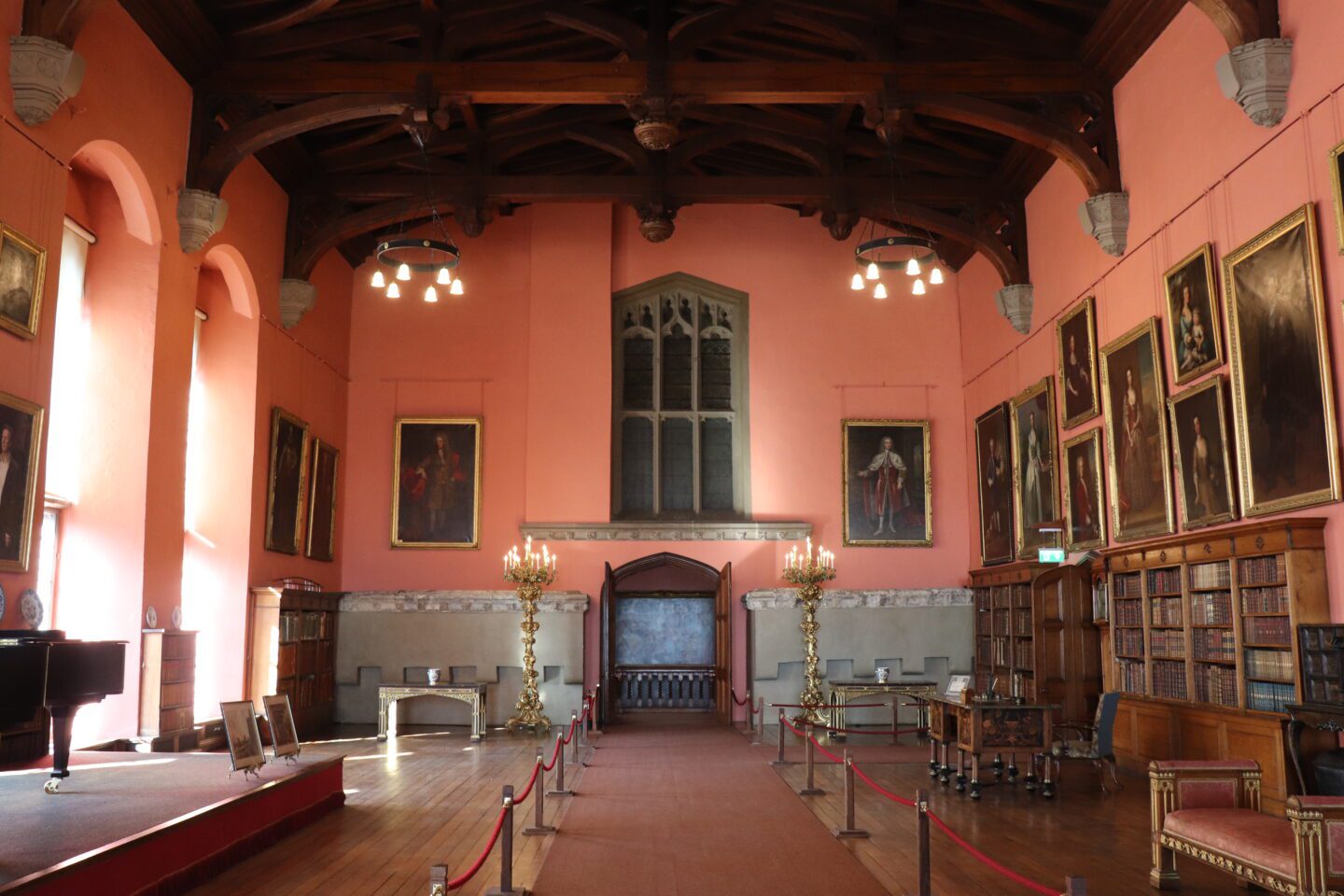


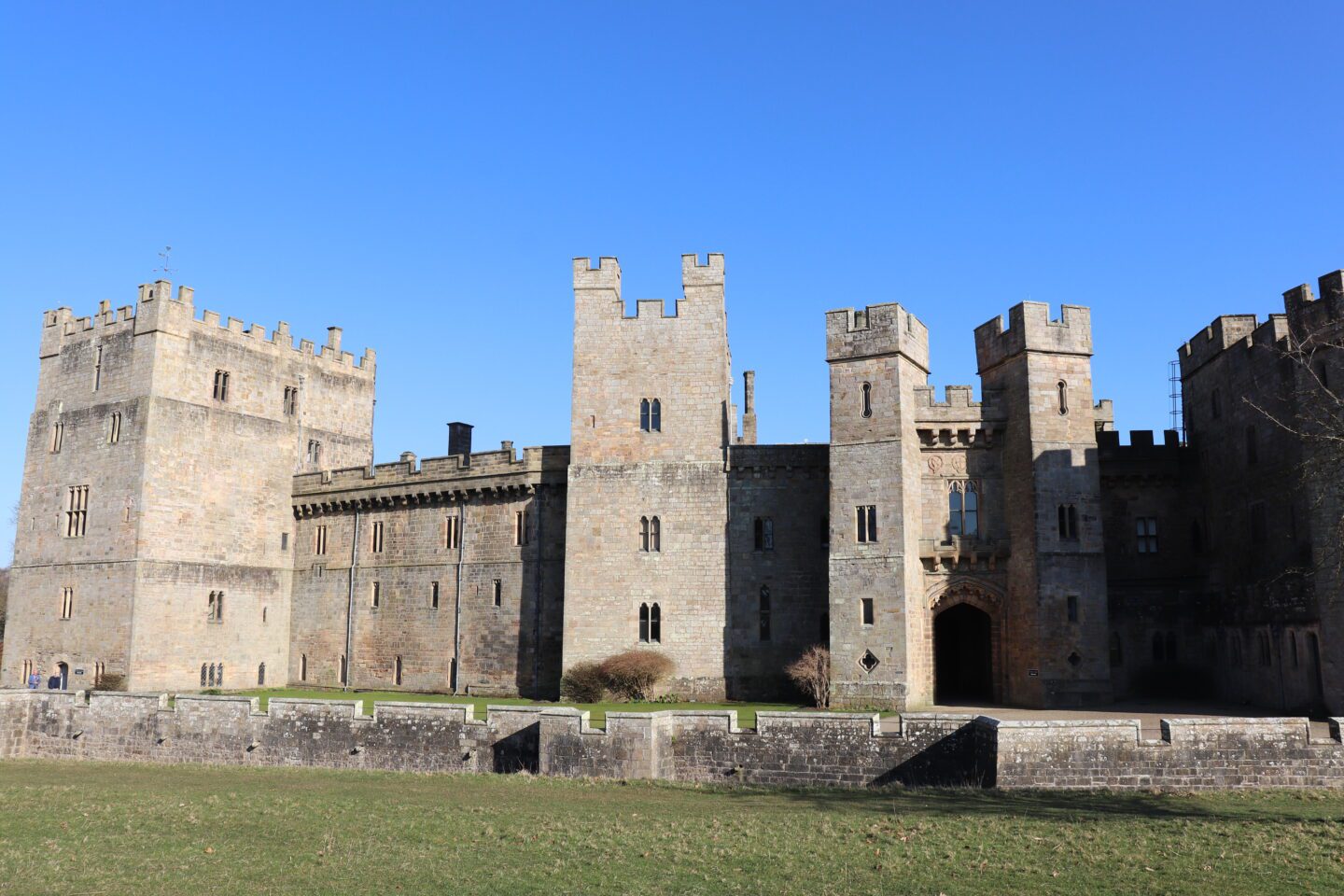
Raby Castle is a must-visit when you are in the North East of England. The castle was built by the powerful Neville family in the 14th century. The castle was later forfeited to the crown and then later purchased by Sir Henry Vane The Elder and it’s been in the Vane family ever since! The current Lord Barnard is actually descended from both the Vane and Neville families.
This medieval castle has had a few changes over the years, including making a horse and carriage shaped hole through the castle so the family and visitors didn’t need to get out of the carriage in bad weather! Raby castle is almost entirely intact, unlike many other castles in the UK. So it’s certainly an interesting place to explore. I highly recommend a guided tour, as the tour guides are brilliant at showing you the best parts of the castles, have excellent stories and seem to know the answer to every question.

A Lifestyle Destination
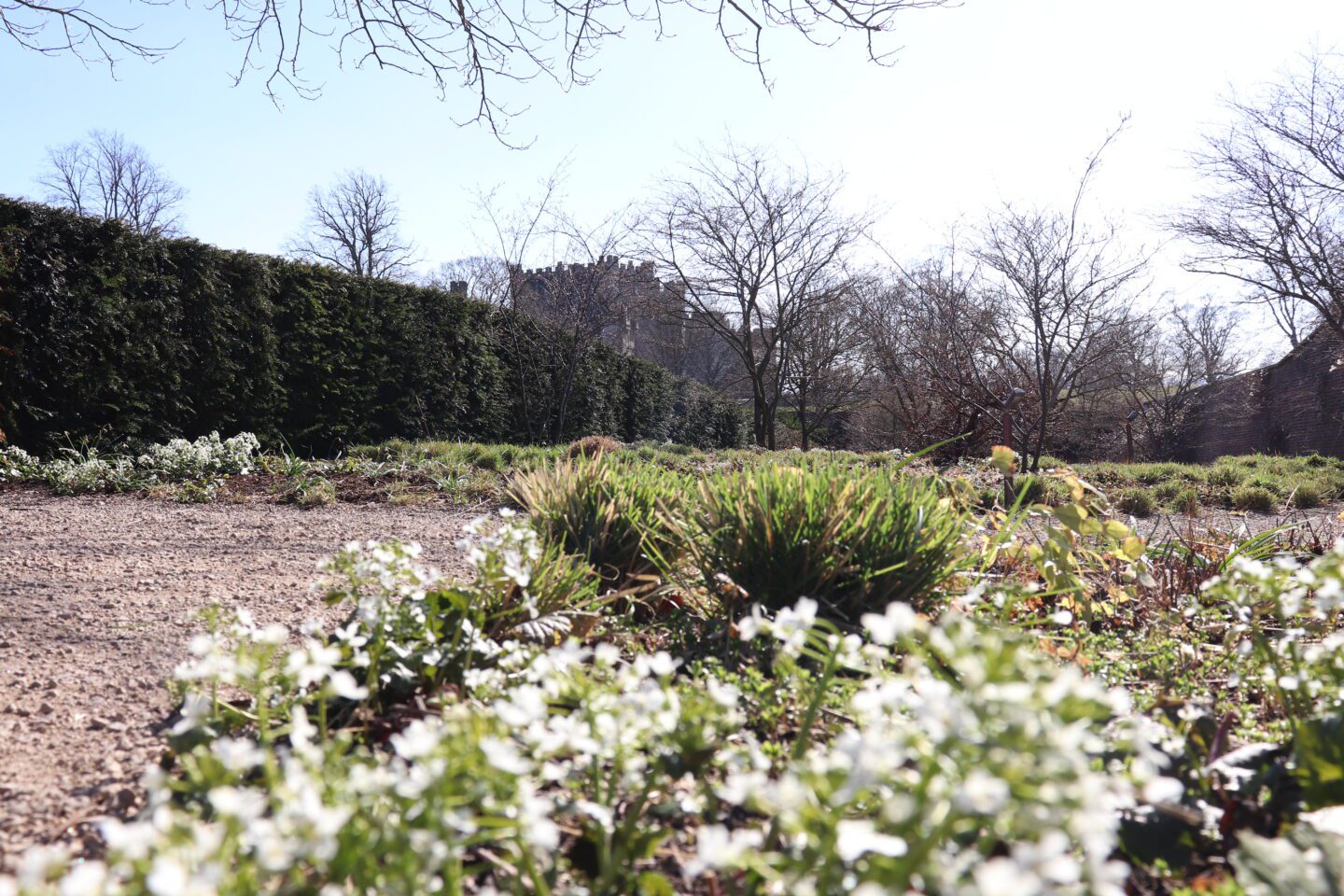
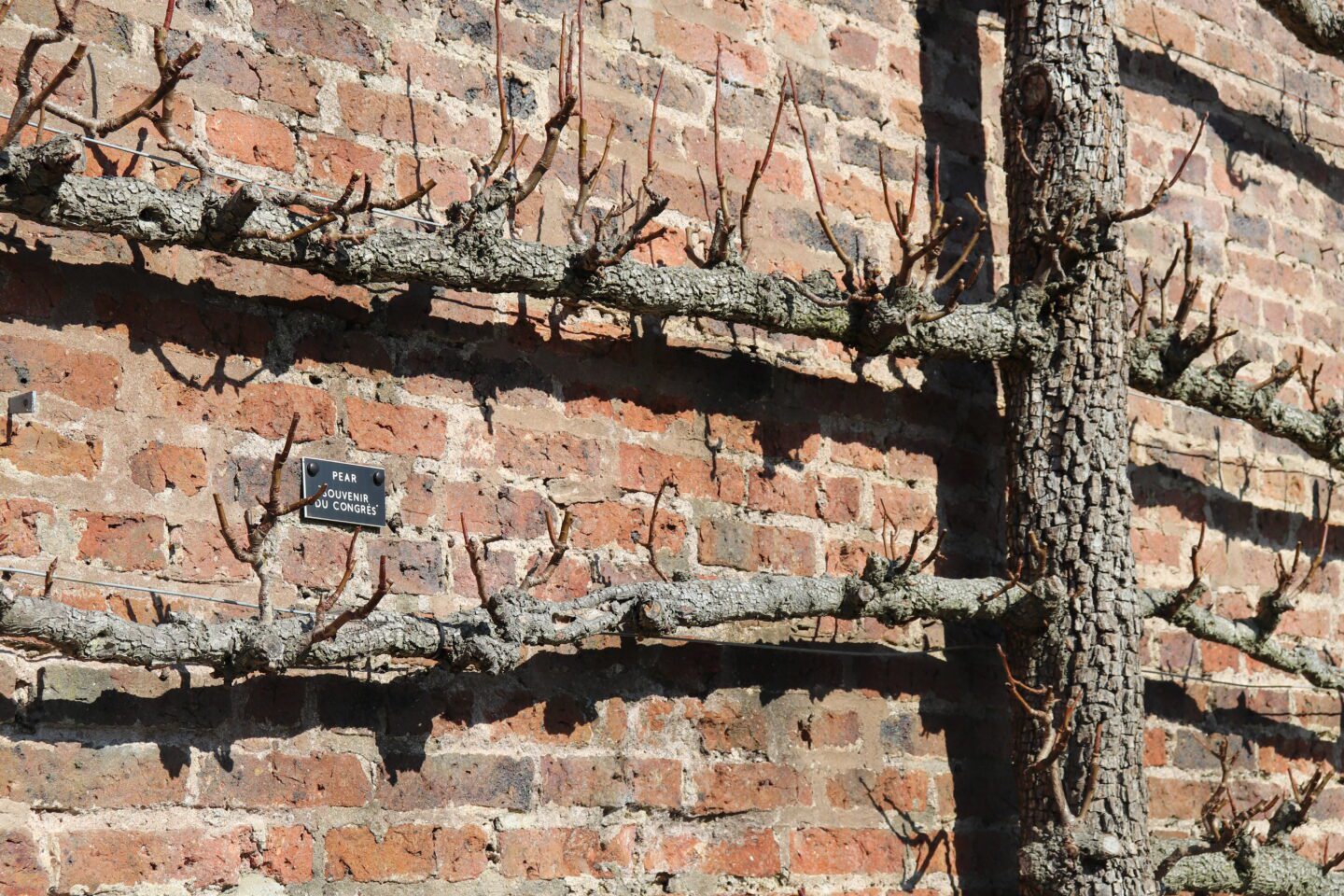
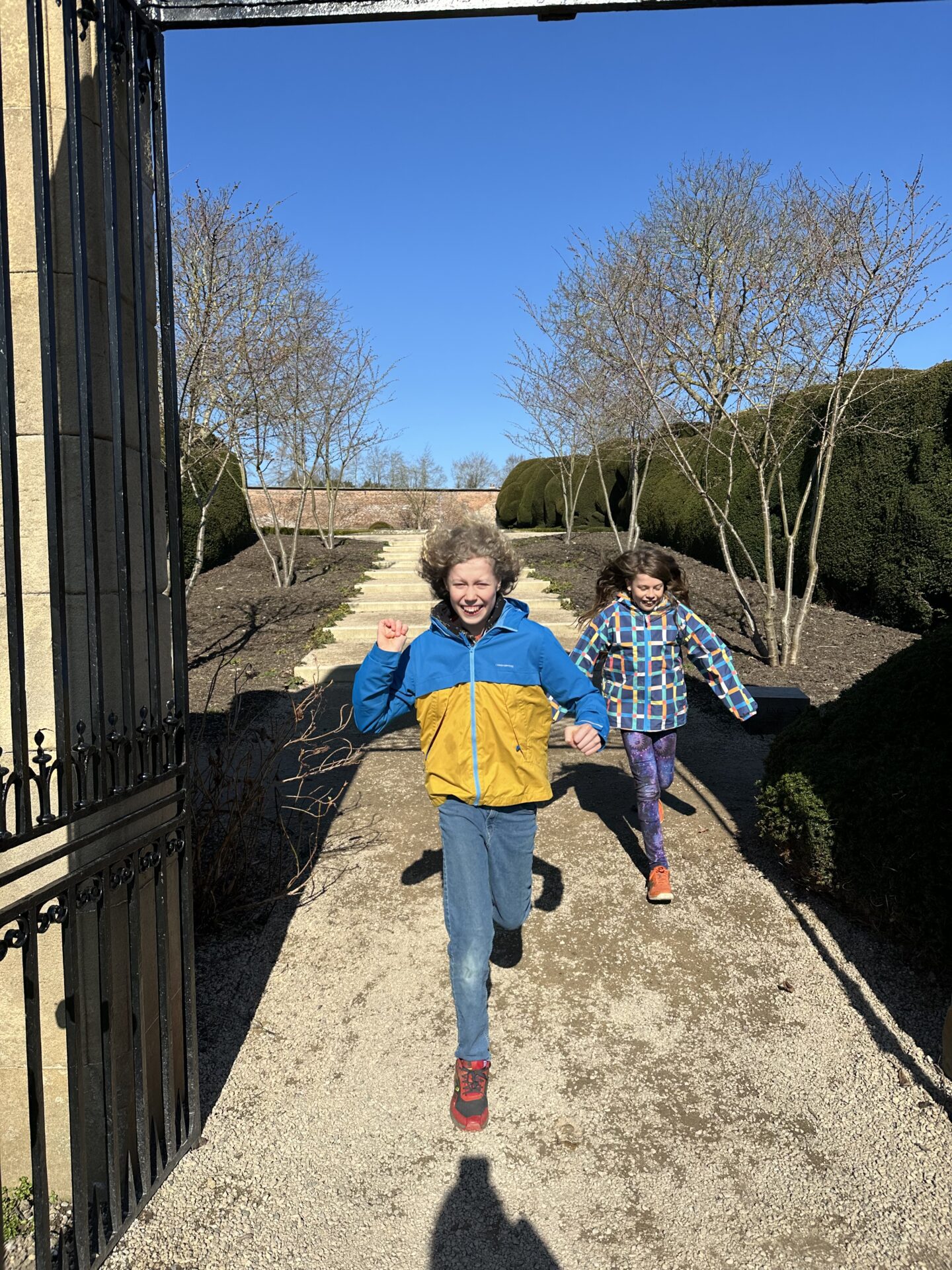
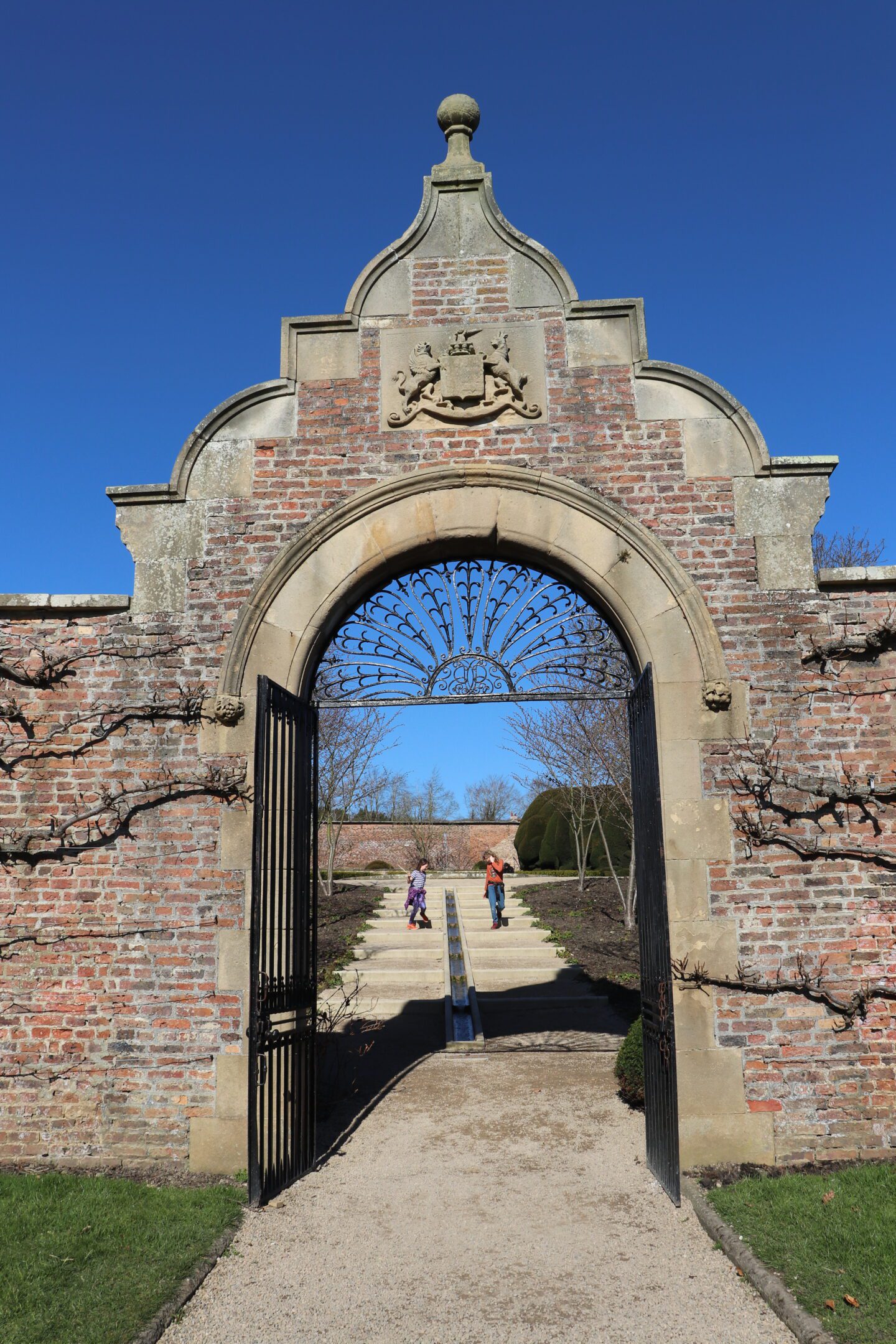
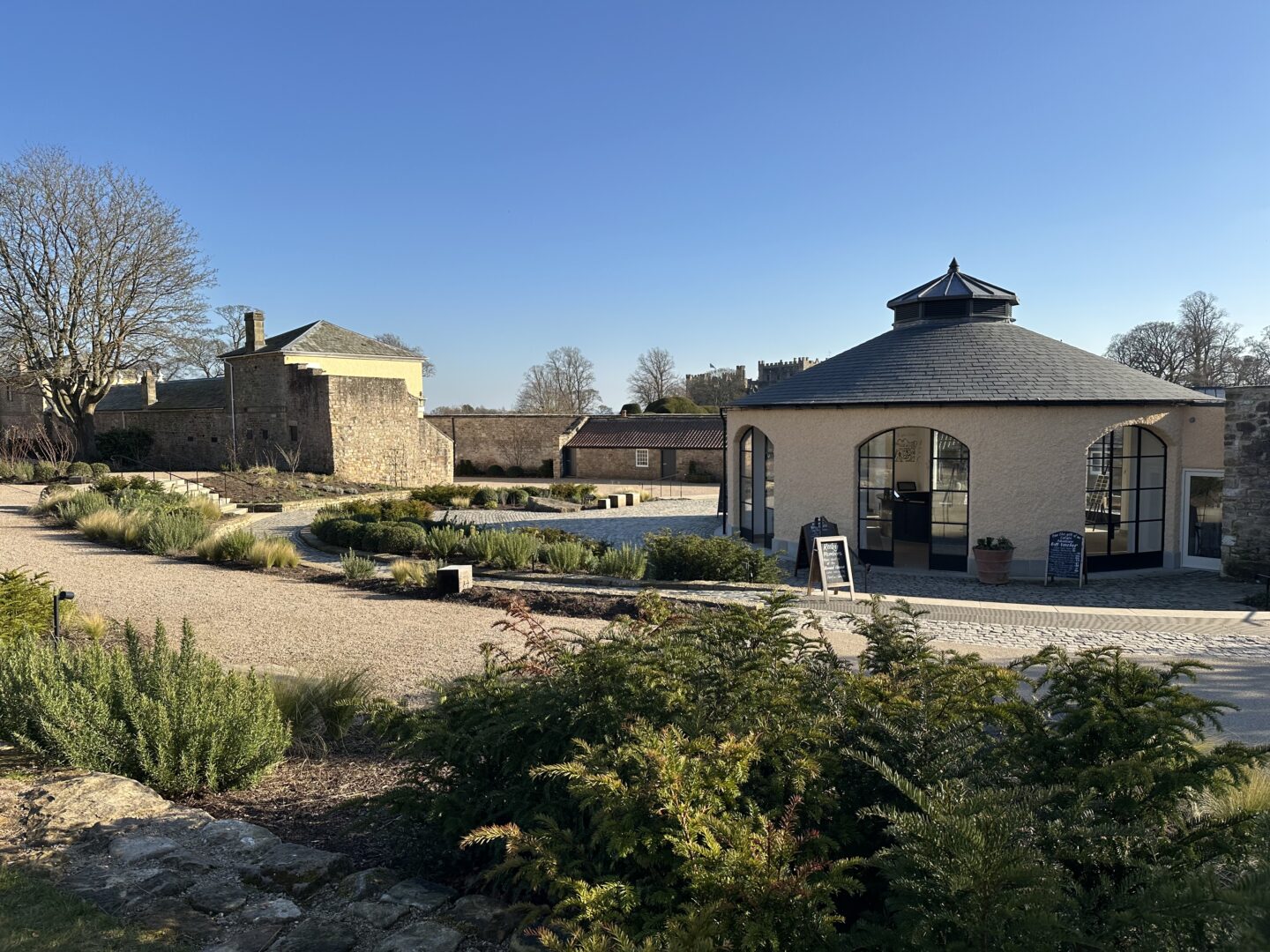
However, there is much more to see than just Raby Castle! The walled garden has been recently redesigned by renowned garden designer Luciano Giubbilei. With the estate’s well-known Yew hedges and Raby fig taking centre stage, and mazes and a lovely water feature to explore too. We visited in early Spring, but the garden comes into it’s own in summer when the plants are all flowering.


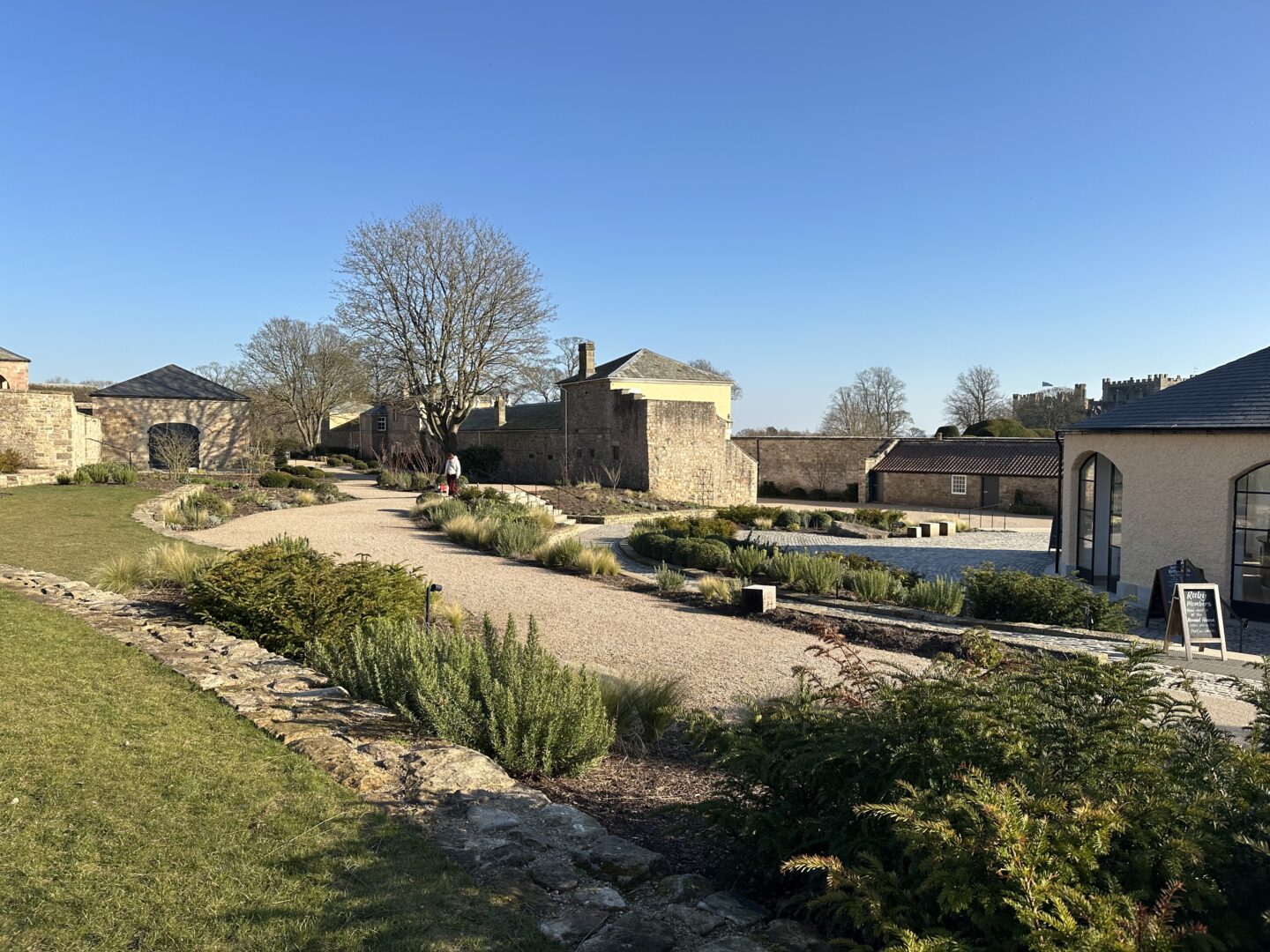

The castle and gardens are located in a 200 acre deer park. So ensure that you spend some time exploring the park and trying to spot the red and fallow deer that call Raby their home. The Raby Castle map shows various walks that you can take around the deer park.
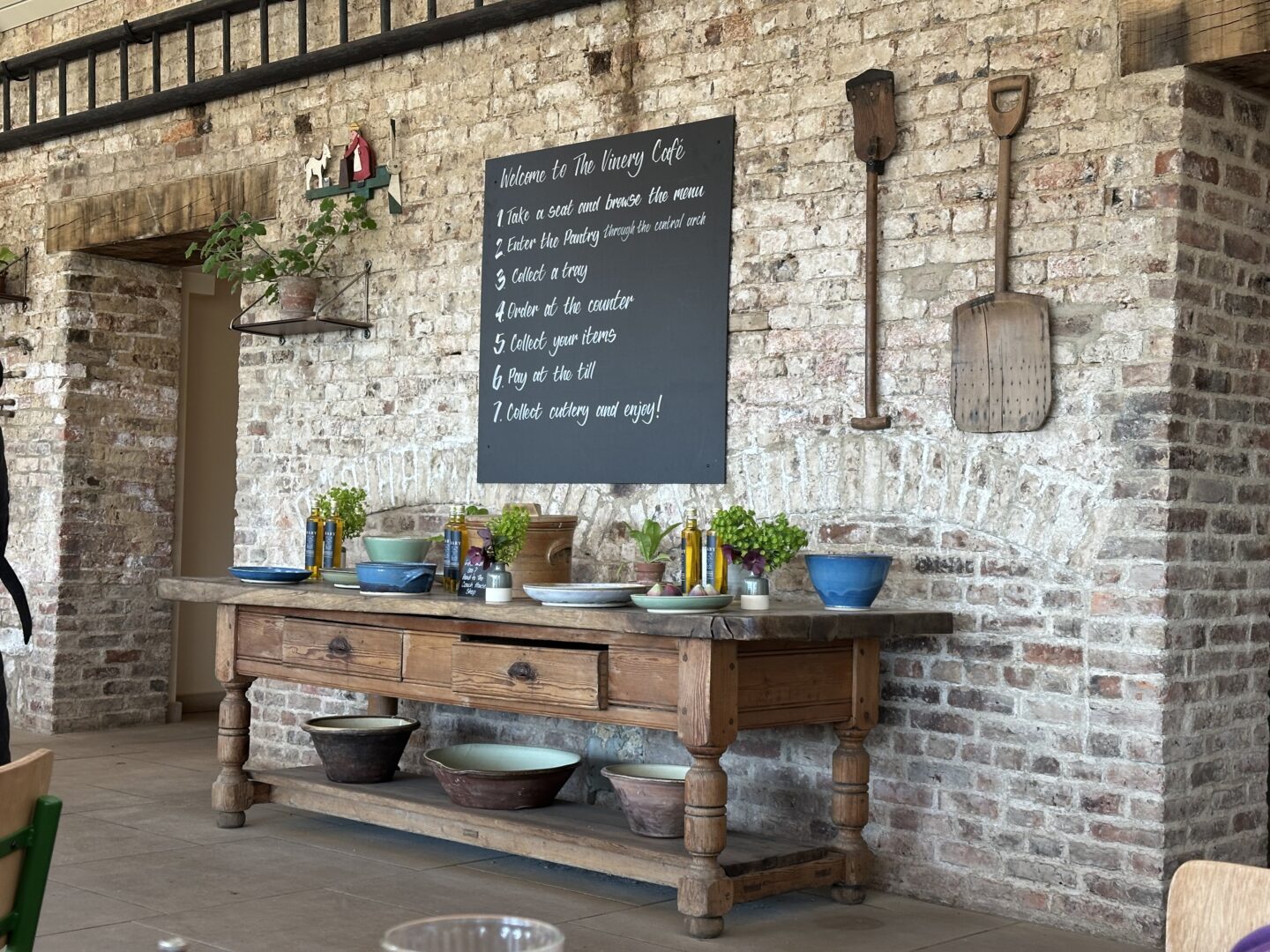
But this isn’t all! Raby Castle, Park and Gardens really is a must-visit lifestyle destination. Aside the castle, gardens and deer park, you can also find The Plotters Forest children’s adventure play park, open on weekend and school holidays. The Vinery restaurant is located in the stunning glass house, with delicious foods for all tastes and beautiful decor to admire. Then there’s The Coach House Shop with gorgeous home decor, gifts and children’s toys. It’s certainly an impressive day out for all the family!

High Force Waterfall
The dramatic High Force Waterfall is located on the Raby estate. Although it’s several miles from the castle and you will need a car to drive there, it’s worth a visit! Park at the High Forde Hotel car park (separate charges apply) and buy tickets for access to the waterfall online in advance. The waterfall is a spectacular sight with a 21m drop from the falls into the pool below. It’s a 20-30 minute round trip from the car park, but make it a bit longer by walking along part of the Pennine Way that runs right along beside High Force waterfall.
Barnard Castle
Barnard Castle can be found at the edge of the town of the same name. Although it is definitely in ruins now, unlike Raby castle, it still has some majestic splendour to explore. The first fortress was built here just after the Norman conquest of England in the 11th century. The original castle was placed in this position as it was an important Roman road crossing point of the River Tees. The castle remained in the Balliol family until 1296. It was then bequeathed to the Guy du Beauchamp, Earl of Warwick by King Edward I. They held the castle for 164 years before the castle was laid siege in the ‘Rising of the North’ in 1569. Later, it was left to fall into ruin. Although Sir Henry Vane of Raby Castle is also known to have plundered much of the stone for building work at Raby Castle.
Bowes Museum
Whilst visiting Barnard Castle don’t miss Bowes Museum. An eclectic art collection created by Josephine and John Bowes, you can find beautiful art, fashion and design. The mechanical moving silver swan is a real highlight. But also the stunning dresses, ceramics and paintings. Every Saturday afternoon 1-3pm there are also children’s artist workshops, so do consider visiting one of these if you have you young kids.
Other Nearby Destinations You May Enjoy

Pin The Best Things To Do In Durham, England
