There’s a phrase family photographers like to use: a USB drive is where good intentions go to die. It’s harsh but honest, and most of us are sitting on thousands of digital photos we love and never actually look at. They’re scattered across phones, laptops, and cloud drives whose passwords we can’t quite remember.
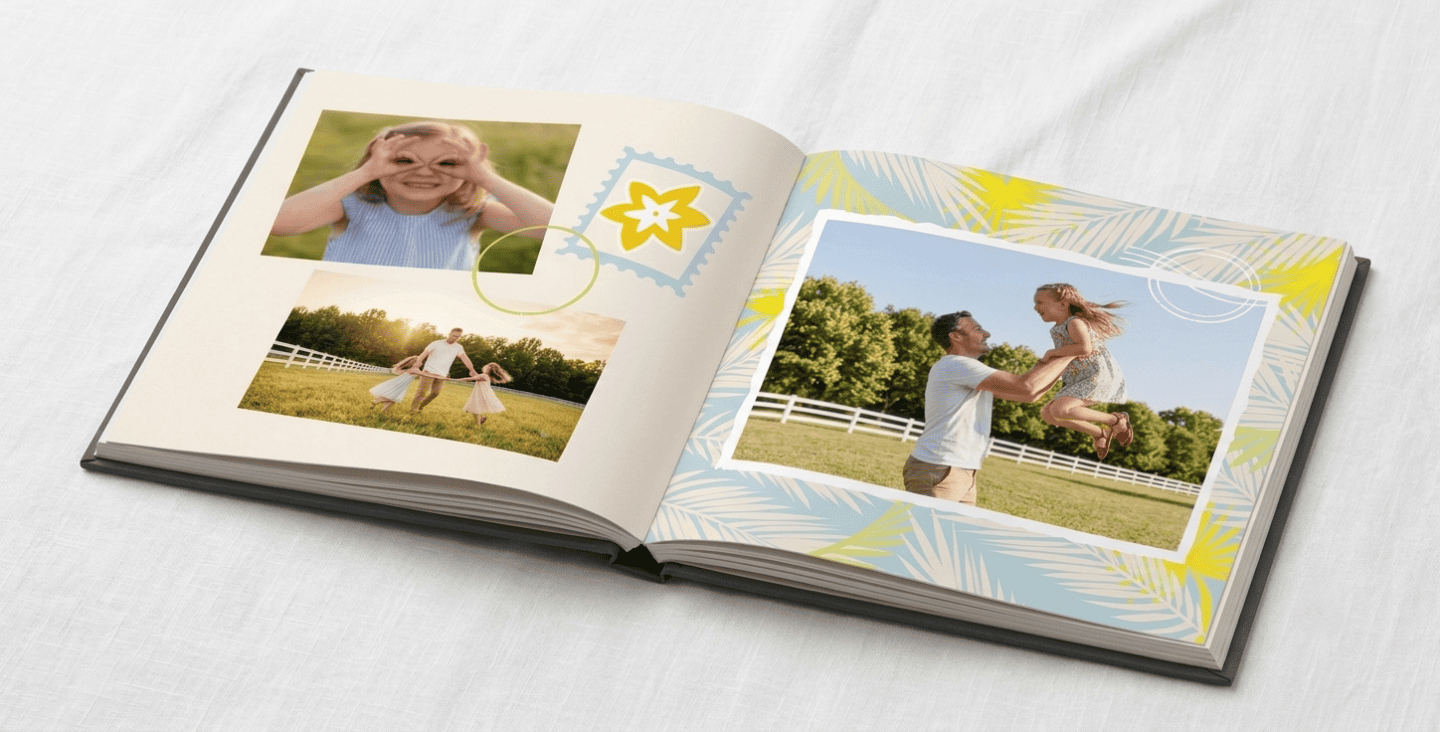
A photo book does what all those digital files can’t. It turns thousands of files into a single, tangible object your family will actually pull off the shelf. I’ve made a few photo products over the years through MYPICTURE, and the ones that get reopened are always built around a story rather than a random photo dump. Here are eight types worth making, from an annual yearbook to a home education journal, with a note on who each one is really for.
Table of Contents
1. The Annual Family Yearbook
The whole year in one book: holidays, birthdays, everyday moments, school milestones. Best made in January, when the previous year is finished but still vivid. Aim for three or four photos per month and mix the big events with the quiet ones: Sunday breakfasts, a Tuesday walk, the messy kitchen mid-cooking. Those everyday shots are what make the book worth reopening five years later, long after the birthday party photos have started to blur into each other.
2. The Travel & Holiday Photo Book
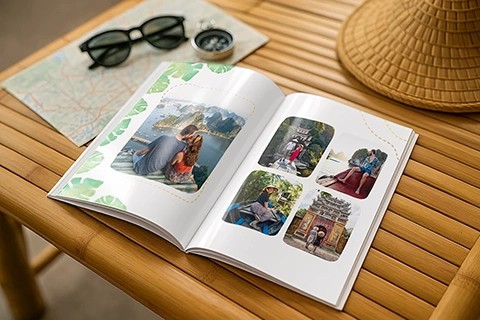
One trip, cover to cover. Works best for holidays with a clear arc: a road trip, a first flight abroad, a big family expedition somewhere new. Include the “boring” bits alongside the highlights: the drive, the hotel breakfast, the tired car nap, a ticket stub, a map screenshot, the food you can’t quite name. Those are the details you’ll forget first, and the ones your children will love finding years later.
3. The Milestone Celebration Book
A dedicated keepsake for one significant family day. Denser than a year-in-review but narrower than a trip book. Include the build-up (the invitations, the outfit choices, the setting-up), the day itself, and the quiet aftermath: the tired faces, the leftover cake, the family group photo that took twelve attempts to get right. Those aftermath shots are usually the most honest in the whole book.
4. The Family Heritage Book
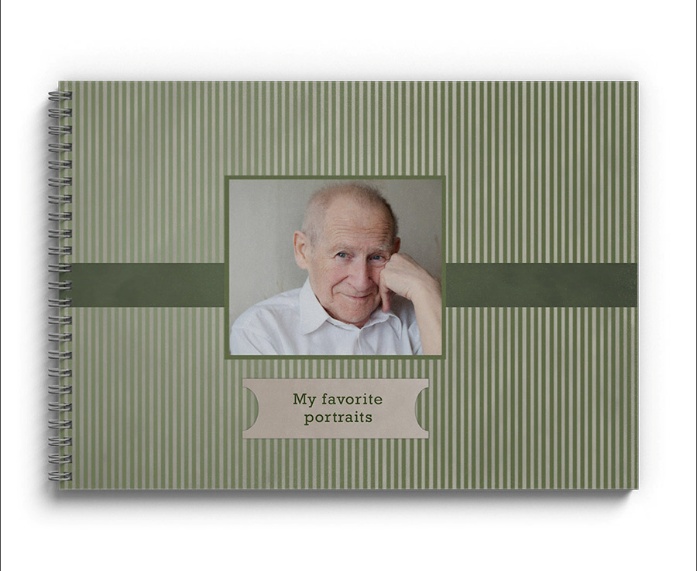
A living family tree, built from older scanned photographs, handwritten letters, marriage certificates, and stories from grandparents. This is the book that connects your children to great-grandparents they may never meet. Include short captions with names and dates. Memory fades fast, and the person who could confirm who’s in that 1962 wedding photo won’t always be around. Best made in collaboration with the oldest relatives you can still speak to.
5. Baby’s First Year Book
The pregnancy-to-first-birthday arc, ending on the messy cake shot. Include the small everyday photos (naps, first tastes, bath time, the exhausted-parents selfies at 4 am) alongside the big milestones. It’s the small ones parents forget. Add monthly captions with weight, favourite noises, first words, funny habits. Best made close to the first birthday, while the details are still fresh in your head rather than a year later when they’ve blurred together.
6. The Kids’ Artwork Book
Photograph your children’s paintings, drawings, Lego builds, and school projects, then compile them into a book. Solves the “we can’t keep every piece of paper” problem and turns a fragile pile into something durable the kids will genuinely re-read. Works especially well for younger children whose artwork evolves fastest. A book covering ages three to seven shows real developmental change on the page, from stick figures to fully populated scenes with weather and dialogue.
7. The Sibling Storybook
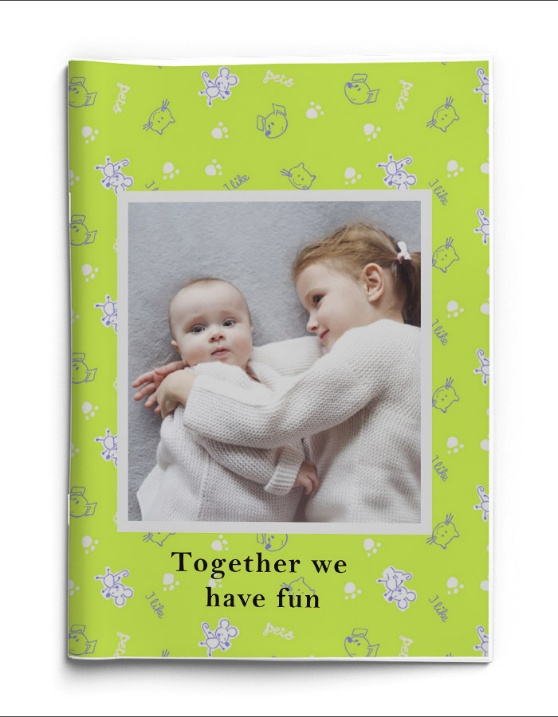
A light-hearted, candid collection focused entirely on the bond between your children. Playtime, shared reading, sibling arguments, tender moments, the running jokes only they understand. Skip the posed shots. It’s a brilliant gift for grown siblings decades later, and a lovely record for parents in the middle of the loud years, when it’s easy to forget how often the same two children who are fighting also make each other laugh.
8. The Home Education Learning Journal
For home-educating families, a photo book becomes a genuine record of a learning year. It doubles as a portfolio for anyone who needs one, and as a memory book the children themselves will pull off the shelf years later. Include short captions naming the topic or project; the specifics are what make it a record, rather than just a scrapbook of nice days out.
So, which one should you make first?
The difference between a photo book that gets shelved and one that gets reopened is the story it tells, not the photos it contains. Pick one of the eight above, choose a story worth telling, and start there. You don’t need to make all of them. You just need to start with one.
Which of these would you make first?