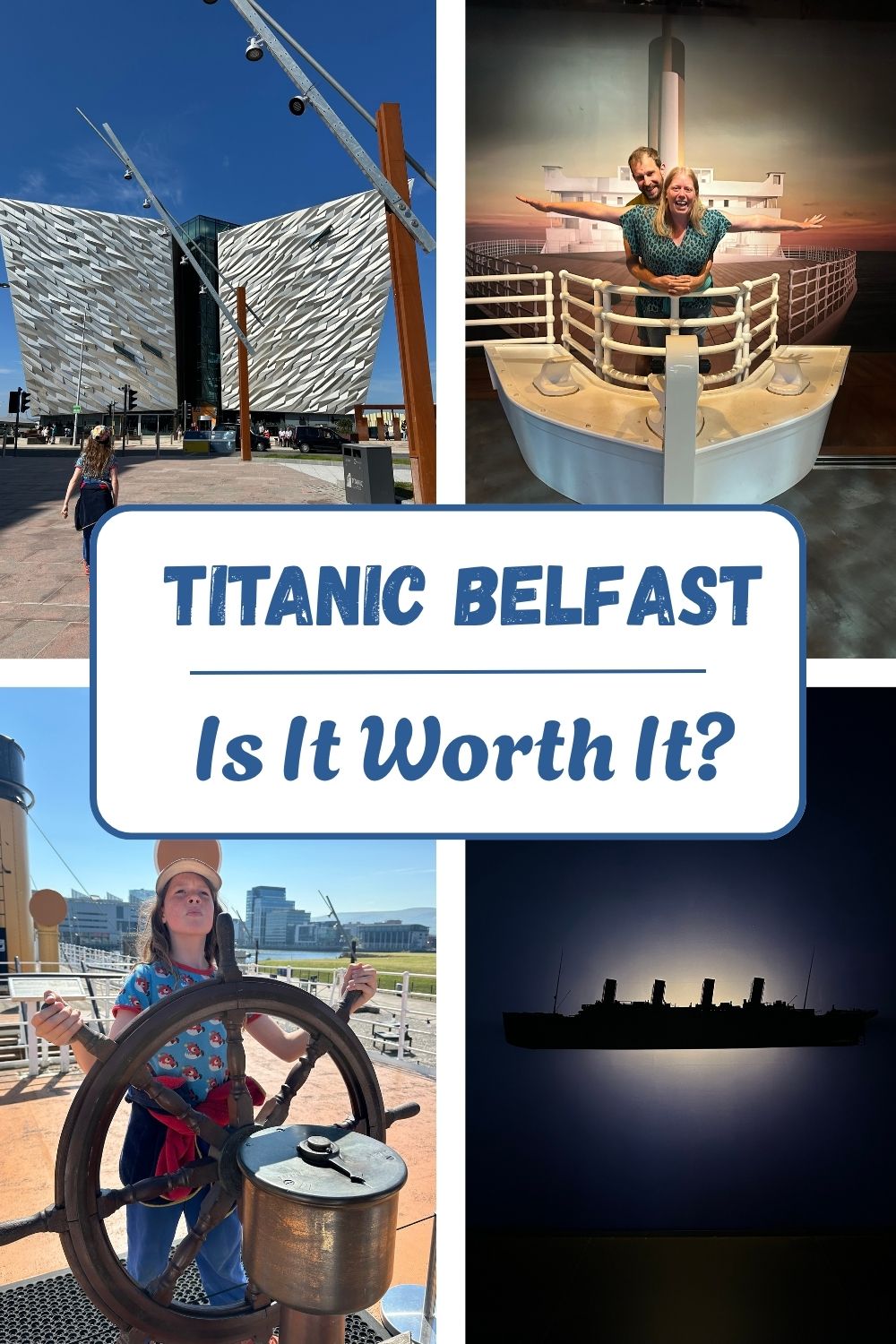
The man at the ticket office suggested it would take 1.5 hours to walk around the attraction. But 4.5 hours later and we were still there. So I think that is a ringing endorsement for visiting the Titanic Belfast!
So what are the specifics, why is it so good, is it suitable for children and what facilities are there?
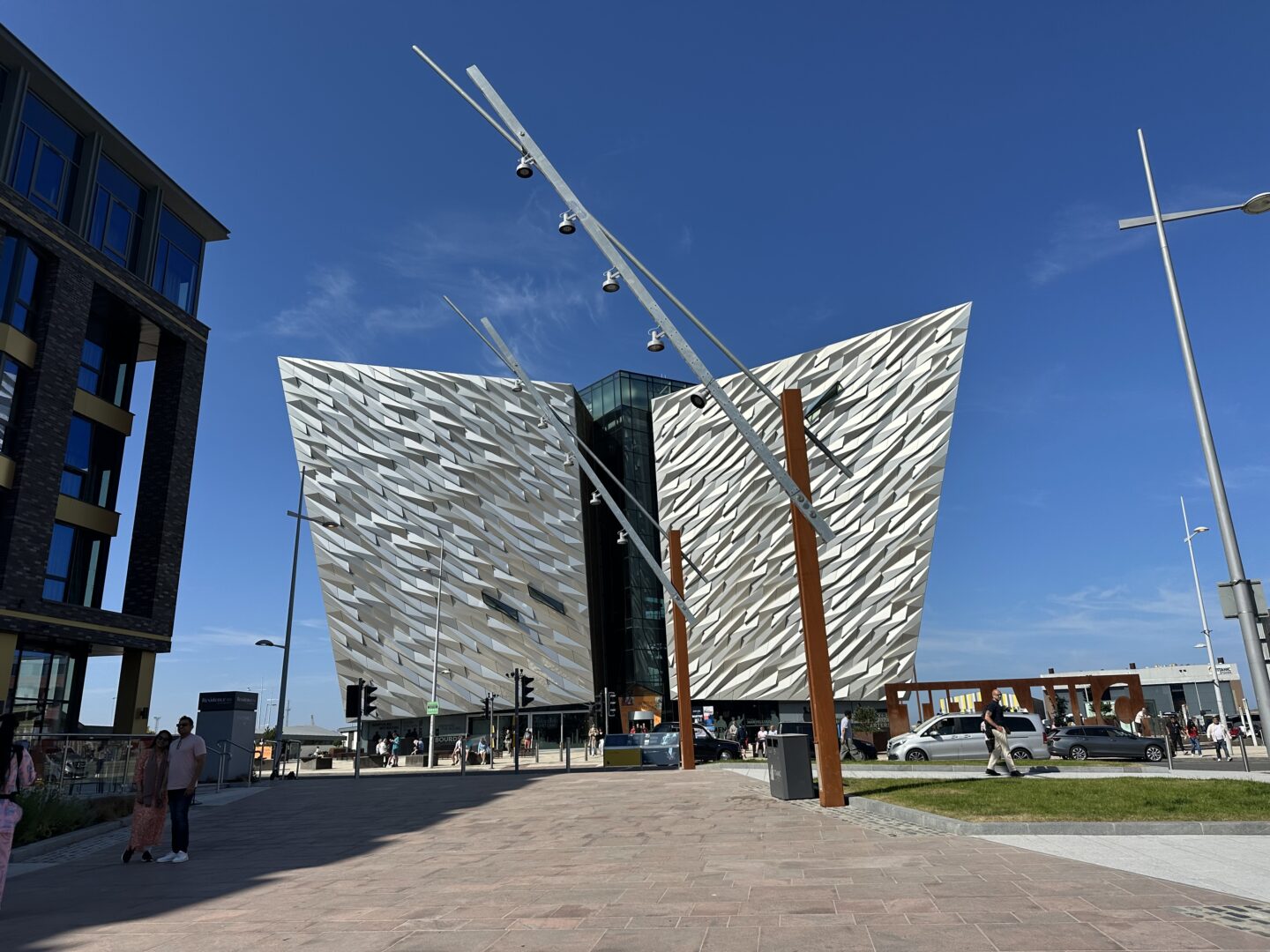
Table of Contents
Titanic Belfast Facilities
Parking
There is plenty of parking available at Titanic Belfast. Head around the back of the building and follow signs for the underground Titanic Belfast and Titanic Hotel car park. They are both in the same place (in case you’re worried that you’ve parked in the hotel car park!) and you can pay for parking when you leave. There’s over 500 spaces, so you shouldn’t have a problem finding a space. Take the escalator up to the main foyer of Titanic Belfast. There are also 6 electric charging spaces available.
Toilets
There are many toilets throughout the building, from the main foyer, down the escalator near the car park and at a variety of points throughout the main musuem itself. You can also find toilets available on the Nomadic ship.
Places To Eat
When you arrive in the main foyer of the building you can find several different places to eat. From sandwiches and snacks, to more filling meals.
Shop

There is a large Titanic shop where you can buy souvenirs from your visit. We bought a magnet, which has been added to our large collection on the fridge door! However there are many more exciting souvenirs in the shop.
Titanic Belfast For Kids
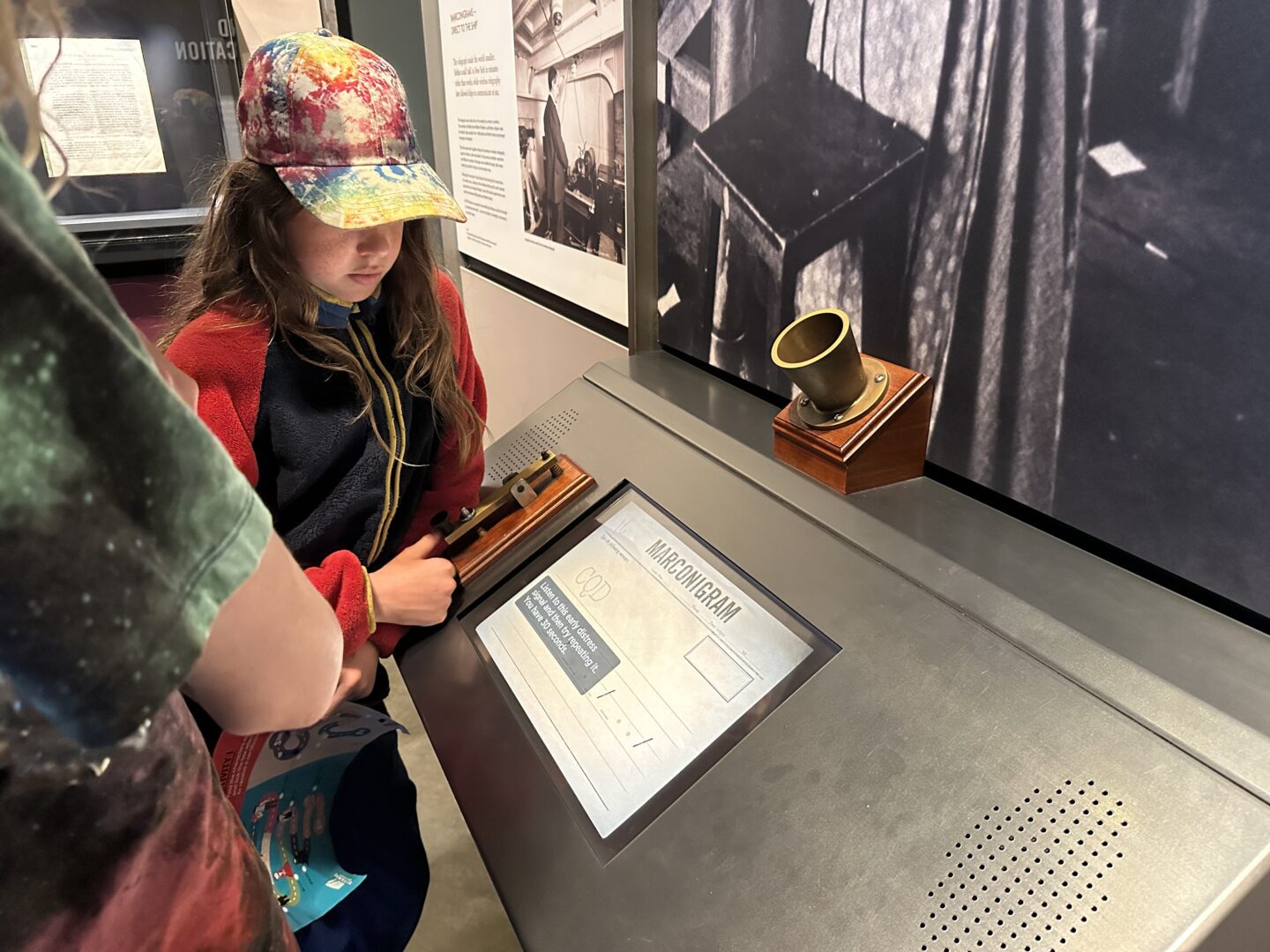
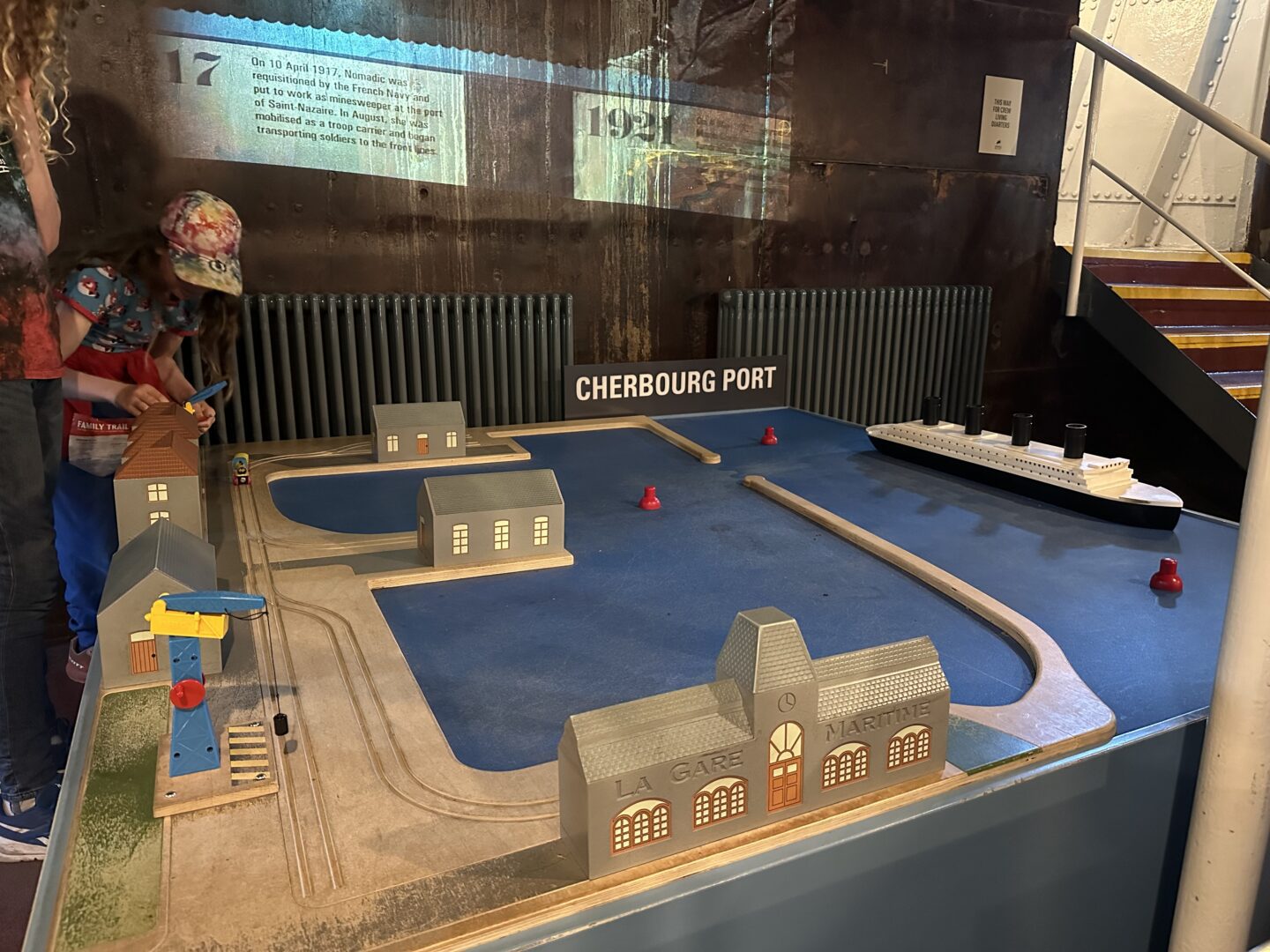
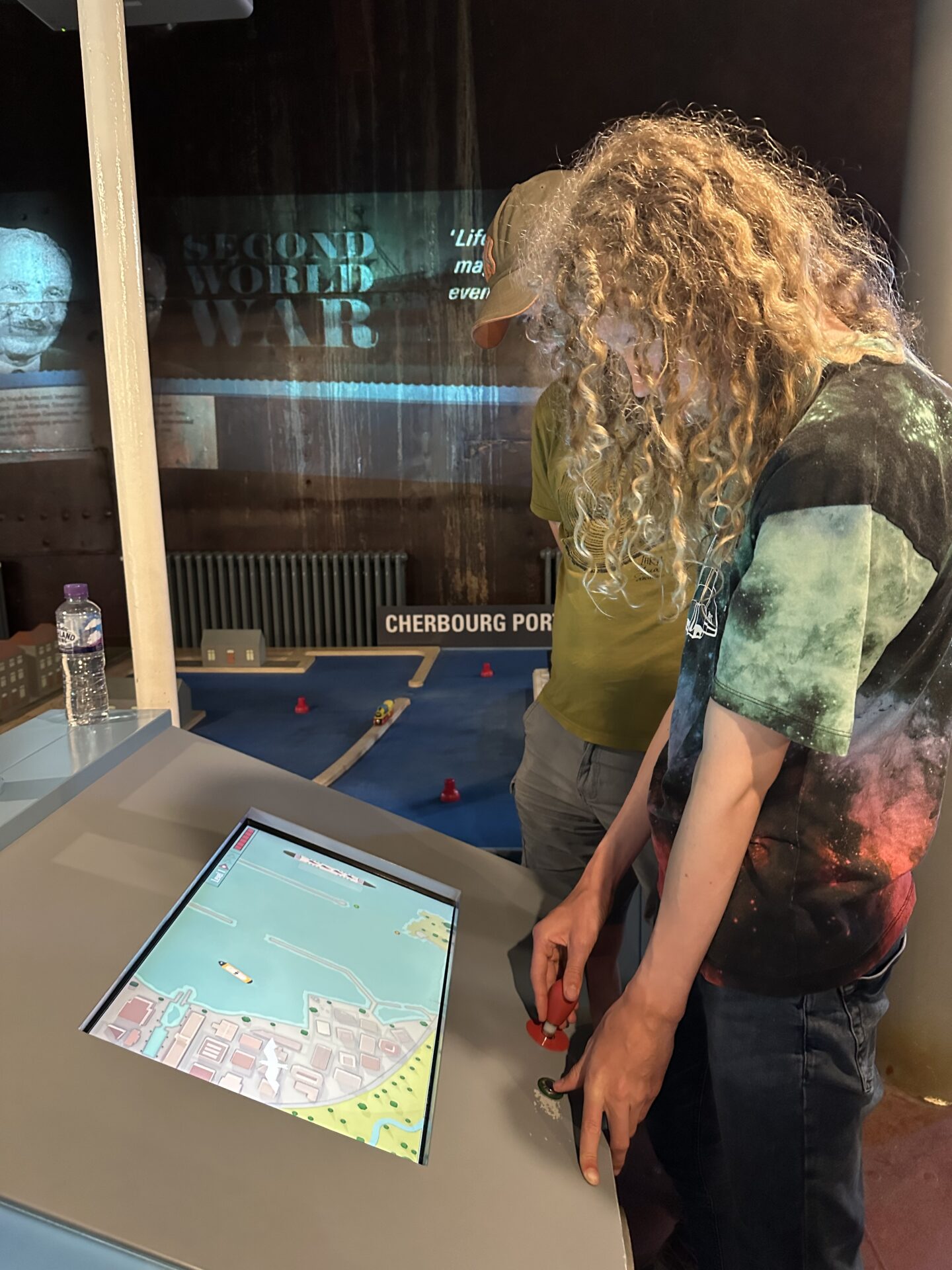
You might be thinking that the story of the Titanic might be a bit too depressing for children. But you would be wrong! The attraction handles the tragedy very well and there is plenty to interest children. A large section of the exhibition deals with the building and fitting out of the Titanic, and only a small area about the sinking itself.
Kids Trail
There is a family trail, which can be collected at the ticket office. There are two sides, one is finding different models of people and animals around the attraction. Which isn’t always as easy as you think! We did have to go back to find one or two.
The second part of the trail has different questions. As an adult I have to appreciate the questions, it makes you look more in depth into certain areas to find the answer.
Interactive Activities
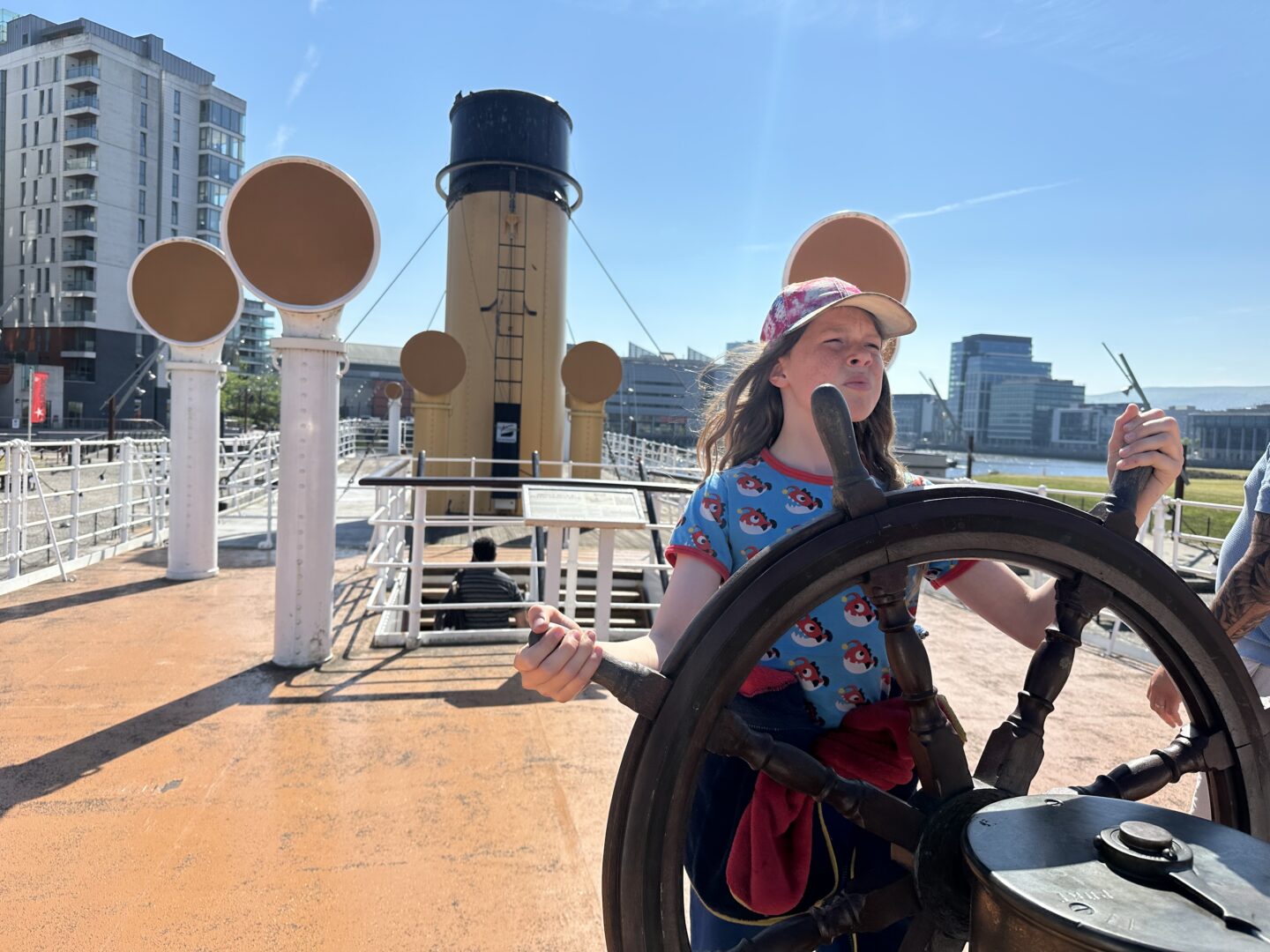
There are various interactive activities around the exhibition, from screens showing more information, to different activities chosen to engage visitors in the experience. They definitely won’t be bored!
What To Expect At Titanic Belfast
The Titanic Belfast is a self guided tour around both the exhibition dedicated to the Titanic and the Nomadic ship docked outside, which was a tender ship for the Olympic Class ocean going liners. You can book private tours too, but obviously these come at an extra cost.
The Exhibition
Building the Titanic
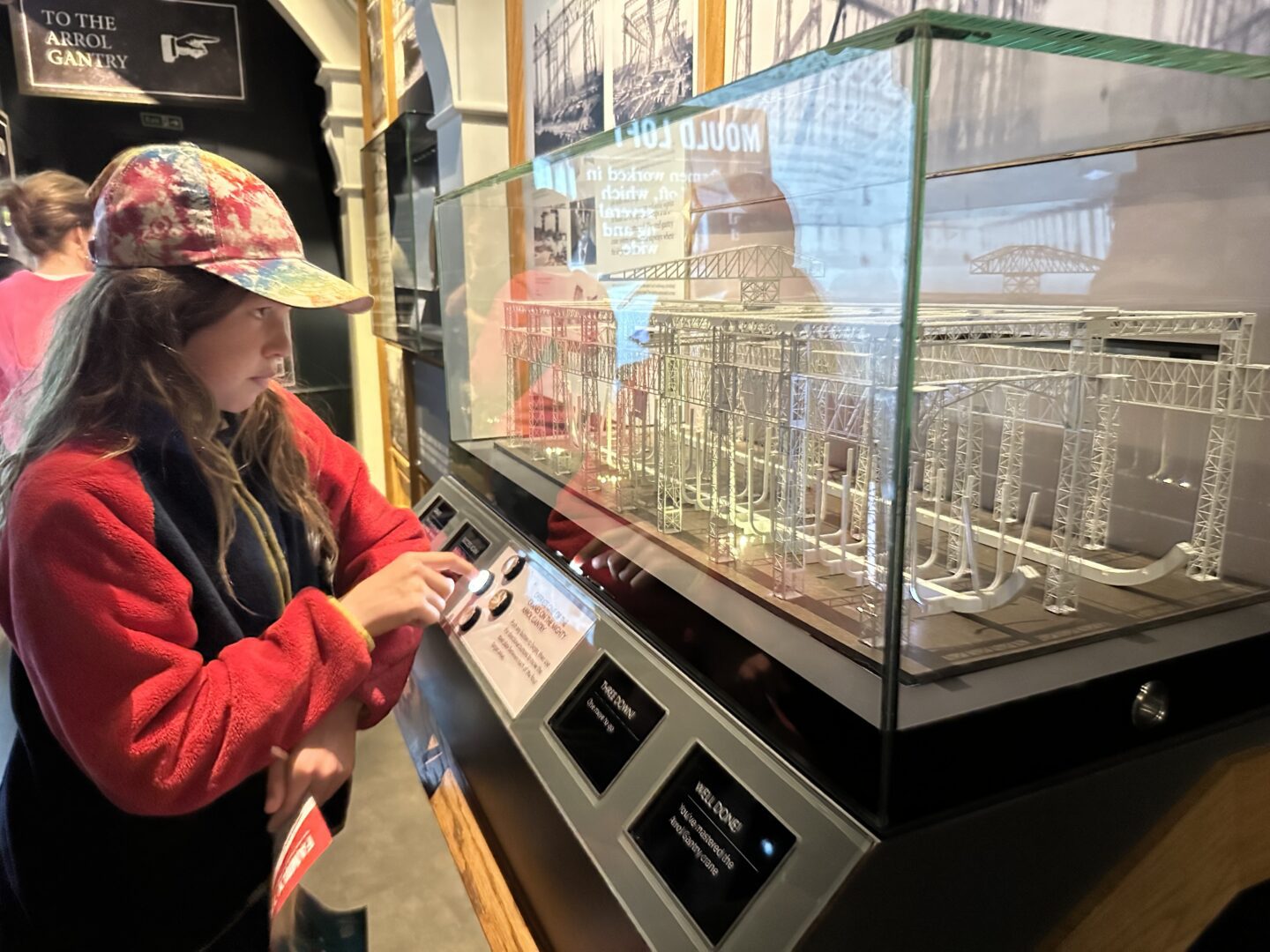
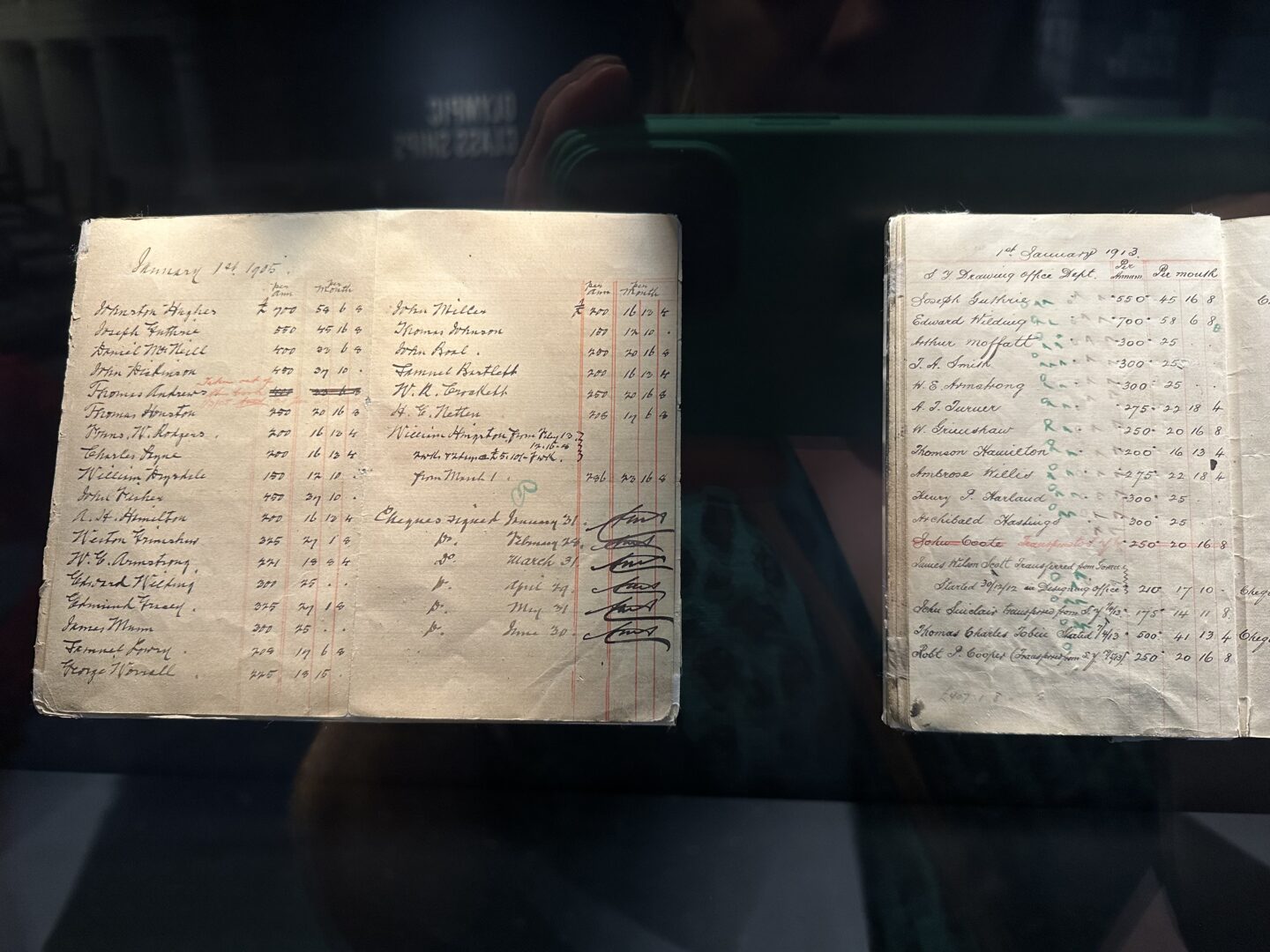
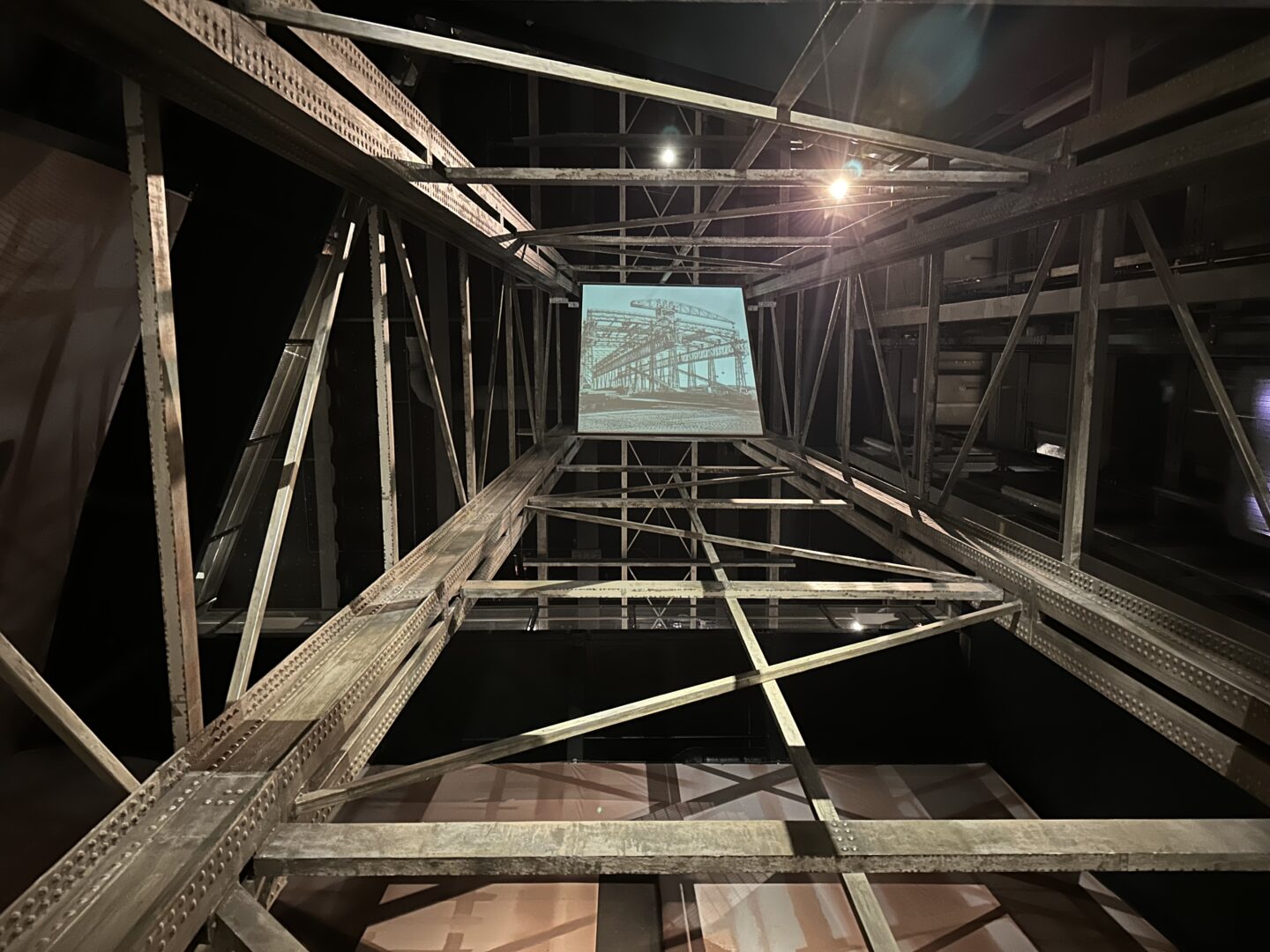
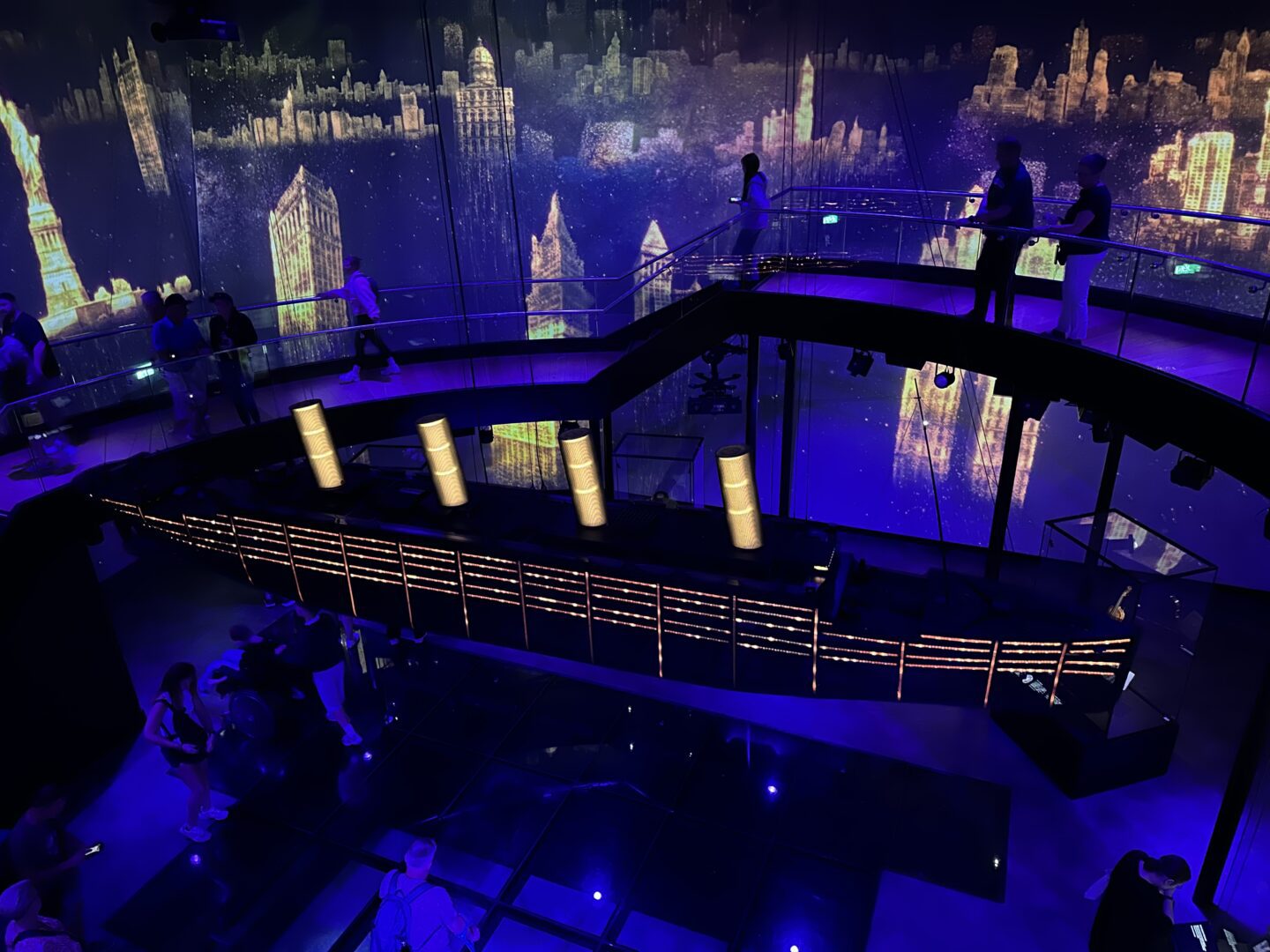
The exhibition begins way back in time, before the Titanic was ever an inkling of an idea! The boomtown Belfast area explains why the thriving city was the location for building the Titanic. You then move into the Shipyard, where you learn how the ship was built, along with the dangers that this involved. Take a ride to experience the sights and sounds.
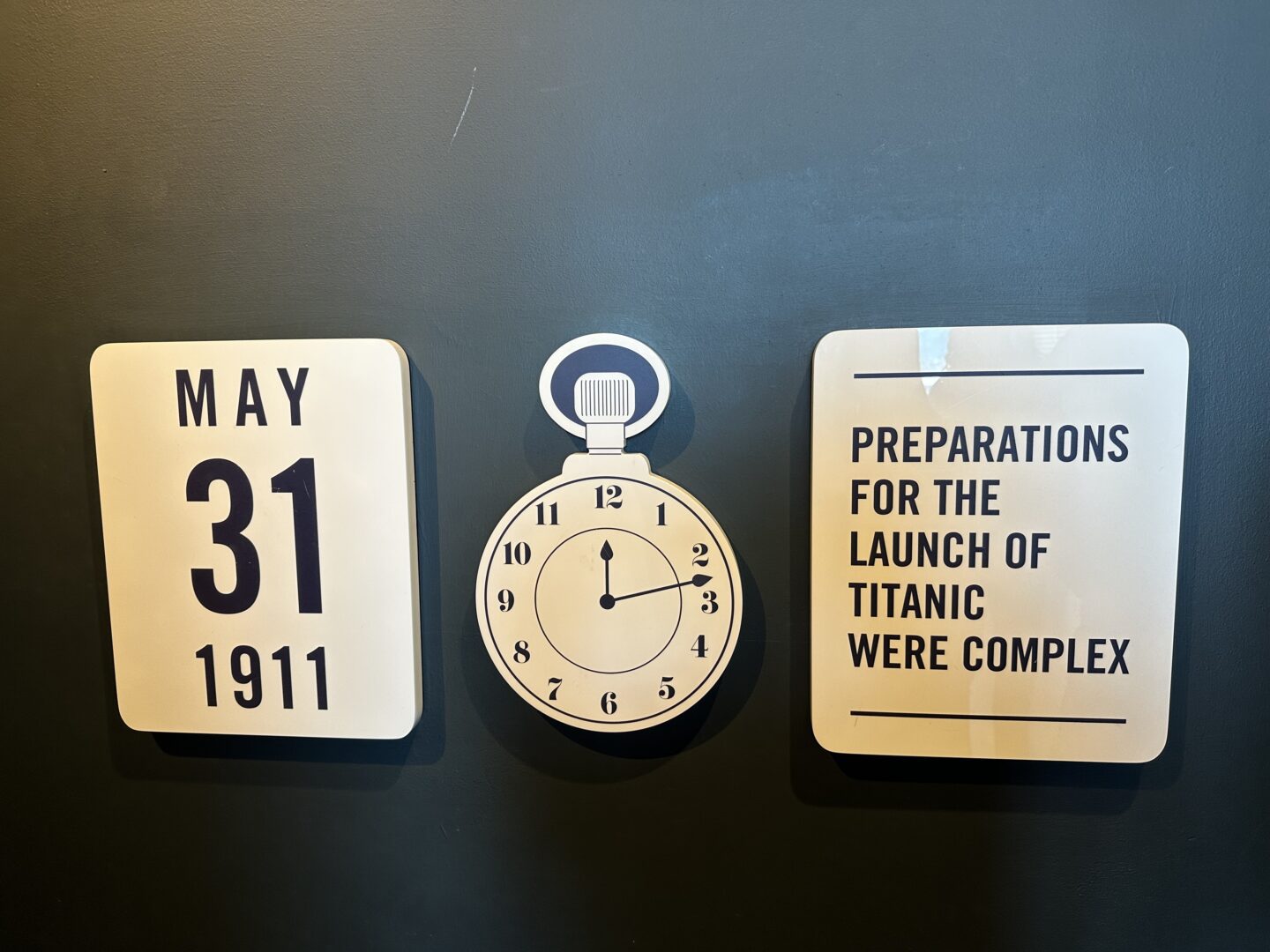
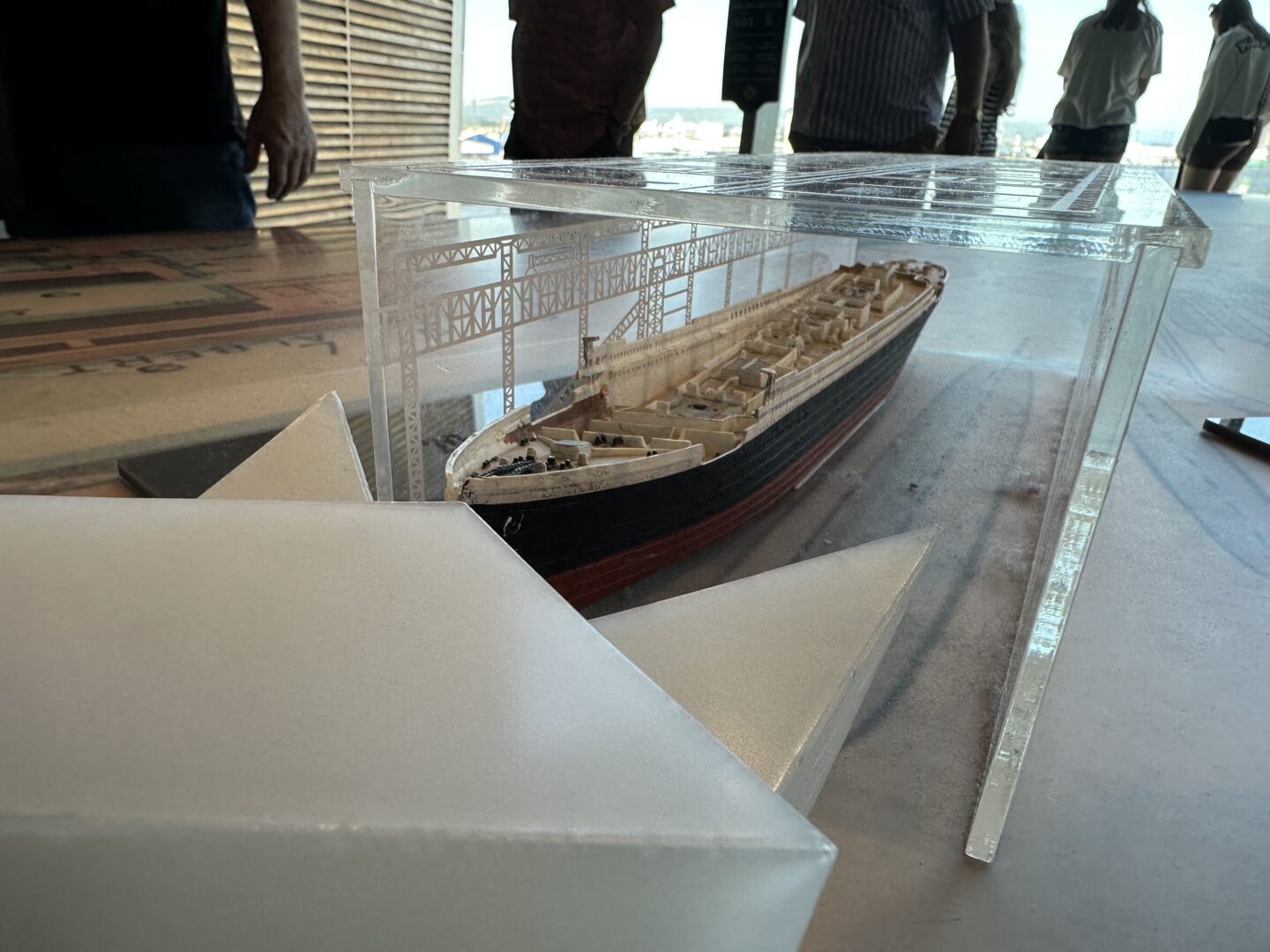
Step into the launch room and fins out how the ship was launched on the 31st May 1911 and look out into the historic dock outside. The outlines of Titanic and her sister ship Olympic are laid out on the paving. Although she was launched in 1911, the fitting out of the ship didn’t happen until afterward, Titanic was basically an empty shell!

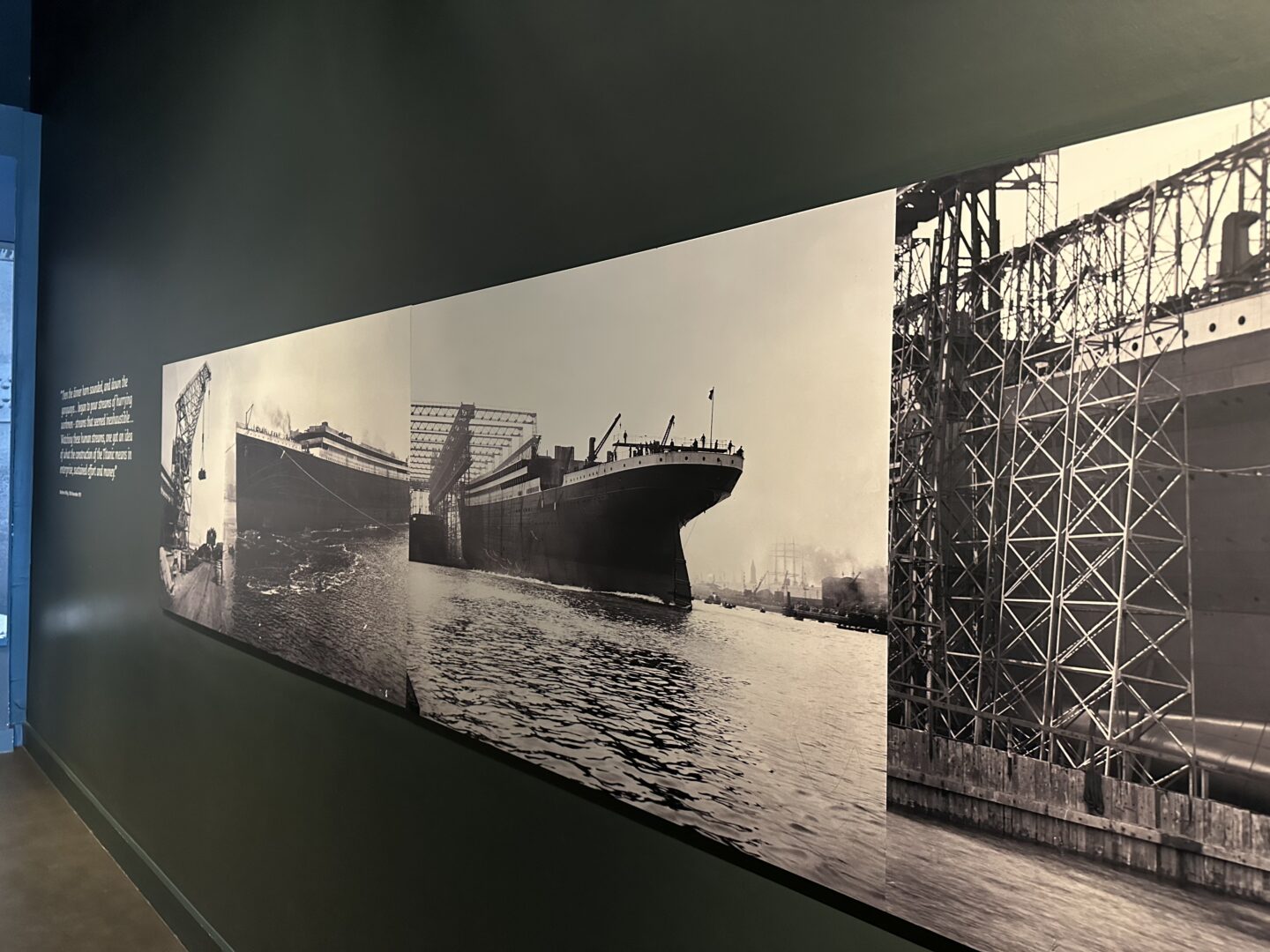
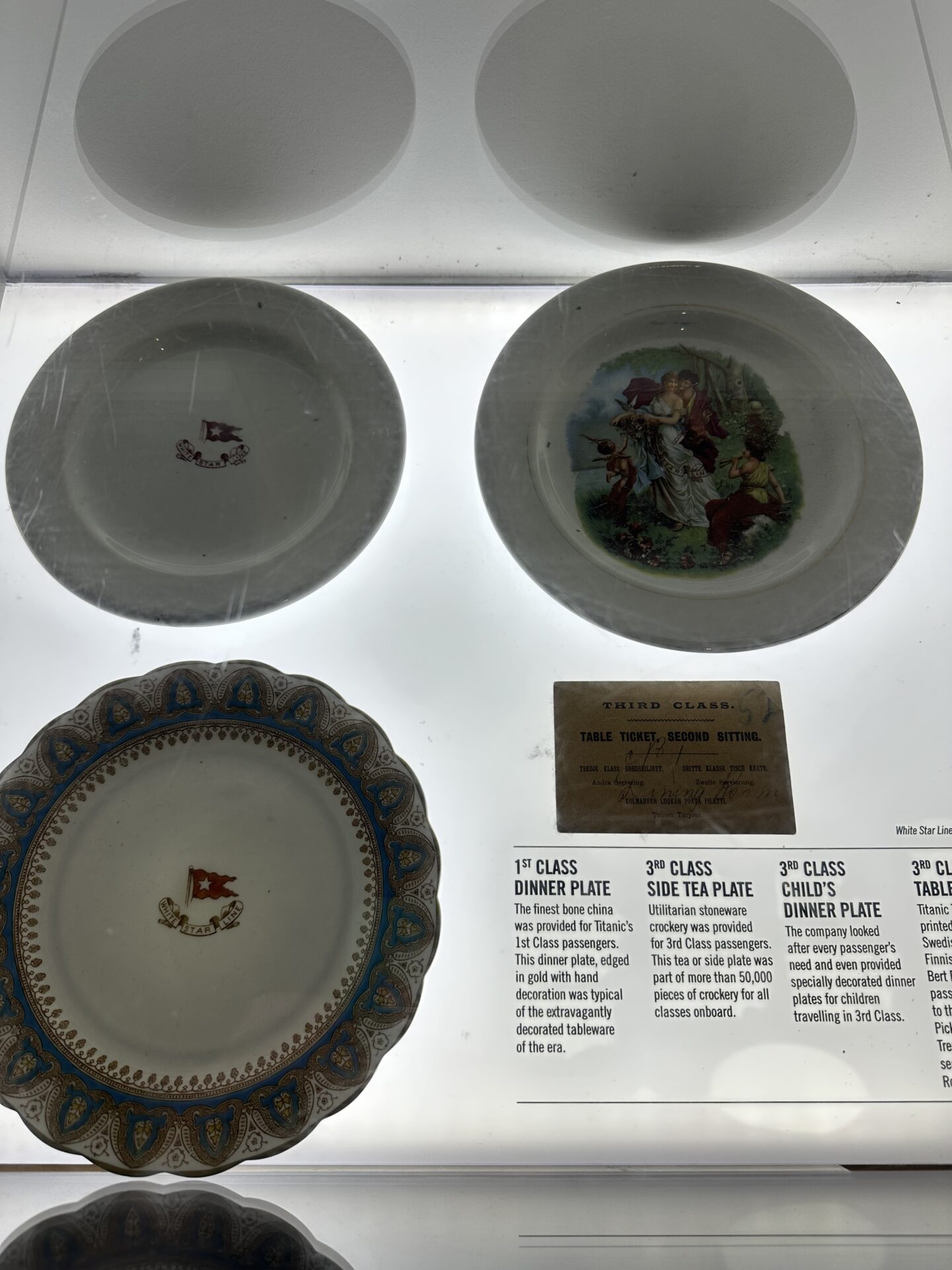
In the fitting out section you can see what the 1st, 2nd and 3rd class rooms aboard the Titanic looked like. You can even find the menus of food that was served, there were definite differences between the 1st, 2nd and 3rd class passengers. But each was served a good amount of food, which was probably more than what 3rd class passengers would have received at home. There are also swatches of fabric and carpet to touch and crockery that would have been used on the Titanic.
Maiden Voyage and Sinking
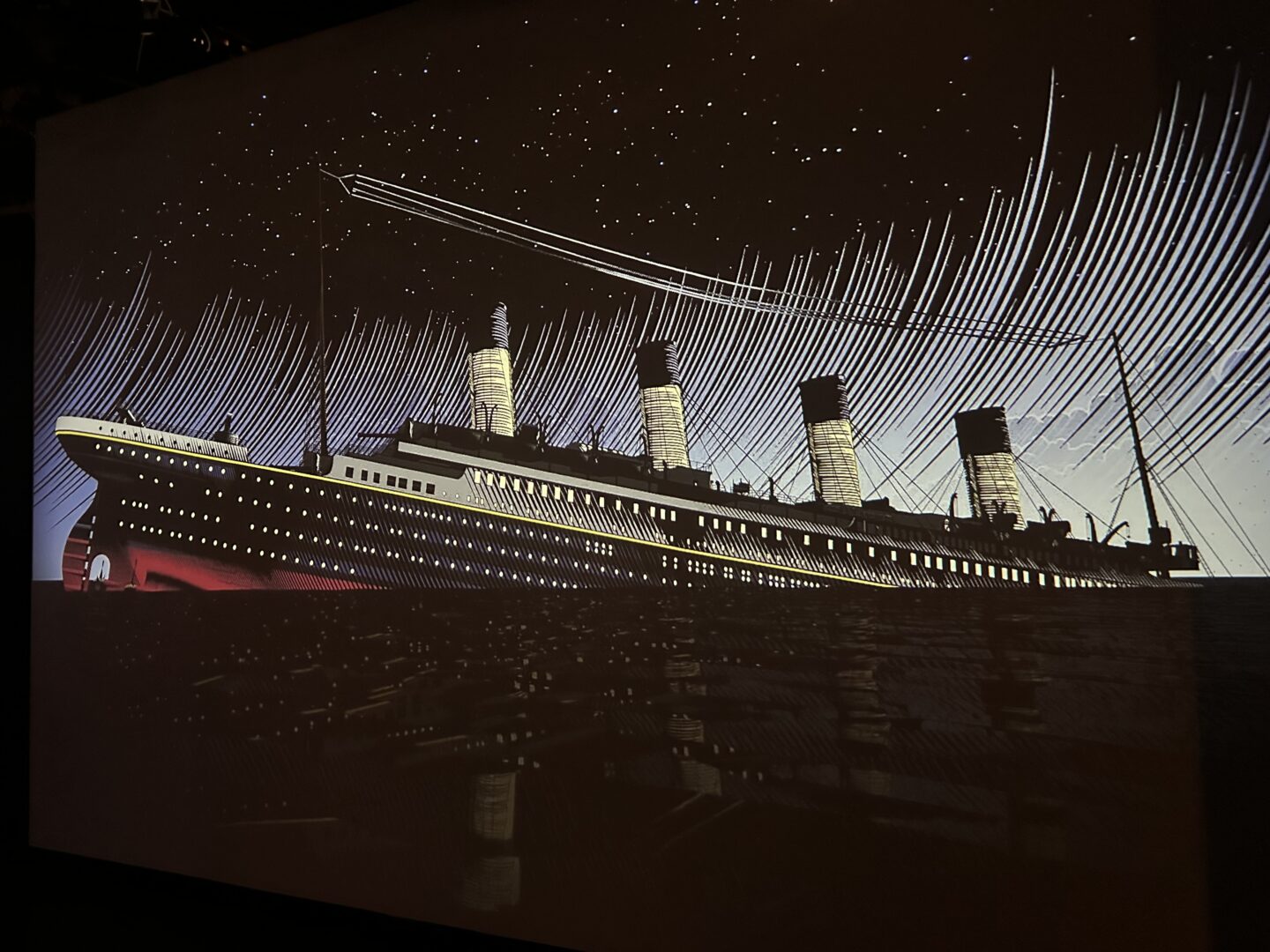


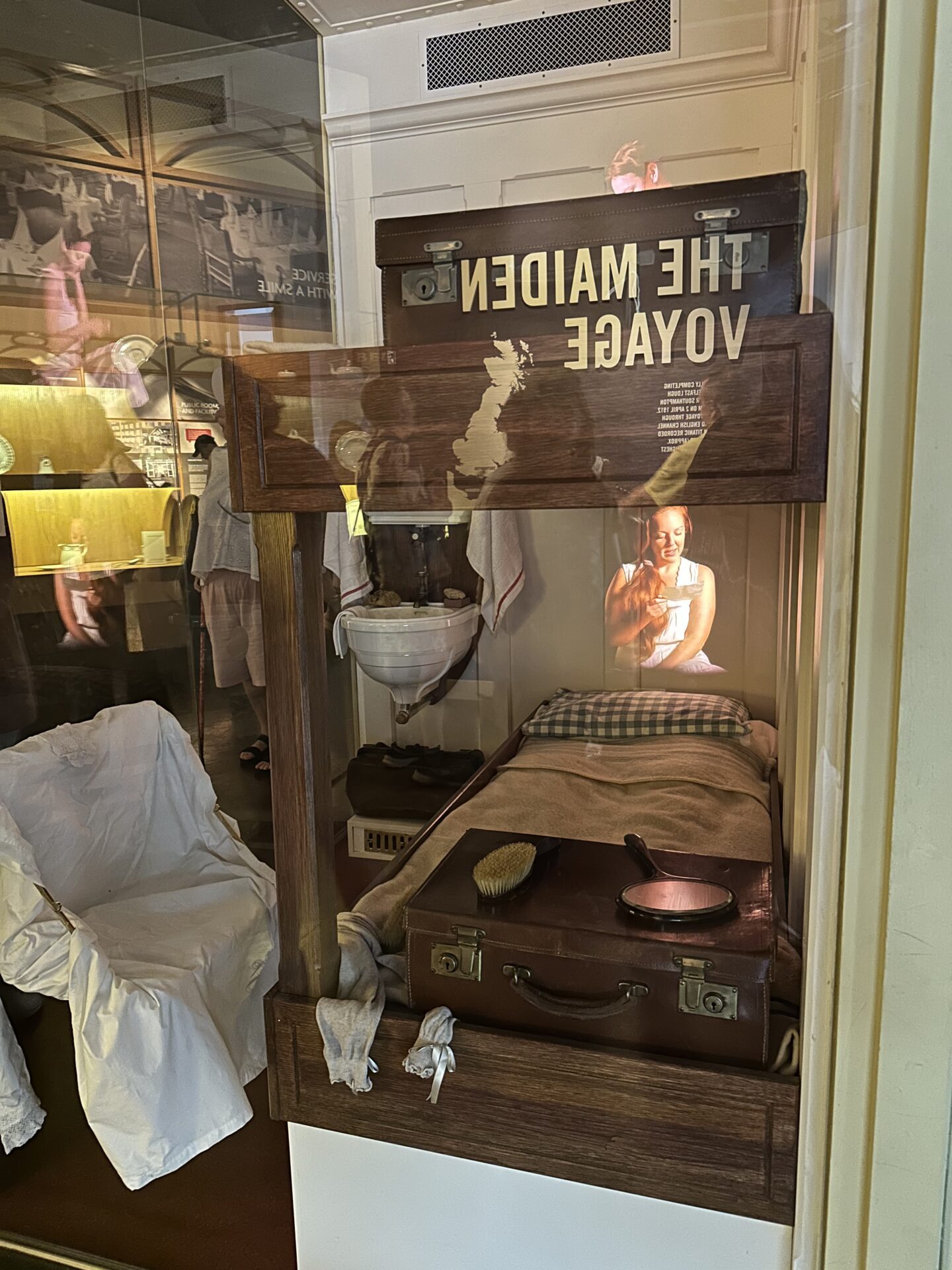
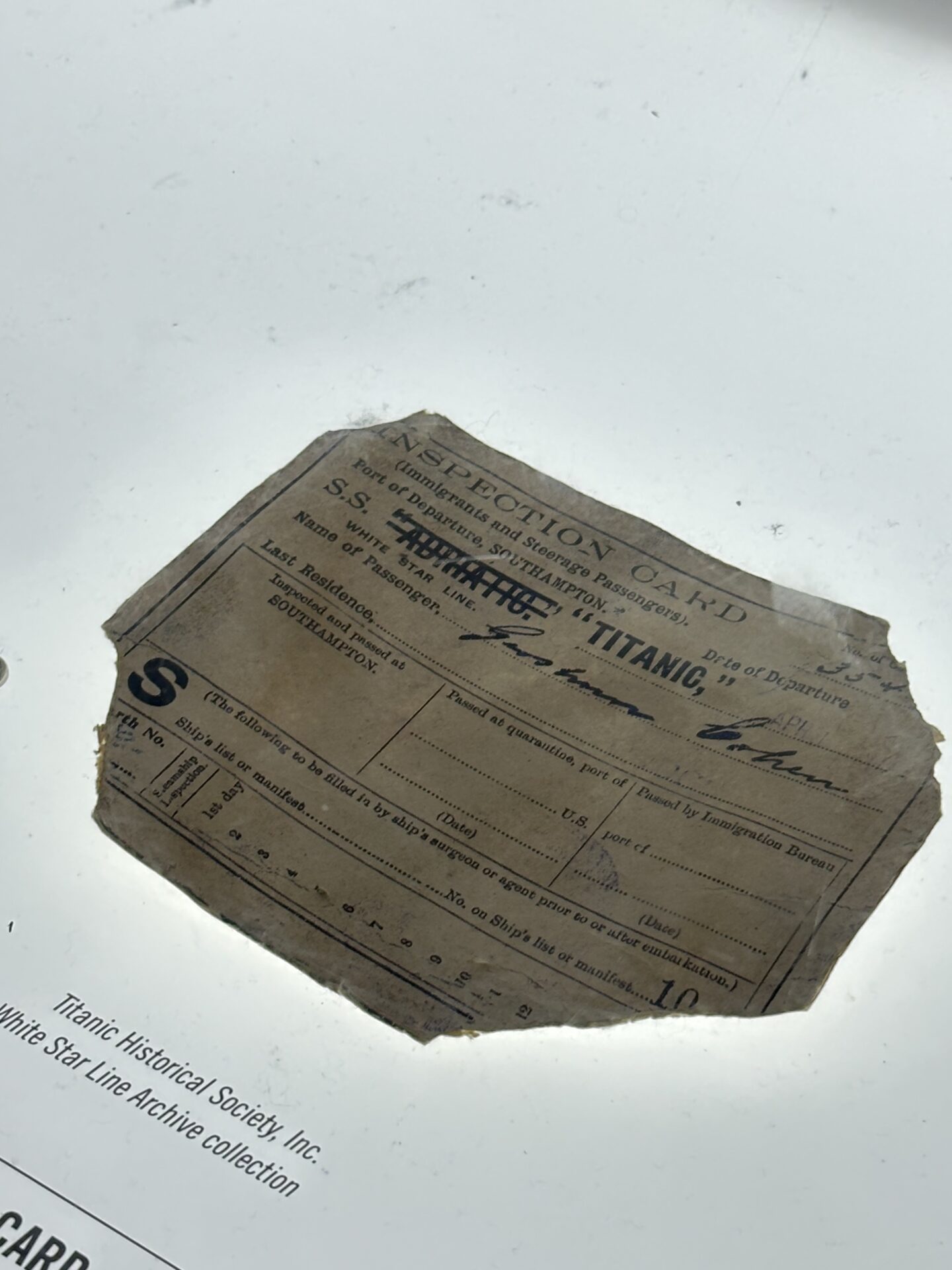
Next you move into the Maiden Voyage, where you can learn about the people who boarded the Titanic and why. Which of course leads on to the sinking of the ship, which is obviously a tragic part of the story. I was particularly interested in the wireless telegraph messages between the Titanic and nearby ships. There are also stories from survivors to listen to and a list of all the passengers who didn’t survive. Unsurprisingly the majority of those lost were in 3rd class or crew and the majority were men, as lifeboats were for women and children first.
The next section explains the measures put in place to ensure that this never happens again. From 24 hour communication operatives, to enough lifeboats onboard for all passengers and crew, and changes to bulkhead designs.

The latter part of the experience discusses Ballard’s attempts to locate the sunken ship and the lasting legacy of the Titanic in film, books and paraphernalia.
The Ride
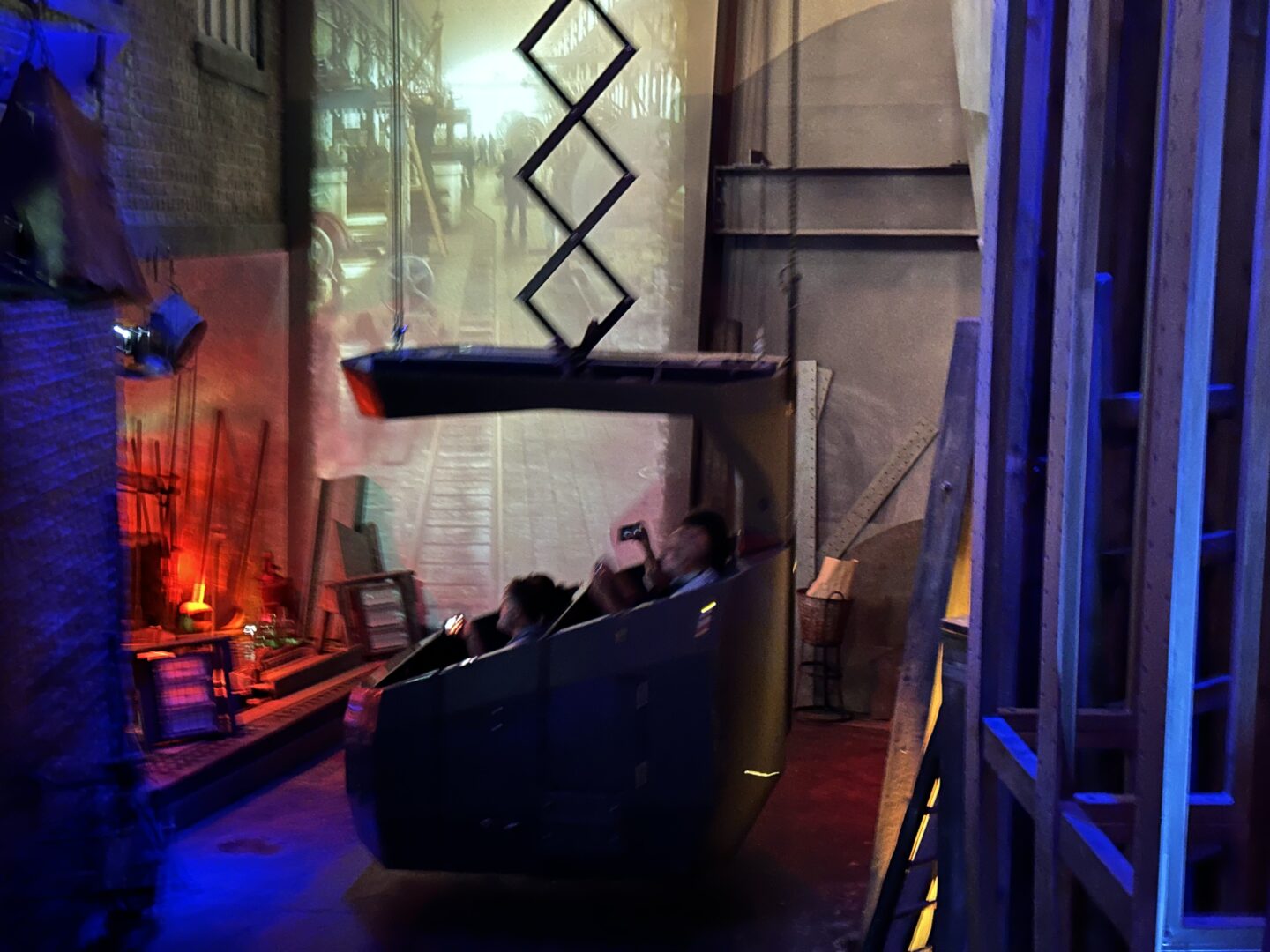
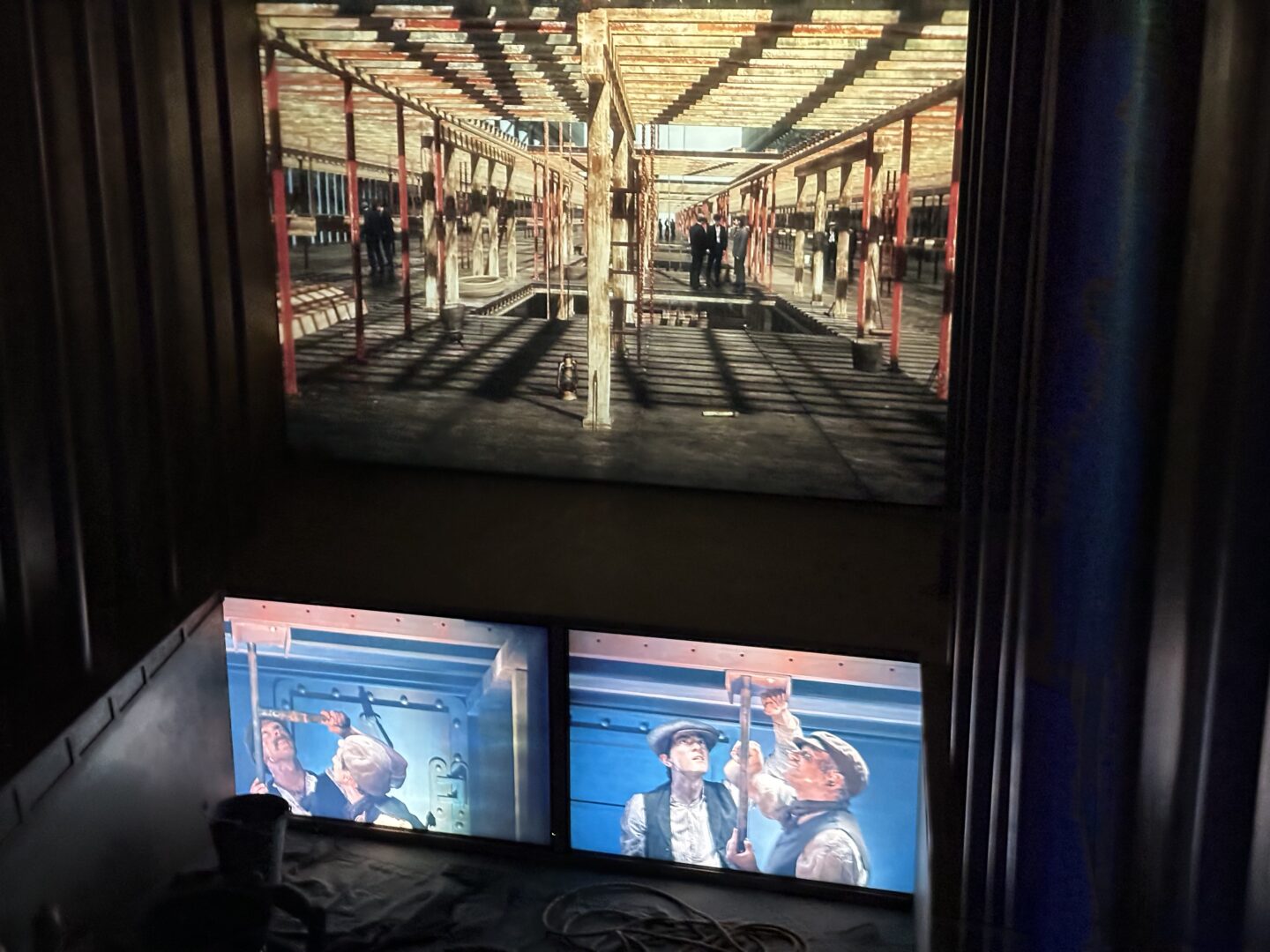
In the Shipyard section of the exhibition you will be invited to queue to go on a special ride. It’s a suspended car that takes you through the sites and sound of the shipyard, listening to people’s accounts of working there.
You can choose to skip the ride and read the information boards instead, but honestly I think it’s worth it. Plus you get to sit down for a little while, which is necessary when you’re doing a lot of walking and standing!
The Nomadic
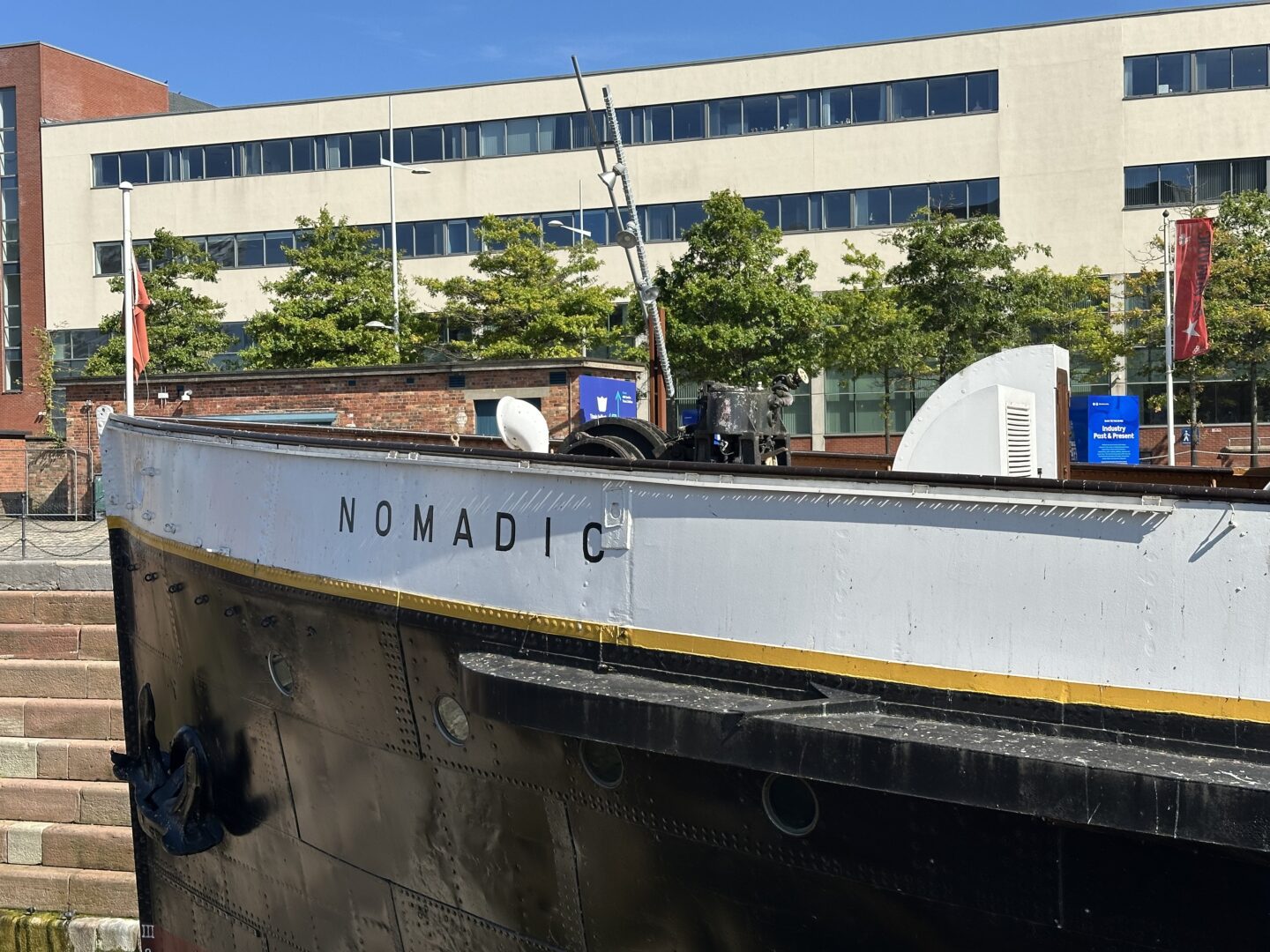
Outside the front doors of Titanic Belfast you will spot another ship in a dry dock. This is the SS Nomadic, the last surviving White Star Line Ship. The ship has been restored to how it would have looked when the Titanic and Olympic ships were in use.
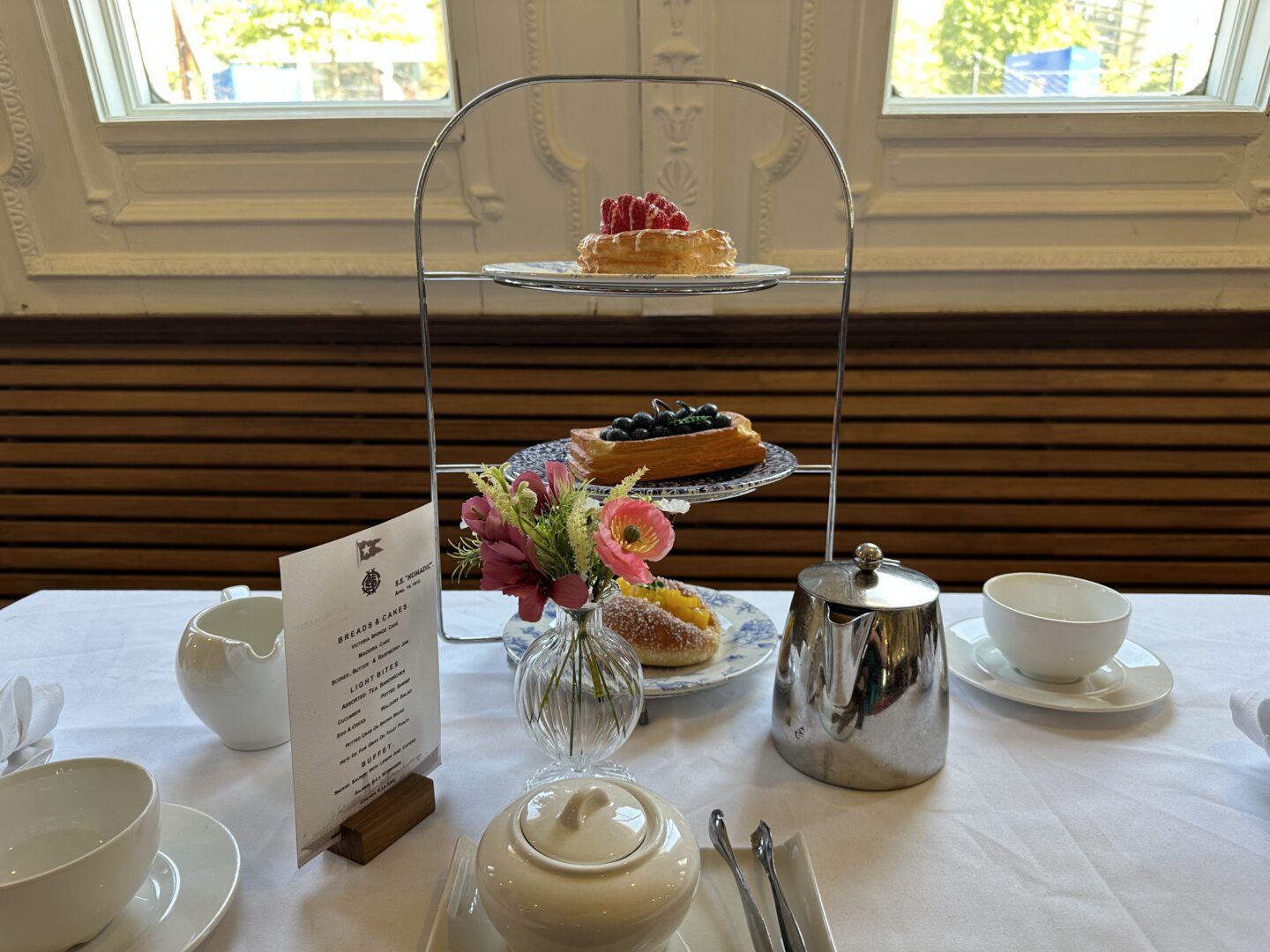
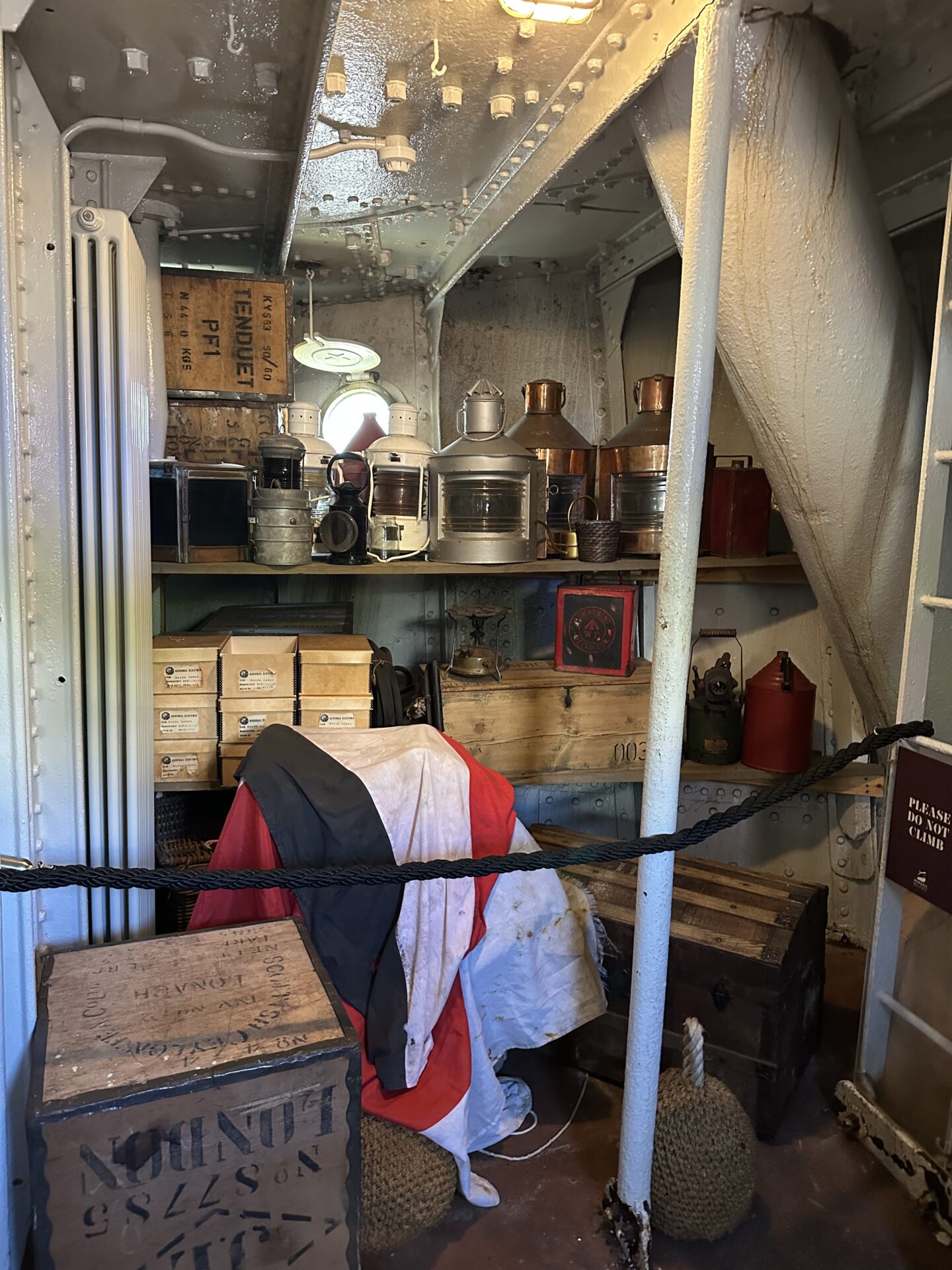
This small ship was used originally as a tender for the Olympic class liners. Ferrying passengers from ports with shallow docks out to the larger ships. The SS Nomadic was mainly used for 1st and 2nd class passengers, with a second ship, SS Traffic used for 3rd class passengers. The Nomadic ferried passengers out to the Titanic when it was docked at Cherbourg, France, in April 1912. So it seems fitting that it’s part of the Titanic experience.
You can find information on its use as a tender ship, but also its later life when it was used as a troop carrier and minesweeper in the World Wars. After the war it was used as a tender again and also as a restaurant and party ship! However, it was eventually brought back to Belfast where it has been restored for future generations.
Other Blog Posts You May Enjoy