
Britain is full of holiday destinations and grand scenery that suit any season, making it perfect for family travel. In fact, Brits took 20.3 million overnight trips to domestic destinations across England in the first three months of 2023. But no matter how warm or chilly it gets in England, you are exposed to UV rays year-round. Certain travelling methods can be friendlier for sun protection. Journeying in a camper van, for one, helps keep you and the children in the shade while you take in the country’s landscapes in comfort. But hiking, camping, or sightseeing may require more attention to everyone’s safety as you are outdoors for hours on end. Nevertheless, no matter your destination, there are some sure ways to protect you from the sun.
Table of Contents
Have everyone wear sunglasses

Exposing your eyes to harsh sunlight may cause UV damage, sunburn, and a heightened risk of long-term eye diseases. This is particularly true for children, whose lenses do not block UV as thoroughly as adult ones. Therefore, investing in quality sunglasses that offer 100% UV protection and are designed for particular activities, fitted with prescriptions, and crafted with style is critical. Take the Oakley Evzero Blades OO 9454, which suits a versatile range of outdoor activities, or the Ray-Ban Erika Classic RB 4171, ideal for a laid-back trip. Some of the most trusted brands, like Ray-Ban and Vogue, also create high-quality sunglasses for children to keep their eyes safe from harsh rays. Sunglasses will go a long way, especially since sunlight bounces off any surface, whether water, sand, grass, or snow. So even a visit to ski resorts like Norfolk Snowsports Club or Glencoe Mountain Resort warrants a handy pair.
Regularly apply sunscreen

Likewise, you should protect your skin from UV rays to avoid damaging your skin cells in any weather. A trip to the Dorset coast can feel cold enough, but with the sun shining on your face, you’re still susceptible to sunburn if unprotected. Sun safety is also crucial for children since overexposure to UV rays may make them more vulnerable to skin diseases. Ensure the family regularly applies a broad-spectrum sunscreen, ideally with an SPF of 30 or higher. Note that babies under six months should not wear sunscreen. They must not be directly exposed to the sun either but protected in the shade instead. Older children, on the other hand, are recommended to reapply sunscreen every two hours. Altruist Dermatologist SPF50 Family Sunspray is a great lightweight product for the entire family, offering UVA and UVB protection and applied as a spray for greater comfort. A convenient choice like this may incentivise children to be more receptive to sun protection as they traverse the outdoors.
Prioritise hydration
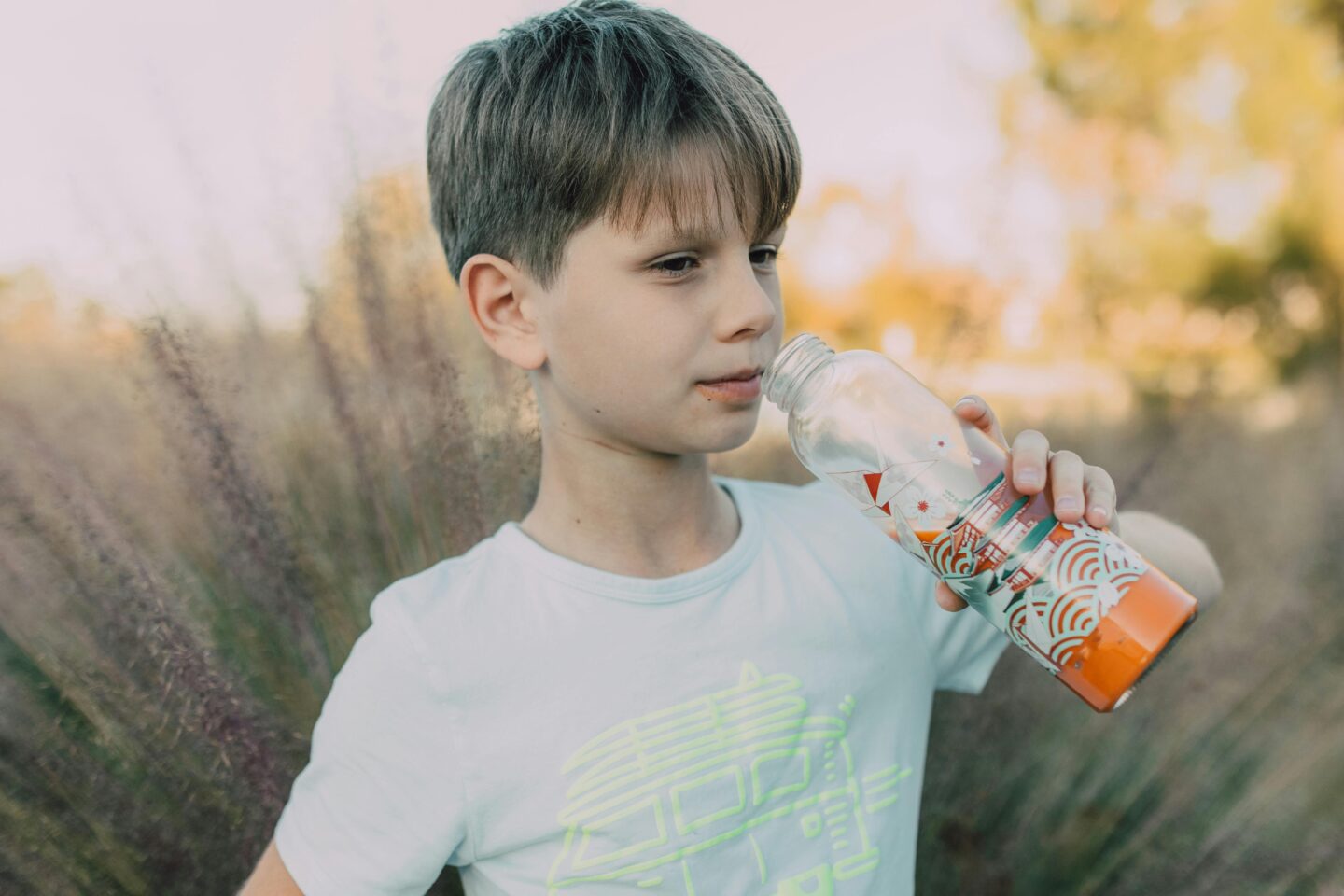
Travelling, especially in the summer, can expose you to high temperatures that require increased water intake. For instance, a destination like Somerset or Wiltshire, which immerses you in Britain’s wilderness and some of its oldest structures, may mean lots of walking and exposure to the heat and the sun. However, children and older people have more difficulty regulating their body temperature and are more prone to heat-related illnesses like heat cramps and heat exhaustion. To combat this, you must pack containers with enough water for walks or hikes in the heat. You may also prepare snacks with high water content, like fruits or sliced veggies, to munch on intermittently. Particularly with young children, encourage them to drink water with you every hour or so.
Sun safety is a must for everyone on a holiday. By preparing well for your next trip, you and your family can maximise comfort and protection in nature.