Disclosure: This is a collaborative post about indoor plants.
Your home should be seen as an extension of yourself. It is one of the only places where you can let your personality shine. However, decorating a home can often feel a little overwhelming, especially for those with a limited interior design knowledge. Interior design encompasses a lot of different elements, including the use of indoor plants. A well-placed plant can really help to brighten up your home, bring life to it and add character. So let’s get into it.
Table of Contents
The Benefits of Including Plants in Your Home Design
There are several benefits to including indoor plants in your home design. Firstly, they have an aesthetic value. They can help to transform a space. There are so many different species and varieties of plants which ensures that you can find options to compliment your home’s colour scheme. Many common plants are also known to improve the air quality inside your home by helping to remove toxins. For example, the Fiddle Leaf Fig Plant purifies the air and is also easy to look after; find out more about the Fiddle Leaf Fig Plant from The Stem.
Indoor plants do not simply have to be ornamental; they can have other uses. You can cultivate a collection of indoor plants that have more utility value, from cooking to medicinal purposes. There are a lot of herbs that can be grown in the home pretty easily. All they need is enough light. Plants are also known to lower stress and have a calming effect. This can be great if placed strategically in the home. Finally, as a secondary effect to the stress-relieving properties, plants can also help to boost productivity. The tension is eased, which frees up your mind to make more creative decisions and solve problems.
Plant Placement
In order to ensure that you have made the most of the plants in your home, you need to think about where you can place them for maximum effect. Realistically, plants can be placed in any room of the home. However, there are several things that you will need to consider before you can place the plants. Firstly, the requirements of the plants themselves, such as their light and atmosphere needs. You should also think about who will have access to them? For example, some plants are toxic if ingested. This means they will need to be kept away from pets or inquisitive children.
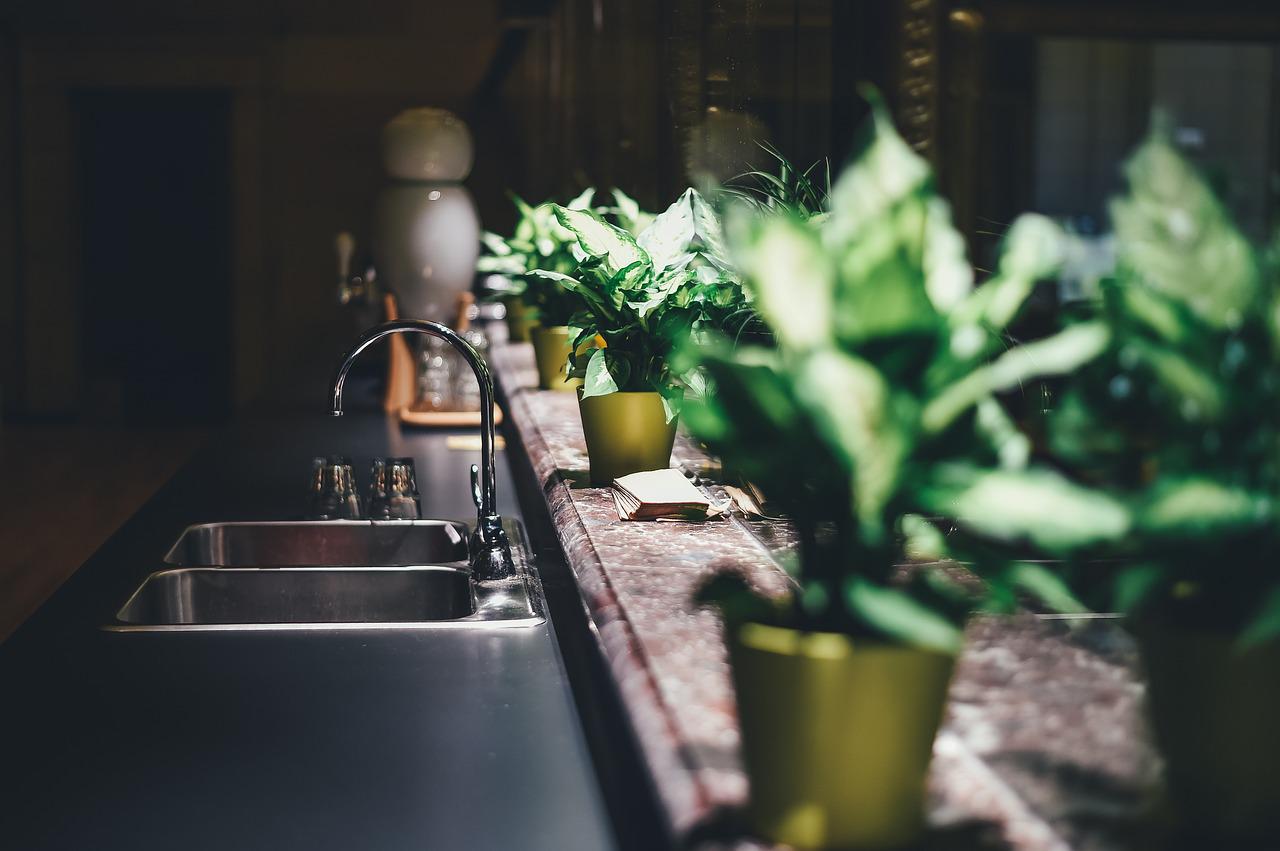
After that, the considerations are more visual. When placing plants, you need to think about the proportion of the plants and how balanced they will be. This means avoiding crowding; the space needs to be utilised, not overwhelmed. The plants can be placed anywhere, on any surface, in nooks and crannies. Plants can even be hung from the ceiling or walls. Think about the size of the space. The plants can be used to create a focal point for a room to really draw the eye of the visitors.
Hierarchy
There is an idea in interior design known as hierarchy. And it revolves around the organisation of elements. You should think about arranging the plants according to size. This is especially important if you are going to have a collection within the same area. Start by placing the biggest plant first and then descend in order. They can be clustered or laid out in any way to fill the surface. If size arrangements aren’t for you, then you could choose to organise your plants by colour. You can group your plants by colour, either the colour of the plants themselves or the pots that you keep them in. The idea of hierarchy should be applied here too. Realistically, you can arrange your indoor plants however you like, as long as you like the placement of the plants; that’s all that matters.
Green Wall
One of the more innovative ways to incorporate plants into your home design is to create a green wall. It is the same principle as vertical gardening except inside instead of outside. There are a number of methods or plants that you incorporate, from hanging plants on hooks in the wall to using climbing plants. You don’t even have to necessarily use your walls in your home. For example, you could use a room divider or mobile wall, which is a great option for those living in an open-plan space.
Windowsills
Windowsills are a great place for plants; however, they can block the light if they grow too big, which is why you should stick to smaller plants for that location. Harvestable or consumable plants are often the better choice. For example, kitchen windowsills are ideal for herbs. You can pick and use them as needed when cooking. Taller plants do better on the floor unless, of course, they need to be kept out of the way of pets or children, as mentioned above. If you want to make your rooms look bigger and draw the eye up, then hanging plants are a great option, unless you have low ceilings, in which case, they can bring them down and make a room feel more crowded.
Plant Suggestions
The next thing to think about are the plants that you want to incorporate. Flowers are a great short-term solution. Obviously, they will not last as long as indoor plants, but they can really help to inject some life and colour into your home while you are trying to work out which plants to choose. The plants that you choose to incorporate into your home design will depend on you. What are your preferences, and more importantly, what is your skill level?
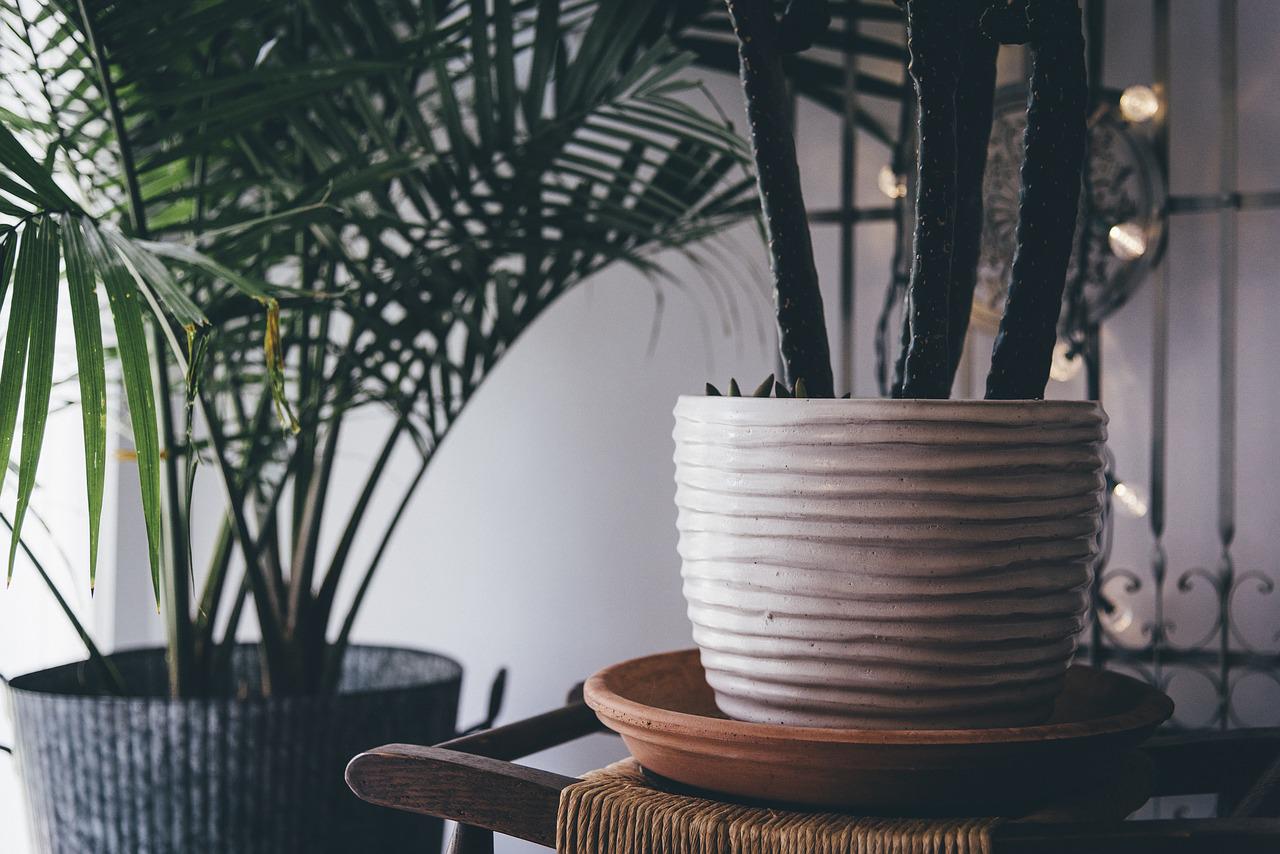
If you are new to houseplants or haven’t got the time or inclination, then you will want to opt for more robust plants. Generally, these unkillable plants will include things like cactuses, succulents, snake plants and some forms of fern. These plants don’t need much in the way of care. Their light needs might differ, but generally, they like bright spaces and need watering occasionally. If you want plants that require a little more but are still pretty easy to care for, then orchids are a great option, as are some forms of palms and peace lilies. Finally, for those looking for a bit of challenge can choose between other forms of palms, begonias or monsteras. You could choose the plants based solely on how they look and whether or not they will fit in with the design of the room itself.
To Conclude
For most people, their home is their safe haven; it is one of the only places that they can truly make their own. Most interior design styles would be benefited by the inclusion of house plants. Indoor plants have so many benefits for your home and for yourself, in addition to simply being aesthetically pleasing. Placing your plants well helps to ensure that you are making the most of them in your design, so think about how and where you are placing your plants. Finally, choosing the right plants is also really important. You need to make sure that you can actually take care of those plants; otherwise, you will have wasted your money. Some plants require more specialised care than others, so be sure to keep that in mind.
Leave a Reply