Travelling as a family can create some of the best memories of your life. However, it can also put immense pressure on your finances if you’re not careful. Between flights, accommodation, meals, activities, and transport, your costs can quickly add up. Especially when you’ve got demanding children in tow.
The good news is that with some careful planning and a few savvy decisions, you can enjoy a memorable vacation while keeping your spending under control. In this post, we’ll explore eight ways you can travel with kids cheaply. Hopefully, it will help you to make the most of your time away together.
Table of Contents
Choose the Right Destination


Many parents are surprised by how quickly expenses increase when they holiday with their children. Indeed, for each child that accompanies them, you’ll have to factor in costs for flights, accommodation, meals, taxis, and entertainment.
These costs can be exacerbated by the children’s age and by travelling during the school holidays, when prices are usually higher. That’s why it’s important to choose your destination wisely.
For Australians, some destinations, such as Bali and Vietnam, will be much cheaper to visit than others, such as the UK or the USA. By choosing a more affordable destination, you can save thousands of dollars.
Set a Realistic Budget
One of the easiest ways to save money on a family holiday is to set a realistic budget. If you don’t, then you could end up spending much more money than you bargained for.
Your budget should be realistic for the destination you want to visit and the length of time you plan to stay. You’d be wise to research the various costs involved, such as your flights, accommodation, and meals, and overestimate how much money you would need to cover them all.
Whatever budget you decide on, it is a good idea to include a contingency amount. You never know what unexpected costs you might be faced with.
Book Flights Strategically
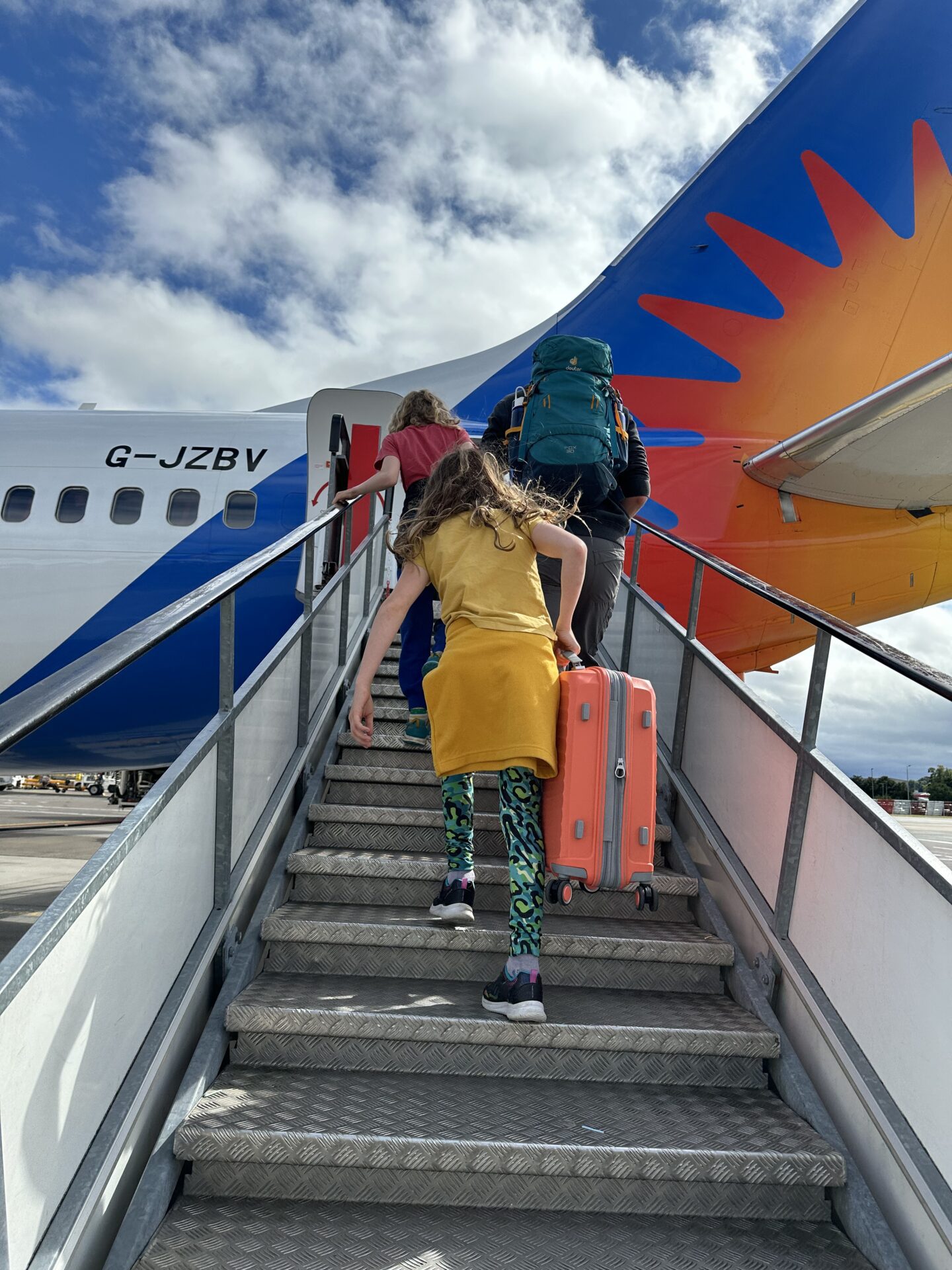

Flights are often one of the biggest expenses when travelling with children. That’s why it is important to try and book them as far in advance of your holiday as possible.
Consider using flight comparison websites and setting up fare alerts several months before your trip. This will allow you to monitor prices and be in a position to book when fares drop.
It will also help if you are flexible with your travel dates, as you can often secure lower fares if you travel mid-week or during school term time. If you have a bit of time on your hands, multi-stop transits are usually cheaper than direct flights.
Choose Accommodation Wisely
Depending on where you visit and how many of you are travelling, accommodation can be quite pricey. This is particularly true of hotels in major cities and tourist areas.
For this reason, you might want to narrow your search to apartments and holiday rentals, as these are often more economical. They may also provide you with the bonus of access to kitchens, which allow you to save money on food by preparing some meals yourself.
Whatever type of holiday accommodation you decide to stay in, you’ll find the costs are cheaper the further away from the CBD you go. That said, when comparing accommodations, check what extras they offer. Some might provide free breakfast, parking, laundry facilities, and Wi-Fi, which can save you a decent amount of money.
Keep Food Costs Under Control

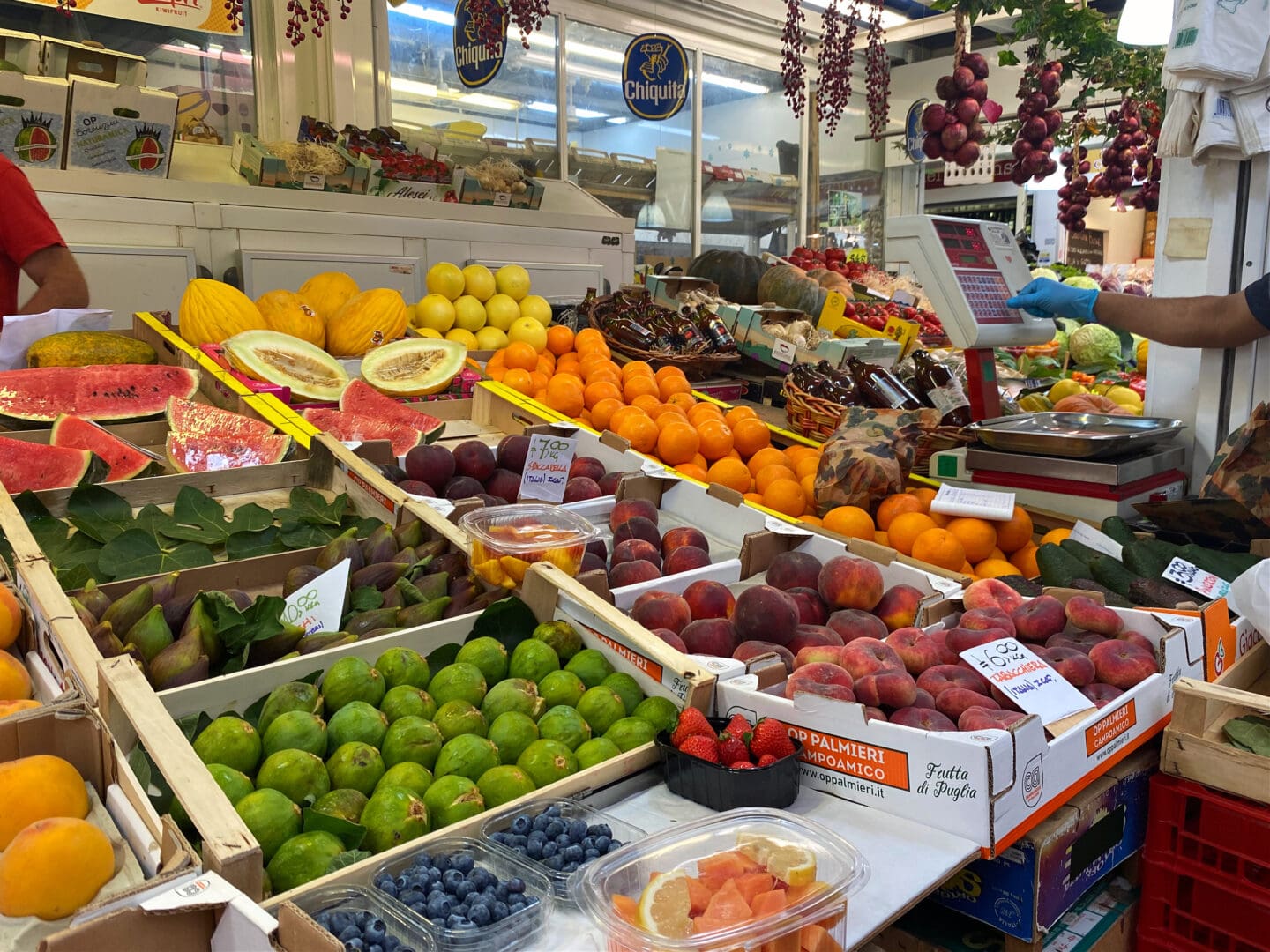

When you travel, it’s very easy to overspend on food. Restaurants can be expensive, and if you choose to dine out for breakfast, lunch, and dinner, this can significantly eat into your budget.
Self-catering for at least one meal a day will always save you a bit of money. It is also worth shopping at local grocery stores, especially for snacks and drinks, which can be quite expensive elsewhere.
As mentioned, if breakfast is included with your accommodation, try to make the most of it.
Avoid Costly Mobile Roaming Charges
Most of us want to stay connected when we travel. But mobile data can become a sizeable expense, particularly when overseas with children.
Many parents rely on their phones for maps, restaurant bookings, attraction tickets, and staying in touch with family back home. Kids also want to play games and watch YouTube videos.
While many accommodations have Wi-Fi, it is not always safe or available when you are away from the property. For this reason, many travellers use an eSIM, mainly because, instead of paying expensive roaming rates through your Australian provider, they can purchase local or regional data before they leave.
If this sounds of interest to you, consider searching for an eSIM coupon before purchasing a plan.
Take Advantage of Free and Low-Cost Activities
One of the best things about travelling is that there are usually plenty of sites and attractions to see. Unfortunately, some might cost an arm and a leg. However, you’ll be surprised at how many free or low-cost activities there will be for you to do.
These include everything from parks, beaches, and walking trails to local festivals, public playgrounds, and street art, which can provide hours of entertainment without costing you a cent. You should also keep an eye out for local museums and galleries, as many offer free entry days or discounted family passes. This will make your trip more educational and fun for your kids.
Your accommodation provider, or the local tourist board, should be able to give you an idea of where you can go for free. Failing that, there are tons of blog posts on the internet that can be useful sources of information.
Pack Smartly

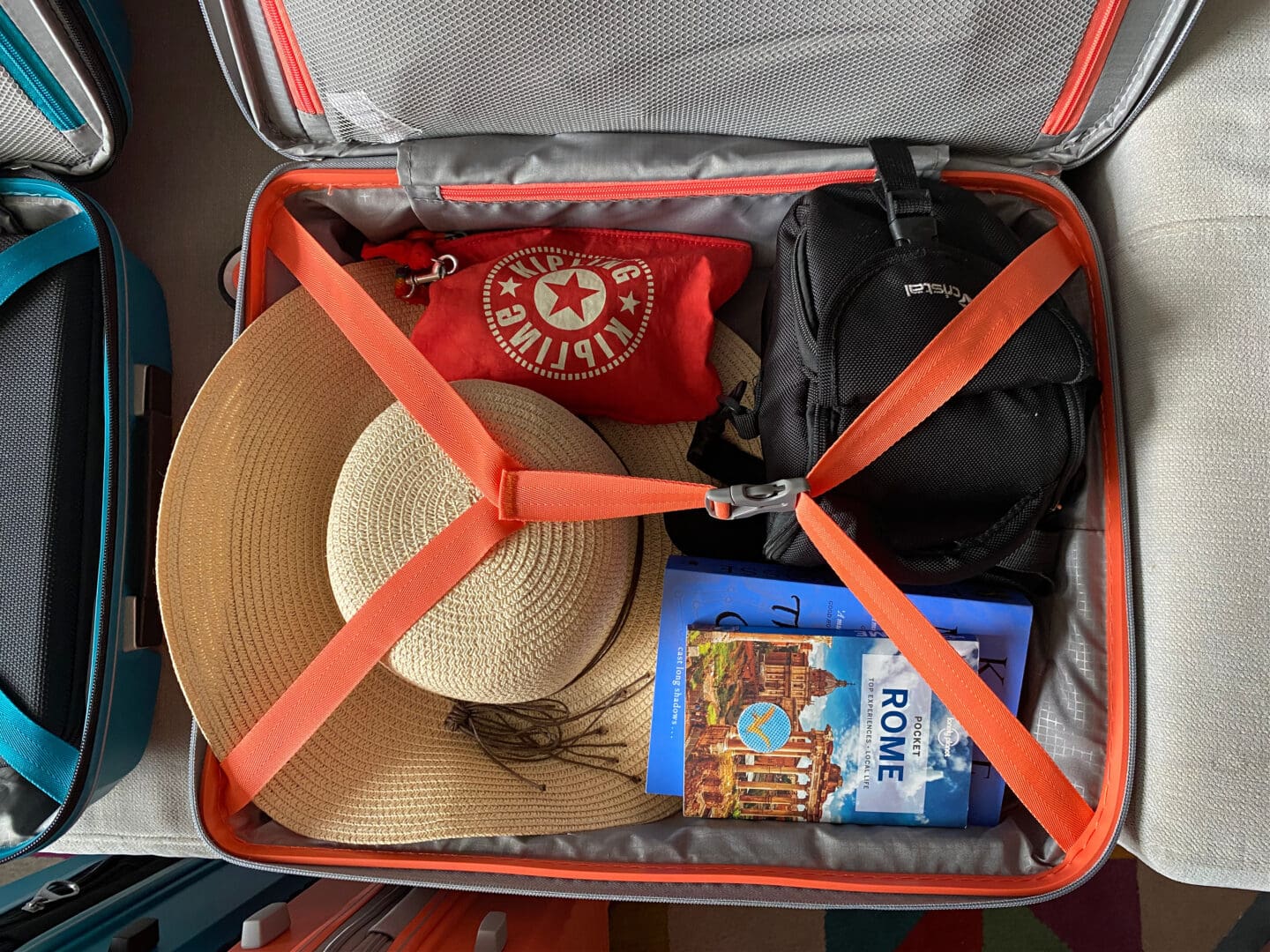
Packing is something many people don’t necessarily equate as a cost-cutting exercise. But the more strategically you pack, the less likely you are to have to spend money on holiday for something you forgot to bring.
If you have the space, it might be worth bringing the following:
- Water bottles
- Charging cables
- Power banks
- Medications
- Sunscreen
- Basic first-aid kit
- Rain macs
- Books, colouring activities, and toys for the kids
If you have these items at home, they will save you from making unnecessary costs while on an overseas holiday with your family.