Travelling with children can feel like an endless cycle of packing, planning, and answering the same question—“Are we there yet?” But travel isn’t just about getting from one place to another. It’s a chance to introduce children to new cultures, history, and experiences that they wouldn’t get from a book or a classroom. A well-planned trip can be exciting, memorable, and genuinely educational without feeling forced. The trick is knowing how to balance learning with fun, so the whole family stays engaged.
Table of Contents
Find Destinations That Spark Natural Curiosity – Educational Family Travel
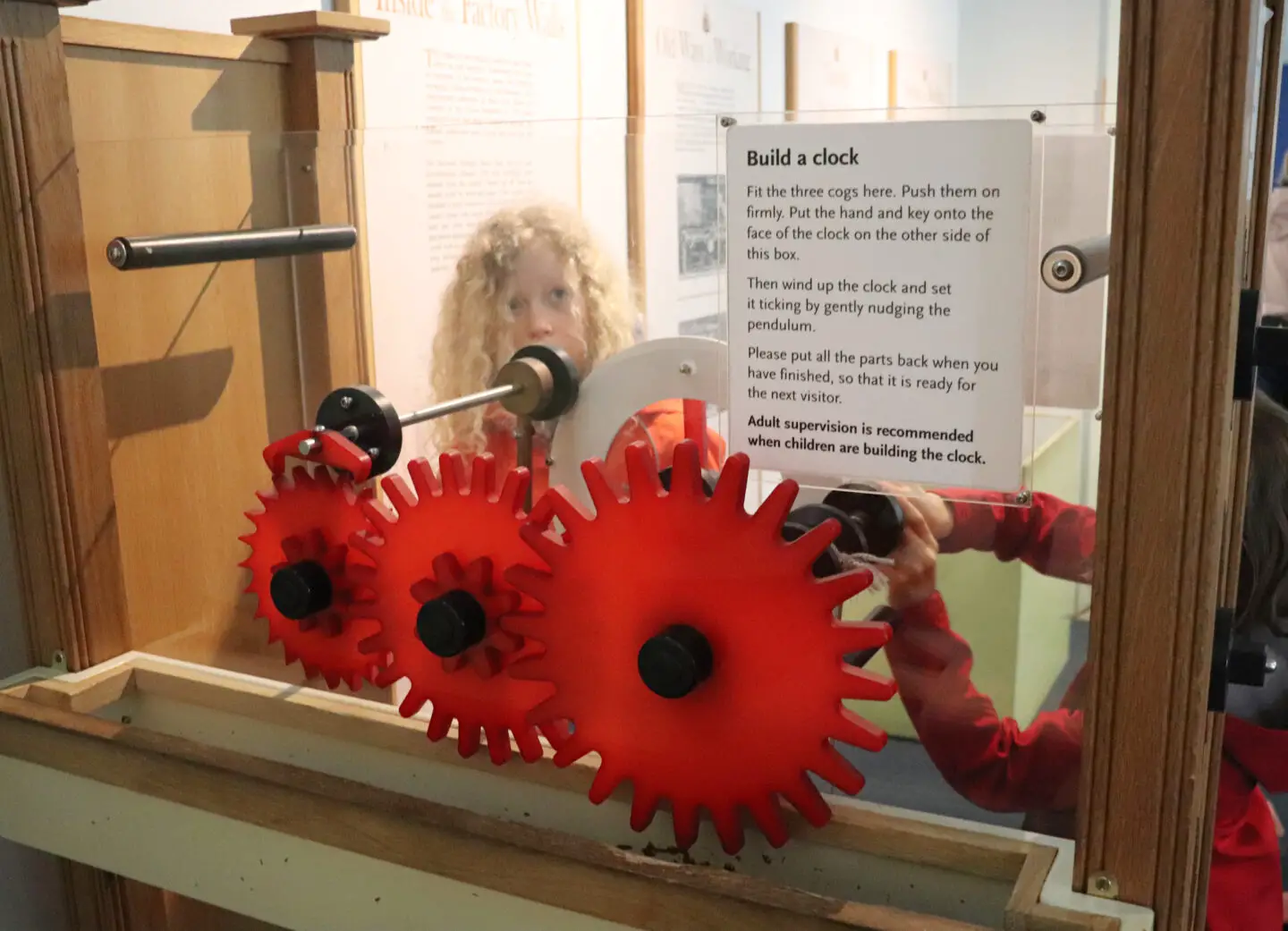
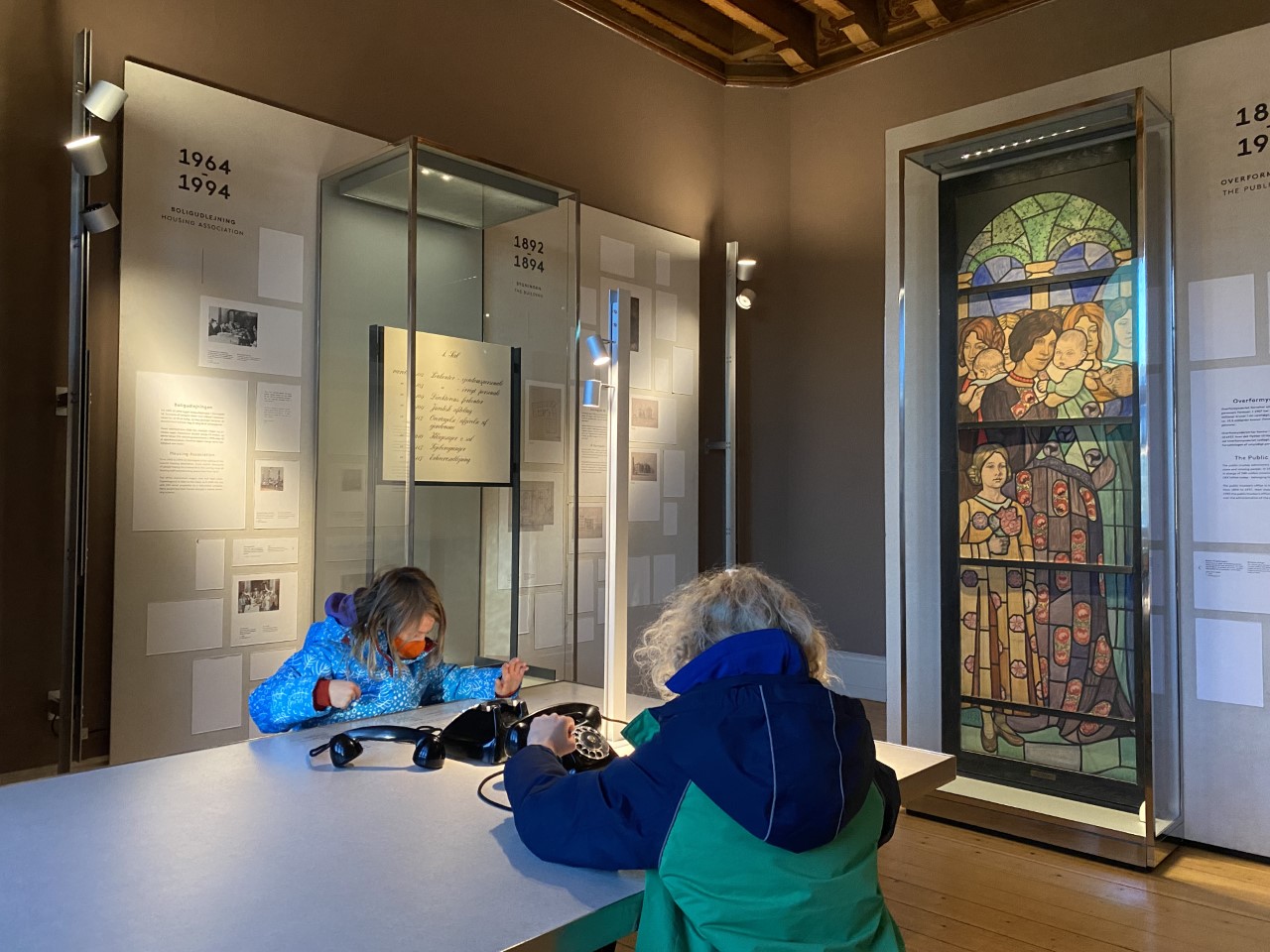

Choosing a location isn’t just about what looks good on social media. The best places for educational family travel are those that match what your child already finds fascinating. Some children will be captivated by ancient ruins, while others will be more excited about spotting wildlife in a nature reserve.
Big attractions like castles, museums, and aquariums always offer something to learn, but it’s often the smaller, unexpected places that make the biggest impression. Local markets, working farms, and even small-town historical sites can turn into unexpected learning experiences if children get the chance to explore at their own pace.
Instead of trying to fit in too many sights, focus on fewer places where children can interact with their surroundings. A hands-on museum where they can build, touch, and experiment will likely hold their attention much longer than a guided tour of an old building where they’re told not to touch anything.
Make Kids Part of the Planning Process
Children are more likely to engage in a trip when they feel included in the decision-making. Letting them research a few attractions, look at maps, or help build a basic itinerary gives them a sense of ownership. They might even enjoy learning a few words in the local language to practise when they arrive.
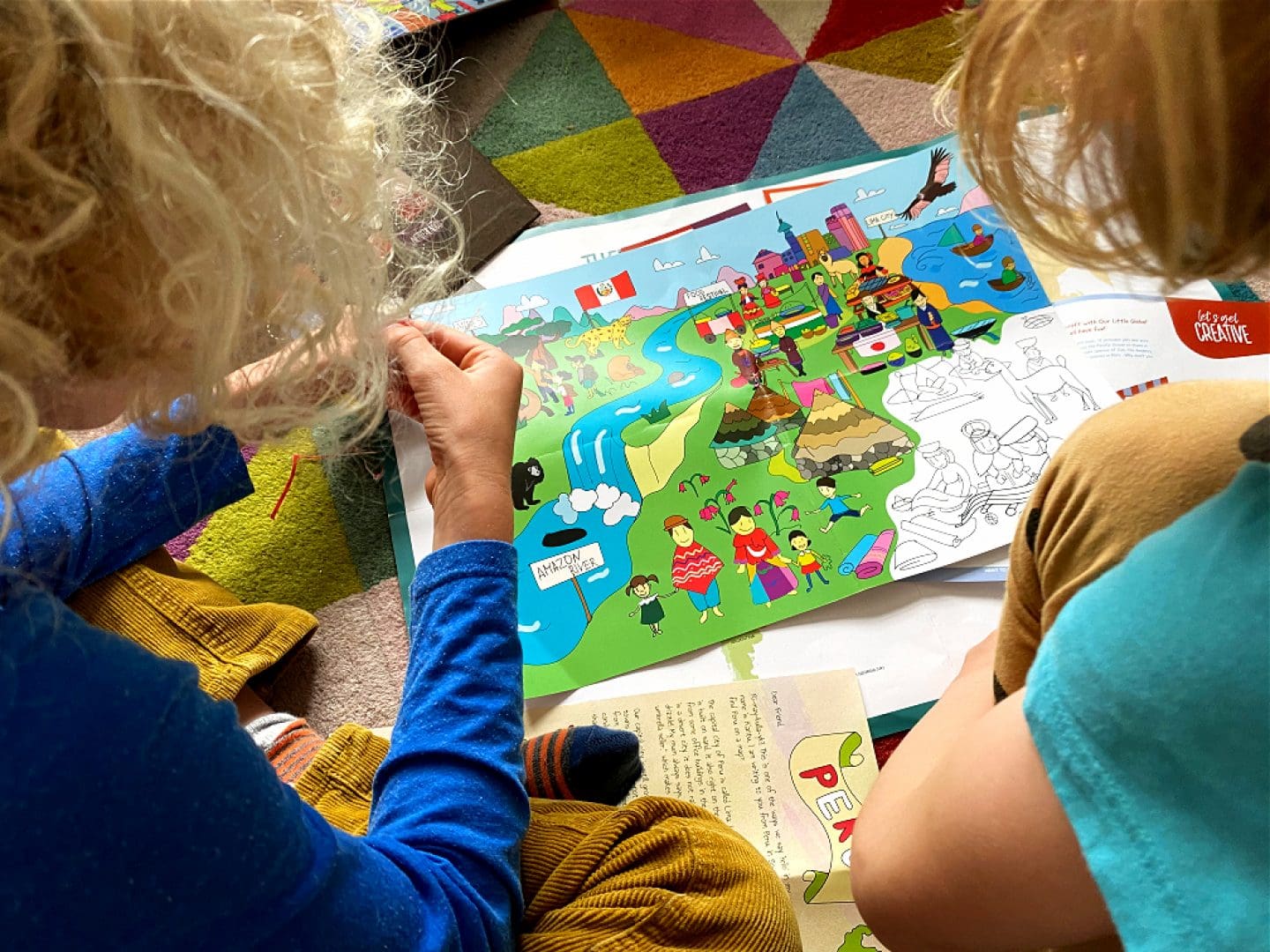
Money can be another great learning tool. Giving children a small travel budget helps them learn to compare prices, manage spending, and understand currency exchange. Parents often use travelfx.co.uk to arrange travel money before departure, creating a practical opportunity to discuss exchange rates and budgeting with children before the trip begins. Even something as simple as calculating the cost of a meal in another currency can turn into a quick, practical maths lesson.
Does your child enjoy documenting their experiences? If so, encourage them to keep a travel journal or take photos. Some children might even want to create short videos about their adventures. If they do, it helps to have tools that make it easy to go from MP4 to MOV, ensuring their clips are in the right format for sharing or editing later.
Turn Everyday Moments into Learning Opportunities – Educational Family Travel
Some of the best lessons happen when you least expect them. A simple walk through a market can become a geography lesson when you talk about where different foods come from. A bus ride through the city can turn into a history lesson when you point out old buildings and their significance.
Encouraging children to observe their surroundings leads to questions, and those questions naturally lead to learning. Why do people in one place eat different foods than people in another? How do certain traditions start? Why do some buildings look so different from what they’re used to? Instead of feeling like a lecture, these conversations become part of the adventure.
Use Technology Wisely


Travel doesn’t have to mean completely giving up screens. The right apps and tools can actually enhance learning. Some museums and historical sites offer augmented reality experiences where children can see how a place looked hundreds of years ago. Language-learning apps make it easy to practise a few phrases in the local language.
Audio guides can also help when attention spans start to dwindle. Rather than reading every plaque in a museum, listening to a kid-friendly guide can keep children engaged. If they enjoy making their own videos, teaching them basic editing skills and showing them how to organise their footage ensures their travel memories are easy to look back on later. Whether they need to edit footage or share it with friends, knowing how to go from MP4 to MOV keeps everything organised and accessible.
Keep It Hands-On – Educational Family Travel
Children learn best when they can touch, build, and create. Look for activities that let them get involved rather than just observe. A pottery workshop, a cooking class, or a visit to a working farm gives them something to do while teaching them about local culture. Even something as simple as picking fruit at an orchard or trying on traditional clothing can make a big impression.
Outdoor activities work particularly well. A guided nature walk where they can spot different types of plants and animals often holds their attention more than a static exhibit in a museum. Rock pooling, tide pooling, or even just stargazing in a dark sky area can turn into an unforgettable learning experience.
Avoid Overloading the Schedule
One of the biggest mistakes parents make when planning educational trips is packing too much into each day. Children need time to absorb what they’ve seen and experienced. If every moment is scheduled, they’ll be too tired to take anything in.
Instead of racing through five different sights in one day, pick one or two meaningful experiences and allow room for unplanned discoveries. Sitting in a park watching local life unfold, stopping for an unexpected street performance, or letting children play with local kids in a playground can be just as valuable as a formal tour.
There’s also nothing wrong with downtime. If an afternoon at the hotel pool or a quiet evening watching a film helps everyone recharge, the next day will be more enjoyable for everyone.
Keep the Learning Going After the Trip
Just because the trip ends doesn’t mean the learning has to stop. Encouraging children to share what they’ve learned with friends or family helps reinforce their experiences. They might want to put together a photo book, create a short video, or simply tell stories about their favourite moments.
Reading books or watching documentaries related to the places they visited keeps their interest alive. If they tried a new food they loved, attempting to recreate it at home can be a fun way to relive the trip.
Where to Next?
Travelling as a family isn’t just about taking a break from routine—it’s a chance to expand children’s understanding of the world in fun and exciting ways. With a balance of structured learning and unstructured exploration, every trip has the potential to be both educational and memorable.