Disclosure: This is a paid post. The Culture in South Lakes campaign is funded by the UK Government through the UK Shared Prosperity Fund | #UKSPF
Table of Contents
Why Visit Cumbria
Why do people like visiting the Lake District? There are multiple reasons that people choose to visit the Lakes. But I believe it all boils down to its natural beauty. I’ve been on countless trips to the Lake District since I was a young child, my parents would often take us camping or to a cottage so we could experience the outdoors and climb the surrounding hills. It is a particularly beautiful area of the world and full of natural beauty as well as the man-made art and culture that permeates the landscapes.
There has been a fantastic art and culture scene stretching back hundreds of years in the Lake District. Consider John Ruskin’s art works or Beatrix Potter’s beautiful watercolours. More recently you will find natural sculptures hidden around parts of the Lake District by the ‘Borrowdale Banksy’ an anonymous artist who creates beautiful sculptures similar to Andy Goldsworthy. It’s definitely an area which inspires creativity in both the people who live there and those that are visiting.
Where To Visit
Grizedale Forest – Art in the Lakes
So where should you visit on an art and culture trip to the Lake District? For starters I would recommend a full day to explore the stunning Grizedale forest area and their numerous sculptures. Sculptures have been added to the trails over the years and include artists such as Keir Smith and David Nash.
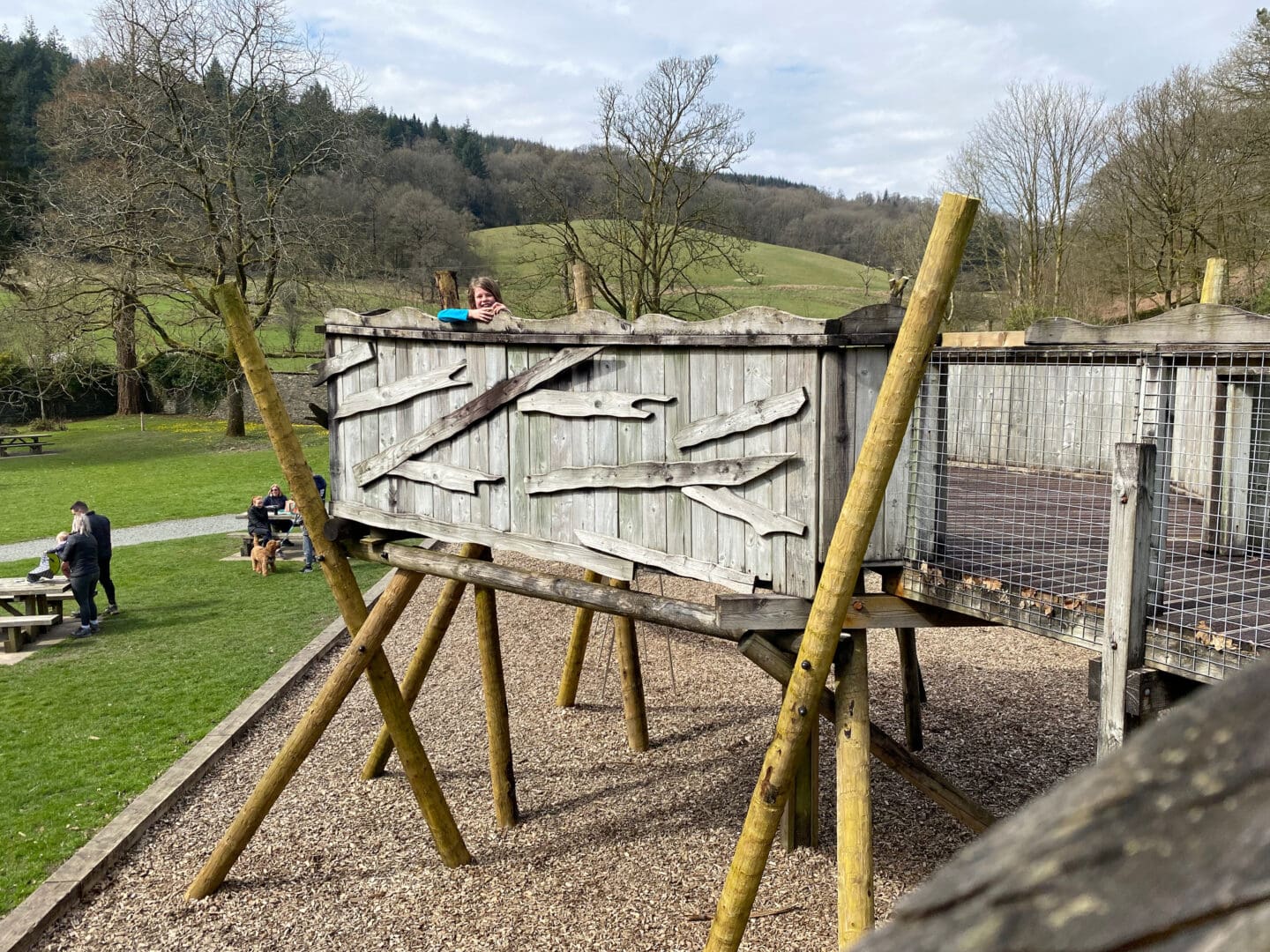
You won’t be able to see all the sculptures in one go as they are spread out across the forest on different routes. So depending on your time choose your route wisely! We stayed around the visitors centre trails as it was close to lunch time and we needed something to eat. Despite being busy at the visitor centre, once we were away from the Zog trail (perfect for little ones!) we found that we were all alone! We only had a few people pass us is in the other direction. Our favourite sculptures of the trail were definitely Keir Smith’s sculpture with the railway track and another artist who had created a circus tent metal sculpture!
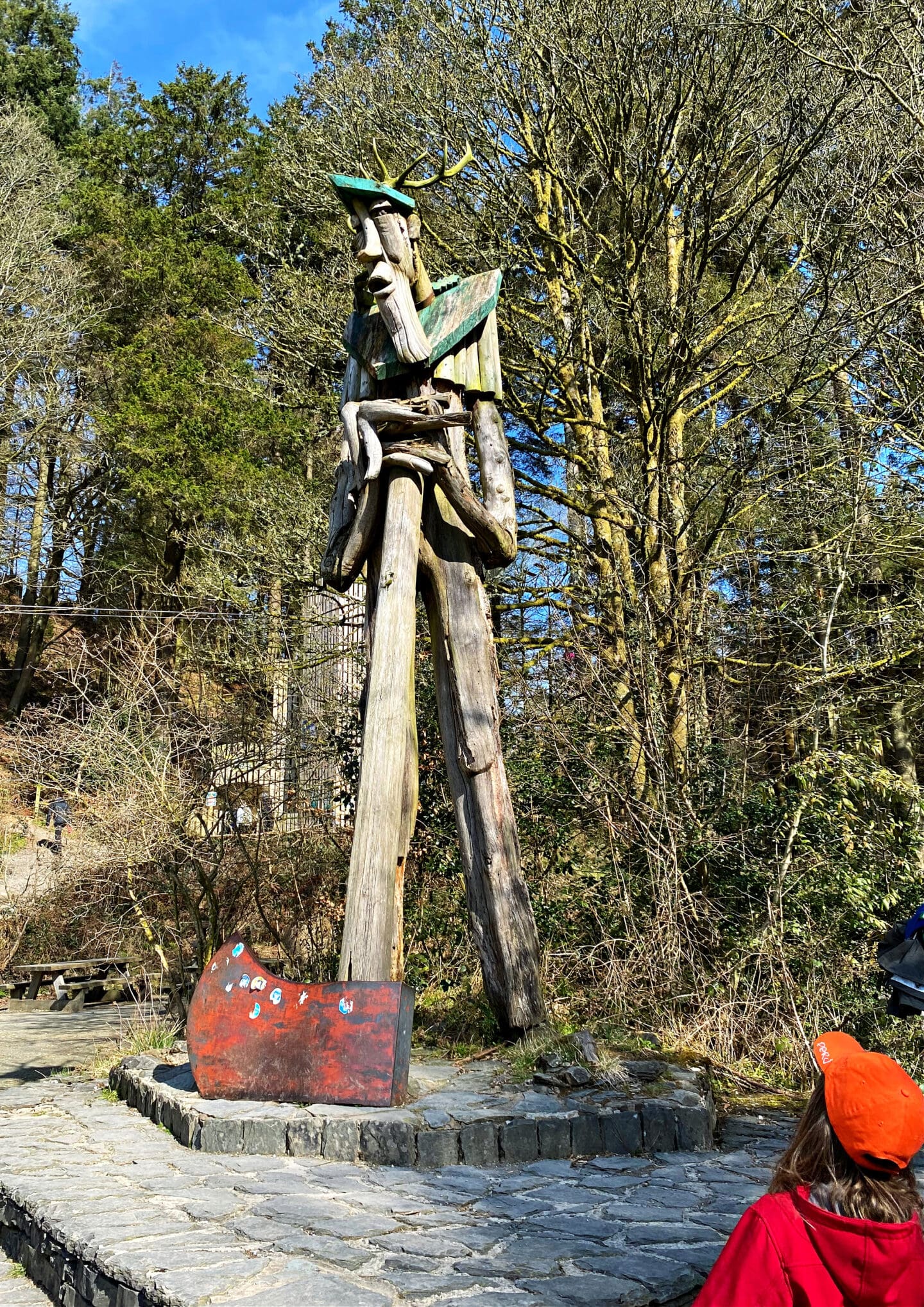
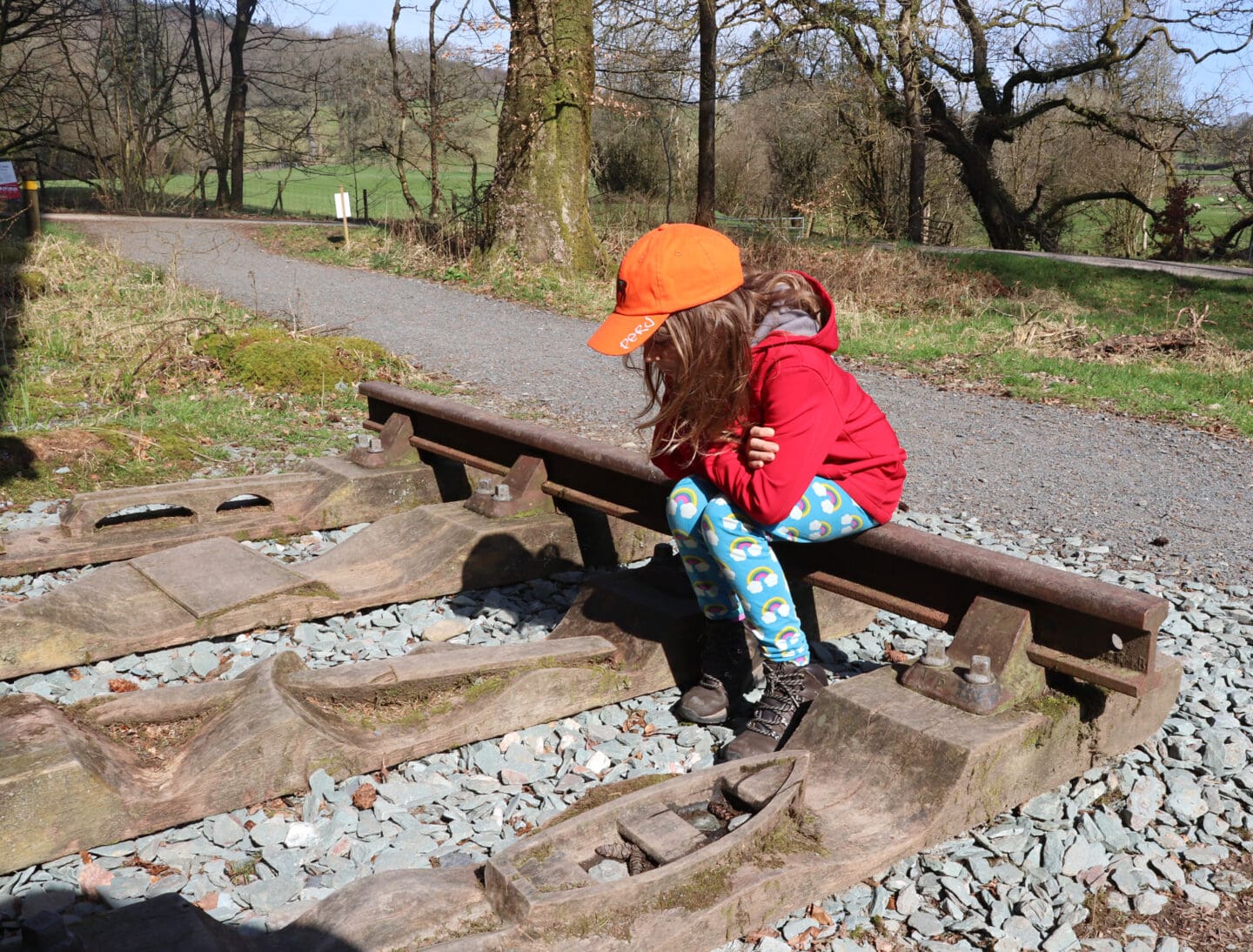
Next time we would like to walk the Silurian Way, which is approximately 10 miles, but has some beautiful and less visited sculptures along the way.
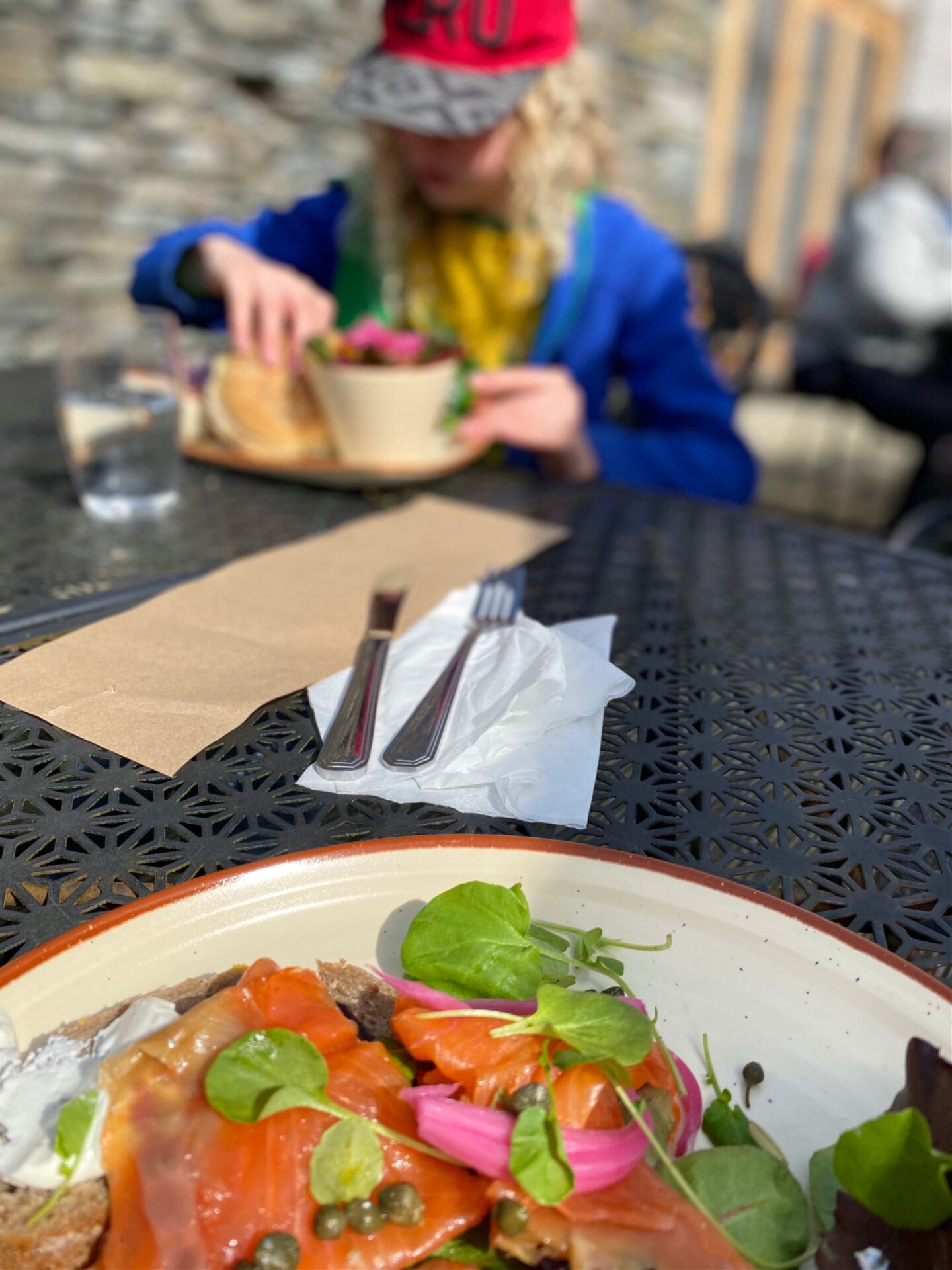
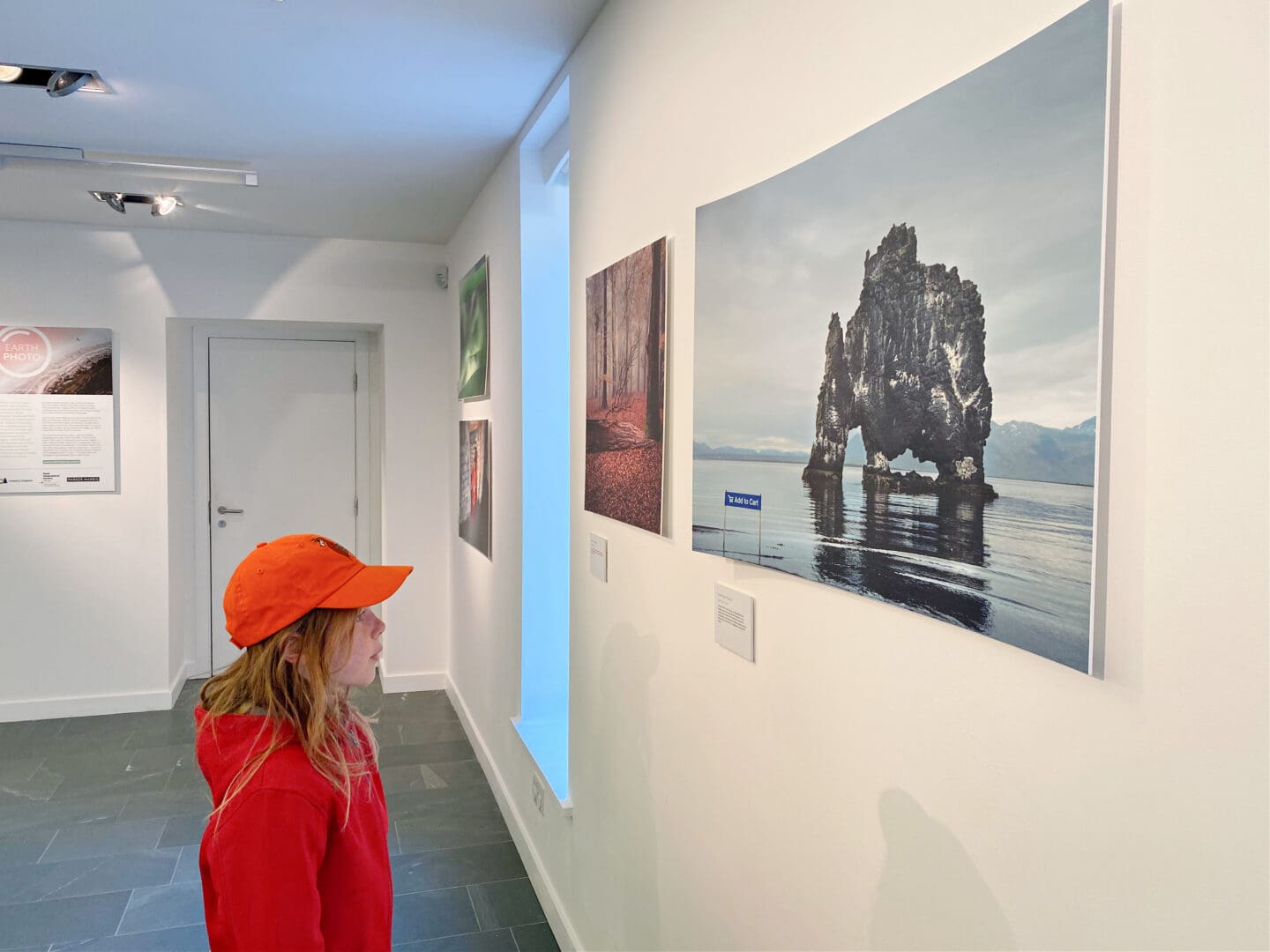
Back at the visitor centre you will also find an adventure play park for children and cafe which is excellent for lunch. There is a Go Ape ropes course available for an adrenaline thrill too at an extra cost. From December 2022 to April 2023 there was also an Earth Photo Exhibition beside the shop at Grizedale. The exhibition space changes regularly, but it’s also worth a look to see what the current exhibition is.
Hill Top House – Culture and Art In The Lakes
Beatrix Potter’s Legacy
You may not have heard of Hill Top House before, but this is the home of Beatrix potter and actually features in many of children’s story books. Beatrix bought the house and farm in 1905 as her home away from London. The farm was managed by a tenant farmer, who Beatrix added an additional extension to her cottage for him and his family. When Beatrix died she passed the cottage and farm over to the National Trust, who looks after it to this day. The farm is still rented out to a tenant farmer as per Beatrix’s wishes.
Beatrix Potter and her brother spent much of their childhood exploring and documenting nature via drawings from books and on holidays. For Beatrix this developed into beautiful and lively watercolour paintings, which she later made into her story books. The popularity of the books gave her an independent income. She used her income to buy Hill Top house and the farm, plus another 13 Lake District farms. Her idea for buying the farms was to preserve the Lake Distirct countryside as she knew it. She didn’t want to see it developed by industrialists as other areas of the country were. She was also a fan of the Herdwick Sheep and won many prizes for her flock over the years. Now the National Trust protects the farms and land Beatrix bequeathed them. The Lake District is now the home to two thirds of the world’s Herdwick sheep population.
Beatrix Potter’s Illustrations
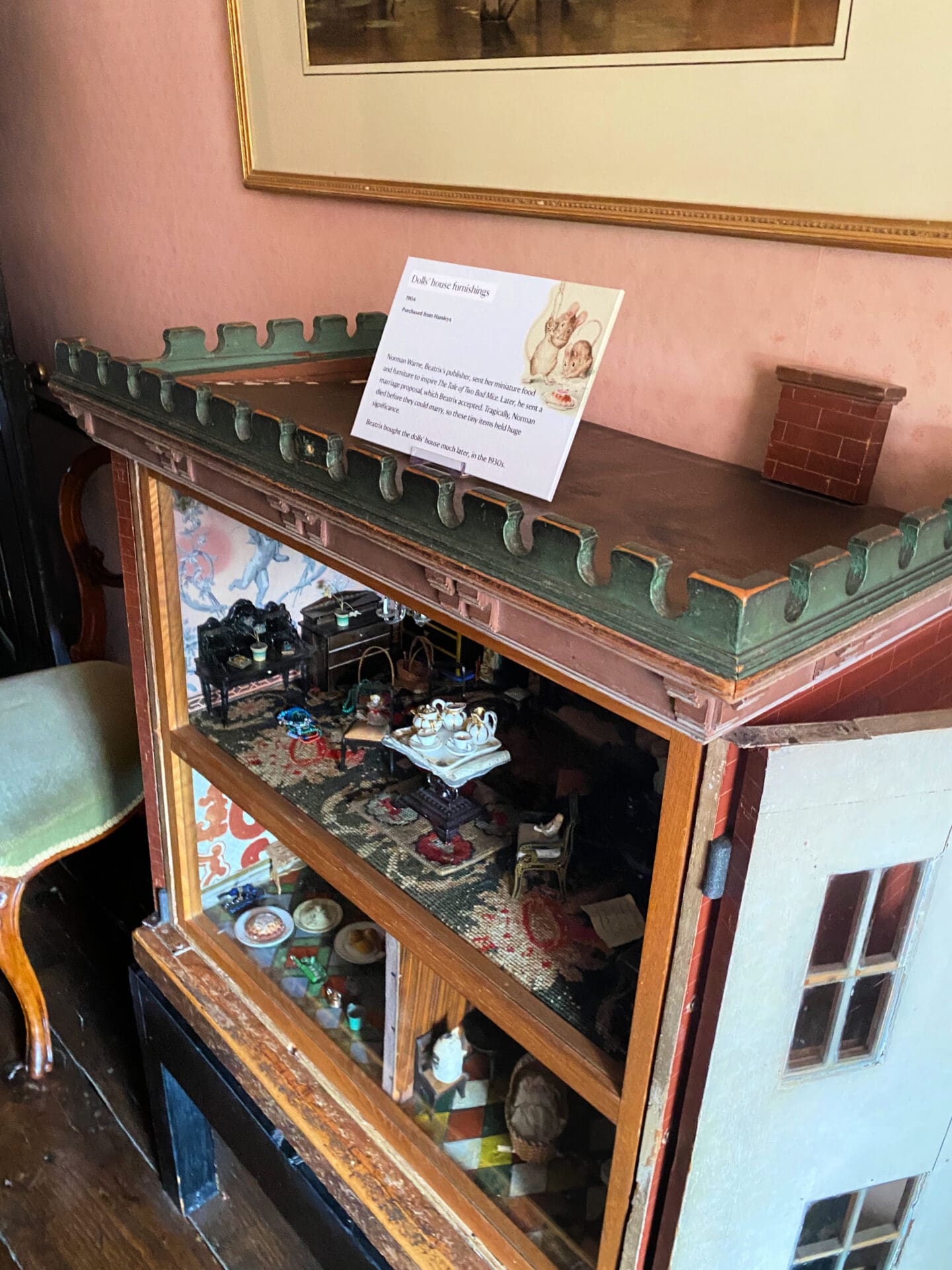

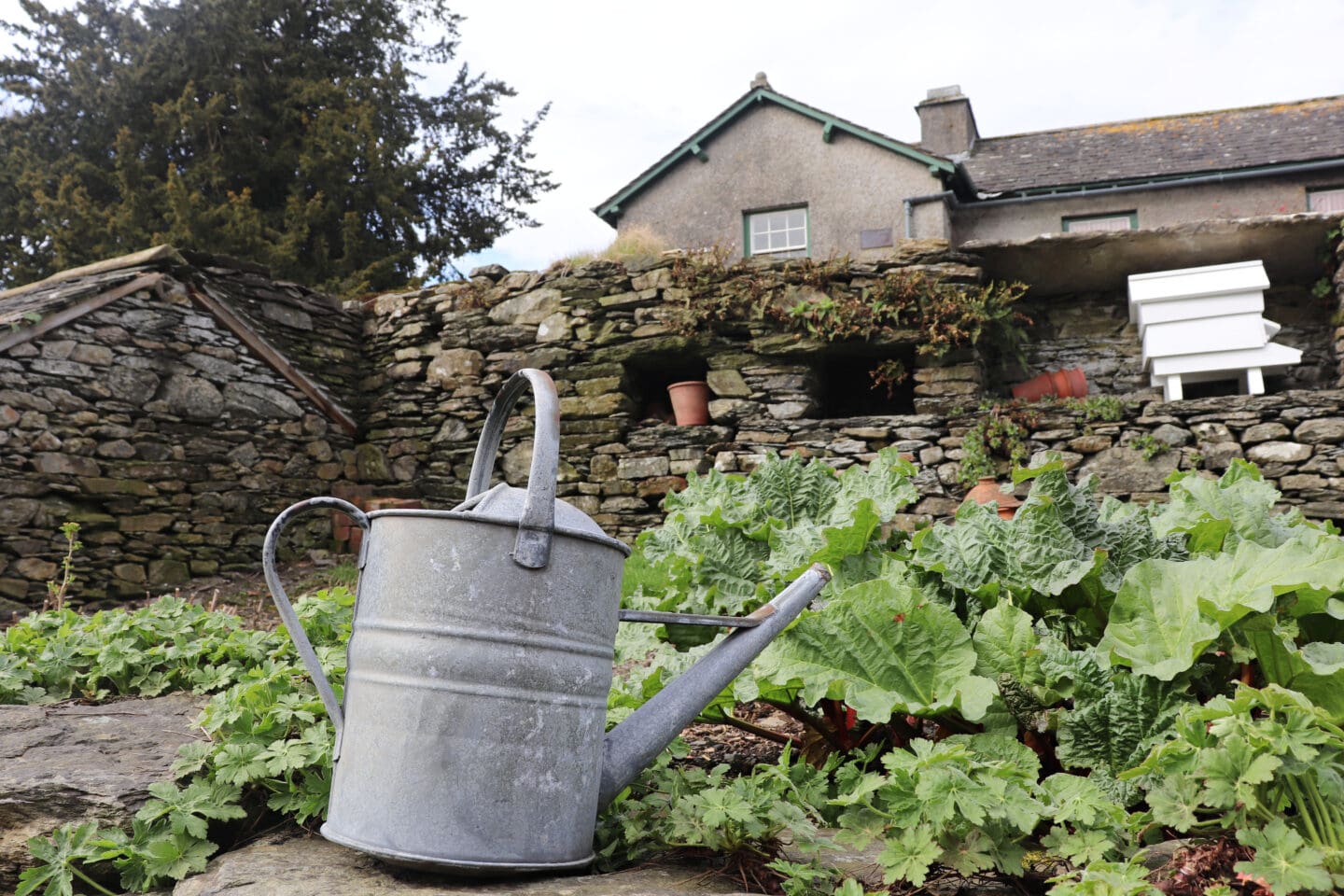
However, the main reason people visit Hill Top house is to see where Beatrix Potter was inspired to create her children’s books. They are certainly famous across the world and the staff at Hilltop House are more than willing to show you where the illustrations in the book can be matched up to the house itself. Even the carpet on the stairs can be seen in the many pictures from her various books, including Samuel Whiskers.
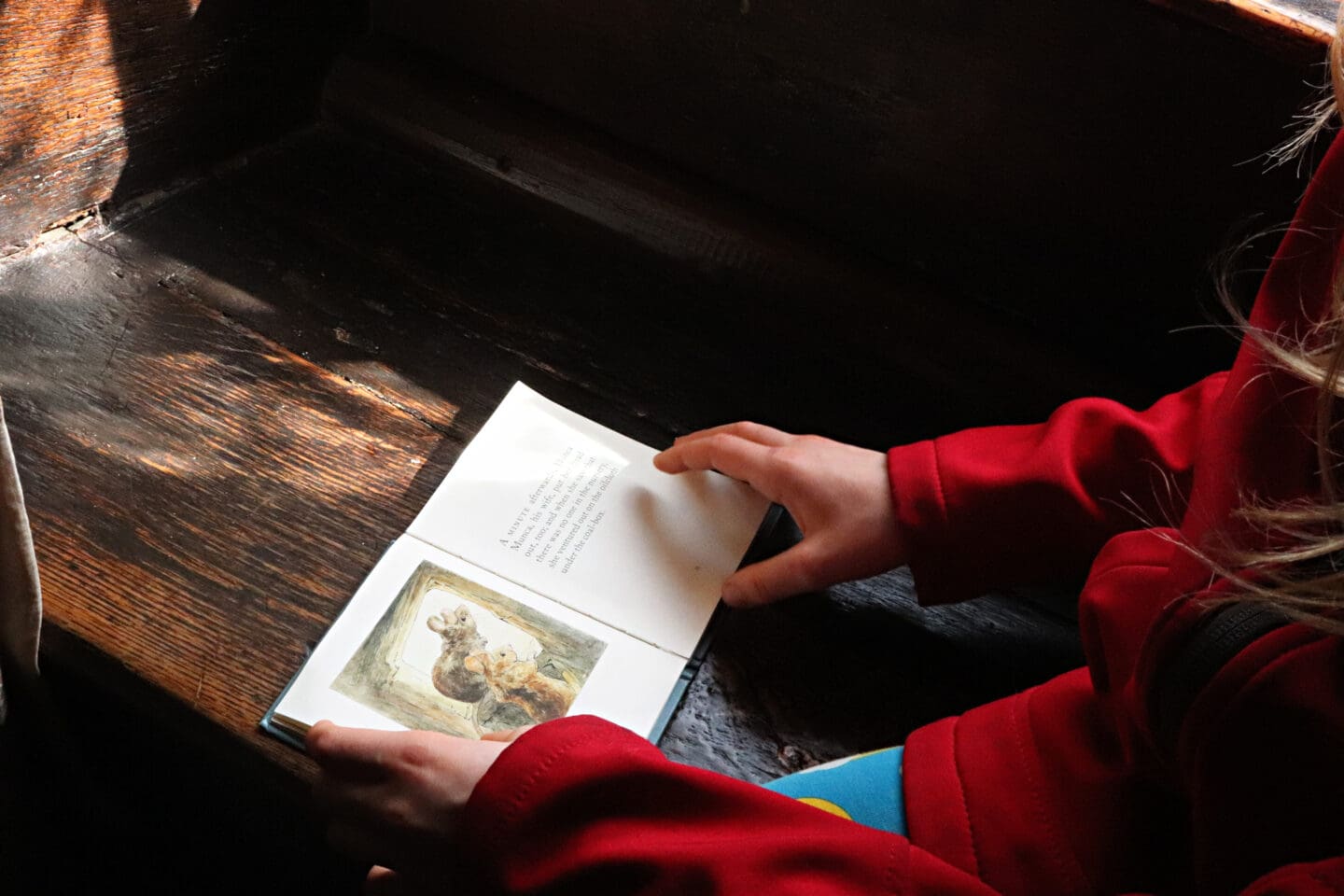
On each window seat there are some of Beatrix’s little white books sitting to browse through. So sit down, flick through the illustrations and enjoy seeing all the wonderful places in the house that Beatrix brought to life in her paintings and stories.
Don’t miss the garden too, it also features in many of Beatrix’s story books. Wander around and spot the pictures from the books scattered about the garden. Or enjoy something to eat and drink from Joey’s Cafe in the garden.
Stott Park Bobbin Mill – Culture and Art in The Lakes
Near the shores of Lake Windermere is the last working bobbin mill in the Lake District. The Lake District was once home to many bobbin mills that provided both industrial and home bobbins for the weaving and textile industry.
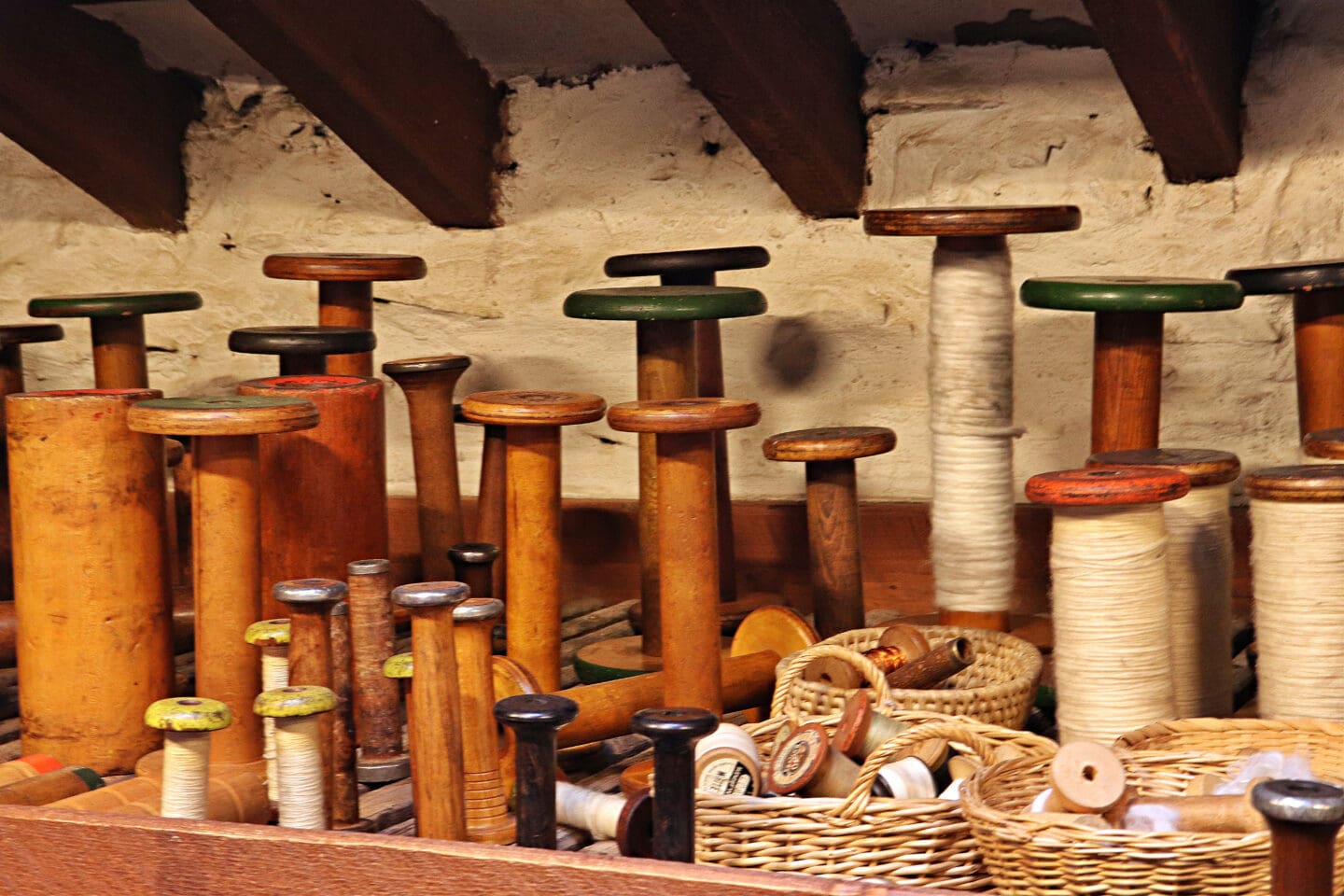
The Stott Park Bobbin Mill is now owned by English Heritage, who preserve the working mill for others to see the traditional process. The mill itself appears to be little changed since the time it was used by the underpaid workforce of men and boys. However, with wooden bobbins becoming a thing of the past and plastic taking over, the mill went out of use in 1971.
Stott Park Mill Tour
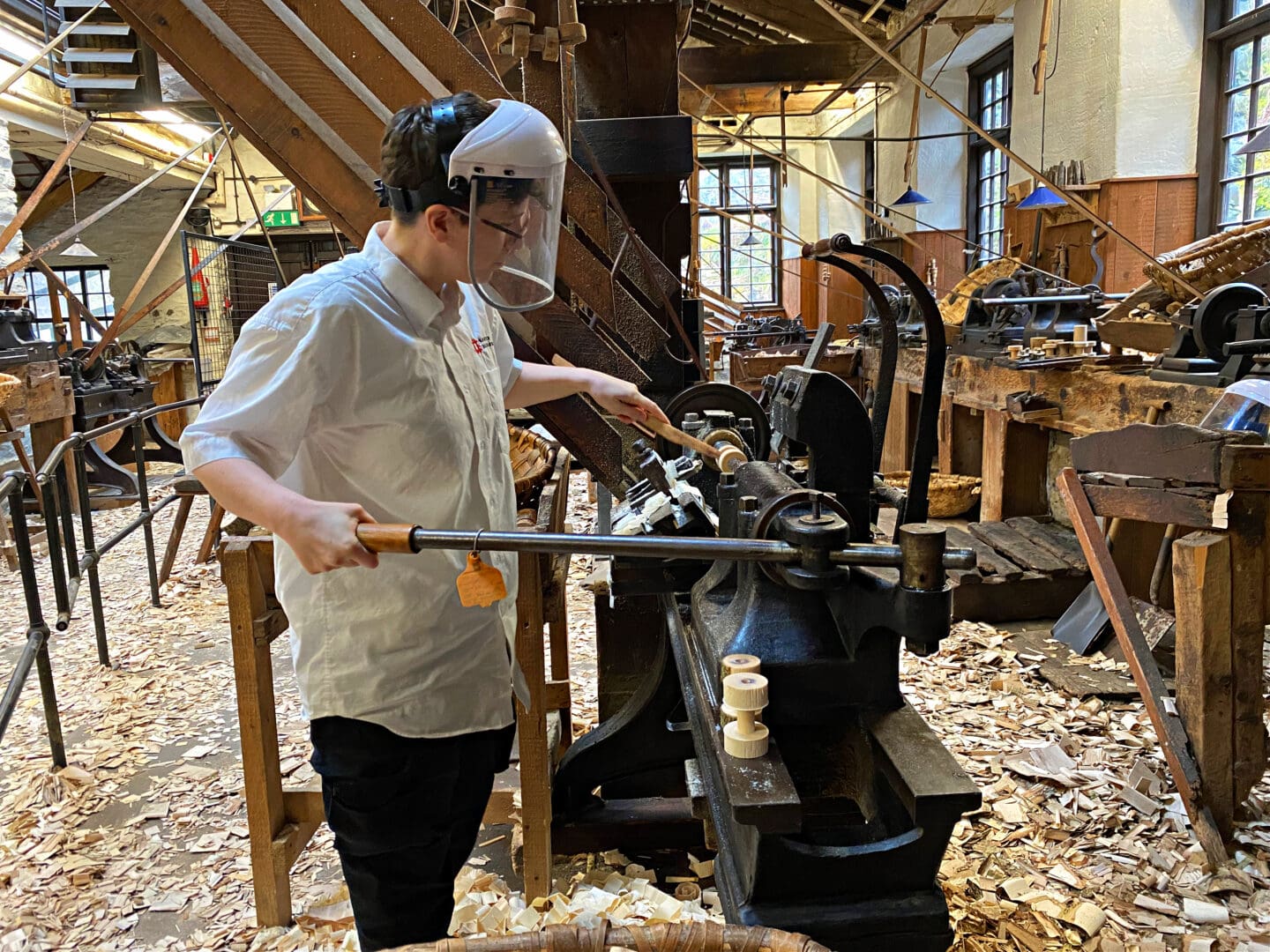
You can now visit the mill as part of a tour. It’s best to booked in advance to ensure you get the time you want. Each group is led around the mill to show the entire process of bobbin making. Starting off with wood, which would have been coppiced in a 20-mile radius of the mill, then chopped into correctly sized pieces. These are then turned on the machines to create the correct shape and put holes in the bobbins. Finally they are dried out and polished upstairs. It’s amazing to watch the wood shavings fly off onto the floor and see the machines whirring and chugging just as they would have in the past. You can get a real sense of how it felt in the past to work here, with wood shavings piled up high and the cold wind blowing through the open windows.
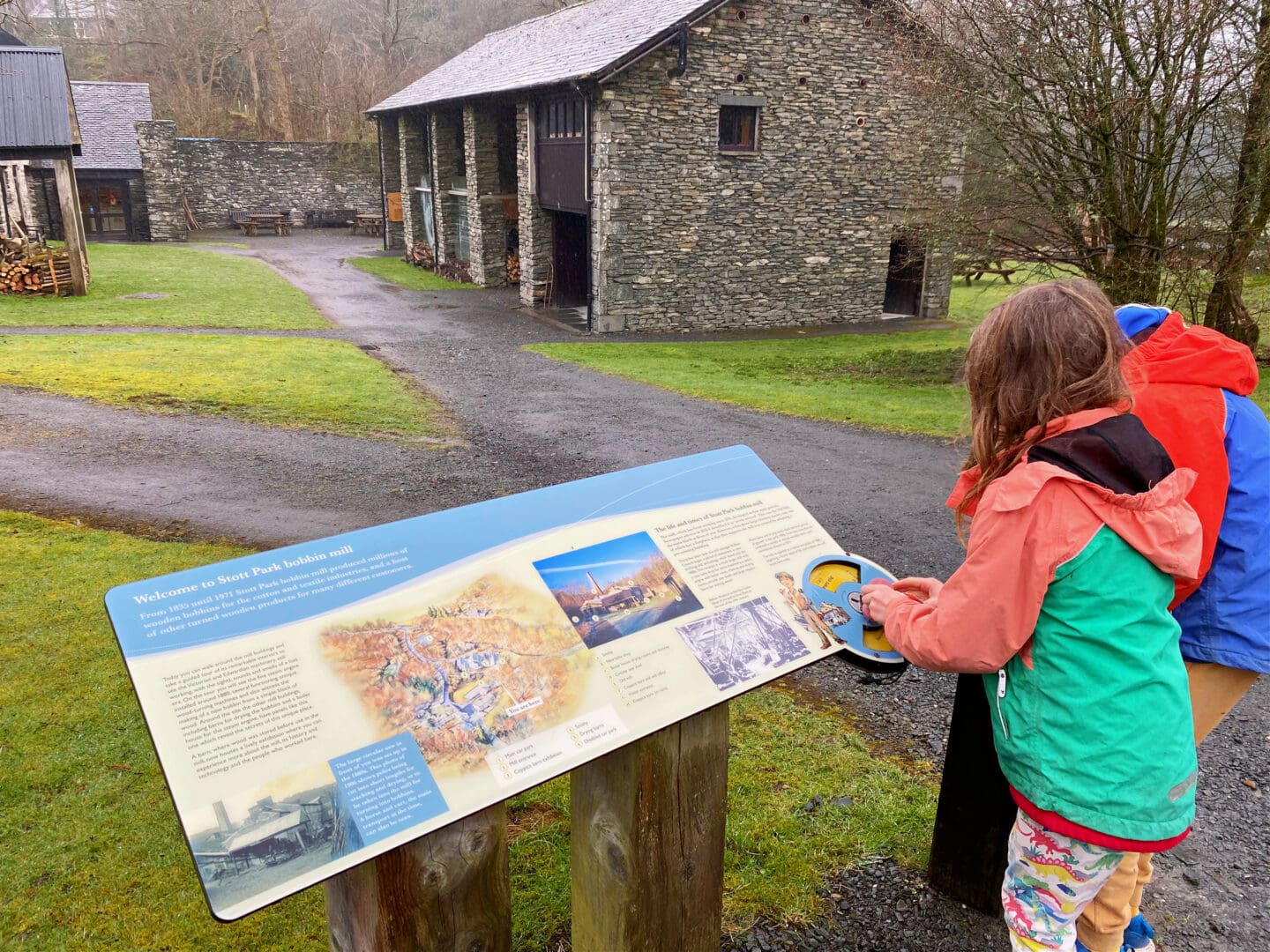
Outside you can explore the children’s trail to find out more about the people who worked there and the processes that were used. Children are given a special bobbin with a metal cross to fit onto the boards and turn the dials to gain the information needed to complete a quiz.
Finally you can visit the shop and buy your very own wooden bobbin turned at Stott Park! If it’s a good day then I’d also recommend exploring the surrounding area on a walk. Unfortunately for us it was torrential rain, but otherwise it would have been lovely!
The Lakeland Motor Museum
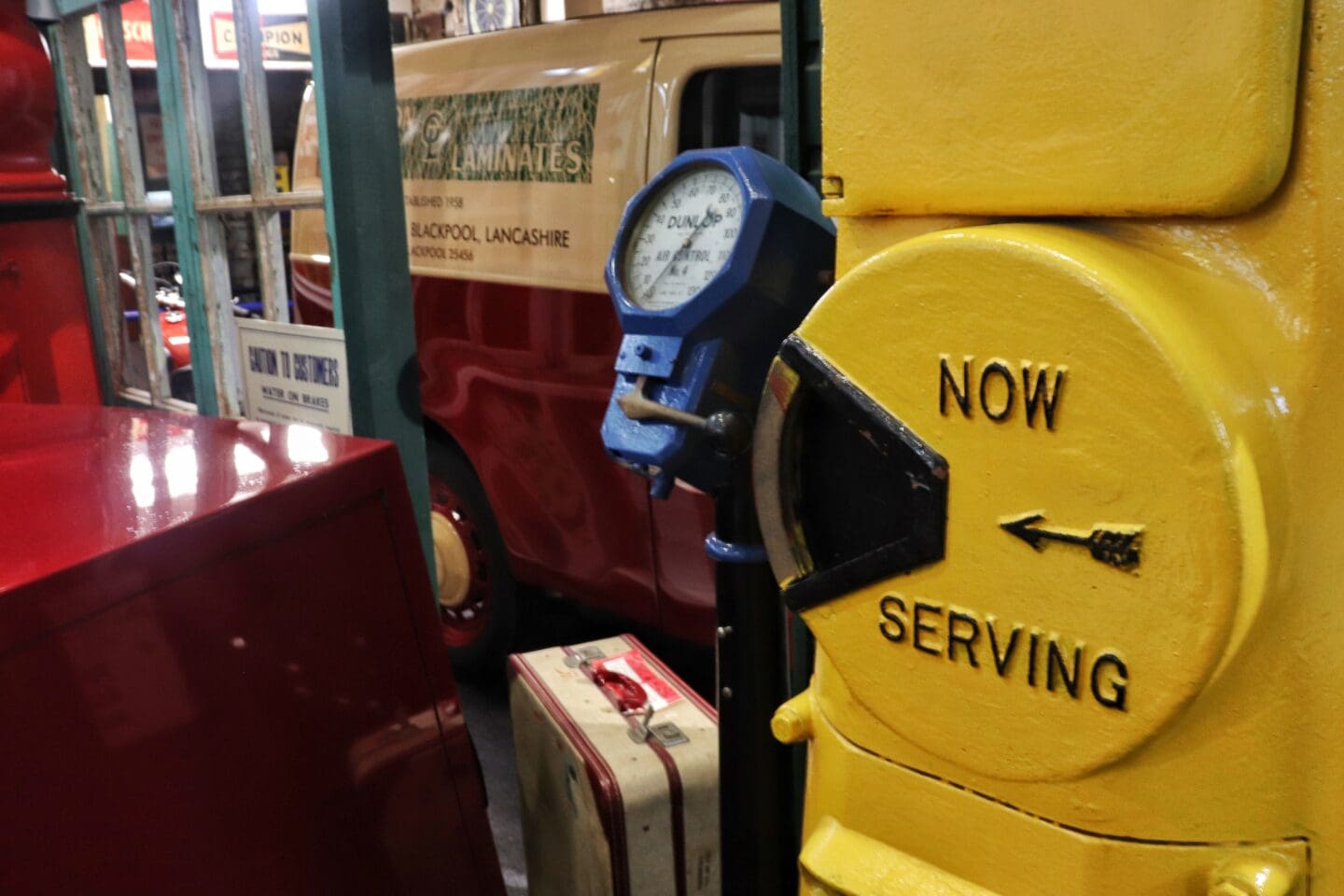
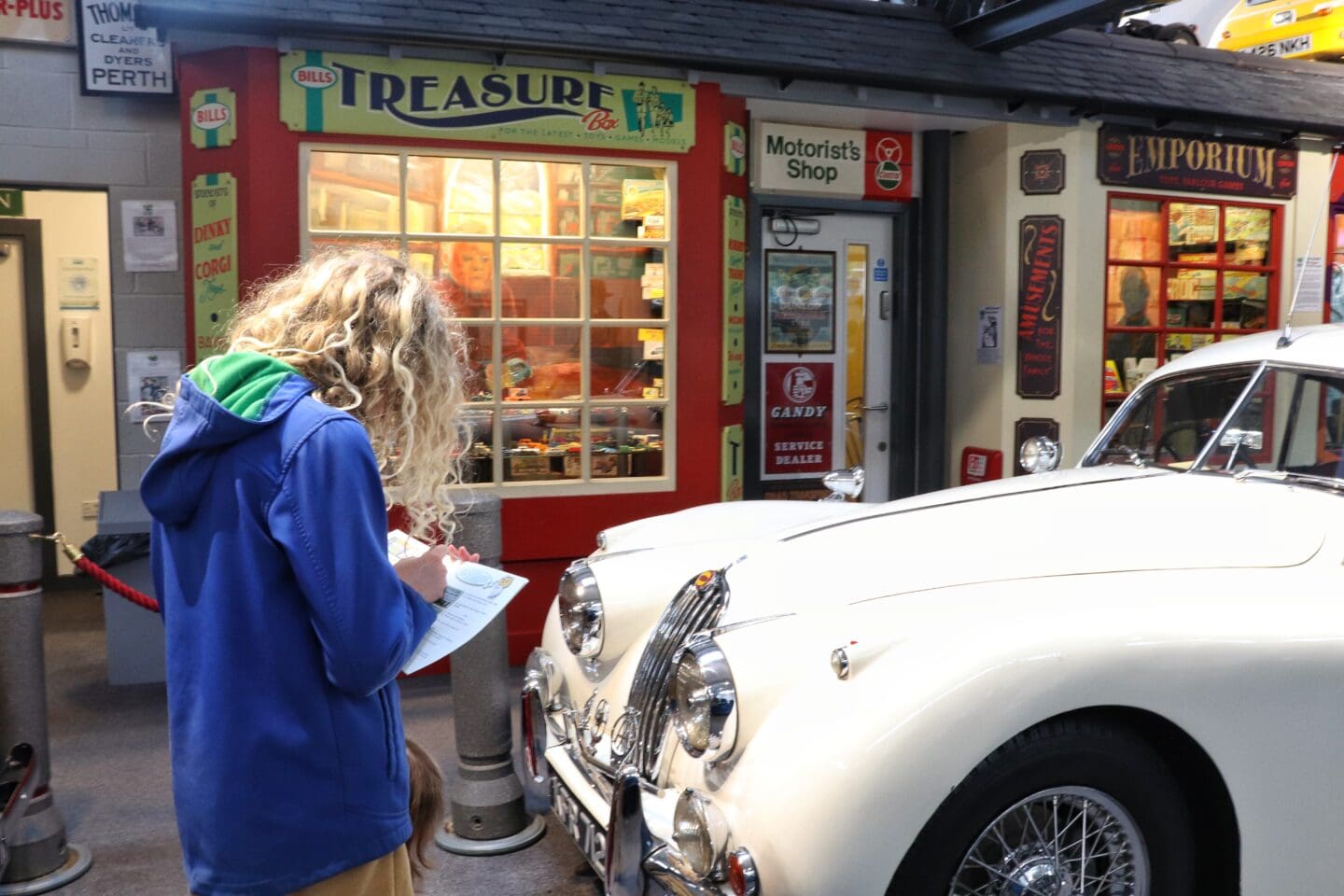
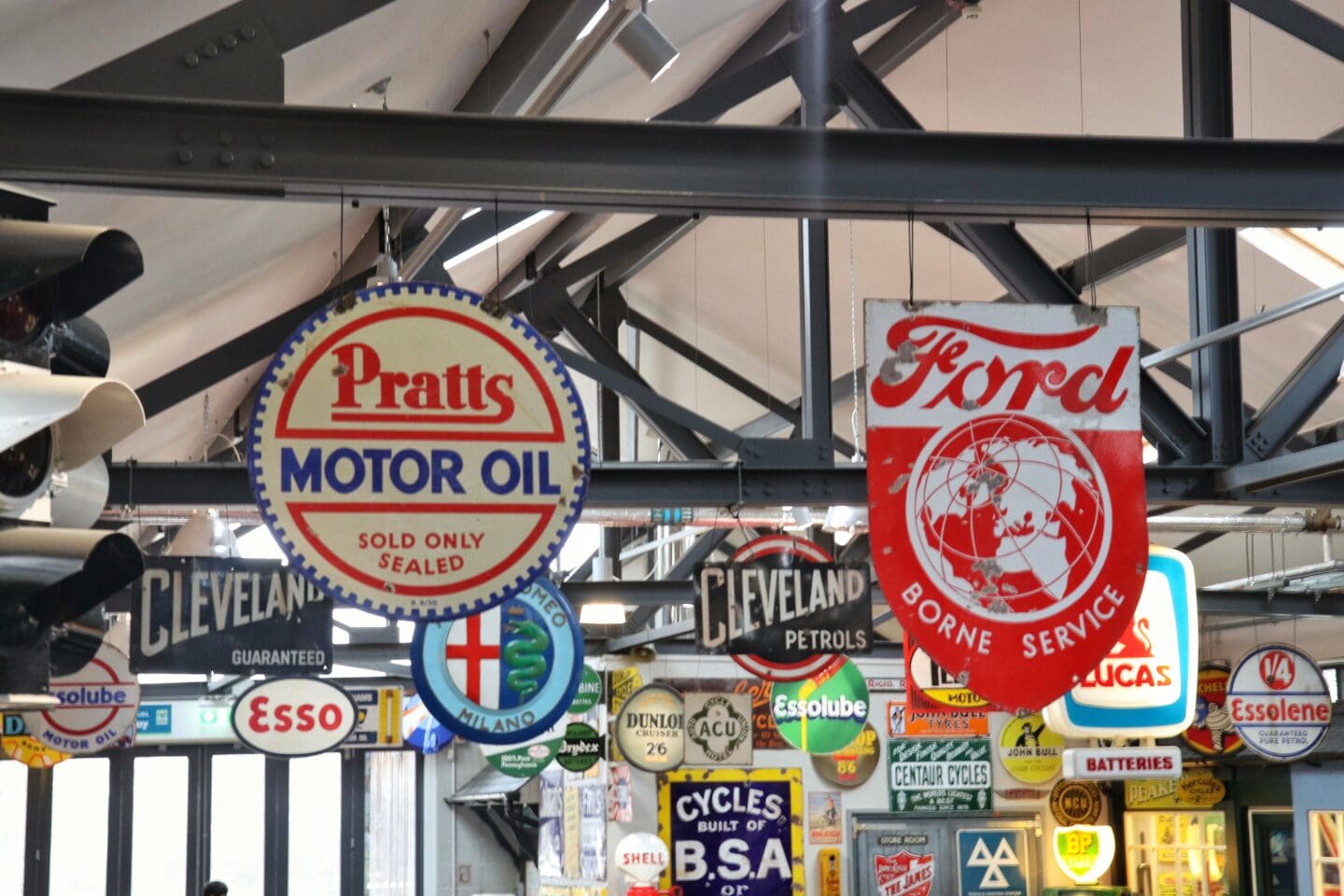
Another piece of Lake District history and culture is the Lakeland Motor Museum. Here you will find a collection of over 30,000 exhibits. This includes 140 classic cars and motorbikes that will have you heading down memory lane!
The museum begins with the oldest exhibits in the collection, showing how cars developed over time. You can find everything from a Dennis 1927 Fire Engine to the 1952 TVR 2, the worlds oldest surviving TVR. Personally I enjoyed seeing the Amphicar, with its catchy advert tune that suggest it’s the perfect family adventure vehicle. A car that turns into a boat at a flick of the switch!
Displays further around the museum show land girls driving tractors and an Isle of Man TT display. Although it’s not just motor vehicles, there are also displays on bikes, including the famous penny farthing. Plus a display on early arcade games that you can still play by inserting a 50p piece!
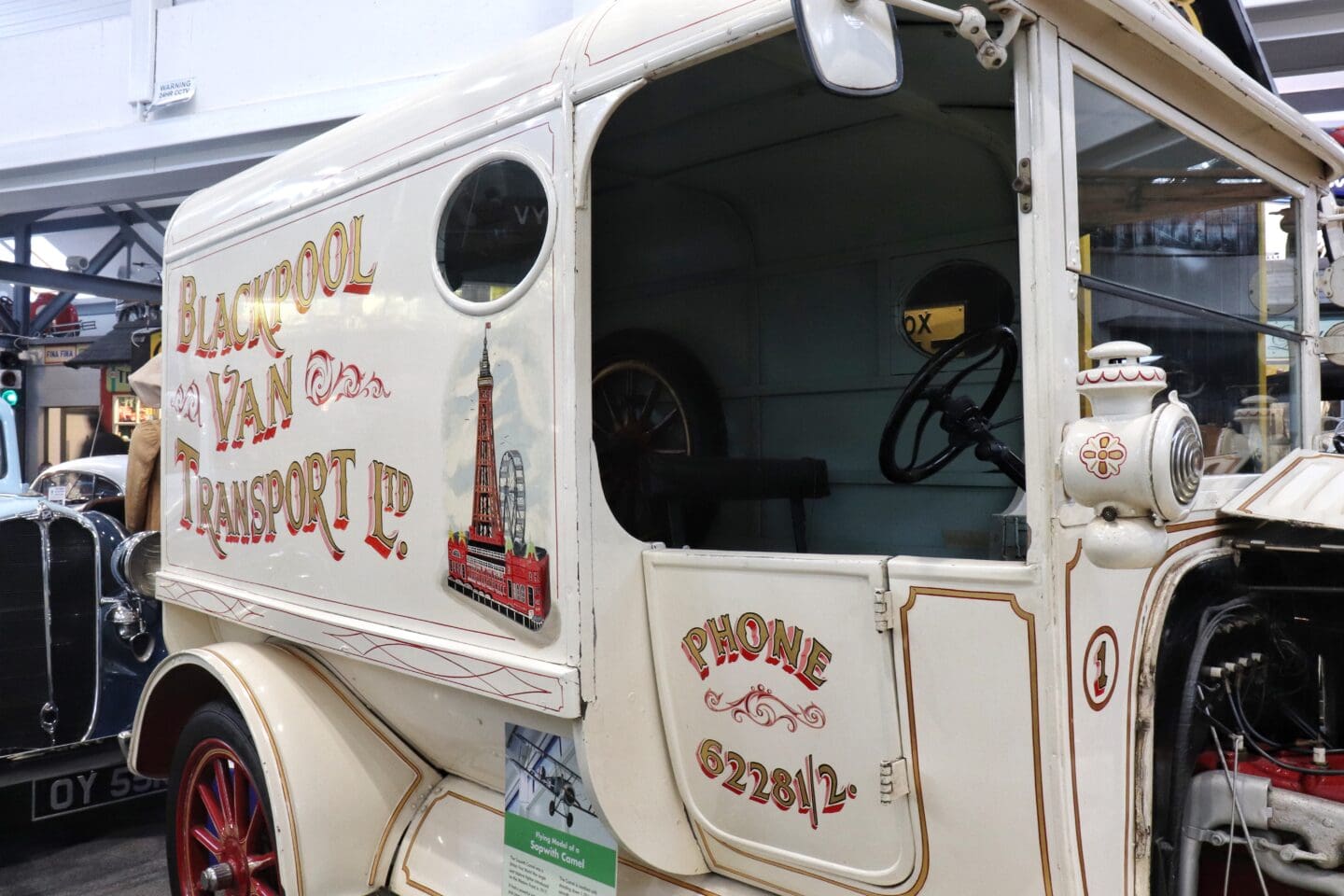
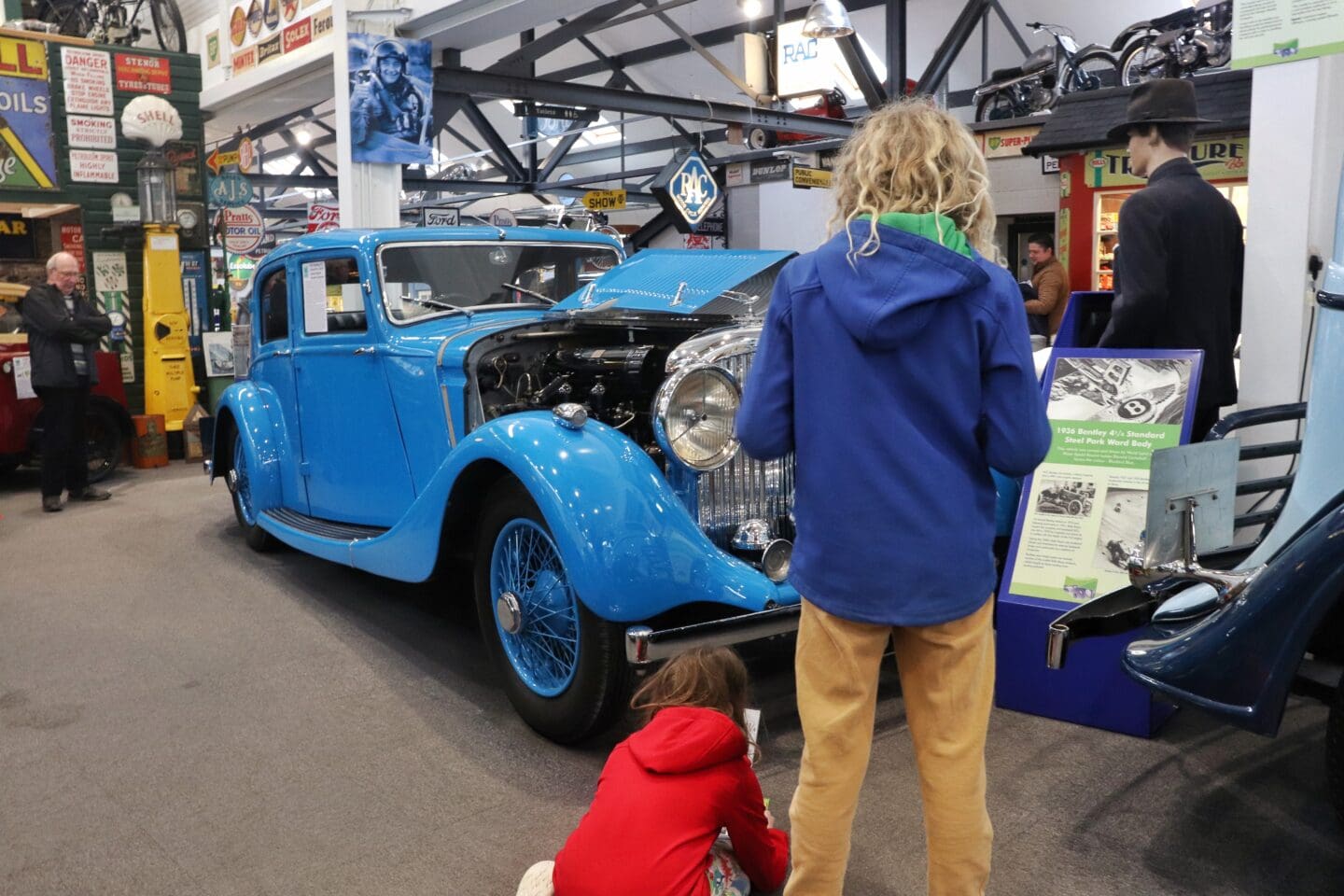
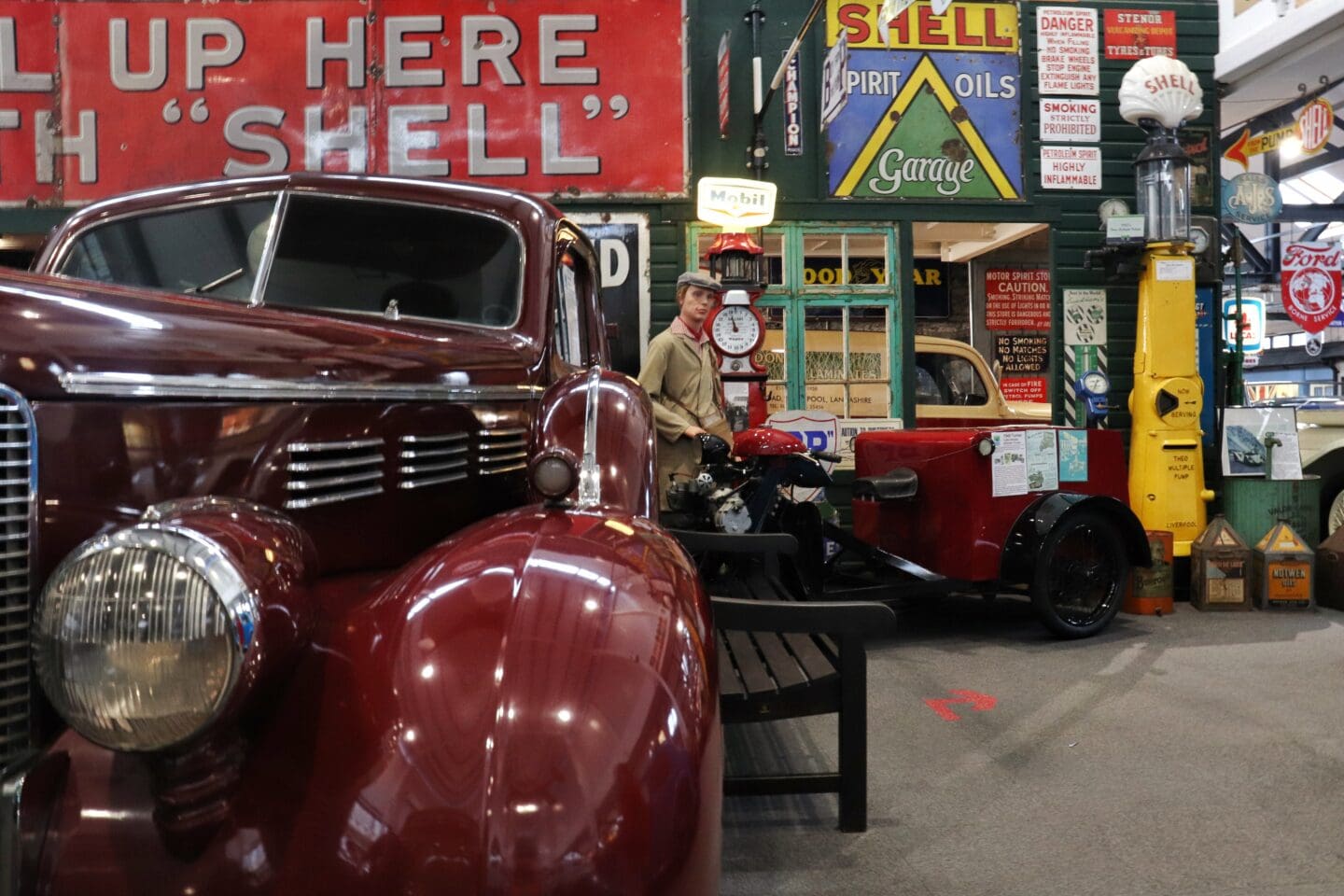
In another building across from the main museum is the Campbell Bluebird exhibition. The famous Campbell family has broken many land and water speed records. You can follow the history of the family from Malcolm Campbell, to his son and even grandson setting records in a variety of different cars over the years. It’s well worth visiting to find out more about this interesting part of the Lake District’s history.
Children can also follow a kids trail and answer various questions to earn a sticker at the end. The questions aren’t all easy, but it does make you look a little harder at the exhibits trying to find the information!
Where To Stay For Culture and Art in The Lakes
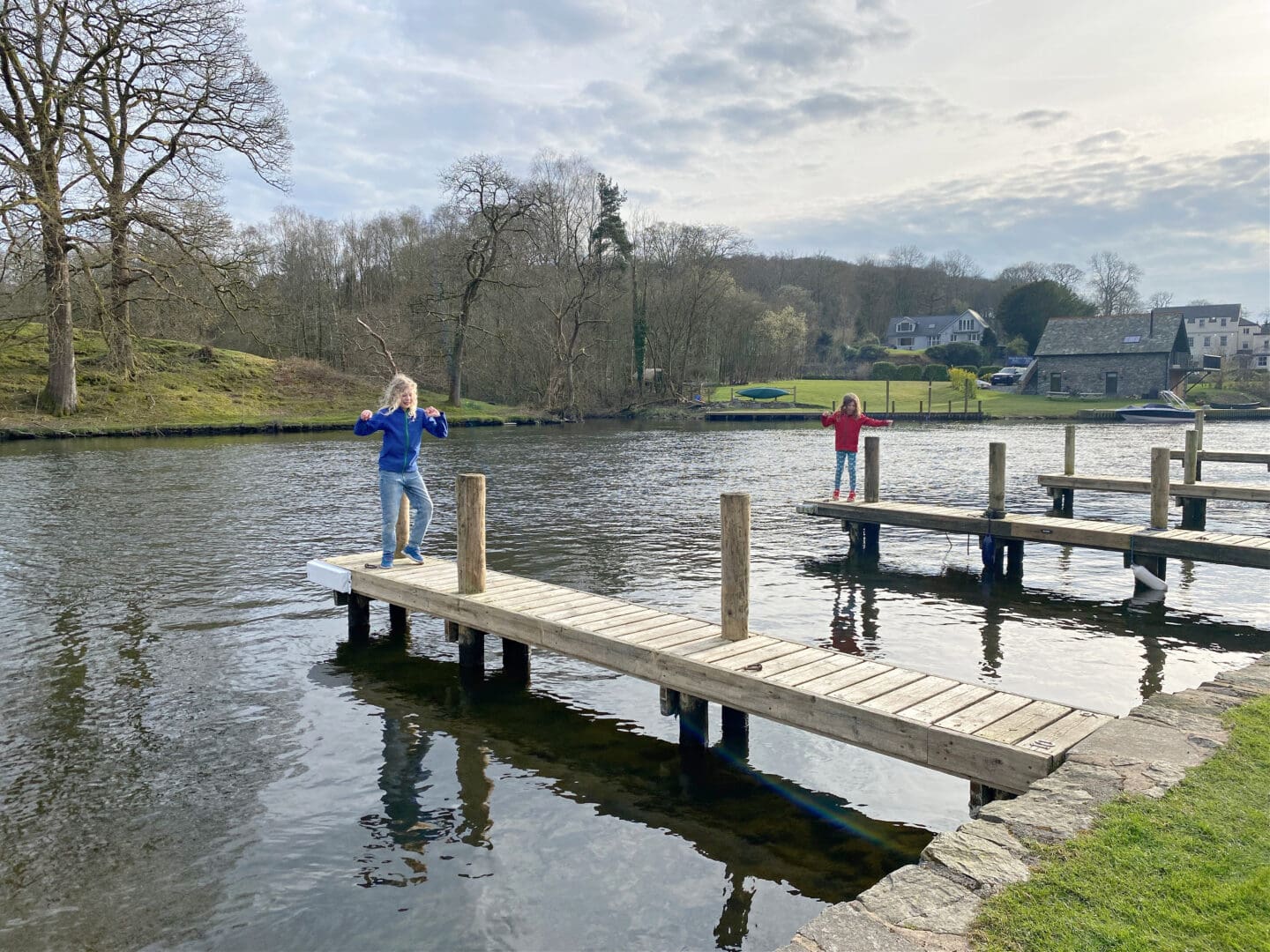
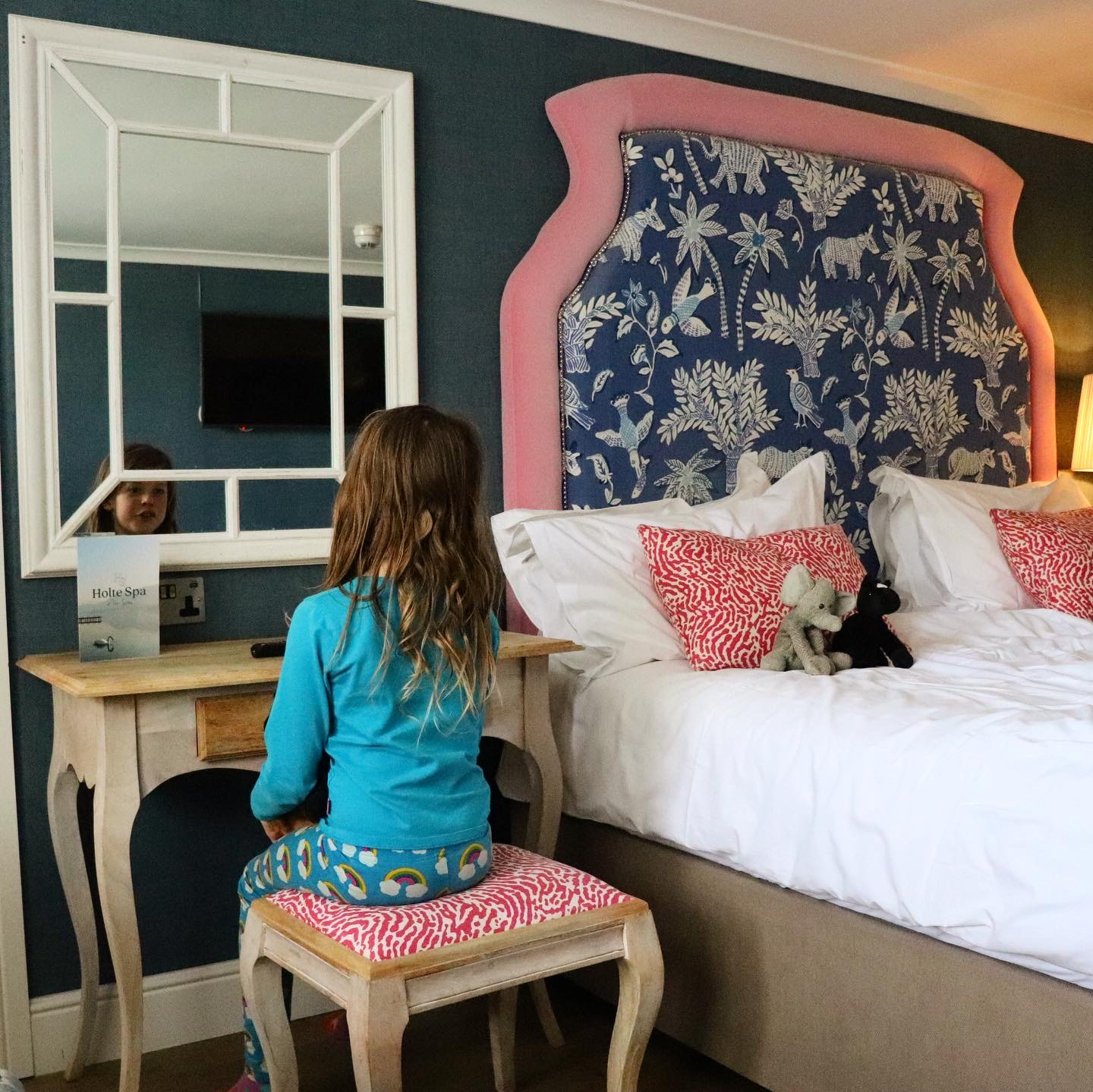
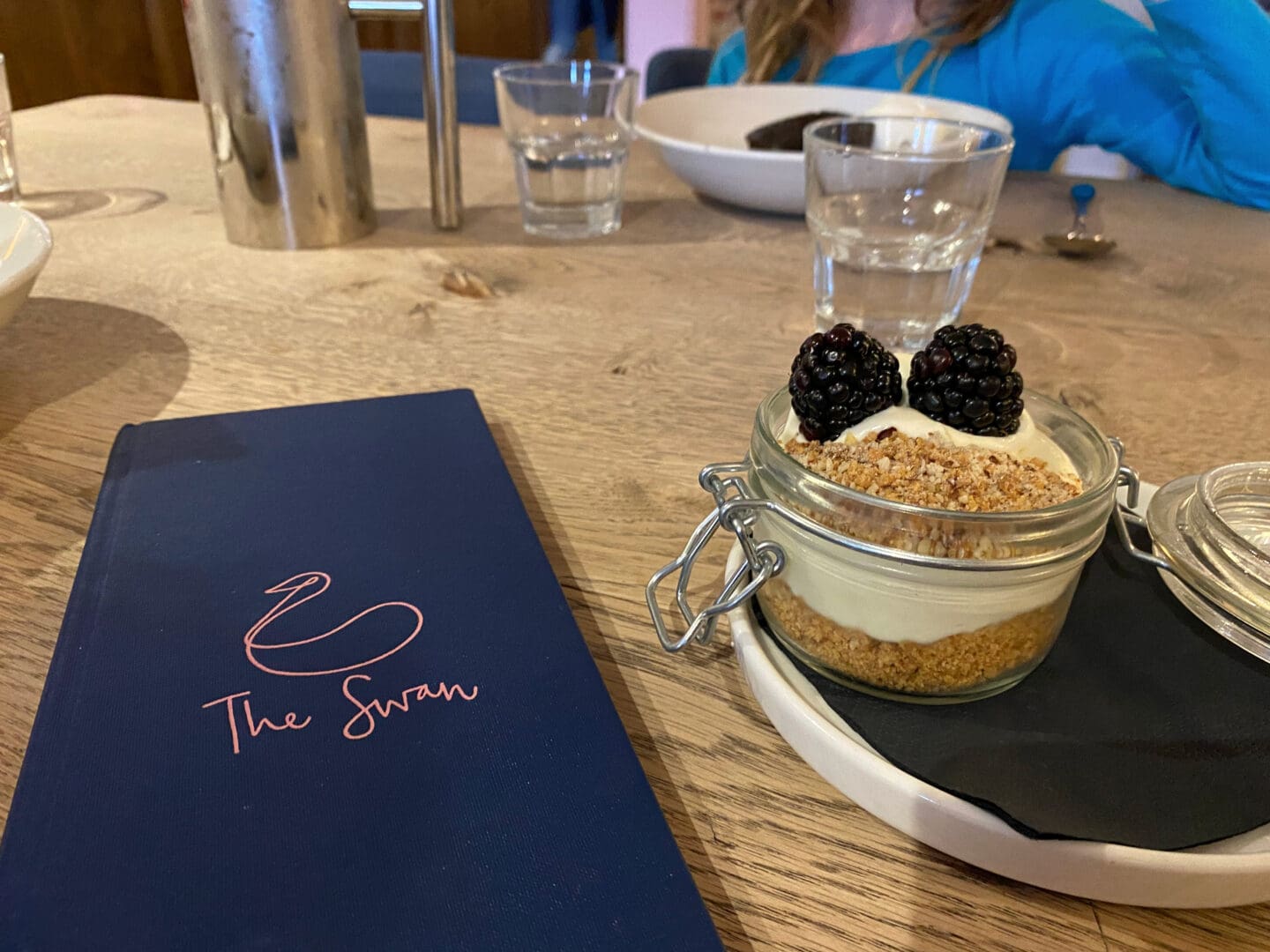
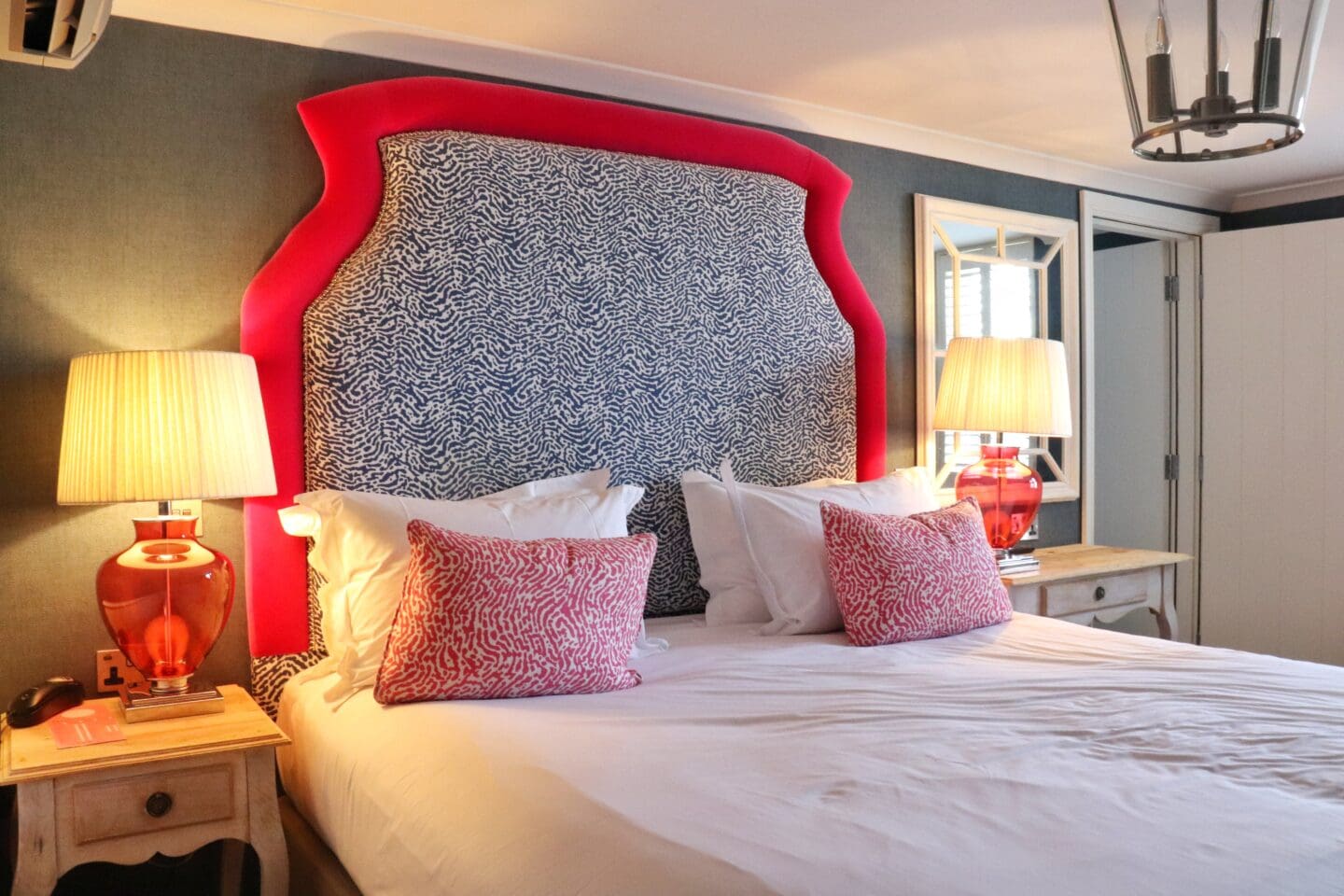
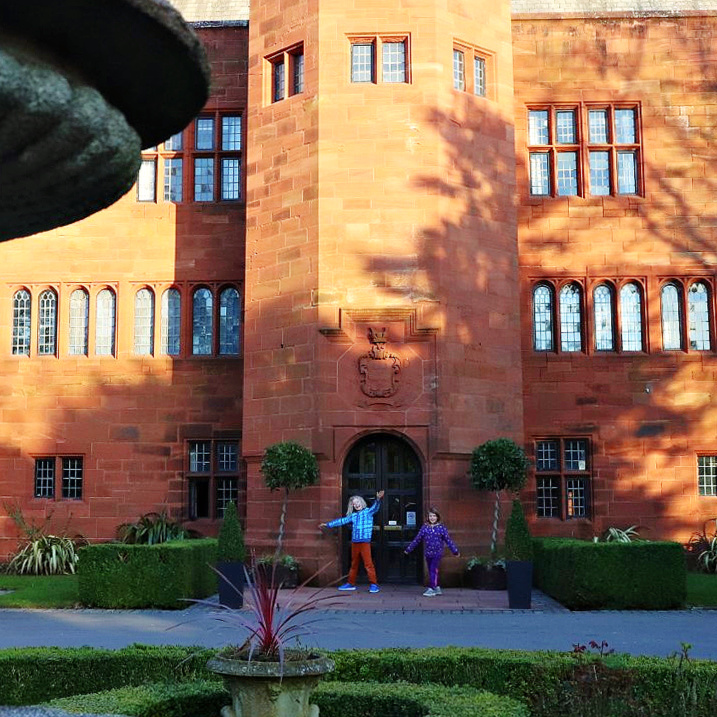
Near the beautiful Lake Windermere is the luxurious The Swan Hotel. A beautiful building right by the river Leven, with stunning rooms. The hotel also has an adjoining spa that you can book into during your visit for an additional cost.
I particularly loved the decor in the hotel, the lobby has gorgeous nature inspired wallpaper prints and bright comfy chairs. The hotel’s restaurant is similar and has a luxurious feel with beautiful artwork of animals on the walls. We particularly liked the colourful cow art!
As part of your stay at The Swan you can also use the pool and gym free of charge. The pool is a particularly useful benefit when travelling with active children! For teenagers and adults they may also enjoy the sauna and jacuzzi at the pool. For younger children there is a small play park behind the hotel too.
Breakfast is included during your stay, with your choice of several items from the breakfast menu. We mostly went for the pancakes, they were absolutely delicious! You can also book dinner at the hotel, which is well worth it after a busy day around the Lakes. The food is delicious and the staff are wonderfully friendly and helpful.
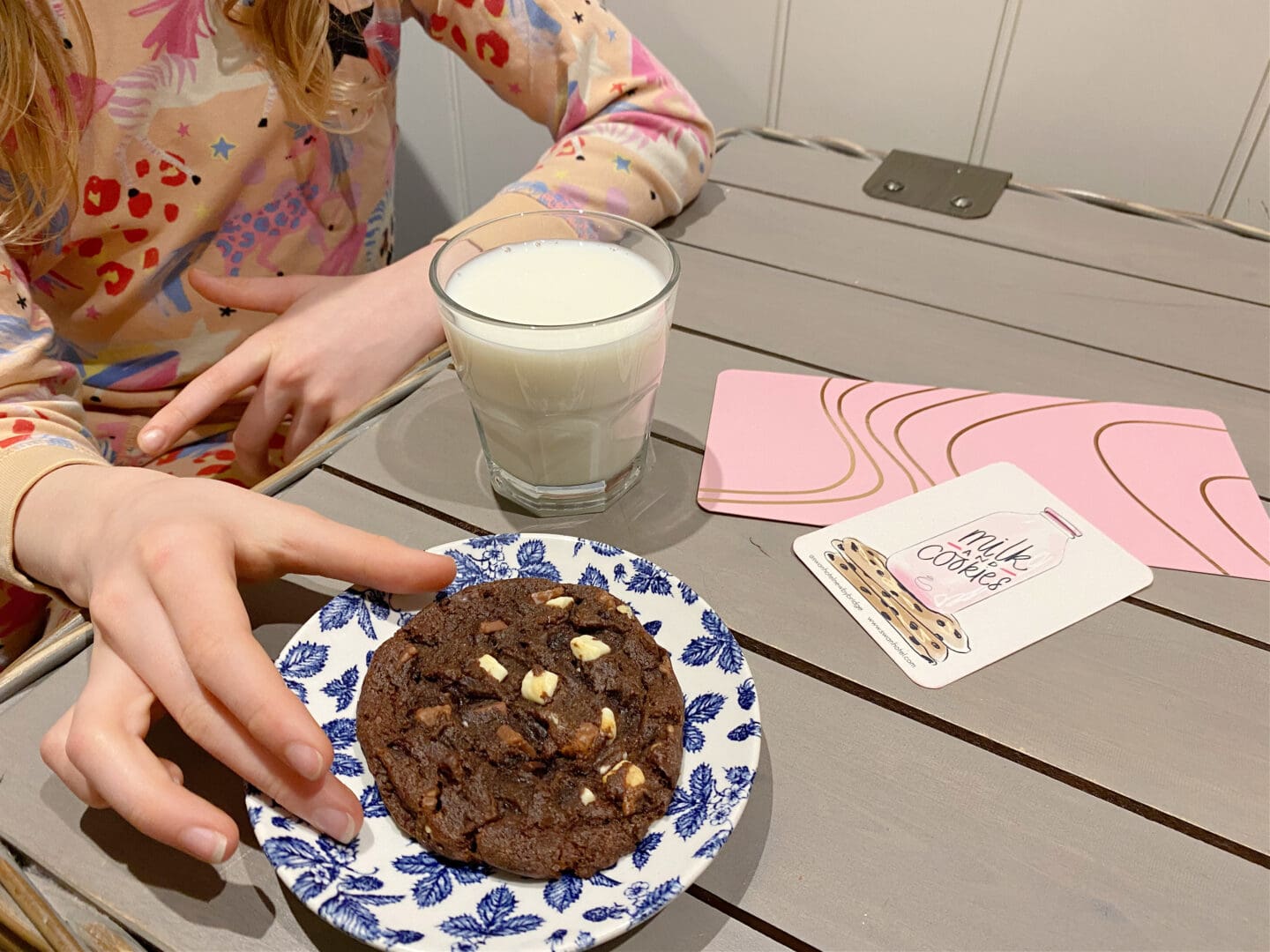
Families may like to know that interconnecting rooms are available. Children are also gifted a free milk and cookies card to be used at any point during their stay! I was a little jealous…
Other Fantastic Places To Visit Nearby
Pin Culture and Art In The Lakes