Dappled light sparkles across the forest floor as we approach a large wooden structure at the edge of the lake. Wooden fences lead us down into a fort built onto the lake, this is Craggaunowen’s crannog. A man-made island with Iron Age wooden round houses on top. This is one of the highlights of a visit to Craggaunowen Castle and Crannog.
Table of Contents
Where is Craggaunowen Castle and Crannog?
Craggaunowen Castle and Crannog is located in County Clare, Ireland, just 20 minutes East from the M18 motorway. It’s equidistant between Limerick and Ennis, so easy to visit no matter whether you are heading North through Limerick or South via Ennis.
How do I Get to Craggaunowen?
There is a large free parking area at Craggaunowen and with just a 20 minute drive from the motorway, driving to Craggaunowen is the easiest way to arrive.
There is no public transport to Craggaunowen. However, you can get to Ennis by bus or Limerick by bus or train. Then take a taxi from there, these are the closest towns and it shouldn’t be too expensive for a taxi.
Things to do at Craggaunowen Castle And Crannog
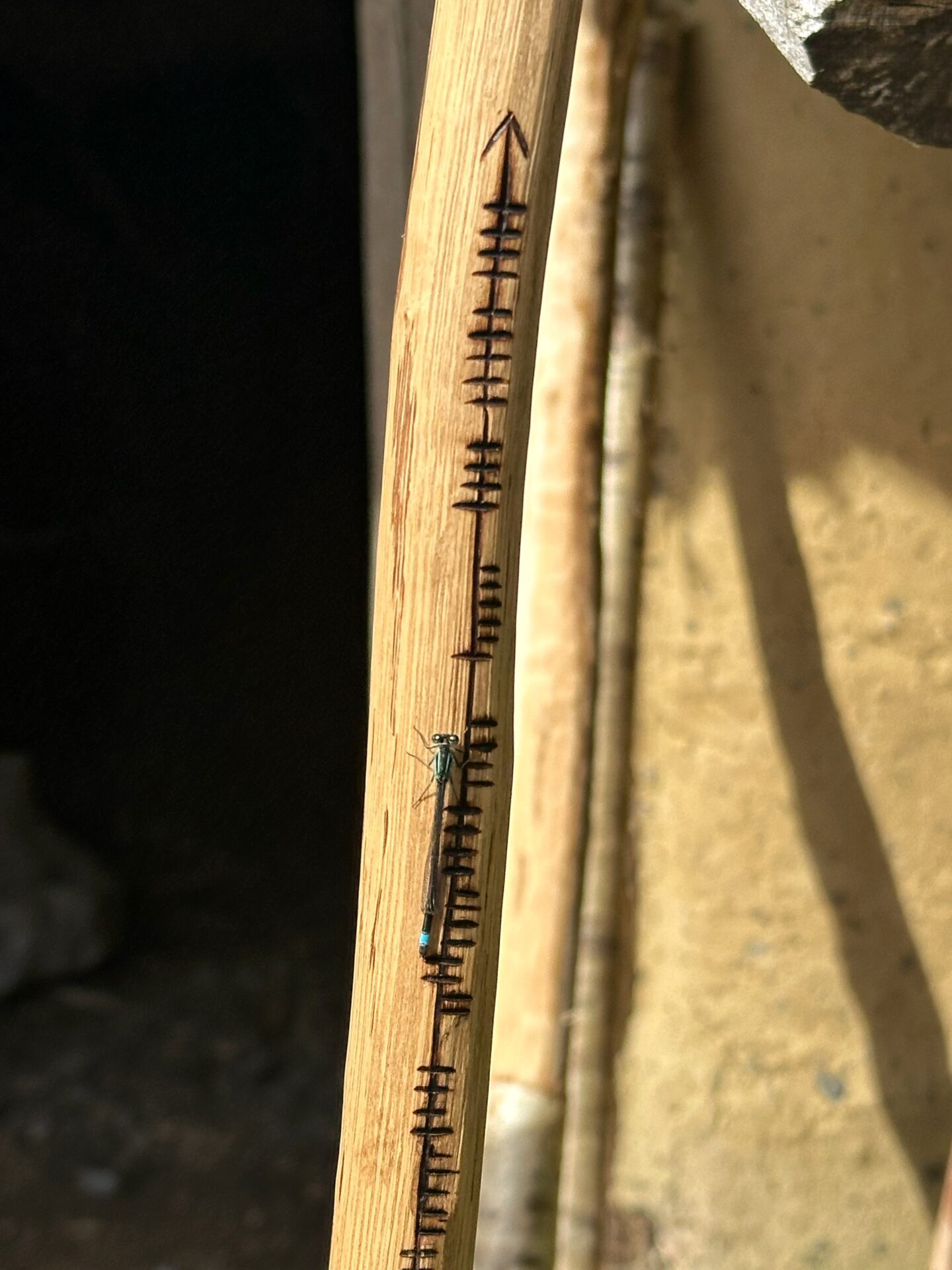
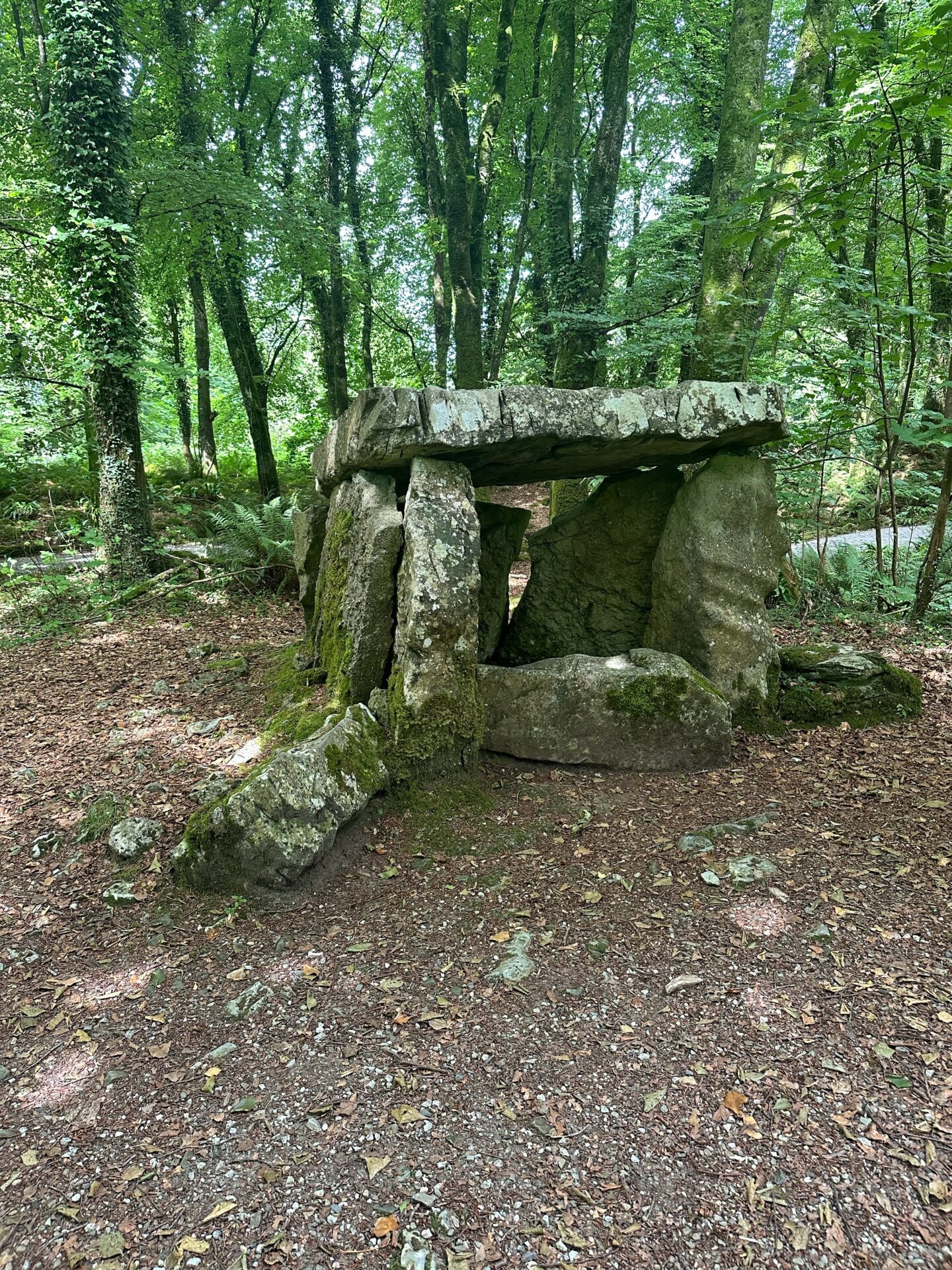
Located in the middle of a beautiful woodland, beside a small lake, it’s an idyllic setting. With damselflies flitting around the water side crannog and birds singing in the woods near the ring fort, you will feel like you’re in the middle of an ancient settlement!
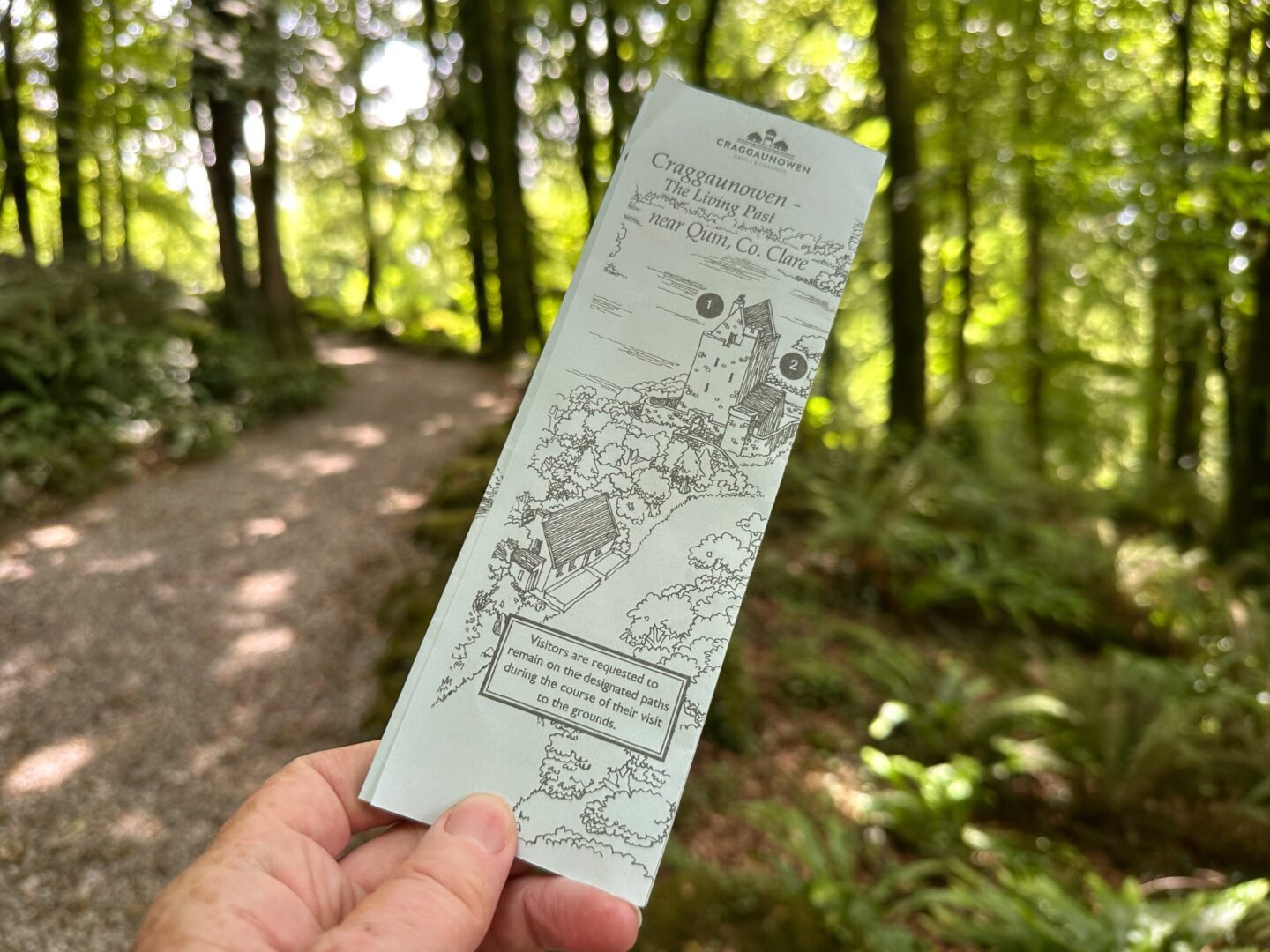
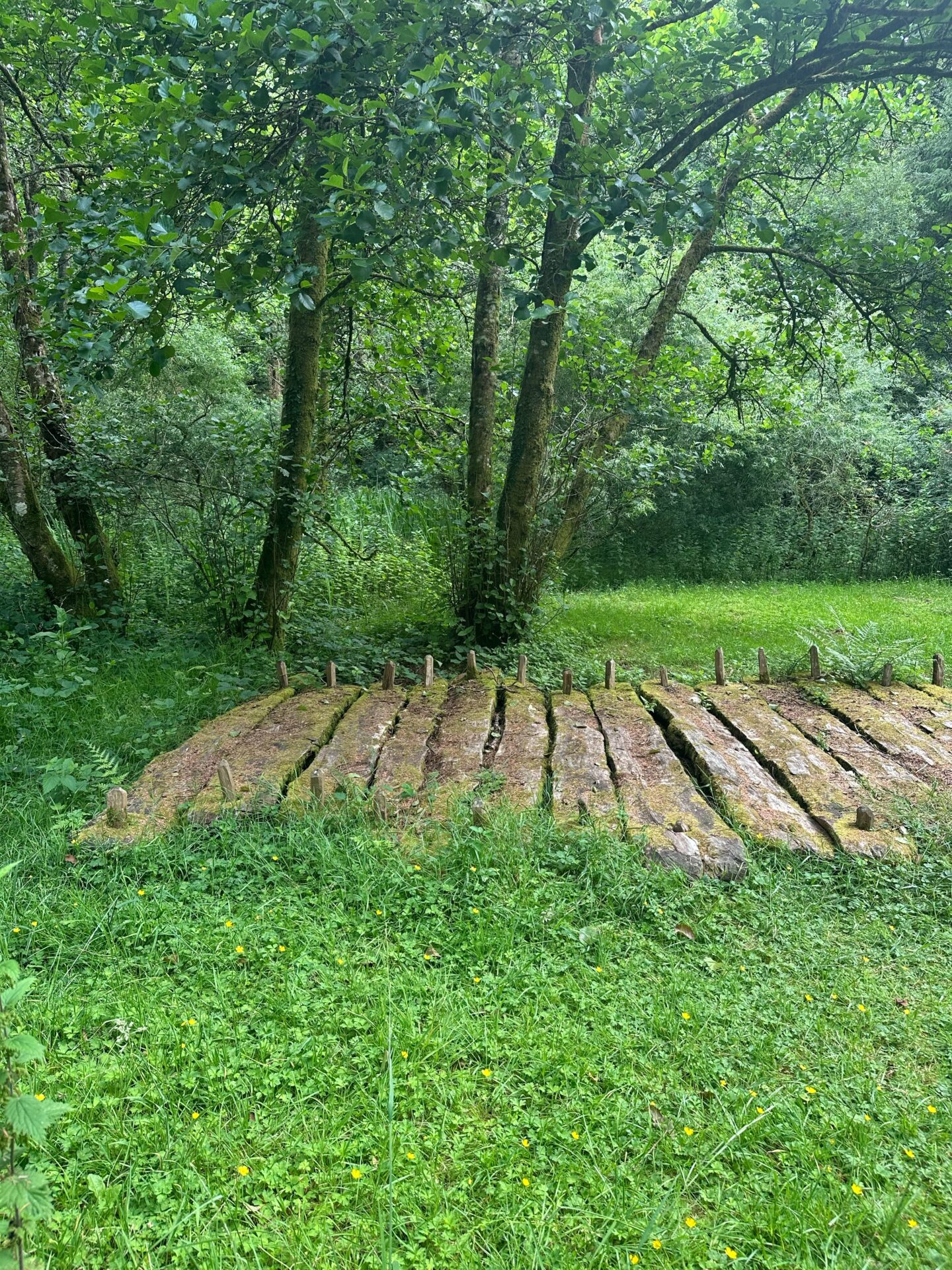
Aside the castle, crannog and ring fort, there lots of other smaller reconstructions of Irish historic builds. From the togher roads and dolmen burial monuments, to a wooden dug out canoe. Use the handy map to make sure you don’t miss anything!
Craggaunowen Castle
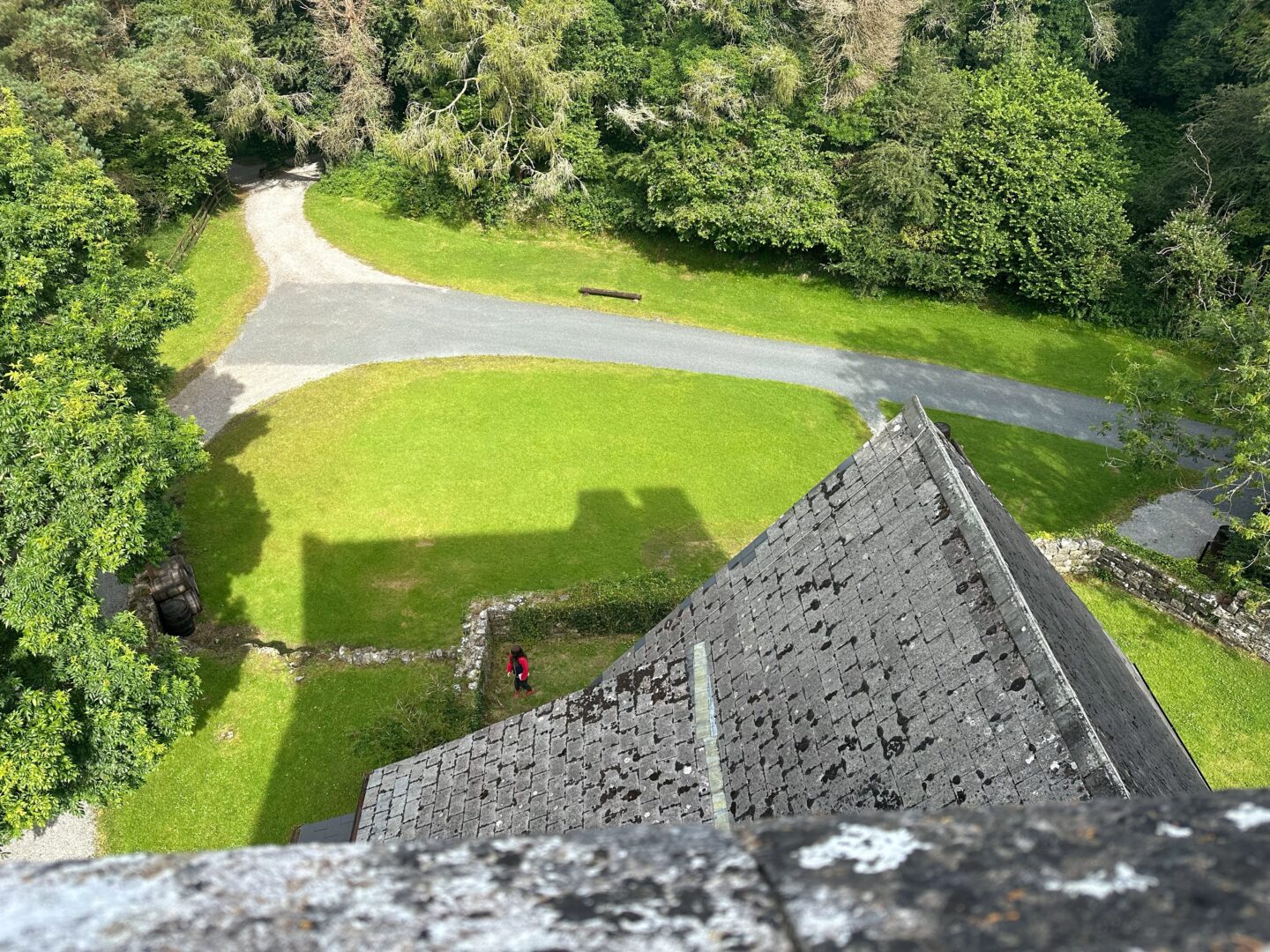
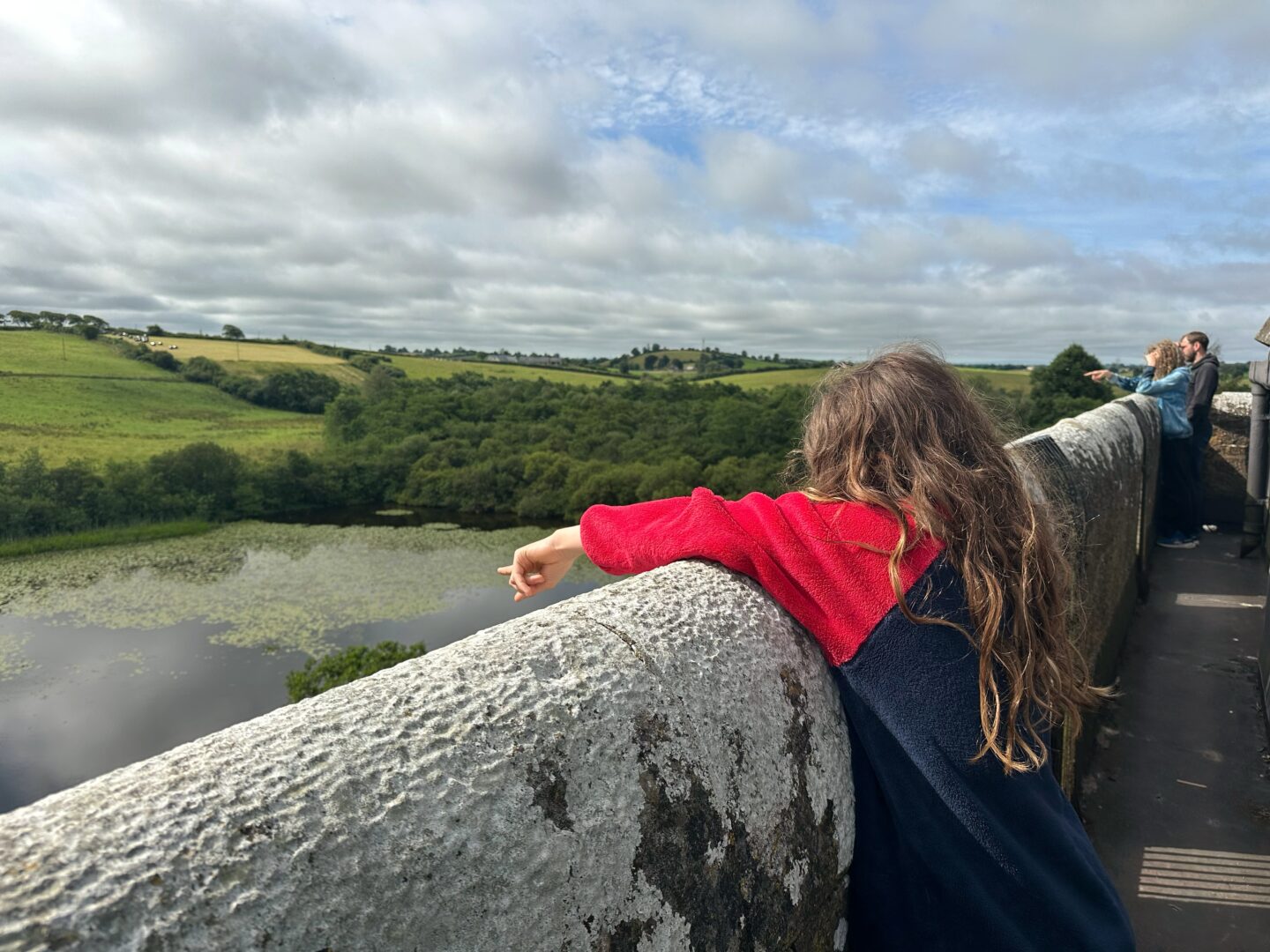
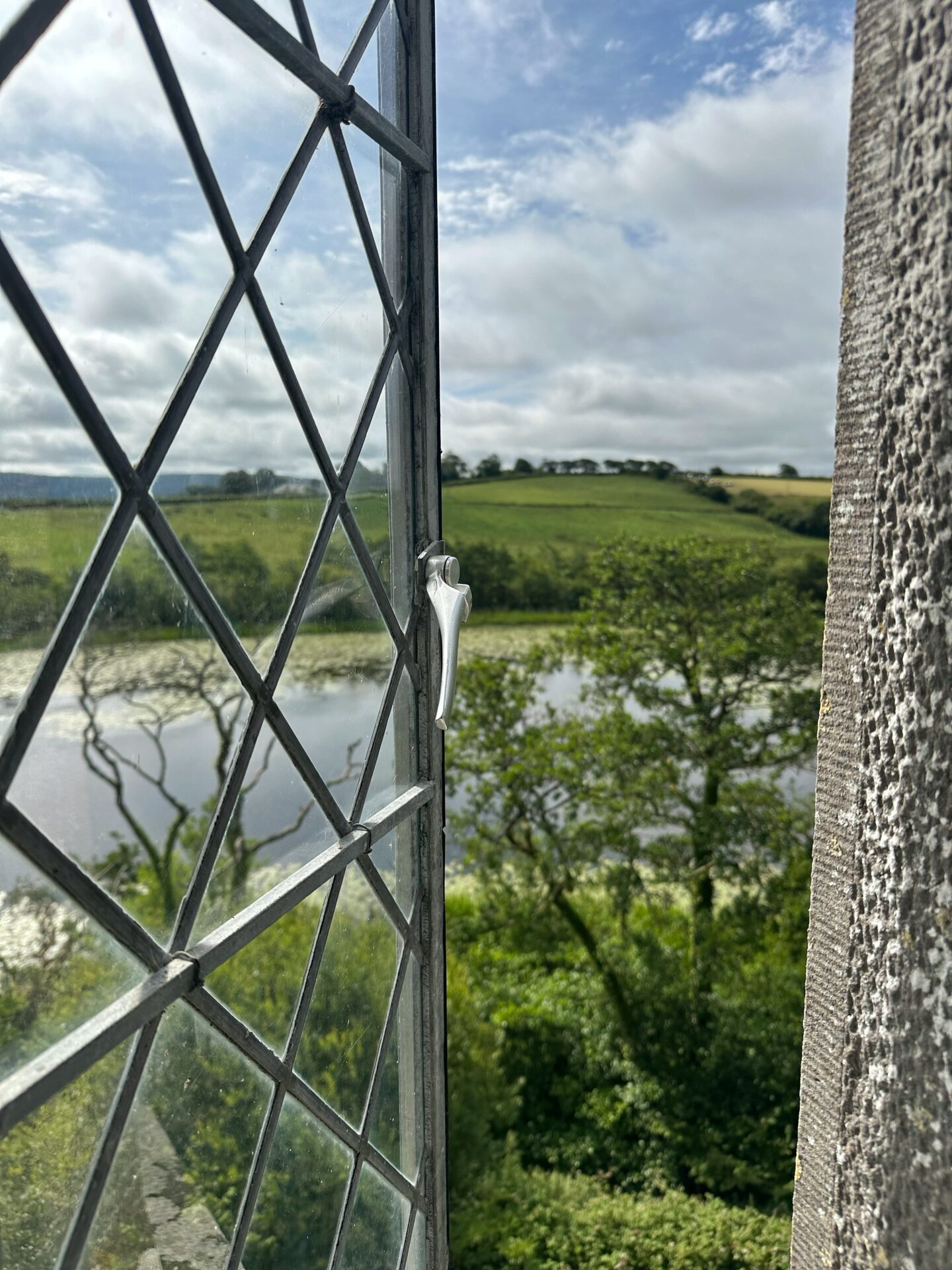
The first structure you arrive at from reception is usually Craggaunowen Castle. A medieval tower house style castle that has been restored in the 19th century. There are some fantastic views from the top of the castle too.
The castle was originally built on the site in the 1550’s, and is now an open air museum. Explore the many rooms as you climb the spiral staircase. Learning the history of the restoration works and building of the rest of the Craggaunowen site.
Crannog
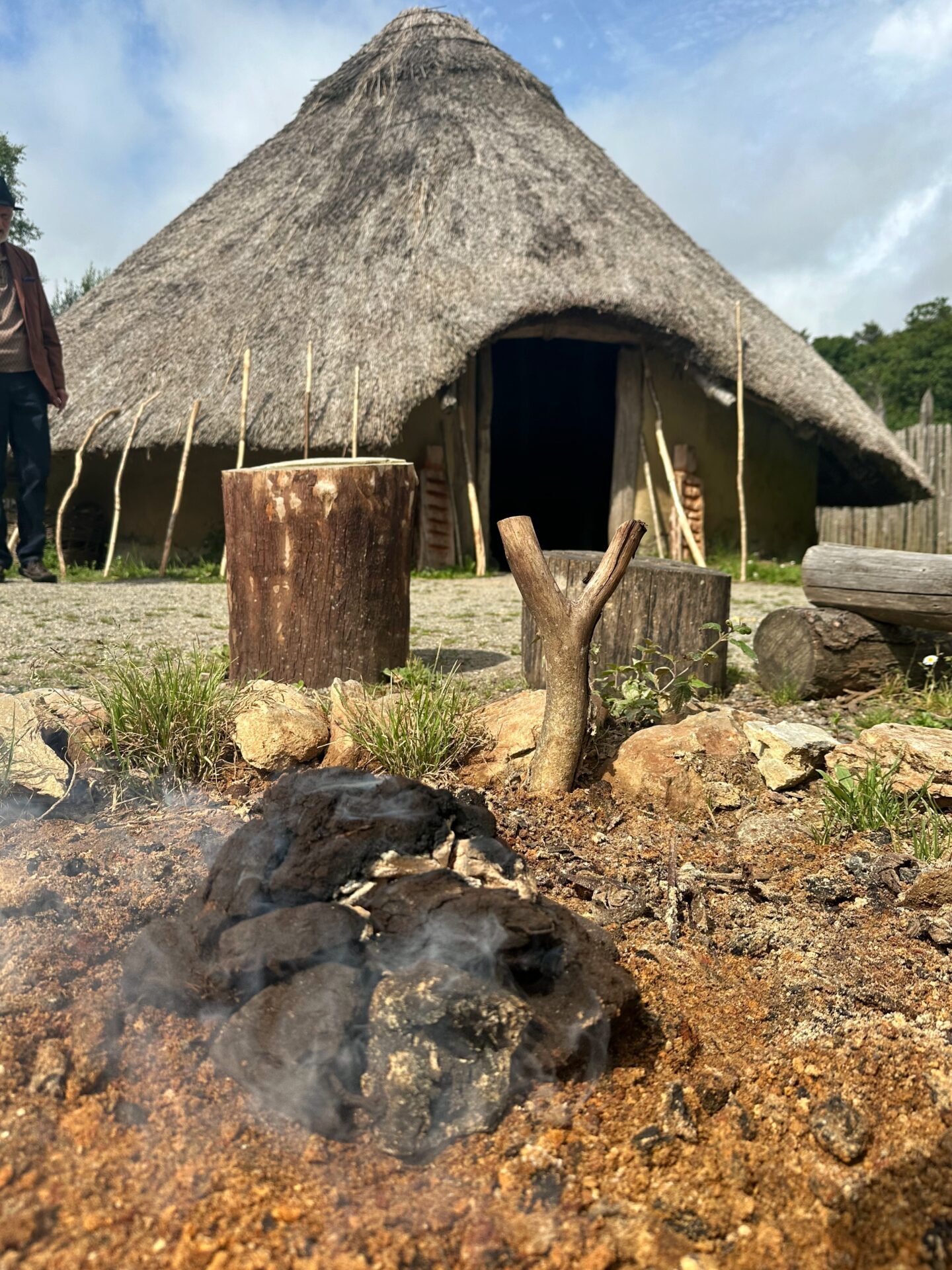
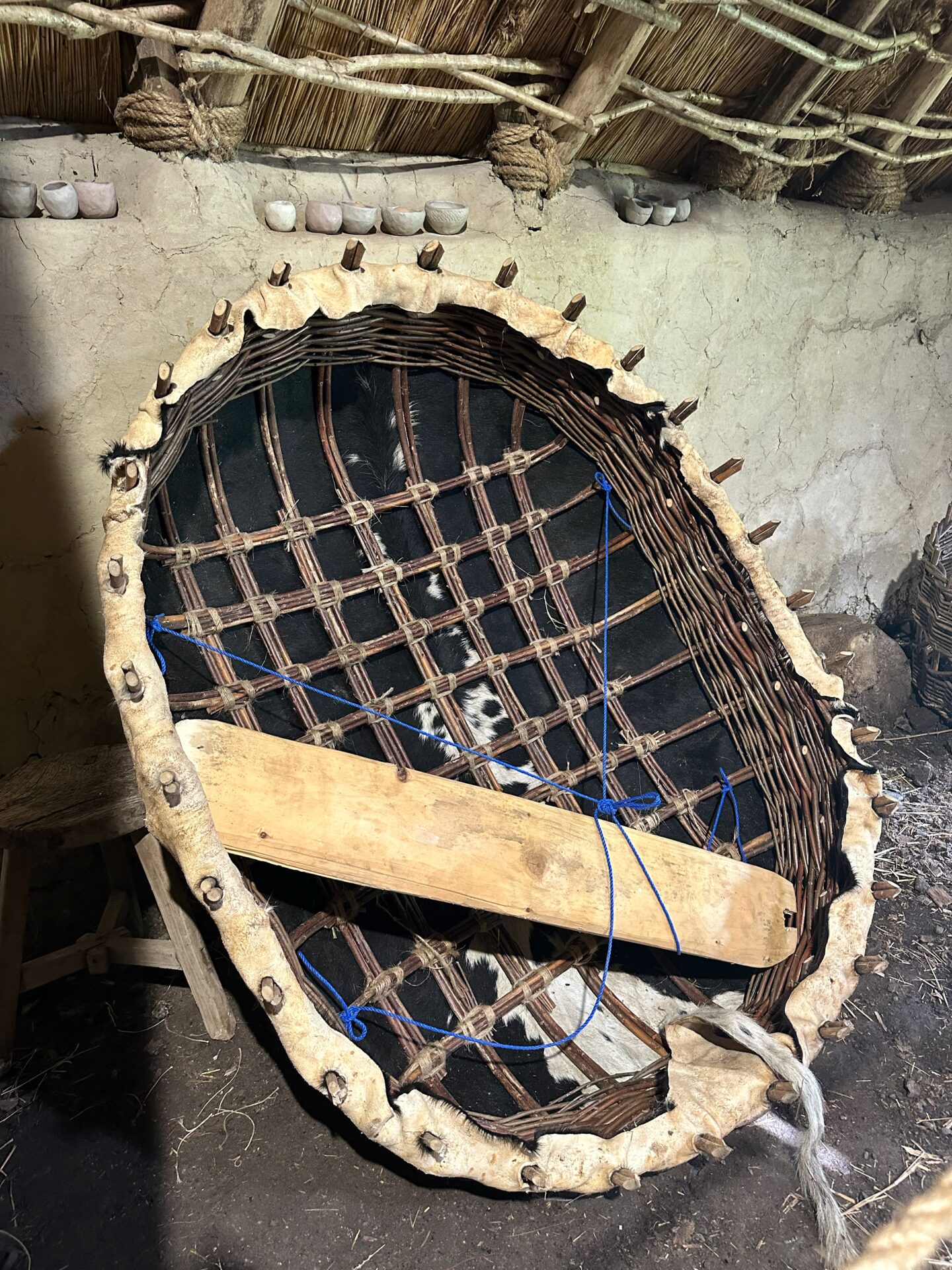
Below the castle and beside the lake is an Irish crannog. The crannog is an artificial island with earth floor and wooden fencing protecting several roundhouses inside. Cooking can be done both outside or in the buildings and there was often a wooden walkway back to the land.
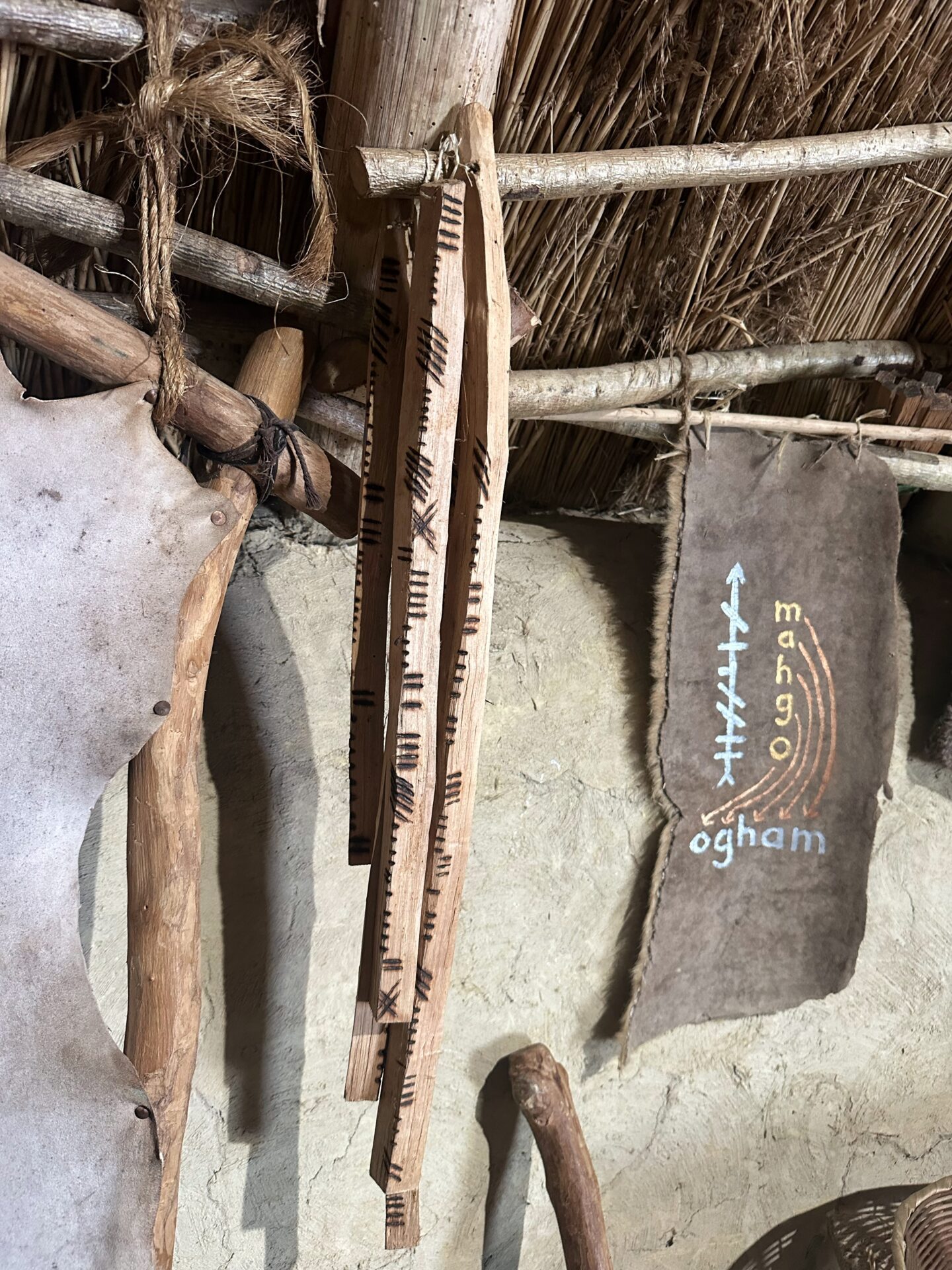
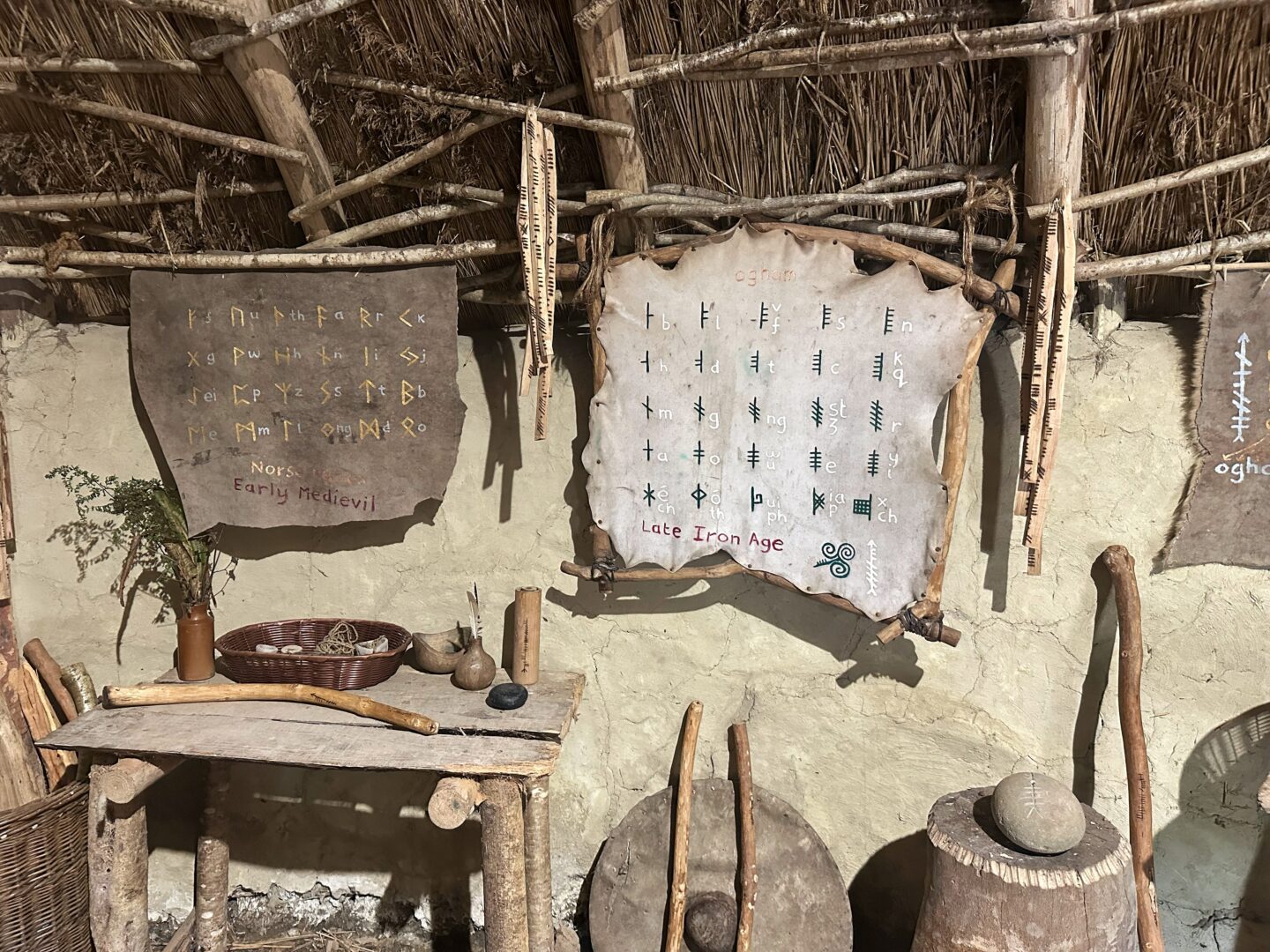
Keep an eye out for the keeper of crannog lore, Stefan. He can teach you a lot about life on the crannog, along with how to write Ogham, you can see many sticks with ogham writing throughout the site. We enjoyed a good long chat with Stefan as we explored the crannog and peat fire.
Ring Fort
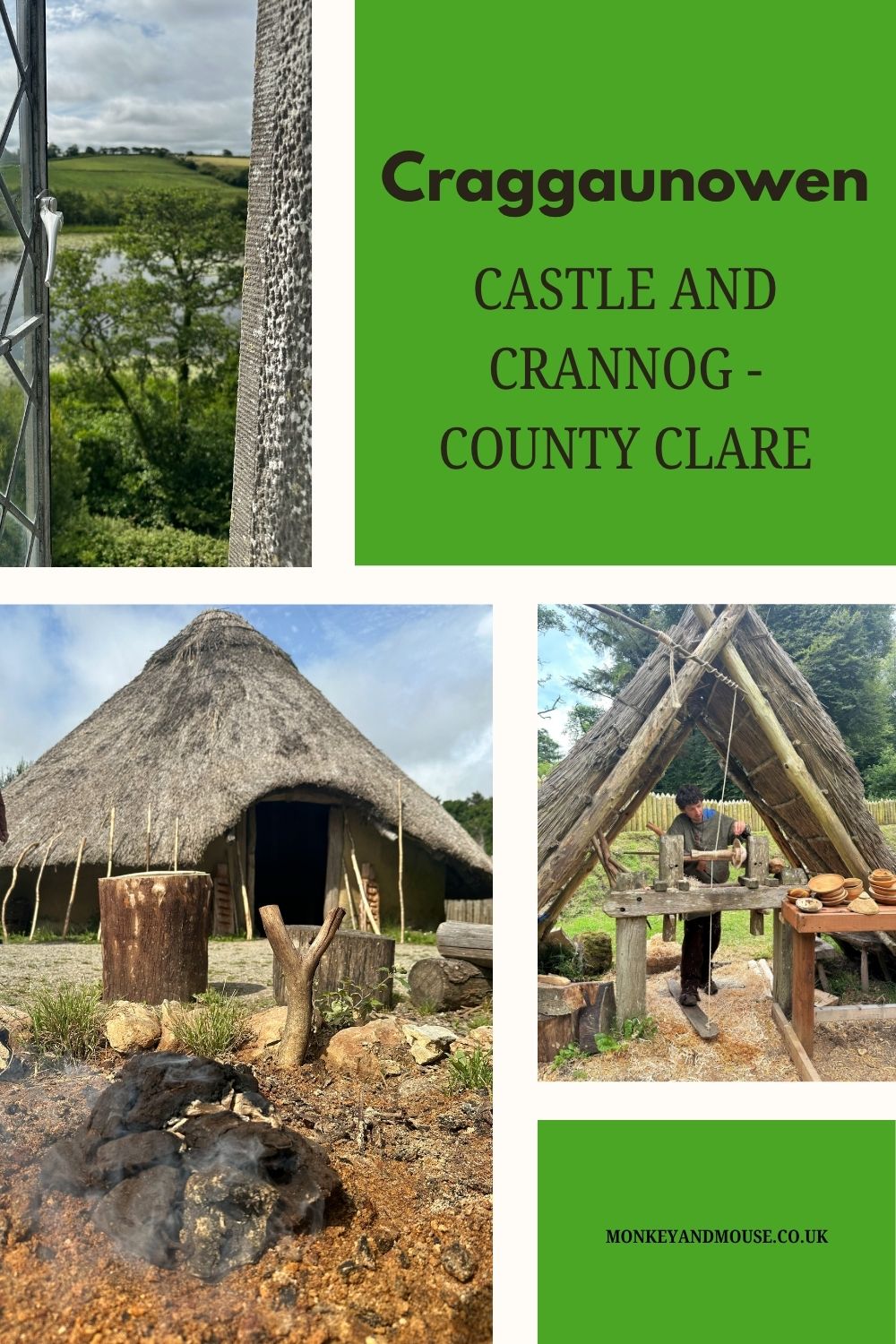
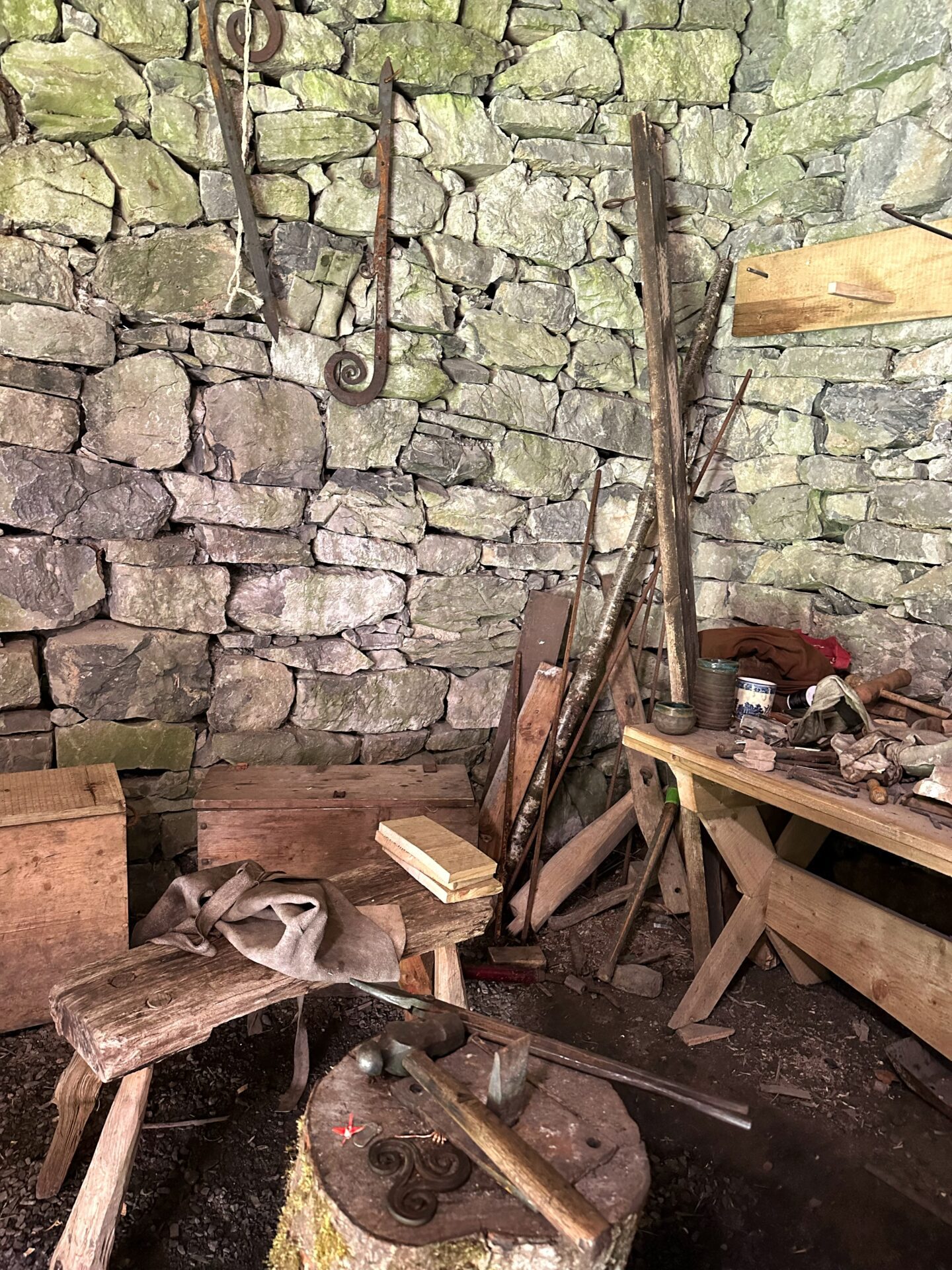
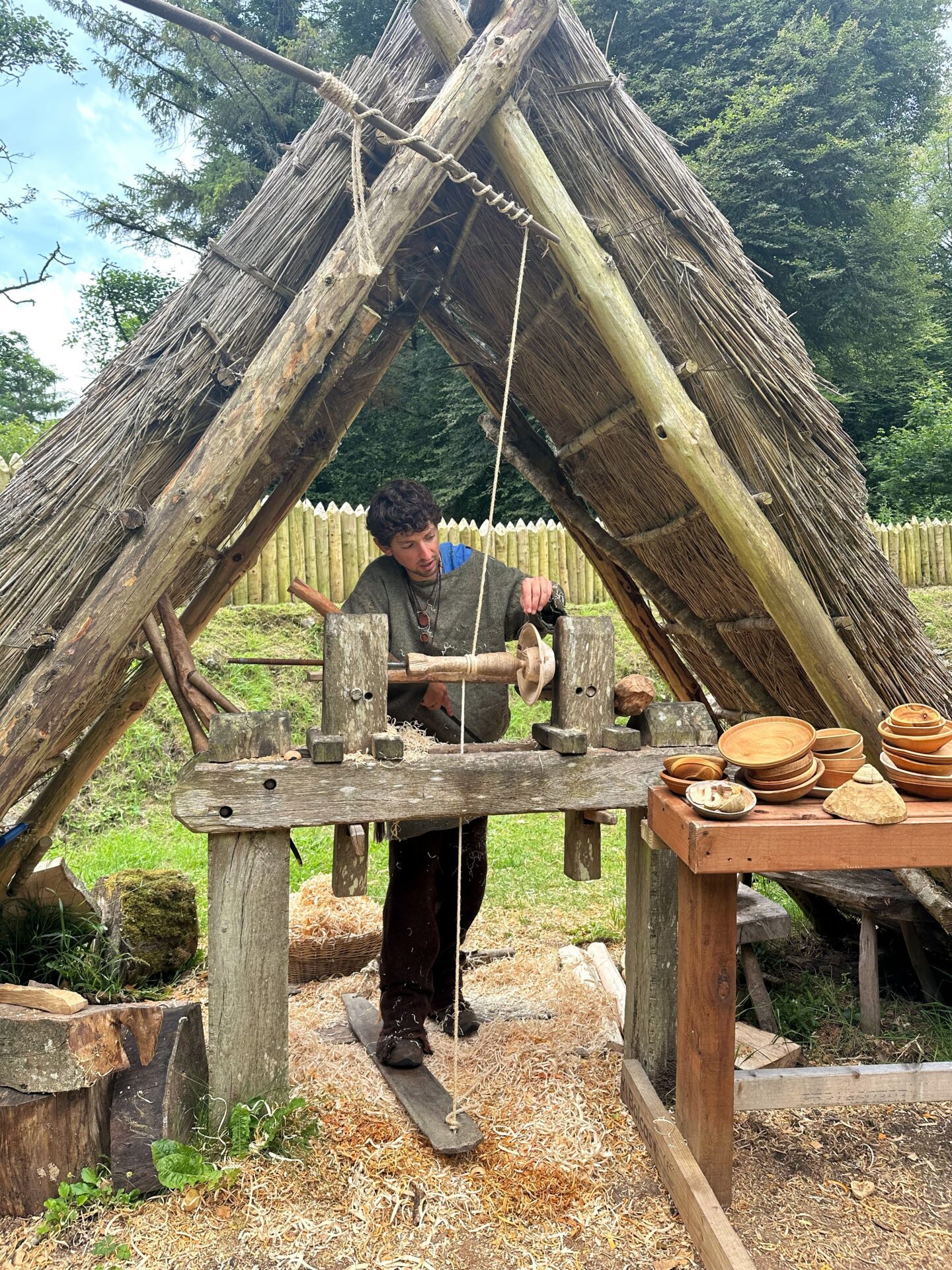
The reconstructed ring fort dates to around 500-1100 AD when it was common to have a defensive farm homestead. The ring fort is an enclosed circle of land, with buildings built in the middle. The ring fort at Craggaunowen has a blacksmith’s workshop and wood turning shelter.
Inside the farmstead is also a souterrain, an underground passageway that may have been for storage. This was roped off when we visited, but I believe it’s sometimes open to explore.
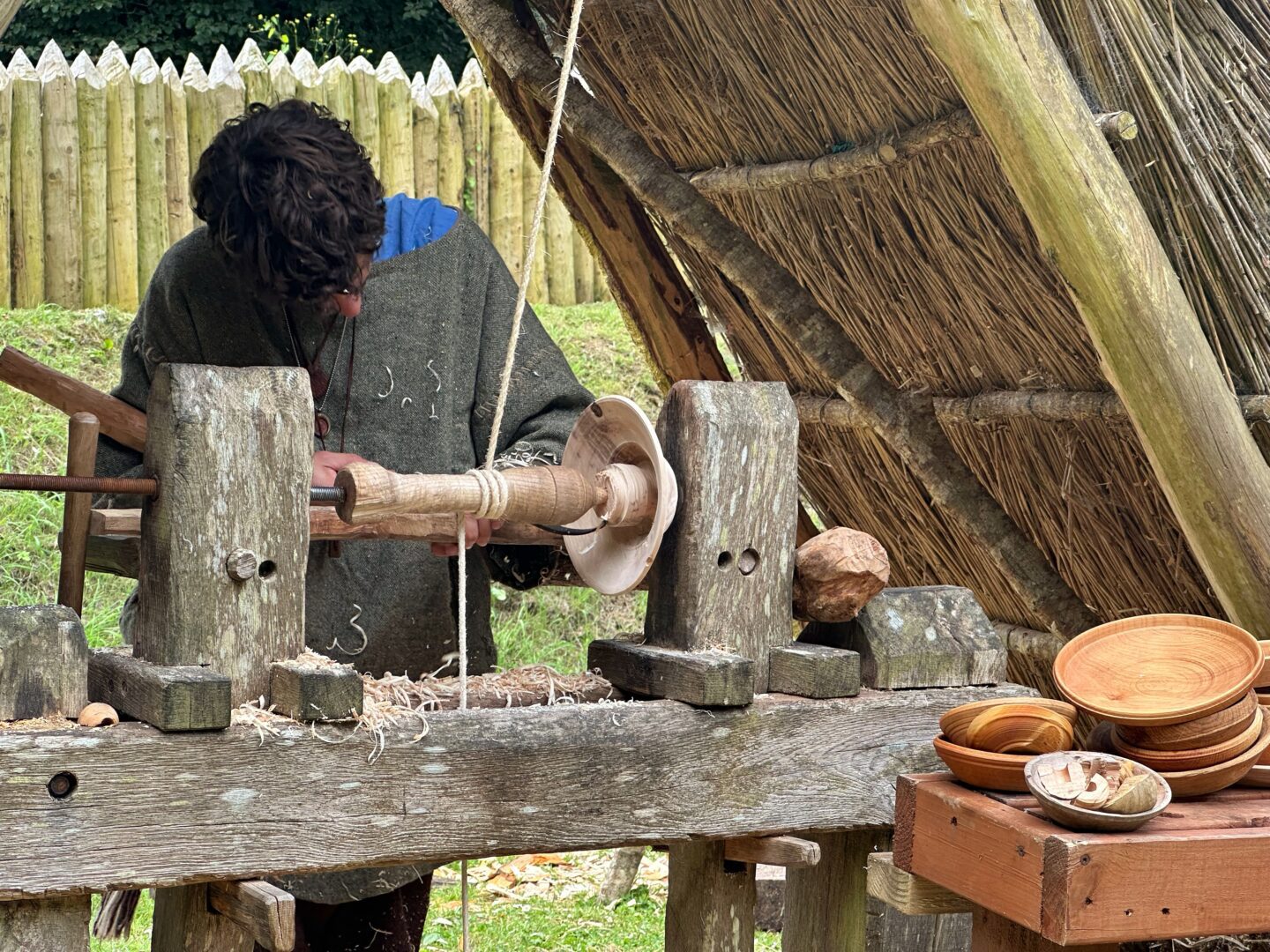
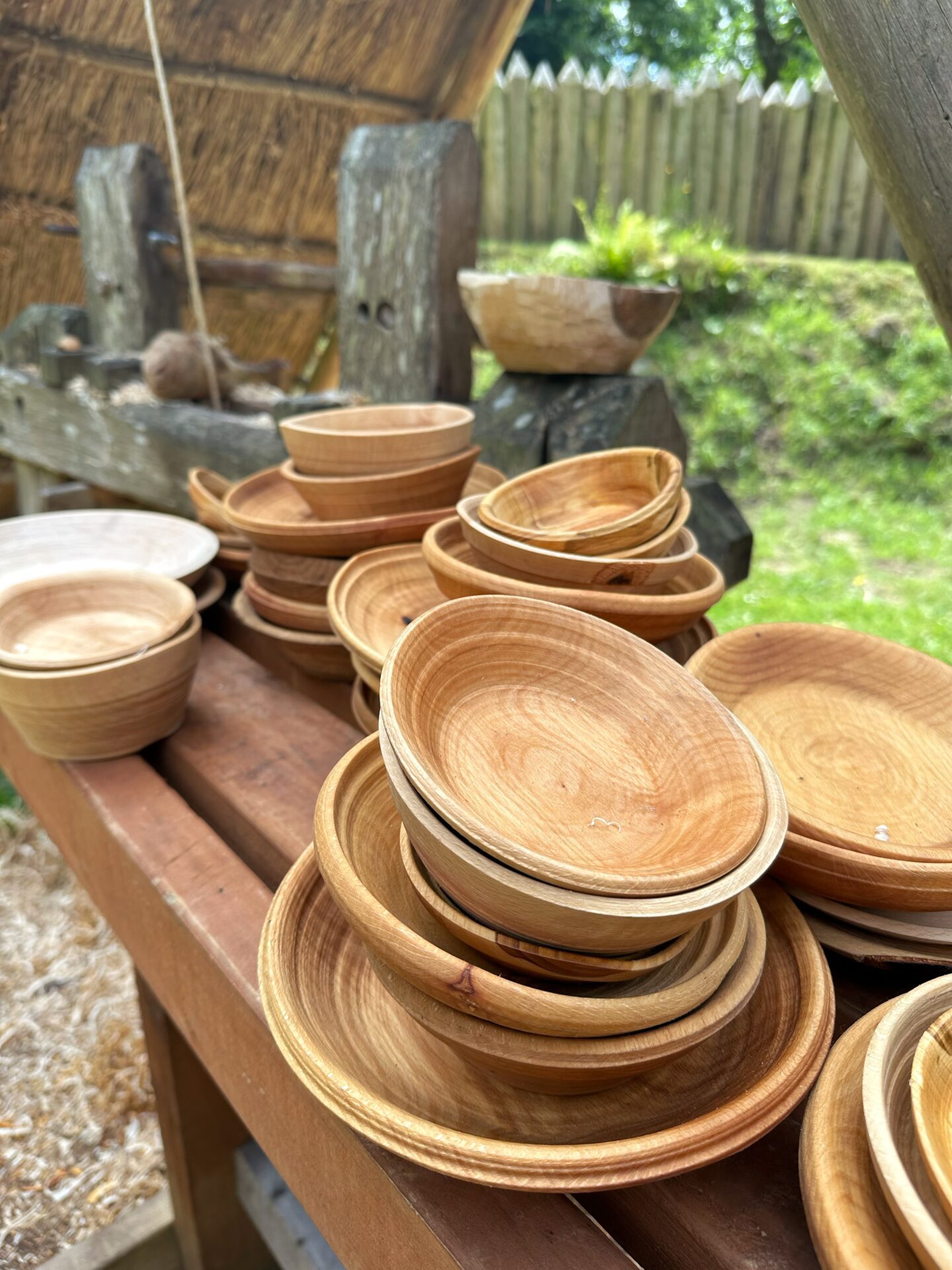
We were also lucky enough to witness wooden bowls being turned on the traditional pole lathe, powered by foot. This would have been one of the ways to make wooden items for use at the ring fort.
Brendan Boat
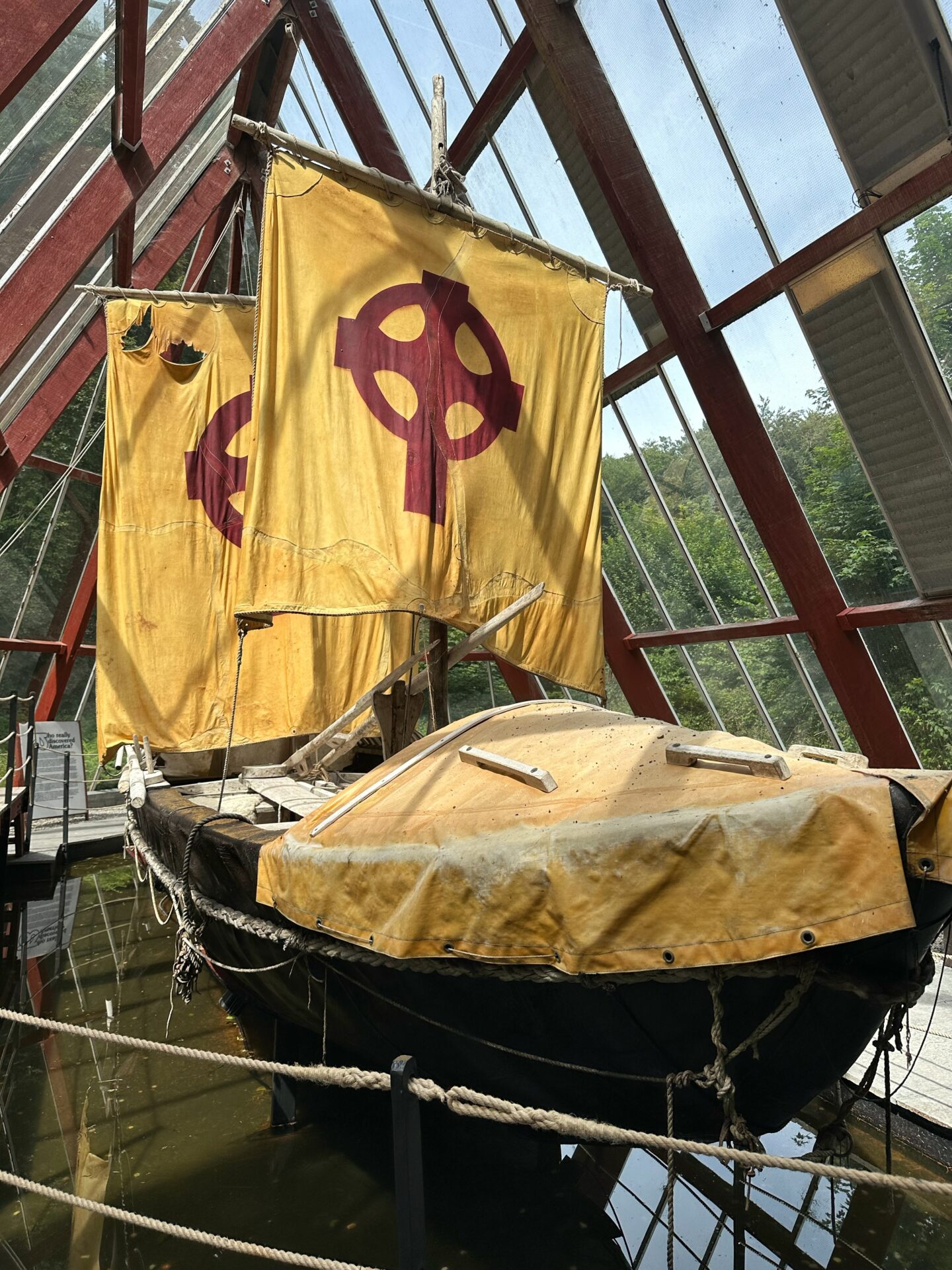
At the top of the site is the Brendan Boat exhibition. The Brendan boat was built by Tim Severin, an explorer and historian, which he then sailed to North America from Ireland. He wanted to prove that it was possible that Irish monks could have sailed as far as North America using the technology at the time. Inspired by the 9th century text that describes St Brendan’s journey in the 6th century to far off lands (location of the destination is still debated), Tim proved it was possible that St Brendan could have sailed to North America, 1000 years before Columbus.
The Brendan boat is certainly a feat of engineering, and it was great to watch the film showing the team on the boat. It doesn’t seem like it was an easy journey!
Resident Artisans
The resident artisans all have their own craft that they work on when they are at Craggaunowen. From a blacksmith forging tools, the weaver creating cloth from wool, the wood turner using the pole lathe or the beating of the drum maker testing his craft. There is always someone to watch and learn from!
Not all artisans are present at the same time, when we visited we met Stefan at the crannog and Seán working on the pole lathe. Both were very interesting and I’d love to come back and meet the other artisans!
Folklore Trail
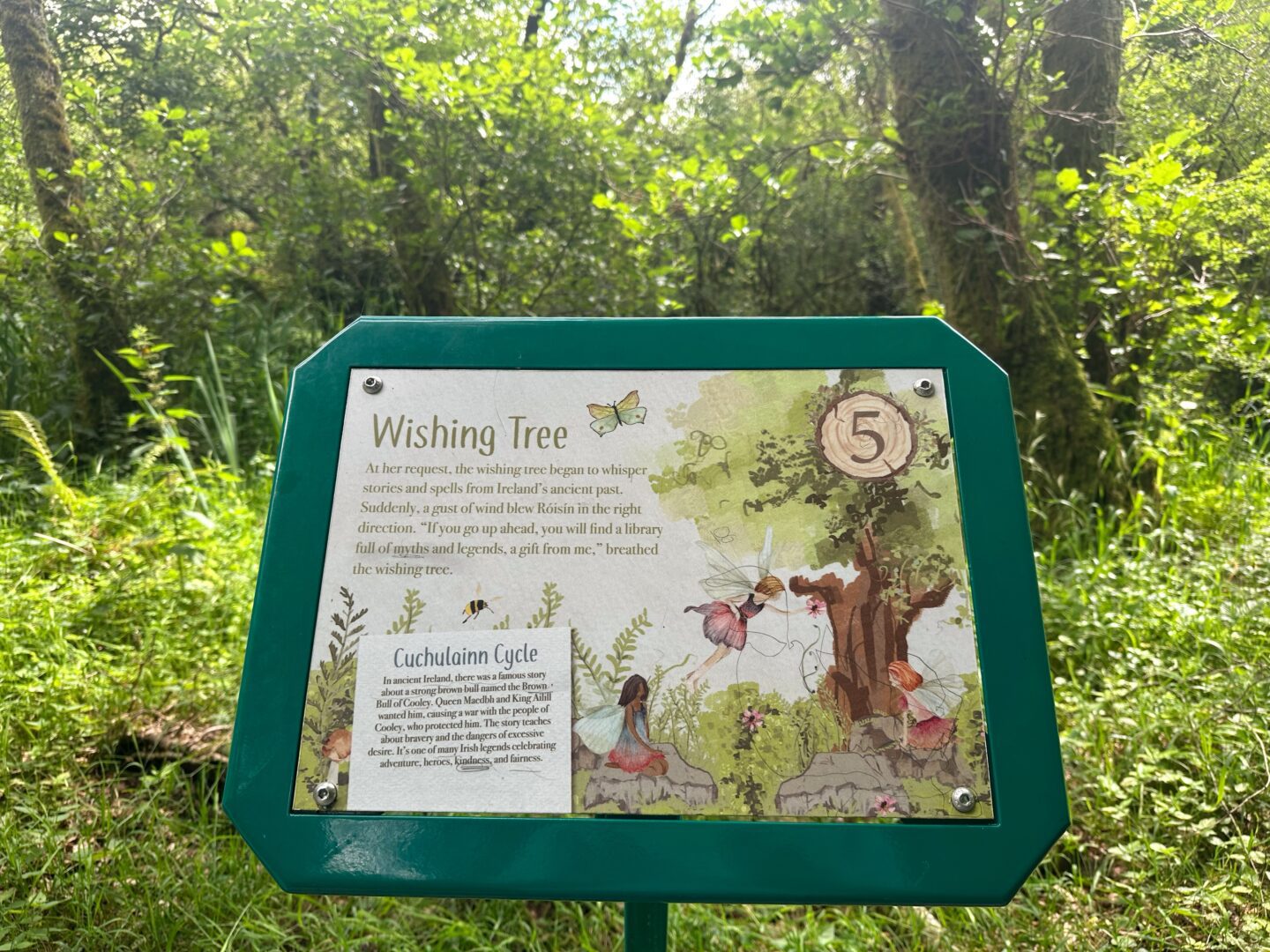
Children may also enjoy the folklore trail, which consists of a booklet of activities and stops along the path through the site. At each stop is a board that tells a story or some other information. Use these to answer the questions and finish the trail. There is no prize for finishing it, but the activity booklet may keep them occupied long after you leave Craggaunowen!
Other Irish Posts You May Enjoy

Pin Craggaunowen Castle and Crannog