One of the best things about home education is how learning can pop up in the most unexpected places. Some of the most memorable lessons start with something spotted on a walk, a question asked over breakfast, or a random object that sparks a child’s curiosity. A bunch of flowers is a perfect example.
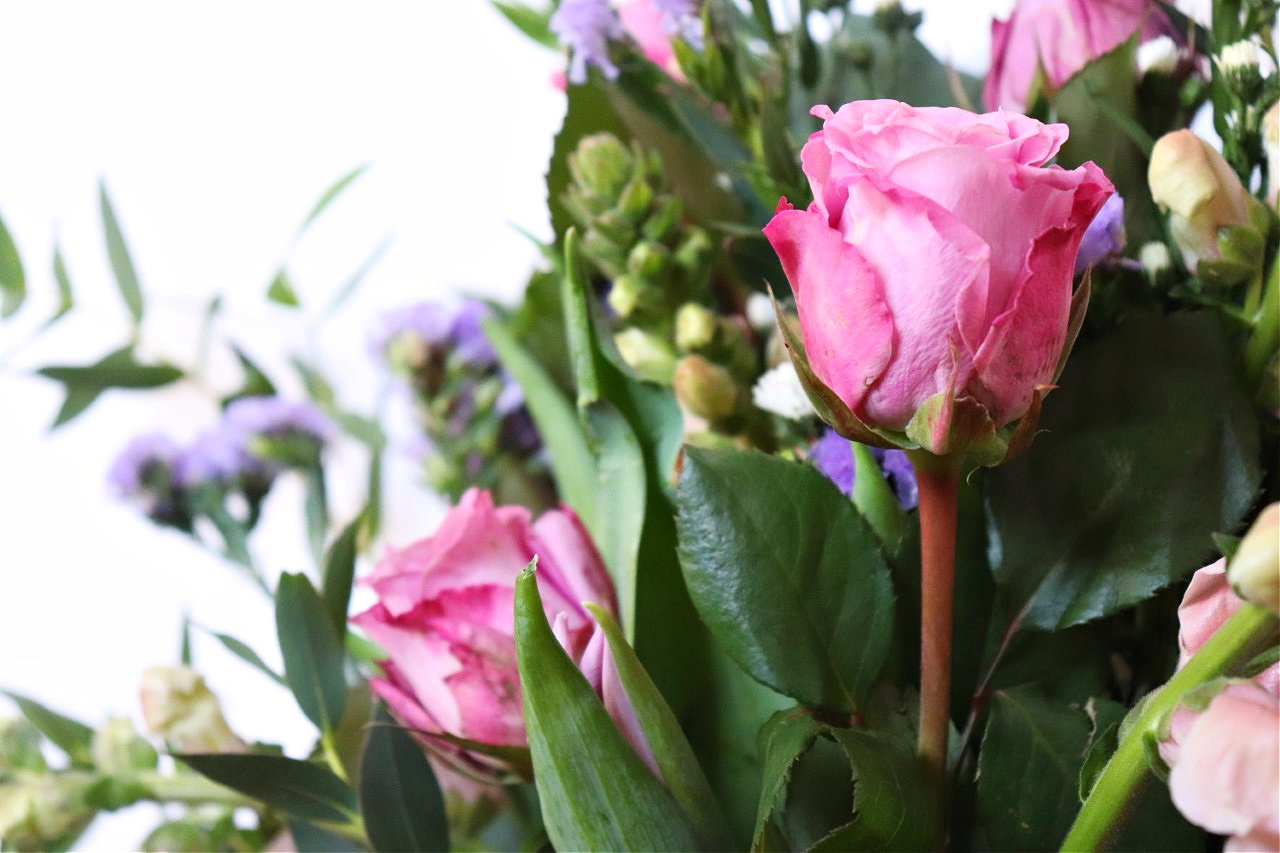
Take a grandparent’s birthday. For families who live a few hours’ drive from Granny, popping round with a card isn’t always possible. So choosing birthday flowers to be delivered to her door is a lovely way for children to get involved. Looking through the different bunches together tends to spark a flood of questions. Why do some flowers have so many petals? What’s the fluffy bit in the middle for? Why do some smell and others don’t? Ordering a second, smaller bunch for home turns those questions into a hands-on botany session. Plus it’s one of those unplanned learning days that sums up exactly why so many families choose to home educate.
Table of Contents
Getting started
Lay everything out on the kitchen table on a big sheet of white paper. A few simple bits and pieces are all that’s needed: a selection of flowers (a mixed bunch works best, giving lots of different shapes and structures). Then a sharp knife or craft scalpel for adult use only, a magnifying glass or hand lens, tweezers, sticky tape, and a notebook or some paper for recording findings.
A mix of alstroemeria, roses, chrysanthemums, a few stems of eucalyptus and a single lily works brilliantly. The lily tends to be the star of the show.
Learning the parts of a flower
The lily is the best place to start because it’s large and its parts are really easy to see. Before taking anything apart, ask children to draw the flower as carefully as they can and label what they think each bit might be.
Then work through the structure together, gently removing each part and taping it onto paper with its proper name. The sepals come first, those green leafy bits that protect the bud before it opens. On a lily they look almost exactly like petals, which leads nicely into a chat about how plants don’t always follow the textbook rules.
Next are the petals themselves, which attract pollinators with their colour and shape. Then come the stamens, the male parts of the flower, made up of the filament and the anther, which holds the pollen. Lily pollen is notoriously messy, so it’s worth covering anything precious.
Finally, right in the centre, sits the pistil, the female part. This is made up of the stigma at the top, which catches pollen, the style, and the ovary at the bottom, where seeds develop. Slicing the ovary in half and seeing the tiny ovules inside under a magnifying glass usually gets a genuine “whoa”.
Comparing different flowers

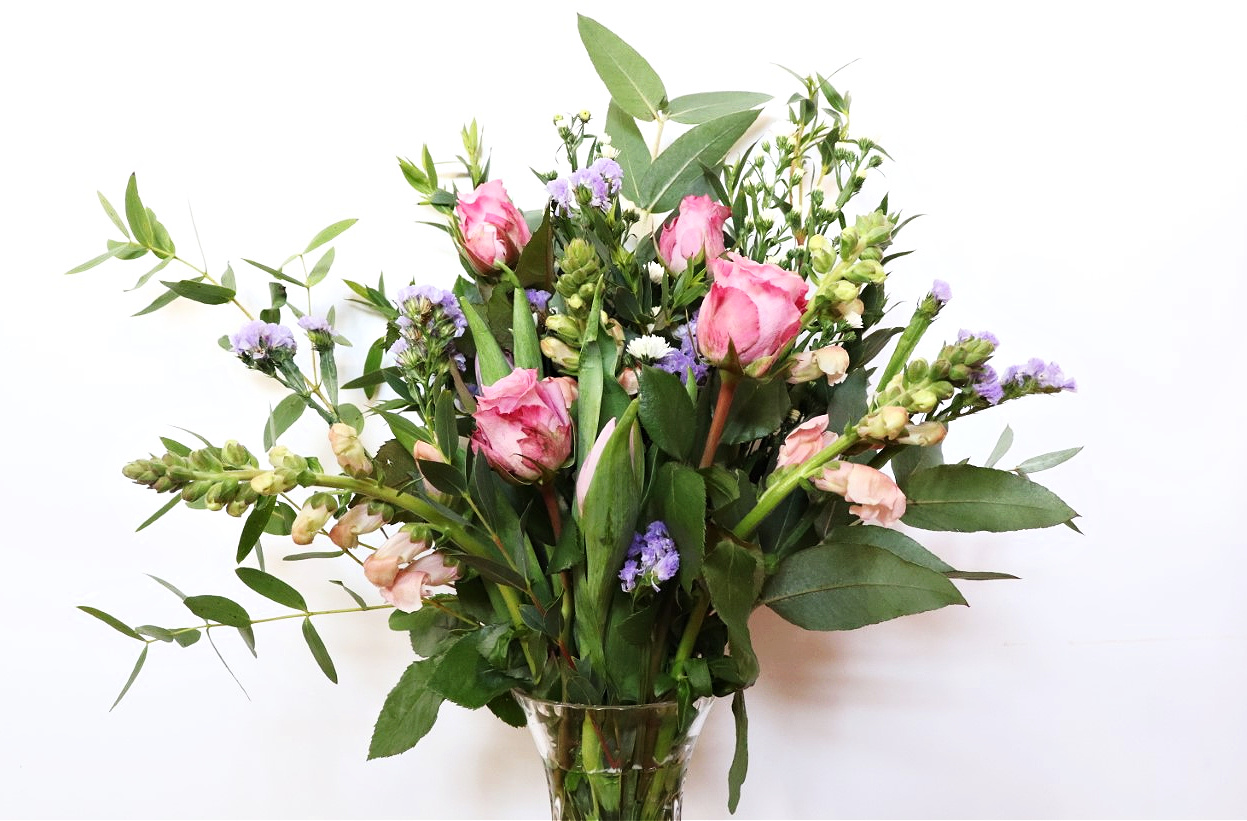
Once children have got to grips with the basic structure, move on to the other flowers to compare them.
Chrysanthemums are a real eye-opener. What looks like one big flower is actually made up of hundreds of tiny individual florets packed together, which is true of daisies and sunflowers too. Children are often amazed, and can happily spend ages pulling apart a single bloom to count them.
Roses show how cultivated flowers can be very different from wild ones. Garden and florist roses have been bred to have masses of petals, whereas wild dog roses, which are easy to spot in hedgerows across Scotland in summer, have just five. It’s a great springboard into a conversation about selective breeding and how humans have shaped plants over thousands of years.
Extending the learning
Like most good home ed projects, this one can easily spill over into the following days. Children can look up which pollinators visit which types of flowers, and why some are shaped to suit bees while others suit butterflies or moths. Older children might want to research why some flowers are scented and others aren’t, which makes a brilliant independent project.
Petals and leftover flowers can also be pressed between sheets of newspaper under a pile of heavy books. Once dried, they’re perfect for making a birthday card for Granny. Even if it arrives a little late, a handmade card paired with a labelled diagram of a lily is the kind of thing that ends up proudly stuck to a grandparent’s fridge.
Why lessons like this work
There’s no formal curriculum box being ticked here, but a single morning can cover biology, art, scientific drawing, observation, research and a bit of history too. More than that, it comes from children’s own curiosity, which always makes the learning stick.
For home educating families, or anyone looking for a hands-on activity to do with children at the weekend, flower dissection is well worth a try. It’s simple, inexpensive and surprisingly fascinating. Just keep the lily pollen well away from the sofa.