Anyone who travels regularly within Europe will be familiar with the situation. The decision on where to go is often made quickly, but the actual planning takes a little longer. Yet it is precisely the first steps in preparing for a trip that often determine how stress-free the whole journey will be.
Table of Contents
Flight connections: a key part of travel planning
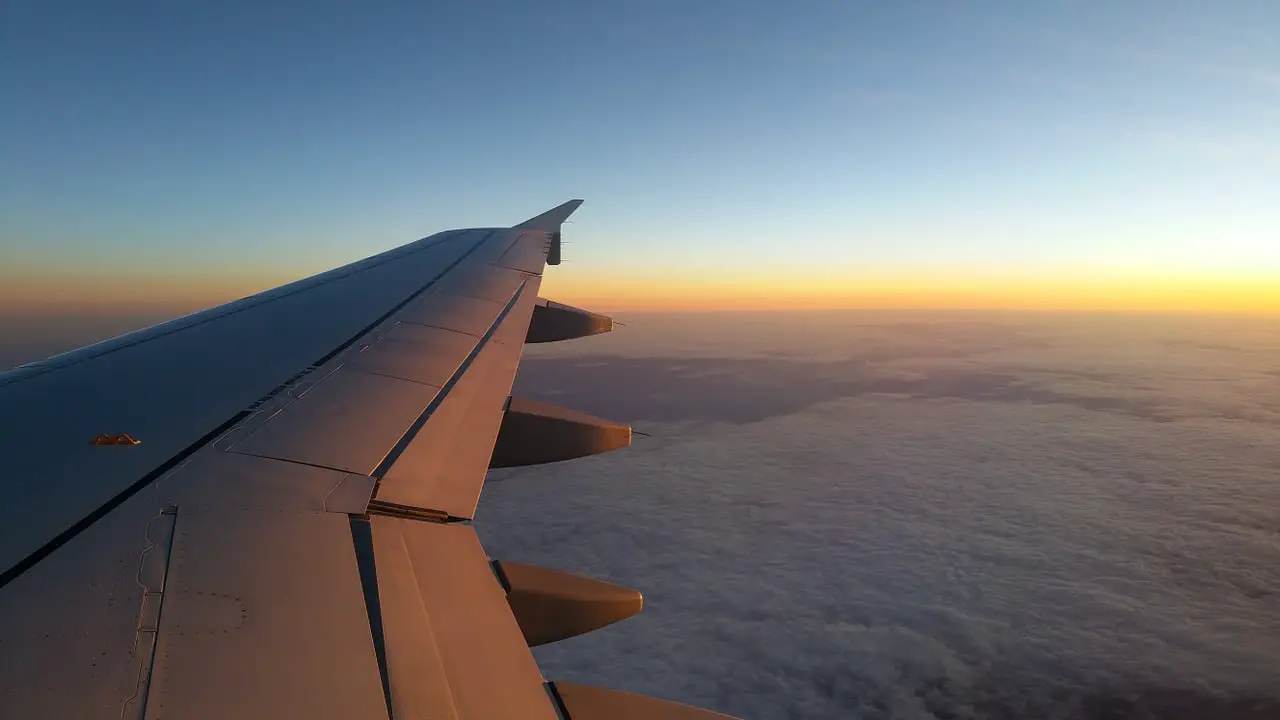
Many European cities can now be reached within a few hours. This makes air travel suitable not only for longer holidays, but also for short breaks or business trips. Anyone wishing to compare different routes will find numerous international flight options within Europe and beyond with Air France.
The airline was founded in 1933 and is now part of the Air France-KLM Group. The majority of its flights depart from or arrive at Paris Charles de Gaulle Airport. One of Europe’s most important transport hubs. In 2024, Air France was also voted “Best Airline in Western Europe 2024”. For travellers, factors such as reliability, consistent service quality and good access to many destinations play a particularly important role.
Why choosing a destination is often easier than deciding how to get there
Numerous European cities are ideal for a short break or a long weekend. Alongside well-known cities such as Paris, Rome and Barcelona, destinations in Central and Eastern Europe are also enjoying growing popularity.
Book a flight to Budapest – every year, numerous travellers who wish to combine culture, history and modern city life do just that. In recent years, the Hungarian capital has become one of the most sought-after destinations for city breaks. From impressive buildings along the Danube to the famous thermal baths and a vibrant culinary scene. Budapest offers a wide range of options for a varied stay.
Those who plan their trip well in advance often benefit from a wider choice of flight times and connections.
Practical tips for a relaxed start to your journey

Not every flight is stress-free – but often this isn’t down to the airline or the airport, but rather to minor oversights in your preparations. You may only realise on your way to the airport that a document is missing, or that security screening is taking longer. So you’ll often start your holiday in an unnecessarily hectic state.
A few simple steps can help you avoid common problems. These include, for example, laying out all your important documents the night before and checking the latest luggage regulations. It can also be worth taking a quick look at the traffic situation, especially if you’re travelling to the airport by public transport.
Many experienced travellers also make a point of allowing a little extra time. This ensures there is sufficient leeway in case of delays en route or if waiting times at the airport are longer than expected.
Frequent flyers often benefit from using the digital services offered by their airline. These include, for example, mobile boarding passes, online check-in or automatic notifications of changes to the flight schedule. Many airlines also offer loyalty programmes through which travellers can collect miles or reward points on regular flights. At Air France, for example, this is done via the Flying Blue frequent flyer programme, which is also used by other airlines in the group.