Few things test a travelling family like the question of where the baby or toddler will sleep. At home the answer is settled and reliable. Away from home it becomes a nightly gamble involving travel cots, unfamiliar beds, and improvised arrangements. Any of which can leave a small child unsettled and the whole family awake. Understanding what makes a young child’s sleep surface work and what travel so often gets wrong, is the key to better nights on the road.
Table of Contents
What the Home Cot Gets Right
The home cot or toddler bed is the benchmark worth understanding first. At home a young child sleeps on mattresses that fit cot and toddler-bed sizes. Firm and snugly fitted to the frame for safety, built to support a small developing body rather than to feel plush. That firm, well-fitted surface is part of why a child sleeps soundly in their own bed. It also sets the standard that any travel arrangement is unconsciously measured against, usually unfavourably.
The Trouble With Travel Cots
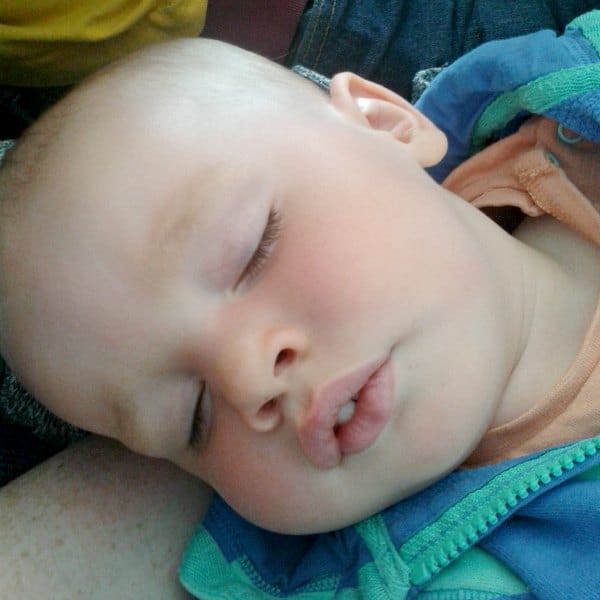

The trouble with travel cots is that their mattresses are often an afterthought. Thin, hard, and minimal, they are designed to fold away rather than to be slept on comfortably. A child who is used to a proper cot mattress at home can find them genuinely uncomfortable. The gulf between the supportive surface a toddler knows and the flimsy pad of a typical travel cot is frequently the real reason a child who sleeps beautifully at home struggles the moment they are away. Some travel cots are far better than others. A parent who travels regularly soon learns to seek out the models with a thicker, more supportive mattress, since the difference in how a child sleeps on them is considerable.
Comfort, but Safety First
Making a travel cot more comfortable is possible, but safety has to lead, especially for babies. For older toddlers, a thin, firm, properly fitted travel mattress topper made for the purpose can improve comfort, but for infants the safe-sleep rules are absolute: a firm, flat surface with no soft padding added, and no gaps around the edges where a baby could become trapped. Comfort can never come at the cost of a safe sleep space for the very youngest, however tempting a softer surface seems.
Toddlers in Unfamiliar Rooms
Toddlers in unfamiliar rooms bring their own challenges beyond the bed itself. A toddler newly out of a cot, sleeping in an open bed in a strange room may be unsettled by the unfamiliarity. They can be prone to wandering, or frightened by the dark in a way they are not at home. A travel bed rail, a familiar night light, and a quick, reassuring tour of the room before bed all help a toddler feel secure enough in the strange space to actually sleep in it.
Between the Cot and the Big Bed
The child caught between the cot and the big bed is a particular travel puzzle. Around the transition age, a child may be too big for a travel cot but not yet reliable in an open bed away from home. So parents often improvise with a toddler travel bed, a floor mattress, or pushing a regular bed against a wall with a rail. Whatever the solution, the same priorities apply: a firm enough surface, a safe arrangement with no fall or trap hazards, and as much familiarity as can be managed.
Safety Comes First

Safety is the one area where there is no room for compromise. A young child’s sleep surface away from home must be firm and flat, fitted without gaps, and free of the loose bedding, pillows, and soft padding that pose a risk to babies. Travel cots should be set up exactly as the instructions specify. With their own proper mattress, and any inherited or borrowed equipment checked carefully before use. Getting the basics of safe sleep right matters more than any amount of comfort or convenience.
Routine and a Dark Room
Routine and environment carry as much weight for little ones as the bed itself. A toddler will sleep far better on a mediocre travel surface in a dark, quiet room with their normal bedtime routine than on a perfect one in a bright, noisy, chaotic setting. Recreating the home sleep environment, dimming the room, holding the usual bedtime sequence, often does more to settle a child than any upgrade to the mattress they are lying on. It is worth arriving with enough time to settle a child before the first night. Rather than rolling in late and expecting them to drop straight off in a strange room. Since a rushed, overtired arrival almost guarantees a difficult night.
When to Bring Their Own
There comes a point, for some families, when bringing a familiar setup from home is the sensible answer. Parents who travel often sometimes find it worth bringing a familiar travel sleep setup. So that one constant travels with them from place to place. A sleep surface the child has used before, even a portable one, carries a reassuring familiarity that an unknown cot in every new destination never will.
Narrowing the Gap
Whatever the arrangement, the aim is to narrow the gap between how a child sleeps at home and how they sleep away. A firm, safe, familiar-enough surface, set up in a dark and quiet room. With the usual routine wrapped around it, gives a young child the best possible chance of settling. The bed away from home will rarely match the one at home exactly. But the closer it comes, the sooner the whole family gets the sleep a trip depends on.