Disclosure: This is a collaborative post with Original Travel
Travelling along the tracks, reading a good book whilst you glance up at the stunning snow covered trees and buildings out the train window. It sounds like an idyllic way to travel, doesn’t it? Sweden is a beautiful country to visit all year round, however there is something magical about Winter in Sweden. Snow begins to fall as early as October in the North of Norway, creating a beautiful fresh layer of white everywhere you go. And travelling by train through this landscape means you have more chance to stare at the beauty of it all, rather than flying over or concentrating on driving!
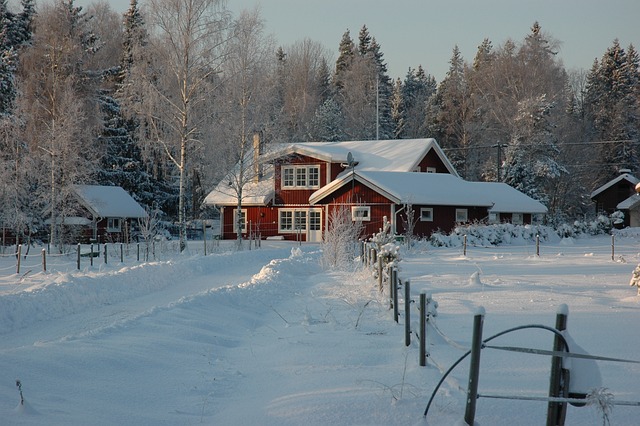
Table of Contents
When Is The Best Time To Visit Sweden In Winter?
Is it best to visit in December for Christmas celebrations or in the New Year? This obviously depends on what it is you are looking for when you visit. There are some fantastic Christmas markets to visit in Sweden. From the 400 stalls in Kungsträdgården in Stockholm to the smaller market of 90 stalls at Gammelstad in Swedish Lapland, where you can also meet Mr and Mrs Claus!
When Christmas is over then it can be a little quieter, which is perhaps a better time to visit Sweden for some of their winter activities. You can choose anything from ice skating to dog sledding. Or why not even visit the famous Ice Hotel in the North of Sweden?
If you are looking for Sweden in the snow then you may want to wait until February to visit. Although the North of Norway has snow in October and November, the South of Sweden (around Stockholm and Gothenburg areas) won’t get snow until late December at the earliest. Further South toward Malmo may not get a proper covering of snow at all due to its more humid climate.
Why Take The Train To Sweden?
Taking the train can be cheaper than flying on a multi-destination trip. But more than that, a train gives you the chance to see the beautiful winter landscapes throughout Sweden, without worrying about driving or simply flying past it in a aeroplane.
Of course there is also the fact that trains are much more environmentally friendly than flying by plane. I’m sure it can’t have escaped your notice that there have been increasingly extreme climate events in recent years. From heavy rainfall leading to flooding or breaking records of the hottest year in living memory, we have definitely been seeing changes to our usual climate. So it’s important that we counteract this by reducing the use of transport that is a major factor in climate change. Instead opting for more environmentally friendly options such as using trains.
If it’s Swedish Lapland you are looking for then this London to Swedish Lapland by train itinerary is the perfect solution. Winter in Lapland and environmental friendly transport!
How To Get To Sweden by Train From The UK
Getting to Sweden by train is fairly straight forward. There are a number of options, as outlined on the fantastic resource – Man in Seat 61. The simplest route is to travel to the South of the UK and cross over by the Eurostar into mainland Europe, disembarking at Brussels Midi station. Catch the next train to Cologne and then to Hamburg, where you can spend the evening. Although if you have time it’s a good plan to stay for the following day to see Miniaturwunderland, an awesome miniature world with model trains, vehicles and various different landmarks. From Hamburg it’s an overnight train to Stockholm (introduced in 2023), choose from various different sleeper compartments from couchettes to private single en-suite rooms. Groups and families travelling together can book private couchette rooms to share. Arrive in Stockholm in the morning ready to start your visit to Sweden!
Best Places To Visit In Winter In Sweden
Sweden is certainly a large country, at over 450,000 km² it is the 5th largest in Europe. So you do need to consider where you would like to visit, are you looking for busy Southern cities or do you want to have more of an outdoor vibe in Northern Sweden? Think carefully where would be best during your visit, as different areas are a significant distance apart and can require long days travelling.
Stockholm
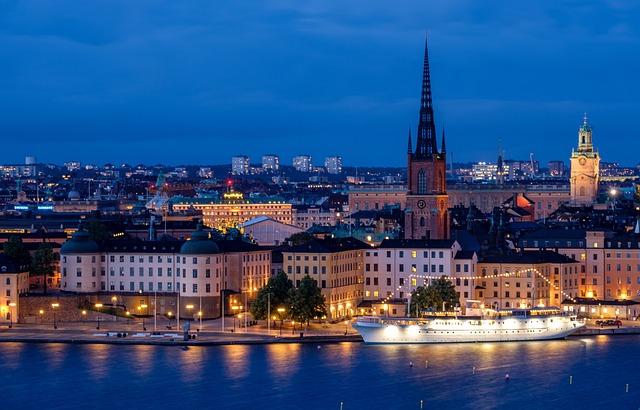
The Swedish capital of Stockholm is often where people begin their Swedish journeys. It’s located in Southern Sweden on the East coast and is very easily accessible by train from Europe. In the colder months you may find snow, but it won’t be anything like the constant thick snow of the Northern regions in Winter. However, that doesn’t mean it’s not worth spending a few days in this interesting city during the winter season. For starters there are the amazing Christmas markets, plus a variety of different locations for ice skating in the city or walk around Gamla Stan, the old town. You can also find cross country and downhill skiing both inside the city and a short distance away once it snows.
Gothenburg
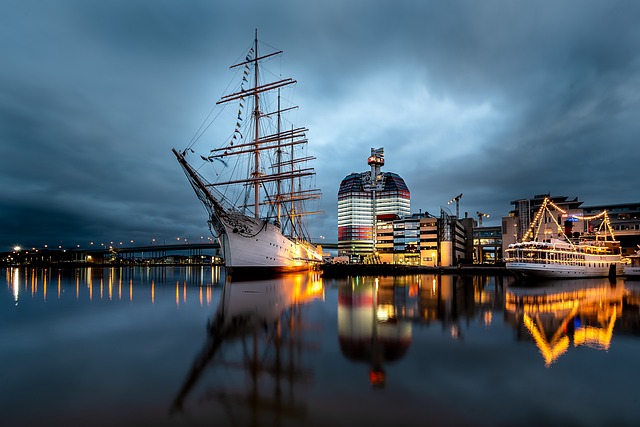
If it’s your first time in Gothenburg you are definitely going to want to visit the famous Liseberg amusement park. It opened in 1923 and every year they have a fantastic Christmas market, ice rink and beautiful Christmas lights! There are various places around the city for ice skating, and plenty of Christmas markets to choose from too. Plus just a 15 minute drive away is the Alebacken ski area, so you can fit some skiing into your weekend as well!
Boden
The northern city of Boden is the perfect place to enjoy Swedish lapland. It’s less well known than Kiruna, so it may be easier to find some cheaper deals. Plus Boden is well served by the trains running North from Stockholm, with an overnight train option too. In Boden you can find plenty of fun winter activities, including admiring the magical northern lights on a clear polar night. Don’t miss the nearby Storklinten ski resort if the snow conditions are right, with both downhill and cross country skiing available. It’s also possible to experience ice fishing and husky dog sledding nearby, which is definitely worth it!
Planning to use the sleeper train into Northern Sweden? Here’s a few tips – Book directly via Vy either by the website or their handy app. There are a range of sleeping options, from 1st class cabins with 1-2 beds to 2nd class shared compartments for 6 people. If you are travelling as a group of 4 or more, choose the private couchette option, so you don’t need to share. The sleeper cabins are only up to a maximum of 3 people.
Kiruna
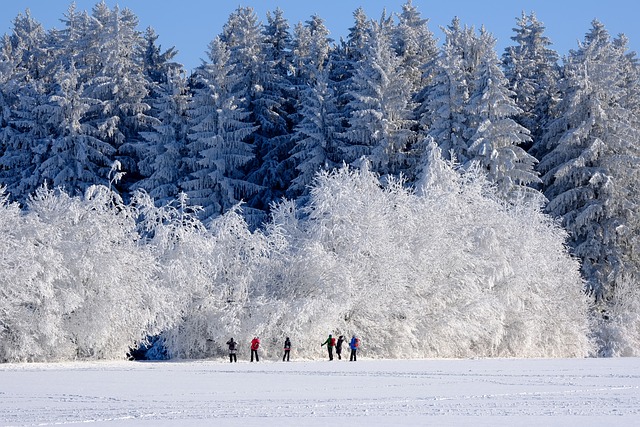
Located 200m North of the Arctic Circle you can enjoy a proper Swedish winter in Kiruna. This is a winter wonderland where you also have the chance of seeing the aurora borealis in the winter months. It’s well known that the aurora sky station in the nearby Abisko National Park is one of the best places in the world for seeing the aurora. Don’t miss it if you visit during the winter. There are also plenty of outdoor activities from skiing to dog sledding and visiting the ice hotel, all leaving from the city centre.
You can also find many cultural experiences with the Sami, people native to lapland and traditionally reindeer herders. This is the perfect way to combine both culture and adventure!
Top Winter Activities In Sweden
If there is a specific winter activity you are looking for, then these are the easiest to access by public transport. Although you will need to book a tour or take a taxi for some of the experiences listed below. However, it is definitely doable to arrive in Sweden by train and enjoy a variety of exciting winter activities.
Ice Skating
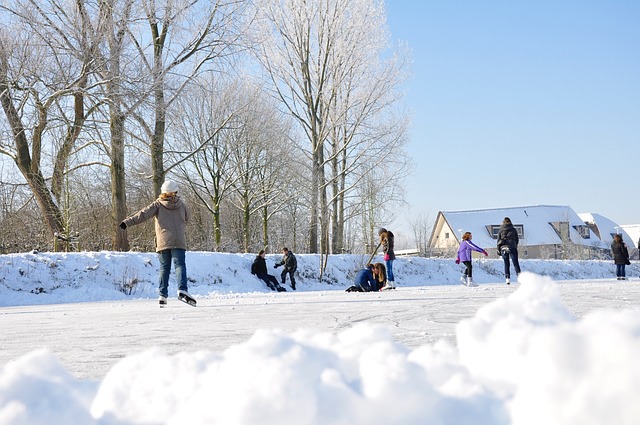
Most larger cities have an ice skating rink in the city over Christmas. However, winter in Sweden means that most the lakes freeze over and so you can find wild ice skating thought out the country. Instead of skating laps on a small rink, experience the ice skating for many kilometres over clear ice. The easiest way to access this is through the prepared skating paths available on many lakes in the country. Not all lakes have prepared ice skating routes, in these cases it’s best to book a tour guide. They will show you where to safely skate around nearby lakes and hopefully treat you to a typical Swedish lunch!
Ice Fishing
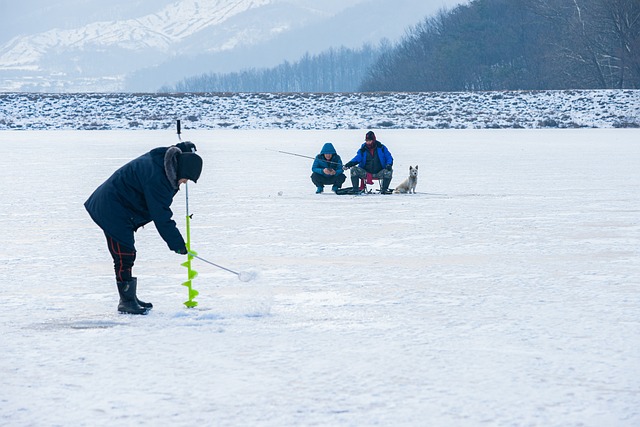
Alternatively, if you don’t feel like skating for hours, then you can try an ice fishing adventure instead. Originally a Sami activity, it has now spread across Sweden. As Sweden has the most lakes in all the European countries, it’s easy to see why the Swedish have easy access to water bodies to go ice fishing. If you wish to go ice fishing in December, then your best bet is in the far North around Kiruna or Abisko, where the ice will be sufficiently frozen to walk on. Late January is often when lakes freeze over sufficiently around Stockholm and the South of the country, so you wouldn’t be able to ice fish until then. If you’ve never been ice fishing before it’s best to book a tour to ensure you catch something on the frozen lake and also keep you safe.
View The Northern Lights
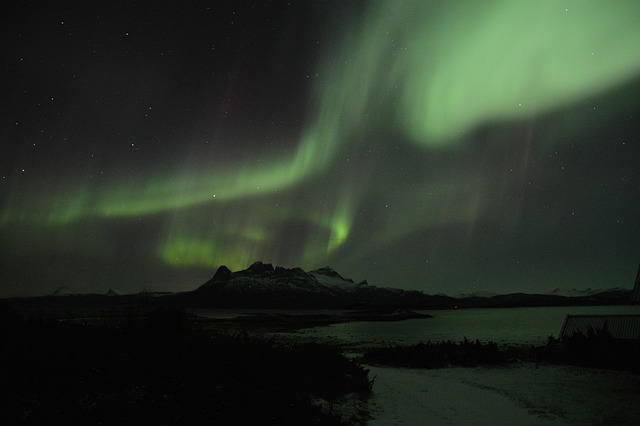
During the cold weather of winter it’s the perfect time to see one of the major attractions of Northern Norway – the aurora borealis. The Northern lights are best seen around February – March and we are currently in a solar maximum until around 2026 where the displays are even more brilliant than normal! Obviously the best time to see the Northern lights is during the winter when it’s dark for longer. Choose a place that is far away from light pollution to maximise your chances of seeing the lights. This is where the tour guides really know their stuff, most guides will drive for miles to find you clear sky to get that perfect view of the Northern Lights. So if the weather is looking uncertain, check if there are any highly recommended aurora tours available.
Cross-Country Skiing
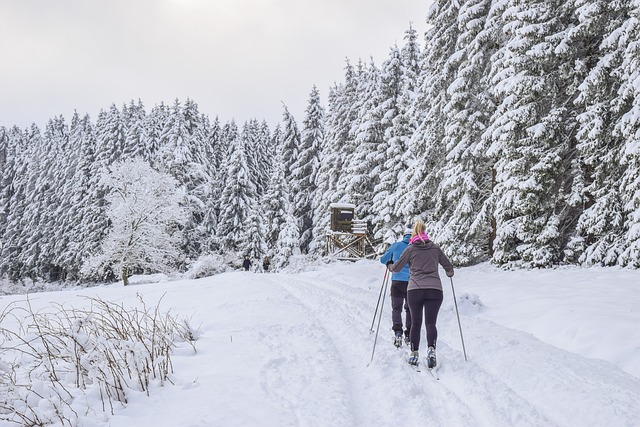
Although down hill skiing is popular in Sweden, traditionally it is the home of Nordic skiing, another name for cross country skiing used for transportation over long distances. It’s a great means of exercise nowadays with a large variety of routes cross-crossing the countryside in winter. Of course the average temperature is colder in the North of Sweden earlier in Winter. So this is the best place to visit if you are visiting in December or early January. Later in the season there will be better conditions for further South.
If you are new to Nordic skiing then it’s best to get a guide, as Nordic skiing isn’t as easy to pick up as you may think! As daylight hours are also more limited in winter it’s good to have someone who knows how to get back!
Dog Sledding
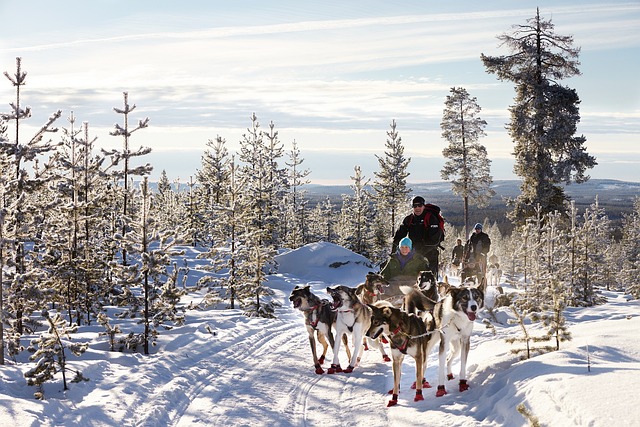
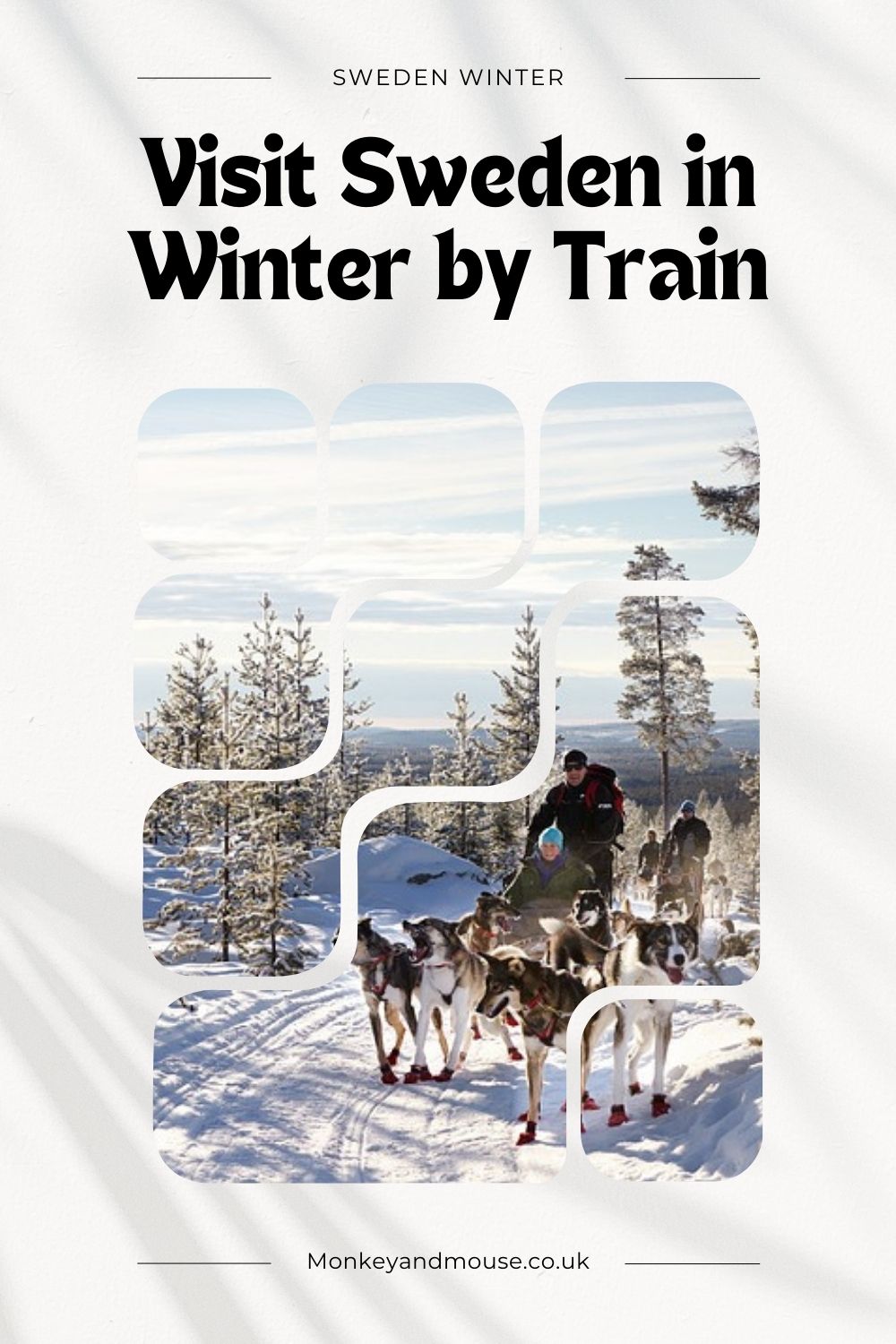
The first thing that comes to mind when I think of winter in Sweden is husky sledding. It’s certainly something you can only do properly in a snowy landscape. With sub-zero temperatures you can speedily trek for miles with huskies for company on your own sled. This activity obviously has to be done as a tour, as who takes their own huskies and sled with them on a winter holiday?! But it’s definitely worth it when you’re in the magical place of Sweden in winter.
Christmas Markets
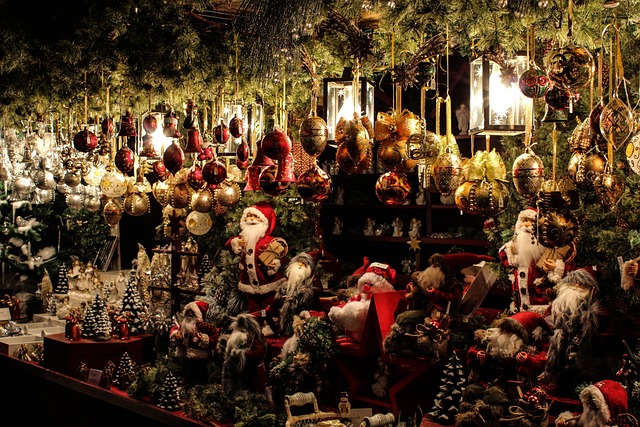
There are Christmas markets popping up all over Sweden during late November and December. Smaller towns markets may only be on for a weekend, but in the cities they will be there to enjoy for weeks. Check the list of Christmas markets here for ideas of where to visit, from the island Christmas markets to the bigger markets located in Central Stockholm or Gothenburg. They are the perfect place to tick off some gifts on your Christmas lists, with everything from hand knitted mittens to Christmas decorations. Don’t miss the warm winter drinks and food.
Swedish Sauna and Cold Baths
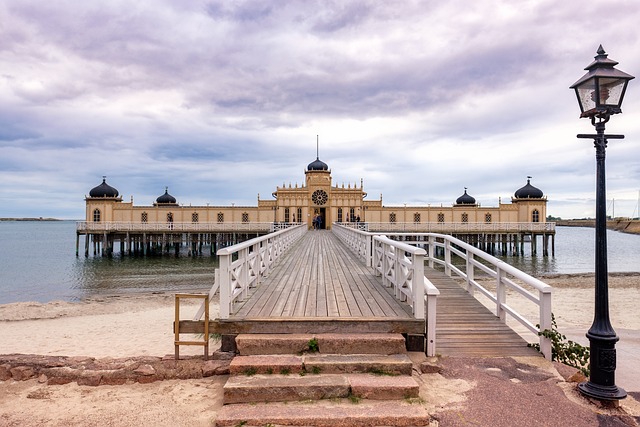
There is a fine tradition of saunas in the Nordic countries. Whether it’s a sauna followed by cold baths or hot tubs, they are certainly a popular activity in winter weather. You can find your own private sauna on some properties or enjoy a communal winter visit to a sauna and then a cold bathe in the sea or lake afterward! Most people enjoy the experience of cool dip after the hot confines of a sauna. Don’t be surprised if your find nudists in the communal saunas, many Swedish prefer to go ‘au naturel’ for this experience! Do ensure that you keep moving to keep the blood circulating when you’ve had a cold dip, and return to the sauna after to warm up again.
Other Nordic Posts You May Enjoy

Pin The Best Things To Do In Sweden In Winter – By Train