Disclosure: This is a collaborative post about the benefits of sensory toys
Sensory toys are designed to stimulate your child’s senses and are crucial in the early stages of development. These toys encourage interaction through touch, sound, sight, and movement. Offering a unique approach to learning that supports the development of fine and gross motor skills. As your child explores the different textures, shapes and functions of sensory toys, they have fun and enhance their sensory processing abilities. These are vital to children’s overall growth.
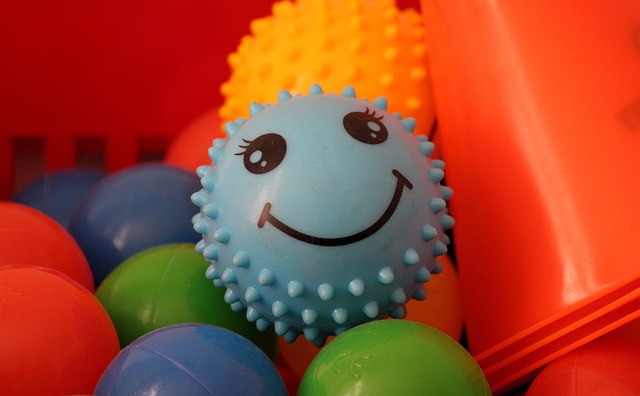
Sensory toys can help your child build nerve connections in the brain’s pathways. This leads to a child’s ability to complete more complex learning tasks. It also supports cognitive growth, language development, and problem-solving skills. Whether it’s through squishing soft dough, feeling the bumps on a sensory ball, or sorting blocks by colour and shape, sensory toys make learning engaging and effective for young children.
Table of Contents
How Sensory Toys Support Emotional and Social Skills
Sensory toys play a vital role in developing your child’s emotional and social skills. Children learn how to process sensory information and how to respond to it by engaging with toys that stimulate their senses. This ability is crucial when interacting with peers. It helps them understand and manage their emotions and those of others. Toys such as tactile puzzles or sound-producing instruments require children to consider their actions and reactions. Which builds empathy and cooperation during play.
These toys provide a foundation for children to express themselves and communicate feelings nonverbally. When children play with sensory toys in groups, they share experiences that are intrinsic to building relationships. By negotiating roles, turn-taking, and expressing their thoughts, children improve their communication skills. And they also improve their ability to work within a team.
The Best Sensory Toys for Early Learners – Benefits of Sensory Toys
When selecting the best sensory toys for your child, consider those that will entertain and aid in developmental milestones. Toys that engage different senses help children refine their thresholds for sensory information, which is a crucial part of sensory integration therapy. Sensory toys that vibrate or make sounds can be particularly beneficial for sensory play. They are stimulating both auditory and tactile senses, and are found on specialised pages that curate these resources.
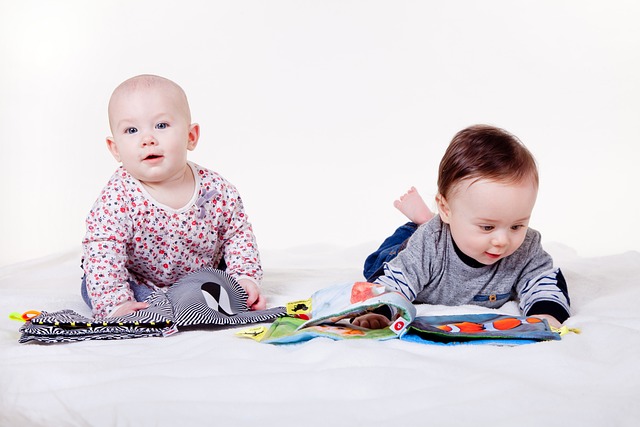
Sensory-rich toys that involve light, texture, and sound can captivate children’s attention for longer periods, enhancing their sensory development and cognitive skills. It is helpful to look at well-reviewed products that can provide various sensory experiences. From textured balls and soft blocks to musical instruments and light-up toys, suitable sensory toys can significantly impact your child’s early learning and development.
Making Sensory Toys a Part of Everyday Playtime
Integrating sensory toys into your child’s daily play routine can be done seamlessly with a bit of creativity. Consider designating a specific time of day for sensory play, which can help establish a routine that children look forward to. This can be particularly effective after more structured activities, providing a fun and stimulating way to unwind. Including sensory toys like sand tables, water beads, or play dough during these times encourages exploration and creativity.
Sensory toys can be incorporated into other learning activities to enhance their educational value. For instance, using textured letters for alphabet recognition or scented markers for art projects can transform traditional learning methods into multisensory experiences that engage multiple learning channels. This reinforces the learning objectives and keeps your child engaged and eager to explore new concepts.
Creating a Sensory-Friendly Space at Home
Doing this can significantly benefit your child’s development and daily experience. This unique area should cater to your child’s sensory needs, providing a safe and inviting place to explore, play, and relax without feeling overwhelmed. Start by considering the sensory inputs that most affect your child, such as light, sound, and texture. Soft lighting, calm colours, and quiet space can significantly affect children sensitive to sensory overload.
Configuring the physical environment, consider including various sensory toys and materials that encourage interaction. Items like a small sandbox, water play mats, or cushioned flooring can provide tactile feedback that is both soothing and engaging. This dedicated space doesn’t need to be large; even a corner of a room can be transformed into a comforting haven that supports your child’s sensory needs, helping to enhance their focus and reduce anxiety during daily activities.
The Benefits of Sensory Toys
Sensory toys are more than just playthings; they are vital tools that support your child’s development across various domains, including cognitive, emotional, and social skills. By incorporating these toys into your child’s daily routine, you provide opportunities for growth that are both enjoyable and educational. Sensory toys cater to different developmental needs, enhancing sensory processing and fine-tuning motor skills in a fun, engaging way.
Creating a dedicated, sensory-friendly area can significantly reduce stress and improve overall well-being, making it an invaluable addition to any home with young children. By thoughtfully choosing and using sensory toys, you actively contribute to the foundational years of your child’s life, setting the stage for successful learning and healthy development.