The UK is packed with destinations where the landscape and the food feel inseparable. You can spend a morning walking along cliff edges or through rolling hills. By midday, tuck into a local cuisine prepared with attention and care. Experiencing a place isn’t just about seeing it. It’s also about tasting it in context.
From the rugged coasts of Cornwall to the gentle hills of the Cotswolds, and from the peaks of the Lake District to the cycling routes of the South Downs. Each region below offers a mix of scenery and flavour.
Some dishes are linked to local produce, others to long-standing traditions, and walking or riding through the area adds depth to the experience. Planning a trip around scenery and food gives a sense of place that sitting in a restaurant alone never could.
Whether it’s seafood fresh from the ocean, beef slow-cooked from a nearby farm, or a pie made with meat from the moors, the UK’s diversity of landscapes and kitchens offers a lot more than sightseeing alone.
Table of Contents
Cornwall: Coast Path Walking and Crab Sandwiches
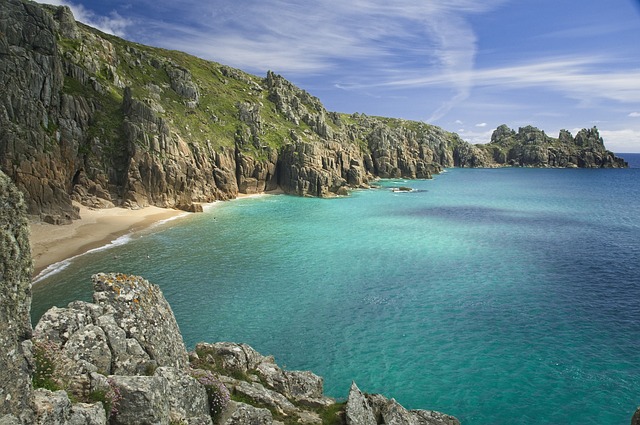
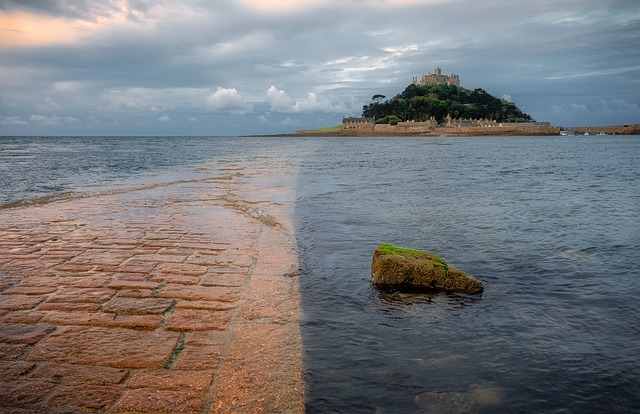
Cornwall’s coastline presents a striking variety. Jagged cliffs drop into quiet coves, and headlands stretch out into the Atlantic, giving walkers a continuous series of vantage points. The South West Coast Path runs through most of these, offering long walks with enough ups and downs to keep the legs engaged. Villages like Port Isaac or St Ives punctuate the route, providing breaks and a sense of scale.
Seafood dominates the local menu, particularly crab. Small cafés and pubs serve sandwiches and salads using the freshest catches from local boats. Timing matters; early in the day, fishmongers sell crabs that haven’t left the water that morning. Walking along the coast before stopping for a crab sandwich makes the flavours land differently: salt, brine, and sweet meat in a way that’s hard to replicate inland.
After a day of exploring on foot, experience luxury Cornwall holidays at hotels or inns with high-end amenities. These places are often perched on headlands or tucked into quiet bays, allowing visitors to wake up to ocean views and plan their walks without long transfers.
Cotswolds: Farm Visits and Braised Beef
The Cotswolds are less about dramatic peaks and more about rhythm. Rolling hills, stone walls, and patchwork fields define the area, and walking from one village to the next gives a sense of scale and season. The paths are generally gentle but winding, which makes timing for meals interesting. You can plan stops at small farms or village cafés that source ingredients locally.
Braised beef is a local standard, and many pubs rely on produce from nearby farms. Slow-cooking is common here, so expect the meat to be soft, rich, and tender, paired with seasonal veggies sourced from the same land. Some farms welcome visitors to see their livestock or vegetable plots, giving context to the dishes served at local tables. That connection between land and plate is central to how the Cotswolds tastes as much as how it looks.
Even without formal bookings, a day’s walk through these valleys can combine farm stops and pubs with minimal effort. The villages serve as natural stopping points, and paths often cross minor roads that remain surprisingly quiet despite being used daily.
Aberdeenshire: Castle Walks and Aberdeen Angus Beef
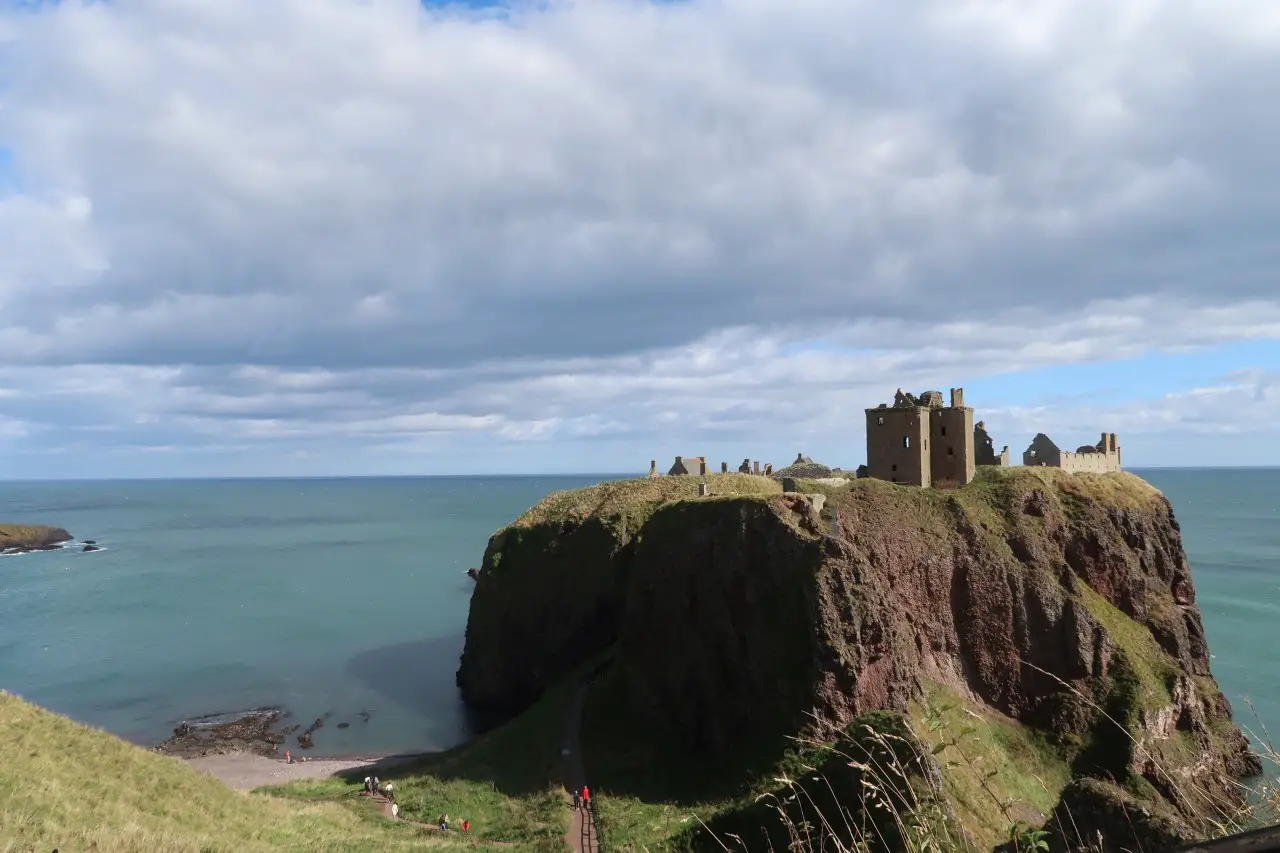
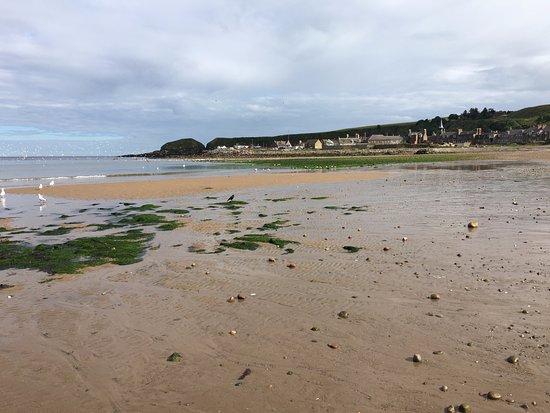
Aberdeenshire consists of rolling hills, river valleys, and the occasional ruined or restored castle standing atop a ridge. Walking routes often connect estates and historic sites, allowing exploration of both natural terrain and centuries of local architecture.
Paths vary from well-worn estate tracks to narrower trails along rivers or through woodland, offering different footing and pace. The landscape is subtle but layered, with ridges providing long views over farmland and valleys that guide movement naturally.
Aberdeen Angus beef dominates the local menu. Many inns and pubs serve it slow-cooked or grilled, often sourced from nearby farms. The richness of the meat reflects the regional pastures, and pairing it with seasonal vegetables gives meals a grounded, authentic feel.
It’s easy to find great dinner bed and breakfast offers, letting walkers and sightseers combine full days exploring castles, trails, and estates with comfortable, no-fuss accommodation. This way, enjoying the landscape and local cuisine becomes simple, without the need to plan every detail.
South Downs: Cycling and Slow-Roast Pork
The South Downs are gentler but no less scenic. Chalk ridges, rolling fields, and dry valleys offer routes suited to walkers and cyclists. There’s enough variation in gradient to keep things engaging, and villages like Lewes or Alfriston punctuate longer journeys with cafés and pubs. Cycling through the area gives a different sense of pace, letting you cover more ground without losing connection to the landscape.
Slow-roast pork is a feature of the local menu. Regional butchers provide cuts to pubs and cafés that follow traditional cooking methods, often turning the meat in its own fat for hours. Timing meals around rides or long walks highlights the effort that went into reaching the table.
Access to trails is straightforward. There’s a mix of public paths and quiet lanes, and planning a route allows riders and walkers to combine ridges, river valleys, and woodland tracks. The cuisine complements the terrain; the effort of moving across gentle hills makes the flavour of slow-cooked dishes feel earned.
North York Moors: Moorland Crossing and Steak Pie
The North York Moors feature wide expanses of heather and open moorland. Paths can be subtle. Faint tracks along ridges or boggy routes that require careful footing. The landscape encourages reading the terrain closely, noting minor rises and dips, and using natural features for orientation rather than relying solely on maps.
Steak pie is a classic here, often cooked with meat sourced from nearby farms. Pies are hearty, dense, and designed to refuel after long crossings of open land. They are rarely fussy; instead, they emphasise substance over presentation. Small pubs in villages such as Goathland or Helmsley make convenient stops for walkers, offering a chance to enjoy the local cuisine and get a feel for the landscape that shapes it.
Moorland crossings can be demanding, especially in wet weather. Routes often link valleys and minor ridges, and timing meals around these crossings matters. The interaction of terrain and food is practical: knowing where to rest and eat allows walkers to manage energy while experiencing the full scale of the moors.
Does Food and Scenery Together Make a Trip More Memorable?
Experiencing the UK through its landscapes and cuisine adds a layer to travel that sightseeing alone can’t provide. Cornwall’s coastal paths paired with fresh crab, the Cotswolds’ rolling hills alongside braised beef, Aberdeenshire’s castles with Aberdeen Angus, the South Downs’ cycling routes and slow-roast pork, or the North York Moors’ moorland with hearty steak pies, all show how movement through a place enhances the flavours you taste.
Paying attention to the connection between terrain and food changes how you pace your day. Walkers and cyclists naturally plan meals around routes, while inns, pubs, and B&Bs are often positioned along logical lines of movement. Ultimately, combining views and food turns travel into a richer, more grounded experience.