Adventure travellers usually look for more than scenic views; they want physical challenges, active days, and the chance to do something a little out of the routine. Europe has its trails, and Asia has high passes, but the destinations here push boundaries in different ways: long hikes, steep climbs, or river routes that demand attention.
The common thread is the mix of natural terrain and human infrastructure, so you’re never completely on your own but still get a sense of genuine effort. Each place gives options for people at different levels, whether that’s trekking, rafting, or cycling. These five spots make the list because you’ll leave tired, aware, and ready to plan the next trip.
Table of Contents
New Zealand
New Zealand’s South Island is a classic for active travellers. The Routeburn Track and the Kepler Track are long enough to demand planning but stay clear of technical climbing. Along the way, streams and small rivers let you cool off, and lakes provide easy kayak access.
Mountain biking in Queenstown and Wanaka offers downhill options for more confident riders, while gentler trails follow valleys and farmland for slower days. Rock climbing is available in places like Wanaka’s crags or near Queenstown, but there are also guided canyoning trips through short gorges, which combine hiking, swimming, and jumping into pools.
You’ll find transport between trailheads is usually organised, so multi-day treks are feasible without heavy camping gear. The mix of walking, biking, and water challenges means you can tailor your days based on energy, weather, or preference. Even a single day can feel like a proper adventure, covering several kilometres with plenty of effort.
Peru
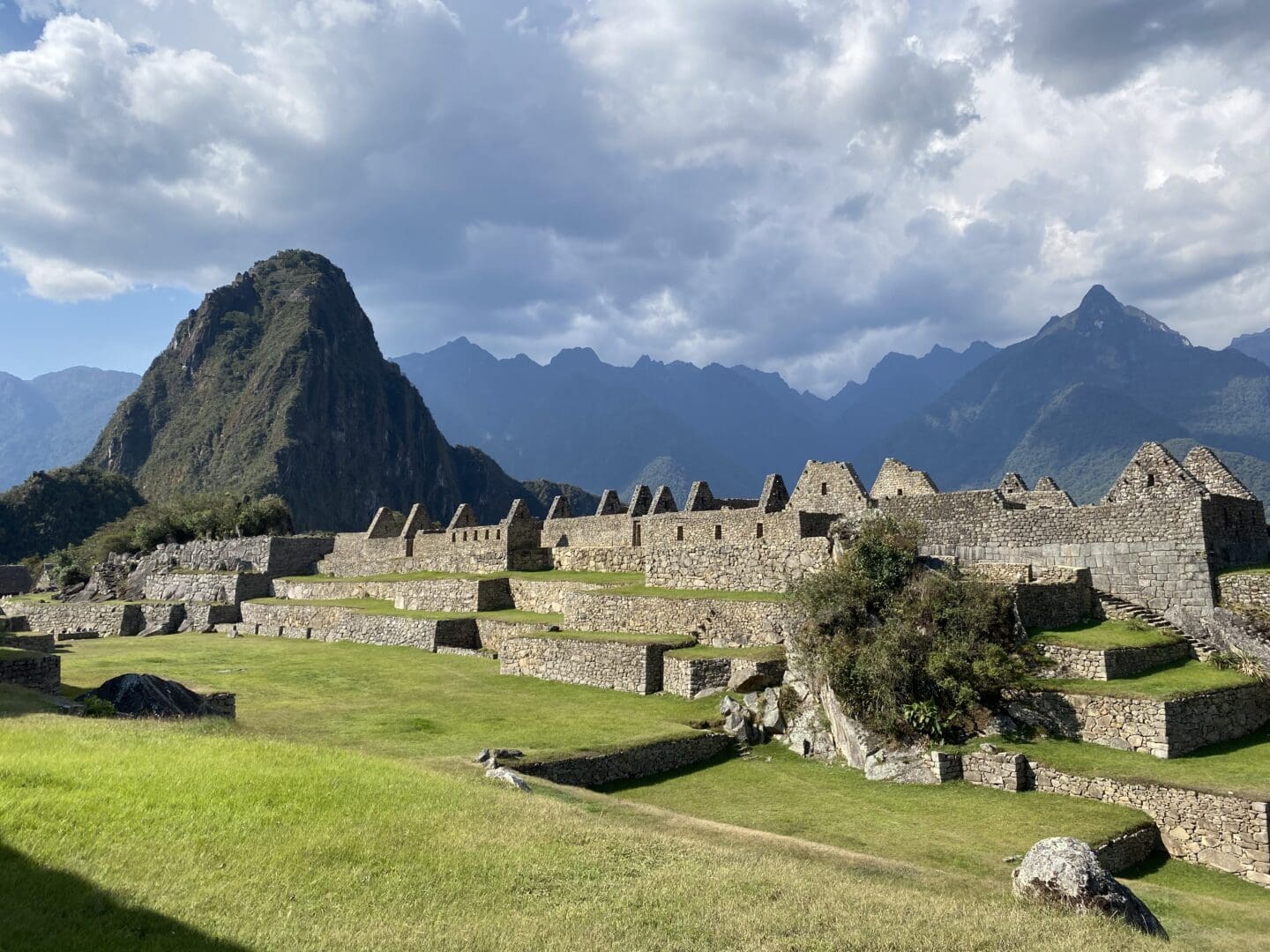


Peru is a practical choice if you want a mix of altitude, trail variety, and cultural immersion. The Inca Trail to Machu Picchu is the obvious draw, but there are plenty of alternative routes that offer fewer crowds and more challenge.
Mountain biking around Cusco gives the option to drop into small villages and buy fresh bread or cheese along the way. The Sacred Valley has rivers that suit white-water rafting at intermediate levels, and some day treks in the Andes climb gradually enough to test stamina without forcing altitude sickness.
Travellers looking for adventure travel in Peru often mix hiking, biking, and river activities across several days, moving from valleys to higher passes, and it’s all navigable with local guides. Nights can be spent in hostels or small guesthouses in towns along the trail. You get both physical effort and the practical reward of reaching viewpoints and settlements without relying on anything extreme.
Iceland
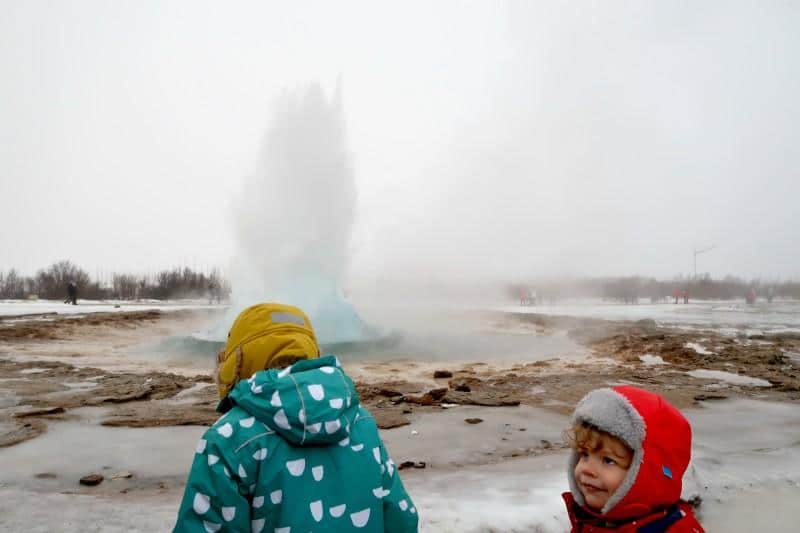

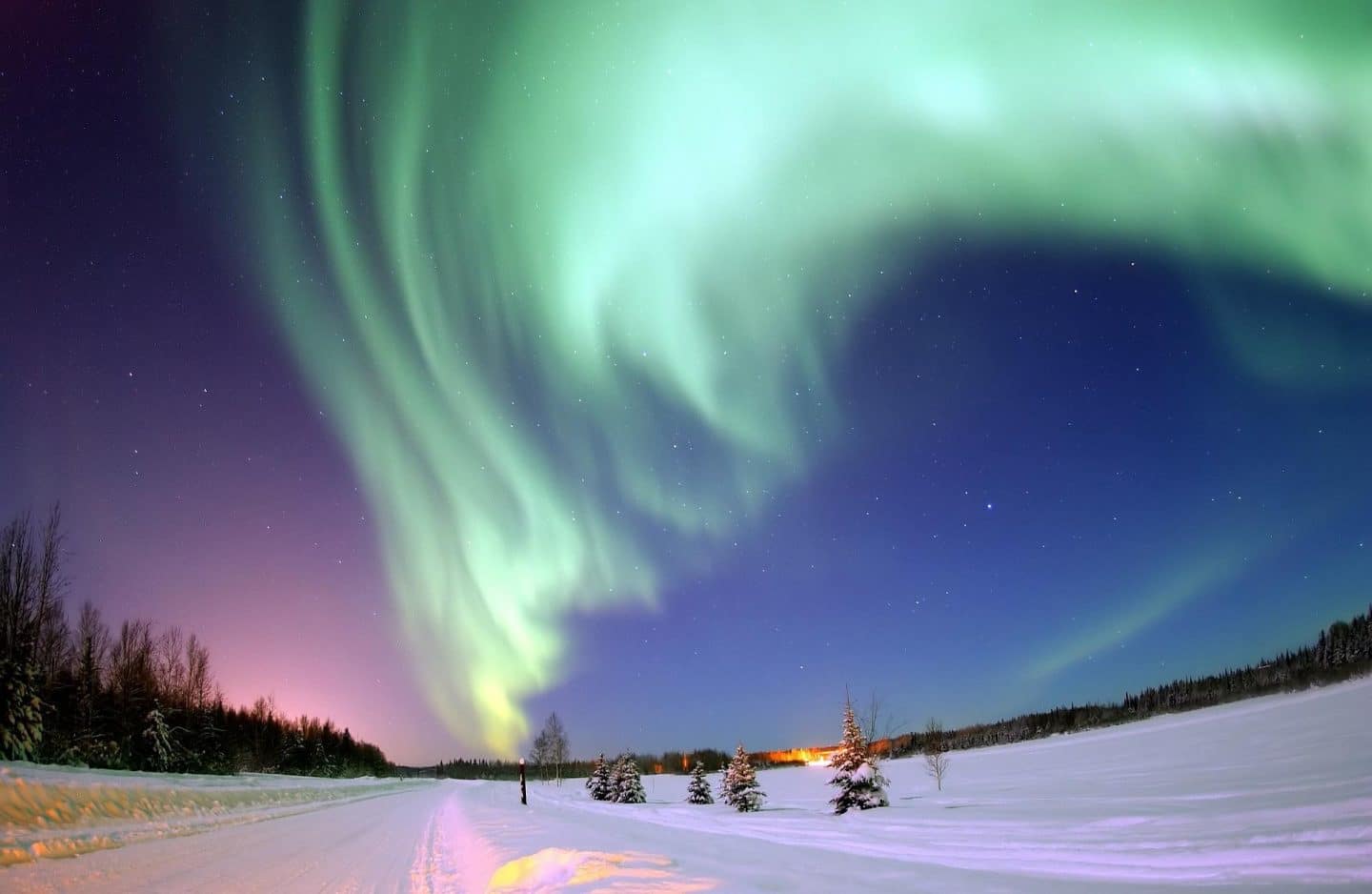
Iceland is for travellers who like landscapes that challenge navigation more than climbing skill. The Laugavegur Trail links geothermal areas, rivers, and volcanic terrain, often involving river crossings and uneven ground that demands attention.
Winter or early spring introduces snowfields and glacial trekking with crampons, while summer opens routes suitable for long hikes without specialist equipment. Many opt for multi-day trips with huts along the way, which breaks distances into manageable stages. Kayaking or rafting in glacial rivers provides an extra level of activity, while cycling between lowland settlements gives a steady, scenic route.
Even short hikes involve lava fields, hot springs, and waterfalls that feel physically demanding because the terrain changes constantly. Some sections are muddy or rocky, which slows pace and requires careful footing. You’re never just walking; you’re constantly reading terrain and adjusting steps, which gives a steady sense of involvement in every kilometre.
Nepal
Nepal is hard to beat for mountain adventure. Beyond Everest, the country has dozens of long trails that test stamina and navigation. Routes to the Annapurna Base Camp or the Langtang Valley include steep stretches, suspension bridges over rivers, and small settlements where you can refill water and food.
The trekking itself takes you through forests, alpine meadows, and high ridges. Some paths require early mornings and careful pacing to avoid altitude problems. Most serious travellers also consider trips to Everest Base Camp, which combine days of walking with acclimatisation and practical skills like packing efficiently and judging weather.
The villages along the way are simple, often serving dal bhat, tea, and basic shelter, and allow short breaks that refresh energy before the next climb. Even moderate trekking here feels significant because every stage has a tangible endpoint. The trails vary enough that you can pace your trip based on fitness and experience.
Canada

Canada’s western provinces are ideal for those who want extended adventure in the wilderness without extreme technical requirements. In Banff or Jasper, hiking trails climb to lakes and viewpoints, often with moderate altitude gain.
Canoeing and kayaking on the Bow and Athabasca rivers suit families and experienced paddlers alike. Mountain biking in Canmore or Whistler ranges from steep single tracks to gentle valley trails.
Wildlife spotting in Canada adds a practical element – grizzly bears, elk, and mountain goats require attention and patience, and planning routes with safety in mind is part of the experience. Multi-day trips often combine walking, paddling, and camping, and transport between trailheads is straightforward.
Lakeside and forest campsites allow early starts, and the scenery changes enough each day to feel like progress. Even short excursions provide a sense of effort and accomplishment. The mix of hiking, paddling, and controlled exposure to wildlife makes each trip feel varied and engaging.
What makes these adventures worth it?
Adventure travel is about effort and variety more than distance or danger. These destinations provide both: multi-day treks, changing terrain, and options to mix walking, biking, paddling, or climbing.
You leave tired, alert, and aware of the effort required to reach each viewpoint or settlement. Local facilities, trails, and guides make it manageable, while the challenges push your stamina and decision-making.
Even small choices – whether to take a river shortcut, climb a ridge, or extend the trek another day – matter and provide satisfaction. The effort feels practical and rewarding. Wouldn’t you want to plan your next adventure knowing each step counts?