Disclosure: This is a collaborative post about solving a bat problem at home.
When you think you might have a bat problem at your property, regardless of whether it’s inside or outside, it is natural to feel some concern. This concern leads to a need for action. It is vital that you know what to do about bats because they are a highly protected species. You don’t want to risk major fines and even imprisonment if you get it wrong! Here are some tips for solving a bat problem at home.
Table of Contents
Don’t Confuse Bats for Something Else – Solving A Bat Problem
There is a chance that what you think is bats, is actually something else like a bird’s nest or even mice scuttering around in the home. Just to be absolutely certain, it is useful to understand the key indicators that it is in fact bats and not something else that will require a different course of action entirely. You can use the following red flags to help you.
Visual Sightings
If you see bats flying in and out of your house, this is a great start. This indicates a strong likelihood that they are roosting in your attic or around your garden somewhere. However, they are not so easily spotted so you have to pick your moment carefully. Bats are crepuscular by nature in that they are the most active for flying about, hunting, and feeding at dawn and dusk (those precious twilight hours). You have the best chance of seeing them during this time, so this is when you need to be on a vigilant lookout. Set up a comfortable chair and wait for them to show up. If they do, then this is a good method of confirmation.
Droppings Around the Area
Either on the roof, the floor of your attic, or in the garden, check for droppings. Bat droppings are not massively distinctive and are often mistaken for that of other rodents like mice or rats. It is brown or grey and small too. It does disintegrate after a day or two, so there is a risk factor here in that you might miss it completely. Dedicate a few days to searching to see if anything shows up. You will notice the smell first.
Hearing Noises
It is incredibly difficult to hear the noises that bats use to communicate with one another. The sounds barely register or do not register at all, in human ears. Therefore, other sounds are the best indicator in this context. Wing flapping is very distinctive, as are the sounds of bat claws which are sharp and sound like scraping or tapping. You may be able to discern chittering style noises coming from the roost area as well. These are normally heard just before bats fly out at dusk or earlier on a warm summers night.
Confirm the Presence
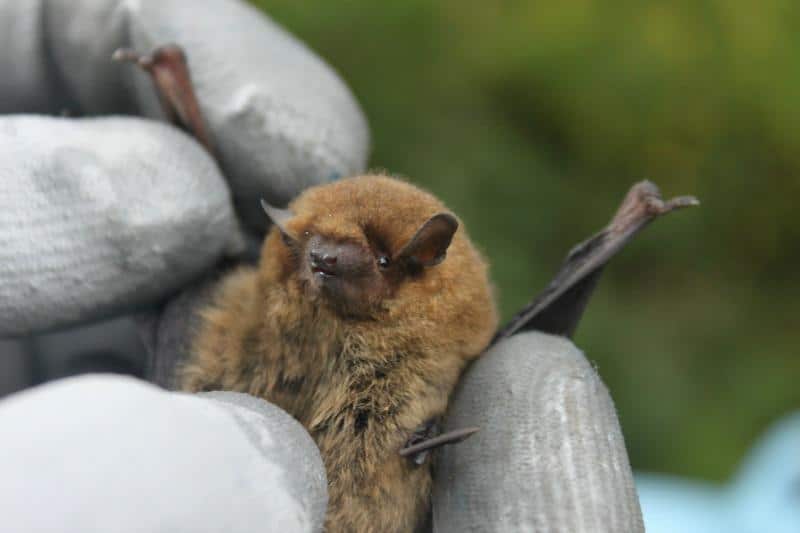
The only way to properly confirm whether or not you have bats living in your house (or around your property) is through using bat surveyors like Bat Surveys. A professional service has the best skillsets and knowledge base to carry out a thorough assessment, which is exactly what you will need! Once the presence has been confirmed, and the extent of the bats’ roosting area has been found out, you are in a better position to carefully map out the next steps on the agenda. For homeowners in the UK you can also contact the National Bat Helpline for advice and a free visit.
Wait it Out
The best course of action when you find bats in your house is to wait for them to leave. This sounds counterintuitive, but it is the safest way to protect both the bats and your family as well. Unless they have come into the main living areas, they pose very little threat to you as long as you stay on top of any droppings that come through in accessible areas. Bats are protected species so you can’t do much about them when they decide they live with you. They might not stick around for long as they are fairly active creatures that move from place to place as they please.
Protect the Bats
You are able to play a part in the conservation and protection of bats. There are several things people can do that will nurture the bats and move towards slowing down the threat of extinction.
Installing Bat Boxes
Bat boxes are just like bird boxes and they sit in your garden. They are a place of shelter and might serve to encourage them out of your attic and back into nature. A safe place is necessary, and one that is high up, as bats like to be way above the ground. If possible, think about places that cats won’t be able to access as they will hunt and kill bats if they get the chance to.
Managing Domestic Pet Threats
It’s not just cats that will take an interest in bats. Dogs are known to chase and disturb these creatures if they find them too. While it would be inconvenient to keep the dogs out of your garden, it is a good idea to keep an eye on them if you see your pet heading toward the bats.
Keeping it Dark
Bats really are creatures of the night, which means they do not like artificial light at all. Help them by turning off your garden lights unless you need them to be switched on. This will stop their natural feeding and activity time from being interrupted.
Providing a Water Source
If you live in an urban space, there is a high risk that the bats will not have a natural water source nearby. Like any creature, bats need water to survive. Therefore, installing a bowl with a drink is a kind thing to do and will help them stay healthy. `
Bats are not the pest that people think them to be. Unlike mice and rats, they won’t chew through your walls and wires or steal your food. Most people with small numbers of bats roosting in their house don’t even notice! Leave them alone and make their life comfortable, and they are likely to move on before you even realise it.