Travellers who spend most of their time outdoors often choose destinations where the landscape shapes the entire experience. Some places offer mountain trails that stretch for days, while others revolve around wildlife reserves, coastal paths, or forests that have existed for centuries. These trips tend to focus more on exploring the surroundings than on ticking off major landmarks.
From Himalayan trekking routes to Scottish glens and tropical rainforests, each destination below appeals to travellers who prefer long walks, remote viewpoints, wildlife encounters, and landscapes that still feel largely untouched.
Table of Contents
Experience the High Altitudes and Mountain Scenery of Nepal
Nepal remains one of the world’s most established destinations for serious mountain trekking. Most journeys begin in Kathmandu’s Thamel district, where trekking agencies, gear shops, and small markets line streets such as Tridevi Marg and Chaksibari. From there, travellers often take a short flight from Tribhuvan International Airport to Lukla or Pokhara, depending on the route they plan to follow.
For those interested in adventurous trekking in Nepal, routes such as the Annapurna Circuit and the Everest Base Camp trail remain the most popular. These journeys typically pass through villages like Namche Bazaar, where trekkers stop to acclimatise while walking past stone houses, prayer wheels, and small bakeries catering to hikers. The trails climb steadily through rhododendron forests and across suspension bridges above the Dudh Koshi River.
Back in Kathmandu, travellers often spend time walking around Durbar Square or visiting the Swayambhunath hilltop before leaving the country. After days on the trail, the streets around Asan Market and Indra Chowk often feel like a welcome change of pace, especially for those returning from remote Himalayan valleys.
Discover the Pristine Landscapes of the Scottish Highlands
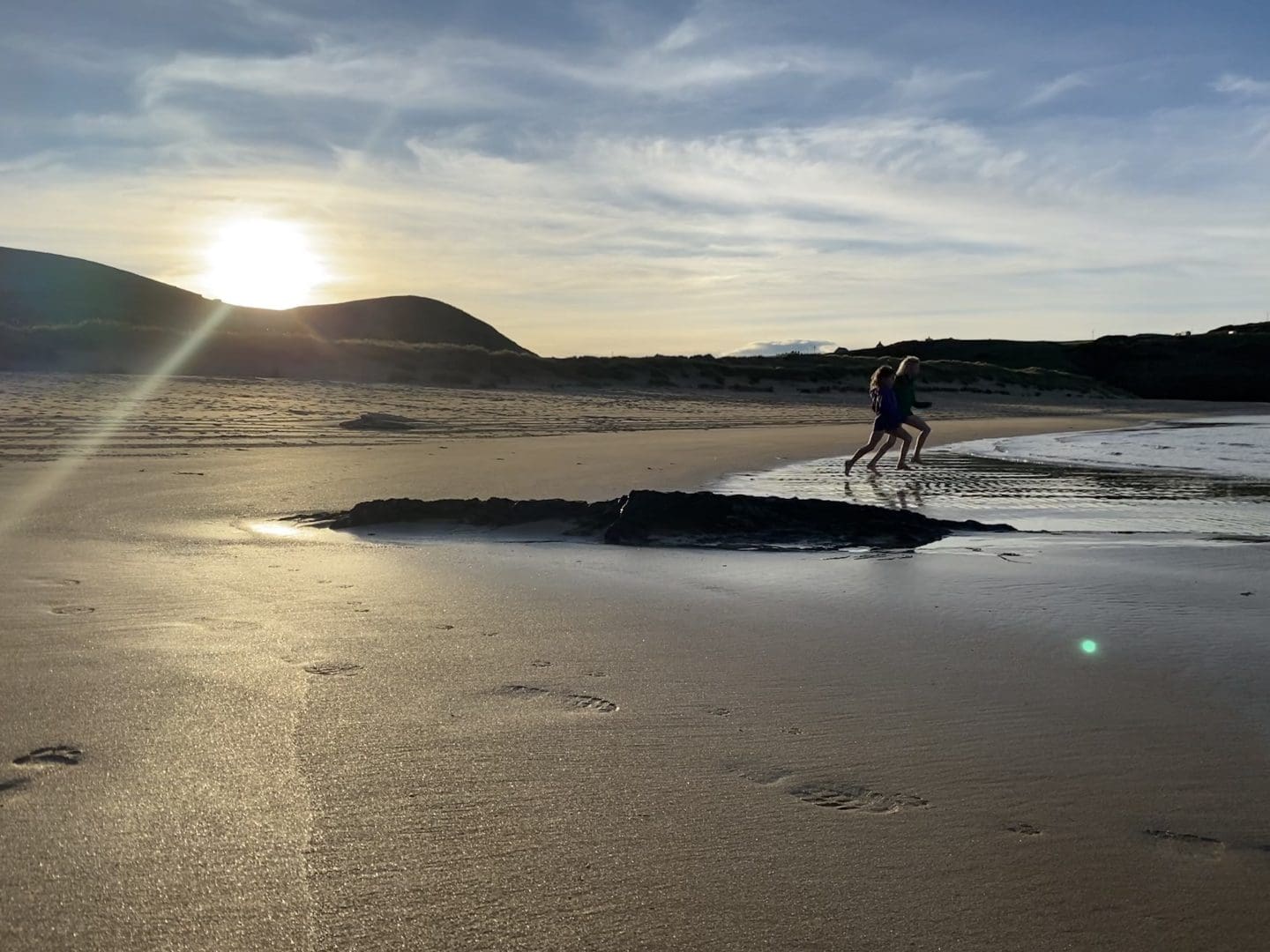
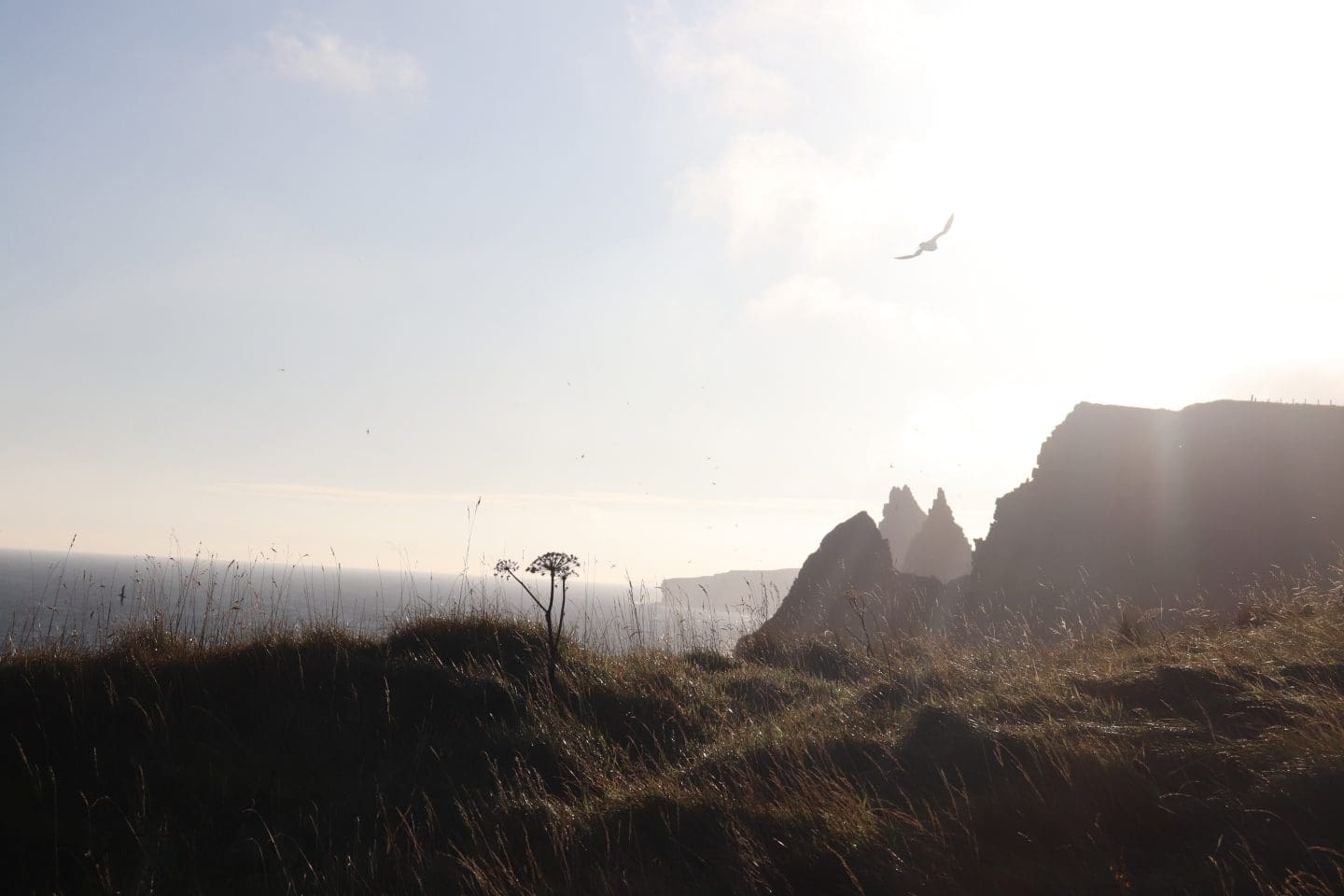
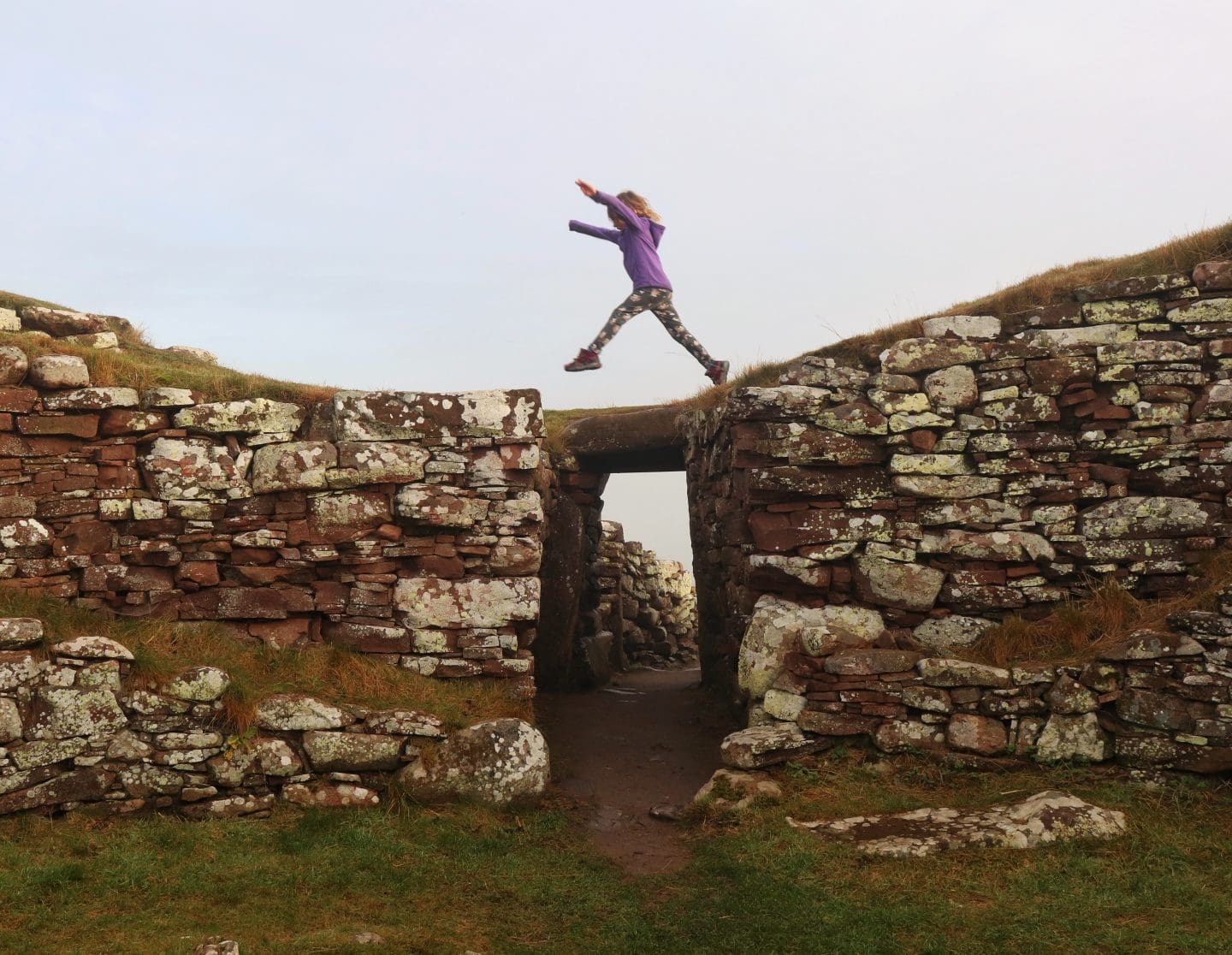
The Scottish Highlands offer one of the most varied natural landscapes in the United Kingdom. Many visitors begin in Inverness, a compact city where the River Ness flows past stone bridges and the Victorian Market. From here, roads quickly lead into quieter areas where mountains, lochs, and glens dominate the scenery.
Driving west along the A82 brings travellers towards Loch Ness and further into Glencoe, where narrow roads pass beneath steep ridges such as the Three Sisters. Walkers often start trails from small parking areas near Glen Etive or continue north towards Fort William, which sits at the base of Ben Nevis. Paths from Glen Nevis Visitor Centre gradually climb into the hills and connect with longer routes through the surrounding valleys.
Further north, the North Coast 500 route links coastal villages including Ullapool, Durness, and Tongue. Small harbours and quiet beaches appear along the way, especially near Balnakeil Bay. Many travellers spend evenings walking along village streets or visiting small craft markets that appear during the summer months.
Relax Amidst the Coastal Biosphere Reserves of Menorca
Menorca often feels quieter than its neighbouring Balearic islands, partly because much of the island has protected status as a UNESCO Biosphere Reserve. The capital, Mahón (Maó), sits above one of the largest natural harbours in the Mediterranean. From Plaça de la Constitució, streets lead down towards the waterfront where fishing boats line the marina.
When planning to book villas in Menorca, it’s worth looking at properties near smaller towns such as Binibèquer, Cala en Porter, or Ciutadella. Staying outside the main resort areas makes it easier to access the island’s coastal walking routes. The Camí de Cavalls, a historic trail that circles the island, passes through pine forests and along limestone cliffs before dropping down to coves like Cala Macarella and Cala Mitjana.
In Ciutadella, narrow streets branch off Plaça des Born and lead towards the old harbour steps. From there, it’s easy to walk along the waterfront road that curves past small boatyards and local markets. Many travellers move around the island by car, using the Me-1 road that links Mahón to Ciutadella in about an hour.
Witness the Unique Wildlife of the Galapagos Islands
The Galapagos Islands are one of the few places where wildlife encounters happen almost immediately after arrival. Most international flights land in Ecuador before continuing to Baltra Island or San Cristóbal. From Baltra, buses cross a narrow channel to Santa Cruz Island, where many travellers stay in the town of Puerto Ayora.
The waterfront path along Avenida Charles Darwin often serves as a starting point for exploring the area. Sea lions regularly rest on benches near the small fishing docks, while pelicans circle above the harbour waiting for fishermen to clean their catch. A short walk from the centre leads to the Charles Darwin Research Station, where giant tortoise conservation programmes are based.
Boat excursions from Puerto Ayora travel to nearby islands such as North Seymour or Bartolomé. These trips typically include guided walks across volcanic terrain, where travellers see blue-footed boobies, marine iguanas, and nesting frigatebirds. The islands feel stark and exposed, with black lava fields stretching down to quiet beaches.
Explore the Ancient Rainforests of Borneo

Borneo contains some of the oldest rainforests on Earth, with large sections protected inside national parks and wildlife reserves. Many journeys begin in Kota Kinabalu, a coastal city in Malaysian Borneo, where local markets operate along Jalan Tun Fuad Stephens near the waterfront.
From here, travellers often head inland towards Kinabalu National Park. The road gradually climbs through farmland before reaching the park entrance near Kundasang. Trails begin close to the visitor centre and wind through dense forest filled with pitcher plants, orchids, and towering dipterocarp trees.
Further east, the Sepilok area near Sandakan has become well known for wildlife conservation projects. Wooden boardwalks lead through the forest to viewing platforms at the Sepilok Orangutan Rehabilitation Centre, where young orangutans are reintroduced into the wild. Nearby, the Kinabatangan River provides opportunities to travel by small boat past mangrove forests and floodplain habitats where proboscis monkeys often gather in the late afternoon.
Which natural wonder will you visit?
Choosing between these destinations usually comes down to the type of landscape someone wants to experience. Nepal appeals to travellers who prefer long mountain treks and remote villages. The Scottish Highlands offer dramatic scenery within a relatively compact area. Menorca combines coastal walking with protected Mediterranean habitats, while the Galapagos Islands focus on wildlife found nowhere else. Borneo introduces travellers to dense rainforest ecosystems and rare species.
Each location highlights a different side of the natural world, which makes the decision less about which destination is better and more about which environment someone wants to explore first.