Disclosure – This is a collaborative post
Discovering your child has asthma can feel overwhelming, but with proper understanding and asthma management, your child can lead a full, active life.
At e-Surgery, we’ve supported families with sustainable healthcare solutions and expert guidance for managing childhood asthma. Our environmentally conscious prescription service ensures reliable access to essential medications while minimising environmental impact through our paperless system and recyclable packaging.
With that said, let’s dive into it…
Table of Contents
Understanding Asthma: What Parents Need to Know
Asthma affects approximately one million children in the UK, making it one of the most common chronic childhood conditions. While each child’s experience with asthma is unique, understanding the condition’s fundamentals helps parents provide better care and support.
The Mechanics of Childhood Asthma
When your child has asthma, their airways are more sensitive to various triggers. During an asthma episode, the airways undergo several simultaneous changes. The lining becomes inflamed and swollen while muscles around the airways tighten. Additionally, extra mucus is produced, further narrowing the airways.
These combined changes result in breathing difficulties, manifesting as wheezing or whistling sounds, persistent coughing (especially at night), shortness of breath, chest tightness, and rapid breathing during everyday activities.
Common Triggers and Prevention

Understanding your child’s specific triggers is crucial for effective management. Environmental factors like pollen, dust, and air pollution often trigger asthma symptoms.
Physical activity, exercise, and weather changes, particularly cold air, can also impact breathing. Other common triggers include respiratory infections, strong emotions or stress, certain foods or food additives, and exposure to pet dander and other allergens.
Ventolin Explained: How It Provides Relief
The active ingredient in the ventolin inhaler, salbutamol, belongs to a class of medications called short-acting beta-2 agonists (SABAs). When inhaled, it quickly relaxes the tight muscles around the airways, making breathing easier within minutes.
How Ventolin Works in the Body
When your child uses their ventolin inhaler, the medication follows a specific process in the body. It travels directly to the airways and binds to particular receptors on airway muscle cells. This binding signals these muscles to relax, opening the airways wider and improving airflow to and from the lungs.
Unlike preventive medications that must be taken daily, Ventolin is a rescue medication for quick relief when needed. However, if your child needs their inhaler for asthma more than twice a week, it may indicate their asthma needs to be well-controlled and their treatment plan needs adjustment.
Administering Ventolin: Tips for Parents
Proper administration of a ventolin inhaler is crucial for adequate symptom relief. For proper technique, start by shaking the inhaler well before use.
Have your child stand or sit upright, remove the cap, and ensure the mouthpiece is clean. Young children should use a spacer device. Wait at least 30 seconds between puffs if multiple doses are needed.
Timing and Usage Patterns
Understanding when to use the Ventolin inhaler dosage is essential. For exercise prevention, use it 15-20 minutes before activity. At the first sign of sudden symptoms, use the inhaler as directed.
During an asthma attack, follow your child’s asthma action plan. If relief isn’t achieved with ongoing symptoms, seek medical advice promptly.
Monitoring and Managing Ventolin Side Effects
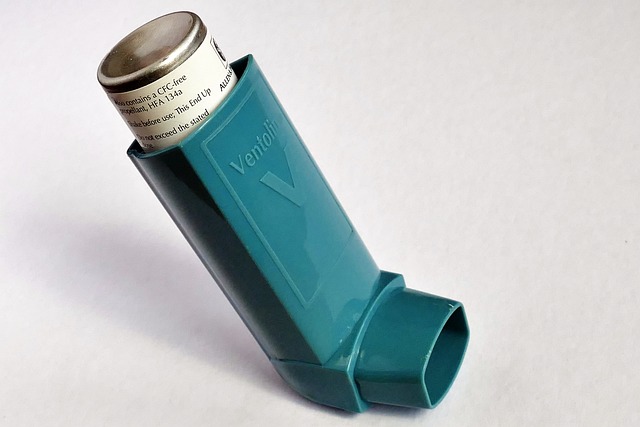
While ventolin inhaler side effects are generally mild, understanding what to expect helps parents monitor their child’s response to treatment.
Common side effects include mild trembling or shaking, temporarily increased heart rate, mild throat irritation, slight headache, and mild nervousness or excitement. Parents should monitor these reactions to ensure they remain within normal ranges.
When to Seek Medical Attention
It’s important to contact your healthcare provider if you observe any severe symptoms. These include intense trembling or shakiness, persistent rapid heartbeat, unusual behaviour changes, worsening breathing problems, or an increased frequency of needed doses. These signs may indicate a need to adjust the treatment plan.
Long-Term Asthma Management with Ventolin
Effective asthma management involves more than using asthma inhalers when needed. A comprehensive approach encompasses several key areas that work together to provide optimal care.
Daily Management Strategies for Asthma Relief
Environmental control forms the foundation of daily management. Maintain a clean, dust-free home environment using allergen-proof bedding and monitoring air quality. Keeping windows closed during high-pollen days can significantly reduce exposure to triggers.
Activity management is equally important. Parents should encourage regular physical activity while monitoring exercise tolerance. Keep inhalers for asthma readily available during activities, and plan indoor alternatives during poor air quality days.
Healthcare coordination ensures continuous support through regular check-ups with providers, updated asthma action plans, and proper education for school staff and caregivers. Proper medication storage and monitoring complete this comprehensive approach.
Creating an Asthma-Friendly Home
Creating an asthma-friendly environment requires attention to several key factors. Regular cleaning and dusting combined with proper ventilation help maintain good air quality.
Controlling humidity levels and establishing a smoke-free environment are essential. If you have pets, properly managing their presence and cleaning routines becomes particularly important.
Supporting Your Child’s Journey

At e-Surgery, we understand that managing childhood asthma requires ongoing support and resources. Our services are designed to provide comprehensive care through multiple channels.
Comprehensive Asthma Support Services
We offer convenient medication access through our easy online ordering system and regular prescription management. Our environmentally friendly packaging and reliable delivery service show our commitment to environmental responsibility.
Furthermore, our free Ask-a-Pharmacist service always provides professional support, expert guidance, treatment monitoring, and educational resources.
Environmental Commitment
Our environmental consciousness extends throughout our service model. We maintain a paperless prescription system and use recyclable packaging to reduce our carbon footprint. These sustainable healthcare solutions demonstrate our commitment to patient care and environmental responsibility.
e-Surgery Is Your Partner in Asthma Management
Managing your child’s asthma effectively requires dedication and support. e-Surgery remains committed to providing families with accessible healthcare solutions and expert guidance. Our environmentally conscious approach ensures you receive the support you need while minimising environmental impact.
Remember that successful asthma management is a journey, not a destination. Your child can enjoy a full and active life with proper medication use, careful monitoring, and regular consultations with healthcare providers.
Through our commitment to patient care and environmental responsibility, we help families navigate the challenges of childhood asthma while working toward a healthier future for all.
Contact our team today to learn more about how we can support your child’s asthma management journey.