Disclosure: This is a collaborative post about safety when renovating a home
While the prospect of transforming your living space is exciting, it’s crucial to prioritise safety to prevent accidents and injuries. Here are essential safety measures to consider when embarking on a home renovation project.
Table of Contents
Planning and Preparation For Renovating a Home
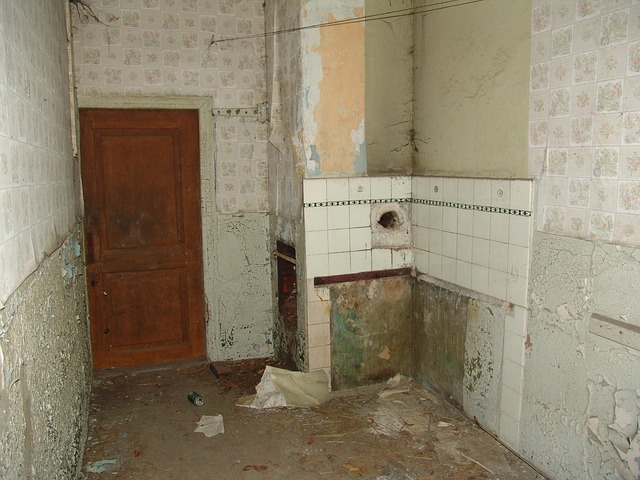
Before you start any renovation work, thorough planning and preparation are vital. Begin by outlining the scope of your project and creating a detailed plan. Identify potential hazards and develop strategies to mitigate them. It’s essential to obtain the necessary permits and approvals from local authorities, ensuring that your renovation complies with building regulations and safety standards.
Investing time in preparation also involves securing the right tools and materials. Ensure that all equipment is in good working condition and suitable for the tasks at hand. Familiarise yourself with the proper use of each tool to avoid accidents caused by misuse.
Personal Protective Equipment (PPE)
Wearing appropriate personal protective equipment (PPE) is non-negotiable during a renovation. Basic PPE includes safety goggles, gloves, dust masks, ear protection, and sturdy footwear. Depending on the nature of your renovation, you might also need hard hats, knee pads, and full-body suits.
Safety goggles protect your eyes from dust, debris, and chemical splashes. Gloves safeguard your hands from sharp objects and harmful substances. Dust masks are essential when dealing with materials that generate airborne particles, such as sanding wood or mixing cement. For moving heavy items, consider using tools such as sack trucksto help reduce strain and reduce the chance of injury. Ear protection is crucial if you’re using loud machinery, as prolonged exposure to high noise levels can lead to hearing damage.
Electrical Safety When Renovating a Home
Electrical work is a common aspect of many home renovations, and it requires meticulous attention to safety. Always turn off the power at the circuit breaker before starting any electrical work. Use a voltage tester to confirm that the power is off before handling wires or outlets.
If your renovation involves extensive electrical work, it’s wise to hire a licensed electrician. Attempting complex electrical tasks without the necessary expertise can lead to severe injuries or even fires. Ensure all wiring is up to code and that new installations are properly grounded.
Safe Handling of Tools and Equipment
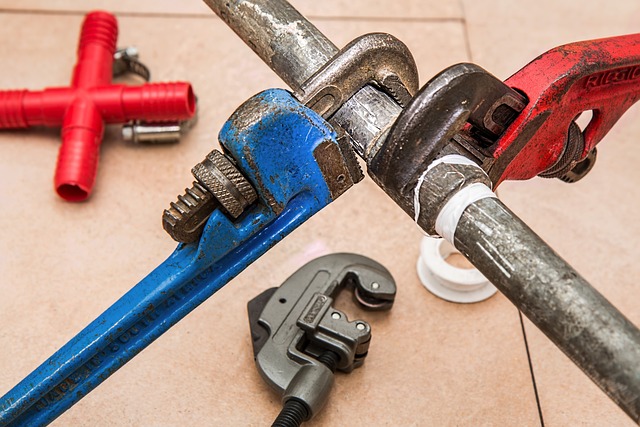
Using tools and equipment safely is paramount to preventing injuries. Always read the manufacturer’s instructions before operating any machinery. Keep your tools clean, well-maintained, and properly stored when not in use.
When working with power tools, use both hands to maintain control and stability. Avoid wearing loose clothing or jewellery that could get caught in moving parts. Never bypass safety features or remove guards from tools, as they are designed to protect you.
Ladder Safety
Ladders are indispensable for many renovation tasks, but they can be hazardous if not used correctly. Ensure your ladder is in good condition and set up on a stable, level surface. Never overreach while on a ladder; instead, move the ladder to maintain a safe working position.
When climbing a ladder, face the rungs and maintain three points of contact – two hands and one foot, or two feet and one hand. Avoid using the top rungs of the ladder, as this can destabilise it and increase the risk of falling.
Dealing with Hazardous Materials
Renovations often involve handling hazardous materials, such as asbestos, lead paint, and mould. These substances pose serious health risks if not managed properly. If you suspect the presence of hazardous materials, hire a professional to assess and remediate the situation.
For minor issues, such as mould, wear appropriate PPE and follow safety guidelines for removal and disposal. Ensure proper ventilation in the work area to minimise exposure to harmful fumes and dust.
Fire Safety
Renovation activities can increase the risk of fire, especially when using flammable materials or heat-producing tools. Keep a fire extinguisher readily accessible and ensure you know how to use it. Store flammable liquids in approved containers and away from ignition sources.
Be cautious with open flames, such as candles or torches, and never leave them unattended. If you’re welding or soldering, have a fire watch in place and keep the area clear of flammable materials.
Ensuring Structural Stability
Structural changes, such as removing walls or adding extensions, require careful consideration to maintain the stability of your home. Consult with a structural engineer to ensure that your plans won’t compromise the integrity of the building.
Support beams and load-bearing walls should never be altered without professional guidance. Temporary supports may be necessary during construction to prevent collapse. Always follow the engineer’s recommendations and local building codes.
Maintaining a Clean and Organised Worksite
A cluttered worksite can lead to accidents and injuries. Keep your workspace clean and organised by regularly removing debris and storing tools properly. Designate specific areas for waste disposal and recycling.
Ensure walkways are clear and free from tripping hazards. Proper lighting is essential, especially in areas with poor natural light. Use task lighting to illuminate your work area and prevent accidents caused by poor visibility.
Staying Informed and Educated When Renovating a Home
Finally, staying informed and educated about safety practices is crucial. Attend safety training sessions and keep up to date with the latest guidelines and regulations. Encourage everyone involved in the renovation to prioritise safety and report any hazards immediately.