Stem cells are the unsung heroes of regenerative medicine, holding immense potential for a wide range of applications. These unique cells have the capacity to develop into various cell types. This makes them a valuable resource for medical research and therapeutic interventions. This article will explore the fascinating world of stem cells and their diverse uses in science and medicine.
Table of Contents
Understanding Stem Cells
Stem cells are a special type of cell characterised by their ability to self-renew and differentiate into various cell types. They serve as the body’s natural repair system, contributing to tissue growth, maintenance, and repair throughout a person’s life. There are two main types:
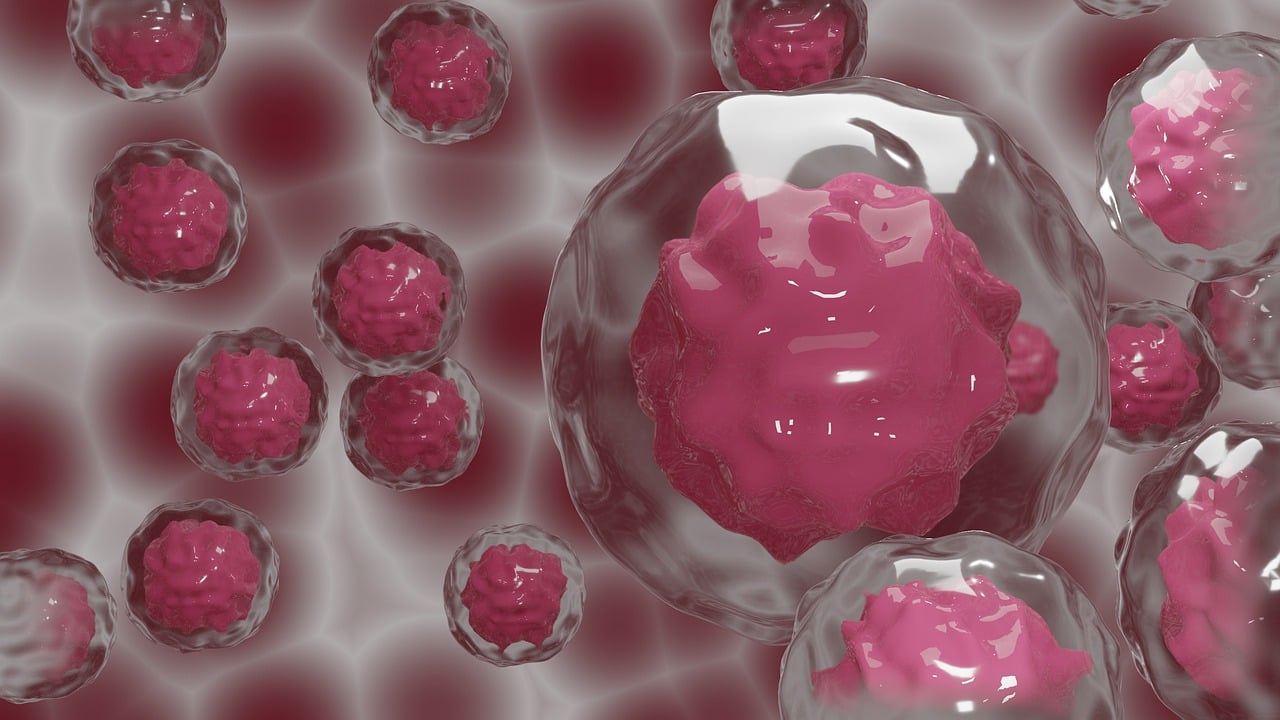
- Embryonic Stem Cells: These cells are derived from embryos and can differentiate into any cell type in the body. They are pluripotent, meaning they have the potential to become virtually any cell.
- Adult (Somatic) Stem Cells: Found in various tissues, such as bone marrow and the brain, adult stem cells are multipotent, meaning they can only become a limited range of cell types specific to the tissue where they reside.
Medical Applications of Stem Cells
- Tissue Regeneration: One of the most promising uses of stem cells is in regenerating damaged or diseased tissues and organs. Stem cell therapies have shown potential in treating conditions like heart disease, diabetes, and spinal cord injuries.
- Bone Marrow Transplants: Hematopoietic stem cells found in bone marrow are used in bone marrow transplants to treat various blood-related disorders, such as leukemia and lymphoma.
- Treatment of Neurodegenerative Diseases: Stem cells are being investigated for their potential to treat neurodegenerative diseases like Parkinson’s and Alzheimer’s by replacing damaged neurons with healthy ones.
- Burn Victims: Stem cell-based therapies can aid in regenerating skin and treating burn victims, helping to minimise scarring and promote faster healing.
- Orthopedic Medicine: Mesenchymal stem cells can be used to repair damaged cartilage and bone in orthopedic treatments, making them a valuable asset in joint and bone repair.
- Eye Disorders: Researchers are exploring the use of stem cells to treat conditions like macular degeneration and retinal disorders, potentially restoring or preserving vision.
- Heart Disease: Cardiac stem cells have shown promise in regenerating heart tissue damaged by heart attacks and other cardiac conditions.
- Chronic Pain Management: Stem cell therapies are being investigated as potential treatments for chronic pain conditions. Companies like bioxcellerator.com, offer the possibility of pain relief and improved quality of life for individuals living with long-term pain.
Stem Cells in Research
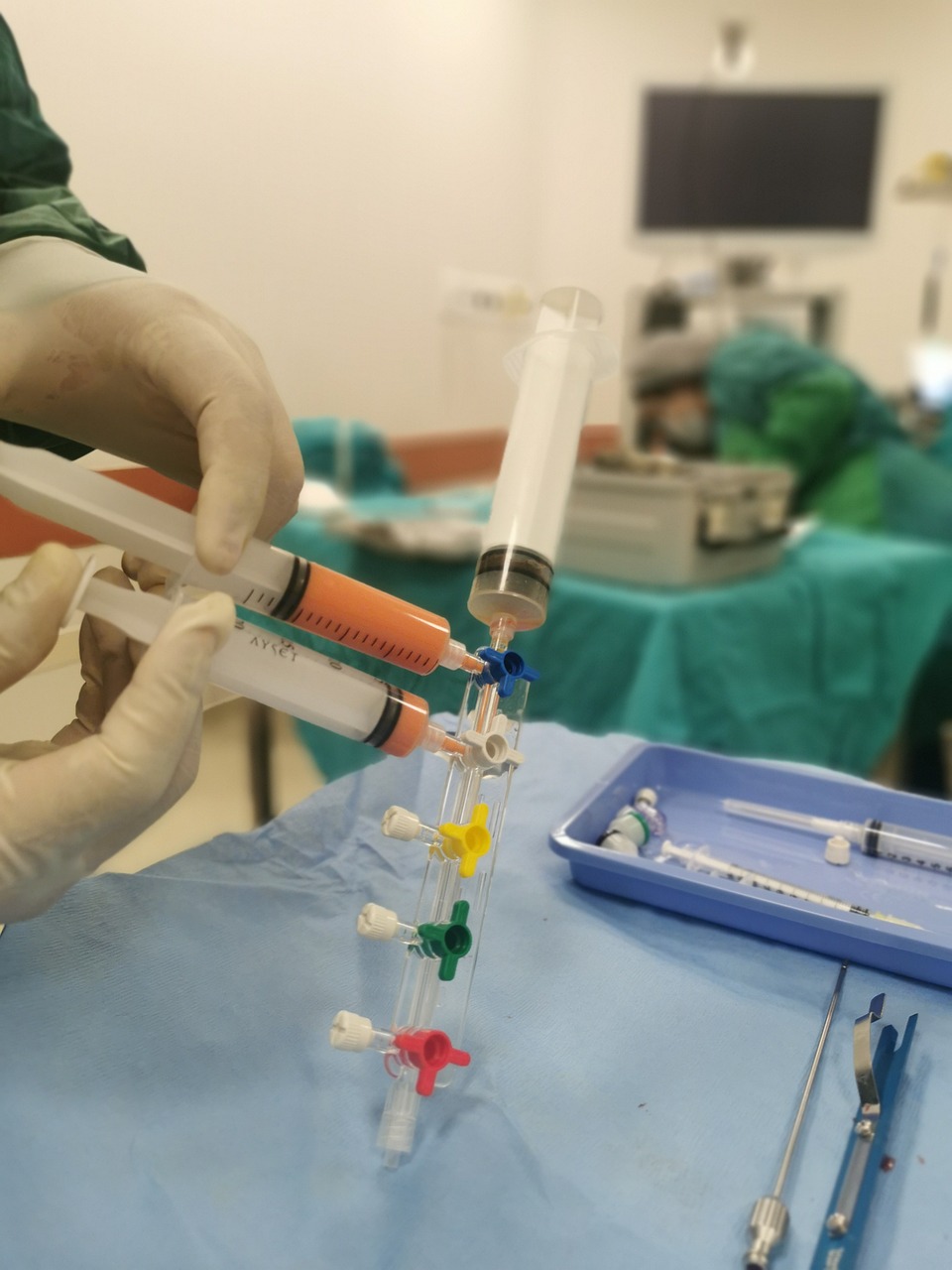
- Drug Development and Testing: Stem cells are invaluable for studying diseases and testing potential drugs. They can be used to create disease models and assess the efficacy and safety of new medications.
- Cell-Based Therapies: Stem cells are being investigated for their potential to produce cell-based therapies for a variety of diseases. Including diabetes and various genetic disorders.
- Cancer Research: Stem cells play a role in understanding the development and progression of cancer. Researchers are exploring their potential for targeted cancer treatments.
- Developmental Biology: Stem cells are crucial for studying embryonic development, allowing scientists to gain insights into early human development.
Conclusion
Stem cells hold enormous promise for revolutionising medicine and scientific research. Their diverse uses, from regenerating damaged tissues to advancing our understanding of diseases, have the potential to improve the lives of countless individuals. As ongoing research continues to expand our knowledge of stem cells, the medical and scientific communities are optimistic about harnessing the full potential of these remarkable cells to address a wide array of health challenges, including chronic pain management.