Mass tourism is losing its grip. The days of treating travel like a competitive sport, ticking off landmarks just to say you’ve been, are fading. People want a route that fits their specific rhythm now, not a generic template. When travellers look at a map today, they shouldn’t see a checklist of obligations. They should see opportunities for genuine interests, whether that is tracing art history or finding the best coastal hiking trails.
Personalised travel means cutting out the noise to focus on what actually matters to the individual. This approach changes a trip from a standard holiday into something that feels properly owned. It requires more thought, but the payoff is decidedly worth the extra effort.
Table of Contents
Japan

Japan can feel overwhelming due to the language barrier and the sheer density of its cities. A tailored approach is essential to balance the neon intensity of Tokyo with the quiet of the Kiso Valley. Most standard tours rush through the Golden Route, but stepping off that path reveals a quieter side of the country. Planning a trip around interests like pottery in Kyushu or skiing in Hokkaido makes the country feel more accessible. It’s about finding the right mode of transport to suit the specific geography, rather than just following the crowd on the main lines.
For those wanting to see the archipelago from a different perspective, luxury small ship cruises in Japan offer access to remote islands and ports that the Shinkansen simply cannot reach. It solves the luggage logistics problem completely, which is often a major headache. Seeing the Seto Inland Sea from the water provides a context that moving through tunnels on a fast train often misses entirely. It is a slower, distinct way to travel that connects the coastal dots without the frenzy of major train stations.
Italy
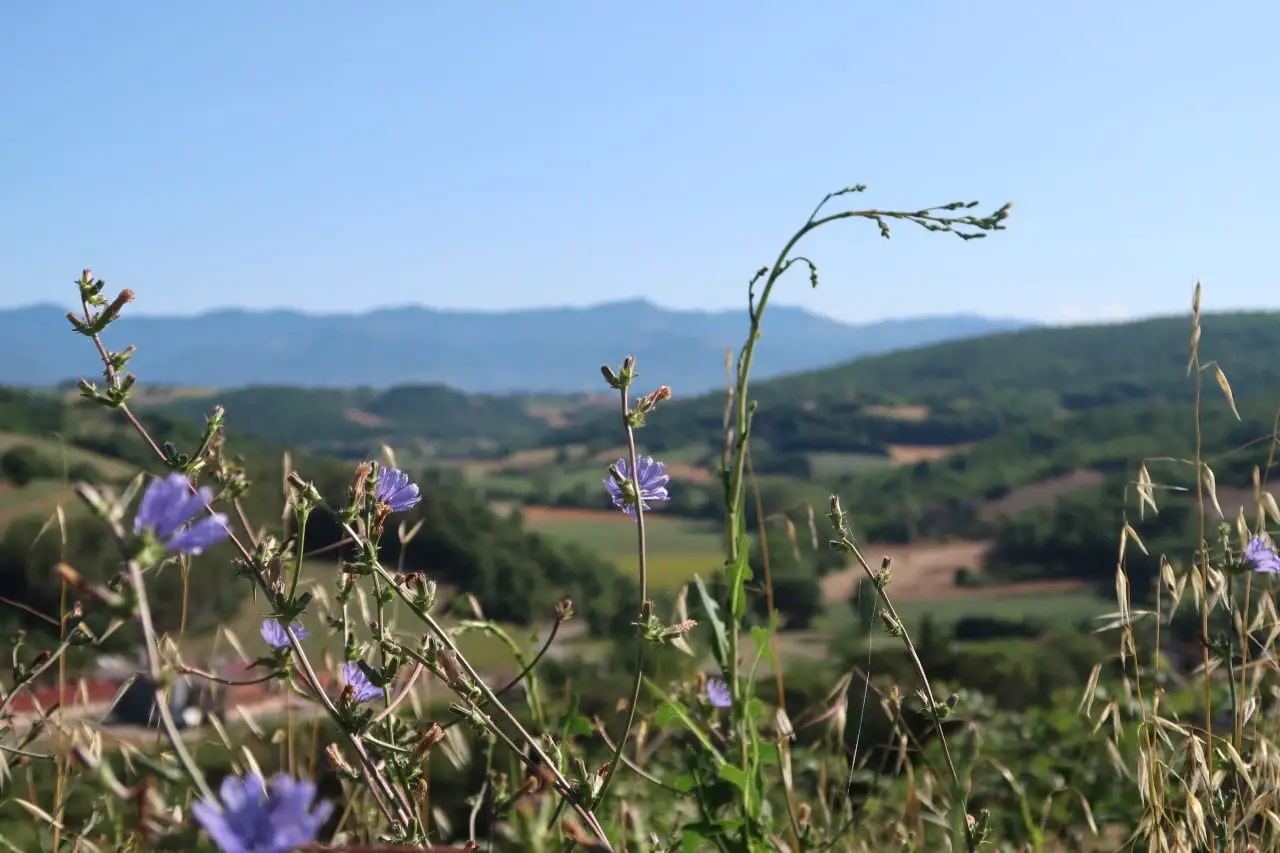
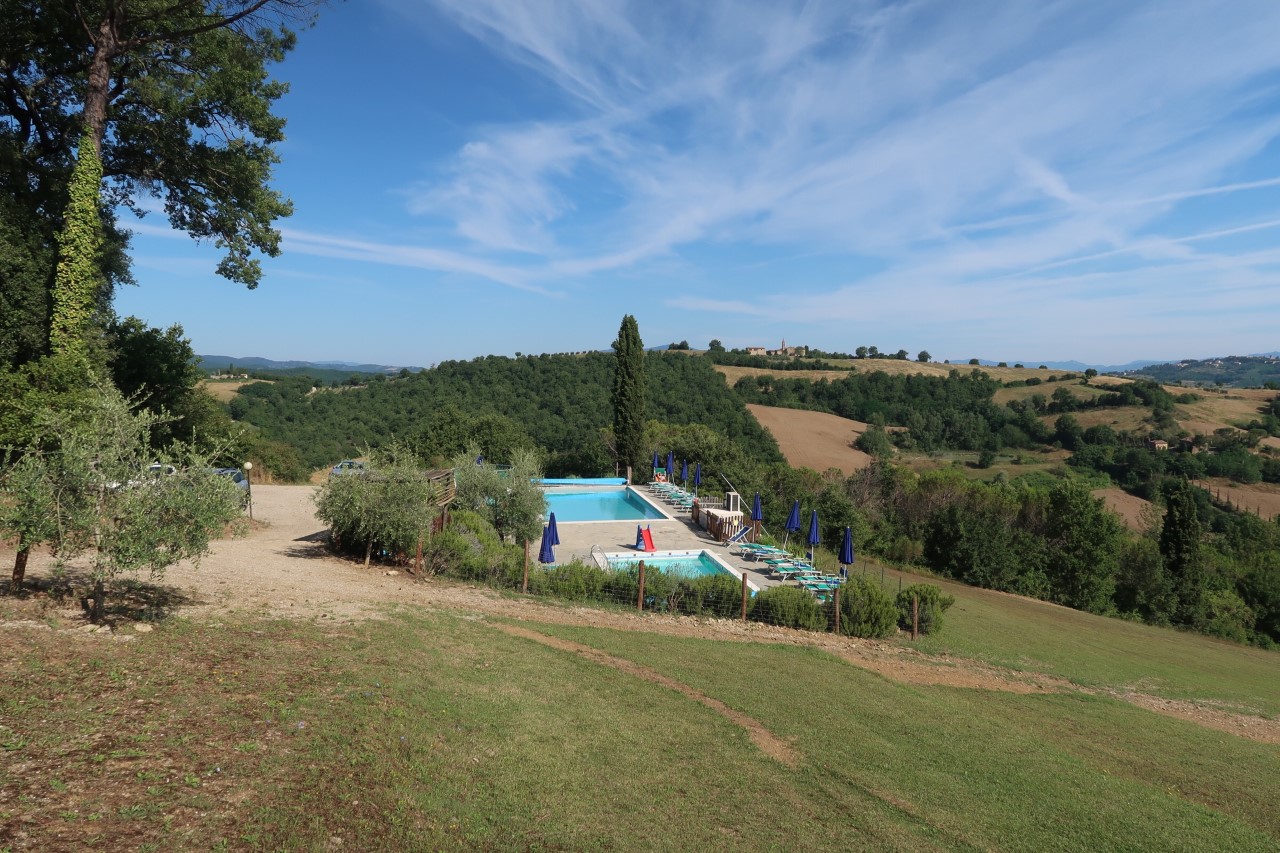
Italy often suffers from over-tourism, but that usually happens because people try to do too much in one go. A curated itinerary here works best when it ignores the main train line between Rome, Florence, and Venice. Instead, focusing on a single region changes the dynamic entirely. Puglia, for instance, offers a completely different atmosphere with its masserie stays and coastal drives compared to the museum-heavy days people experience in the north. It allows for a slower pace where lunch isn’t a quick pitstop but a significant, enjoyable part of the day.
Renting a car creates freedom that trains cannot match. It opens up small towns like Matera or the hilltops of Umbria where schedules don’t really exist. Customising a trip here means picking a base and radiating outwards rather than moving hotels every two nights. It removes the stress of packing and unpacking, leaving more time to understand how the locals live. Staying put allows you to find the best coffee spot, the quietest beach, and the rhythm of daily life, which is frankly the best part of Italian culture anyway.
Australia
Australia is massive, and treating it like a small island is a common mistake. A personalised trip here demands a choice between distinct zones, such as the tropical north or the rugged expanse of Western Australia. Trying to see the Reef, the Rock, and Sydney in ten days usually results in spending most of the time in airports. A better strategy involves spending time in a region like Tasmania, where driving distances are manageable and the landscape changes every hour. It keeps the holiday grounded and stress-free.
If the goal is to see the remote outback without sacrificing comfort, travellers should try bespoke luxury holidays that focus on private charters or high-end lodges. This ensures access to places like the Kimberley coast or the Flinders Ranges without the fatigue of long-haul driving. It turns a logistical challenge into a seamless experience, allowing focus to remain on the environment rather than the map. By cutting out the twelve-hour drives, you gain hours of actual experience on the ground, listening to the silence of the bush rather than the hum of an engine.
Peru
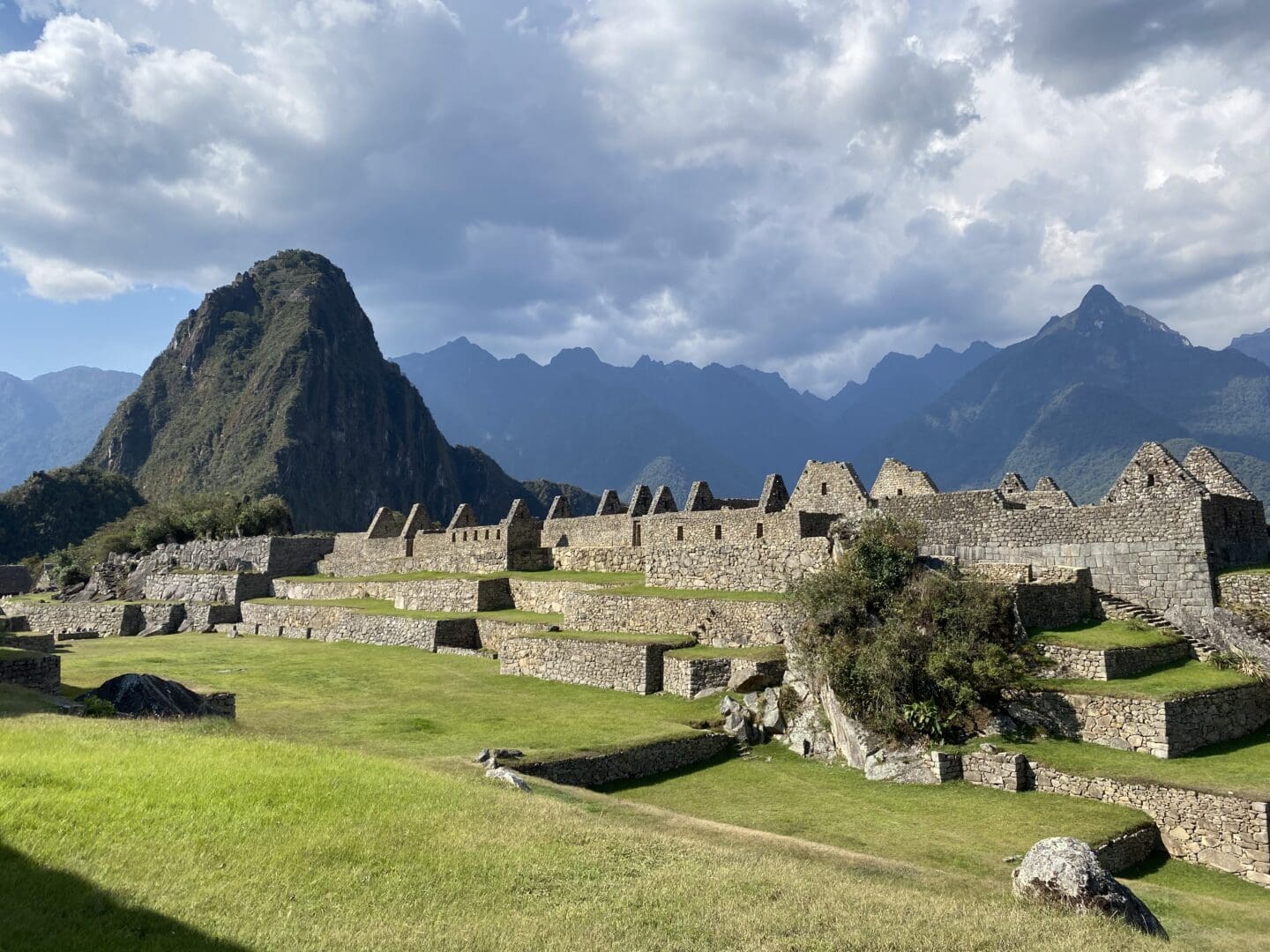
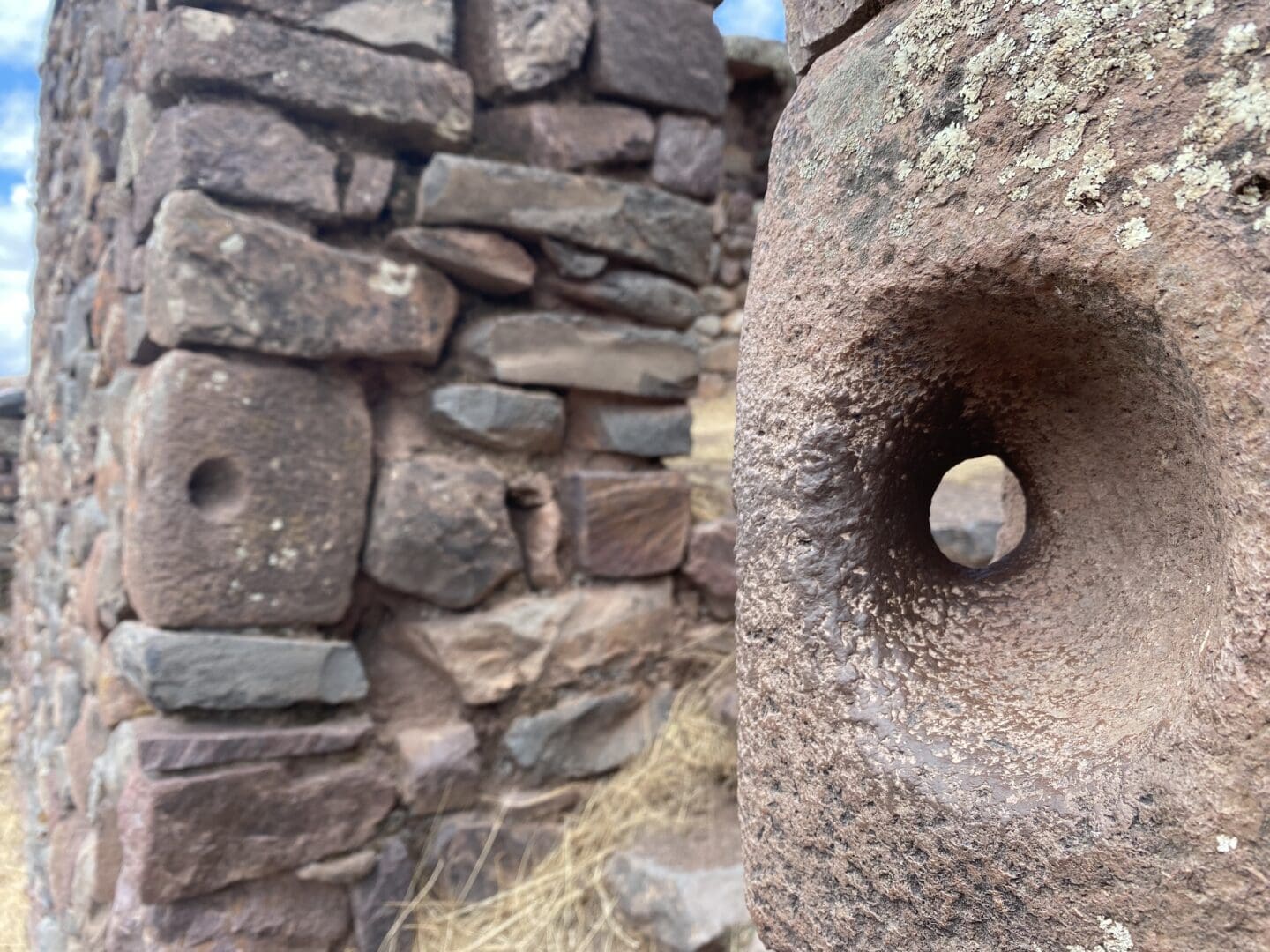
Peru is often reduced to a single bucket-list item, but a well-planned trip looks beyond just the one famous citadel. Personalisation here is largely about managing altitude and pace. Starting in the Sacred Valley rather than Cusco helps the body adjust and offers a calmer introduction to the Andes. It allows for exploration of agricultural terraces and market towns like Pisac before the crowds arrive. The geography dictates the flow, and fighting against the altitude is rarely a winning strategy for a good holiday.
Lima also deserves proper attention as more than just a layover. The culinary scene there is sophisticated and tells the history of the country through ingredients. A tailored itinerary creates space for these urban experiences alongside the trekking. It balances the physical exertion of the mountains with the cultural depth of the coast. This mix provides a fuller picture of what Peru actually is today, offering a narrative that connects the ancient history of the highlands with the modern vibrancy of the capital.
Botswana
A safari in Botswana is not a generic wildlife experience; it is highly dependent on water levels and seasons. Curating a list here means understanding the difference between the wet and dry seasons in the Okavango Delta. In the high water season, which curiously happens during the dry winter months, boats and mokoros replace game drive vehicles. This changes the perspective from chasing predators to watching birdlife and smaller details. A good itinerary mixes a water-based camp with a land-based one to ensure variety in what is seen daily.
Private concessions offer a level of freedom that national parks do not, such as night drives and off-roading. Personalising a trip often involves paying for this exclusivity to avoid convoys of vehicles around a single lion. It is about prioritising the quality of sightings over quantity. The right planning ensures that the isolation of the bush is preserved, which is arguably the main reason to go there. You want to feel alone in the wild, and specific concessions are the best way to guarantee that solitude.
So, is a custom itinerary worth the extra planning time?
Building a travel list that reflects personal taste takes more work than buying a package. It involves research, difficult choices, and an honest assessment of how one likes to spend their days. Yet, the result is a journey that fits properly. It removes the friction of following a crowd and replaces it with experiences that resonate on a personal level. The memories that stick are rarely the famous monuments; they are the small, unplanned moments that happen when the schedule allows for them. Investing time in the planning phase pays dividends when you are finally on the ground.