Disclosure: This is a collaborative post about family gatherings.
Family gatherings are unique events, often filled with a mix of personalities, opinions, and emotions. At the heart of these events is the desire to connect, share, and create lasting memories. However, the diversity of thoughts and feelings can sometimes lead to misunderstandings or conflicts. It’s crucial, therefore, to understand how to navigate these dynamics effectively. This article aims to provide practical tips on fostering harmonious interactions during family gatherings. By focusing on effective communication strategies and planning inclusive activities, we can create an atmosphere where every family member feels valued and engaged, thereby enhancing the overall experience of these precious moments together.
Table of Contents
Effective Communication Strategies: Ensuring Everyone Feels Heard and Valued
Communication is the cornerstone of successful family gatherings. It’s not just about talking but listening actively and empathetically. To ensure everyone feels heard, it’s important to create an environment where each person can express themselves without fear of judgement or dismissal. This involves being patient, avoiding interruptions, and showing genuine interest in what others have to say. It’s also helpful to be aware of non-verbal cues, as much of our communication is unspoken. Encourage open discussions where differing opinions are respected. Remember, effective communication isn’t about agreeing on everything; it’s about understanding and valuing each other’s perspectives. This approach fosters a sense of belonging and respect, making family gatherings more enjoyable and meaningful for everyone involved.
Planning Inclusive Activities: Fun for All Ages and Interests
Family gatherings are the perfect opportunity to strengthen bonds through shared activities. When planning these, consider the varied interests and ages of all family members. Activities should be inclusive, catering to both young and old, and accommodating different levels of mobility and skill. Simple games, storytelling sessions, or group cooking activities can engage everyone and provide opportunities for collaboration and laughter. These shared experiences not only create fun memories but also reinforce connections and understanding among family members. By thoughtfully selecting activities that everyone can participate in, you’re sending a clear message: every family member is valued and plays a crucial role in the family unit.
Resolving Conflicts with Compassion: Tips for Peaceful Problem-Solving

When conflicts arise within the family, approaching them with compassion can be the key to finding peace. It’s essential to address issues calmly and constructively, allowing each person to speak without fear of repercussion. Start by acknowledging the feelings involved and the perspectives of each party. Use ‘I’ statements to express your own viewpoint without casting blame. Seek common ground or mutual benefits that address the concerns of everyone involved. It can be beneficial to have a neutral family member facilitate the discussion to maintain focus on resolution. Remember, the goal isn’t to win an argument but to resolve the conflict in a way that strengthens the family bond. Solutions forged with compassion lay the groundwork for healthier relationships and future interactions.
Legacy Planning as a Family: Building a Shared Vision for the Future
Legacy planning is a profound way for a family to bond over a shared vision of the future. It goes beyond material assets, embracing values, stories, and traditions that define a family’s heritage. However, it’s crucial to approach this process with openness and clear communication to ensure that all voices are heard and respected. Sometimes, differences in opinion may lead to discussions about contesting a will, which can be a delicate topic. Grounds for contesting a will often revolve around concerns of fairness, capacity, and due influence, requiring sensitive and careful conversation. Address these concerns early in the planning process to minimise the potential for conflict later on. By jointly understanding the reasons behind each decision, families can create a lasting legacy that honours the individual while supporting the collective.
Creating a Welcoming Environment: Setting the Tone for Positive Interactions
The atmosphere of a family gathering can significantly influence the quality of interactions. Creating a welcoming environment starts with the physical space, ensuring it’s comfortable and accommodating for all. It extends to the emotional atmosphere too; a warm, inviting mood encourages open conversation and connection. Be attentive to the needs of your guests, offering refreshments, seating, and engaging in thoughtful conversation. Small gestures, such as personal greetings at the door or helping someone to their seat, can make a substantial difference. A welcoming environment sets the stage for positive experiences, allowing family members to relax and enjoy the company of one another.
Balancing Traditions and New Ideas: Honouring the Past While Embracing Change
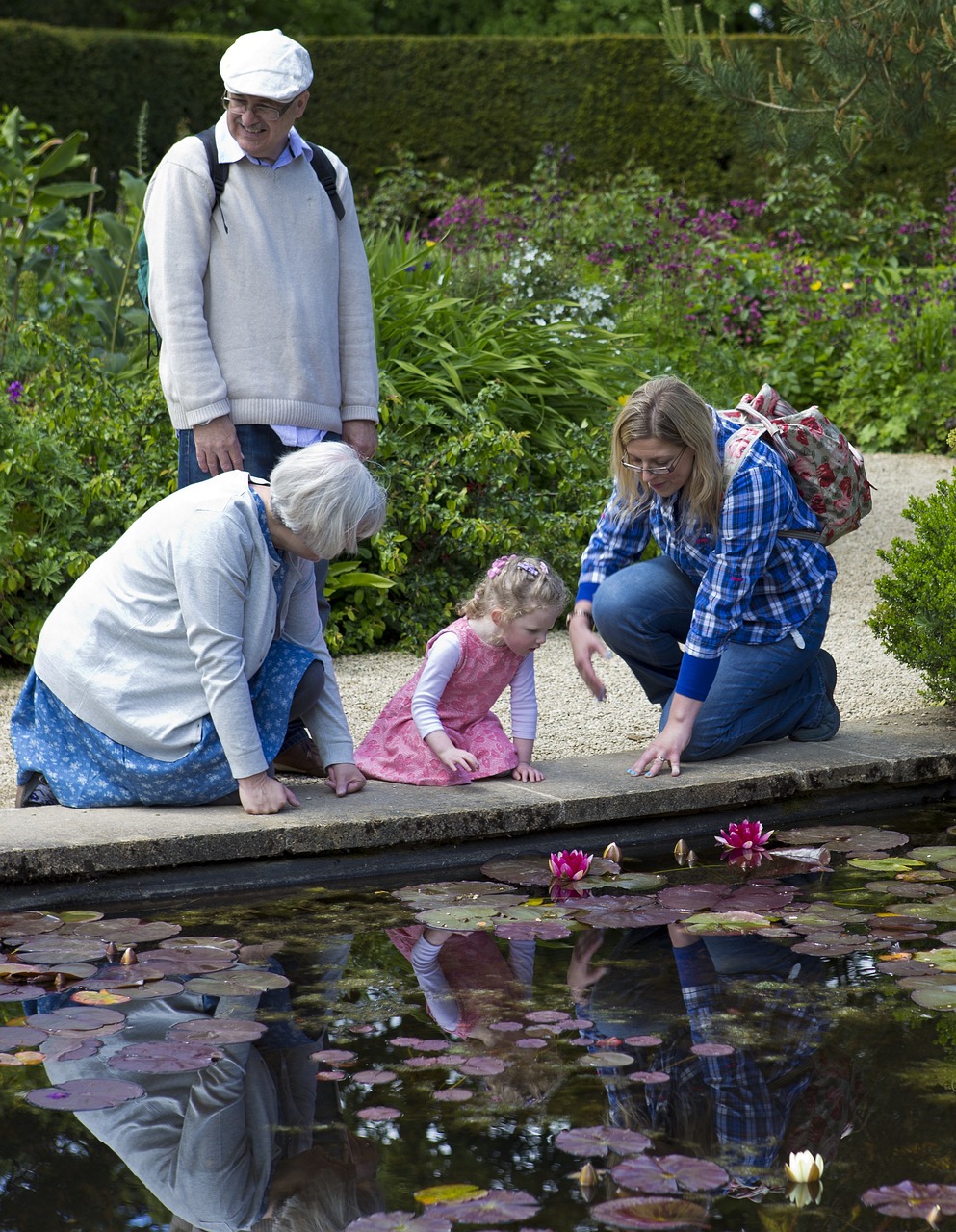
Traditions serve as the backbone of family heritage, yet there’s always room for new ideas to keep gatherings fresh and inclusive. Honouring the past might involve cherished rituals or recounting family stories that connect generations. Introducing new ideas can be as simple as incorporating a different cuisine into a family meal or starting a new gamethat becomes part of your gatherings. Balance is key; while respecting the traditions that offer a sense of continuity, be open to change that can bring a new energy to family events. This balance ensures that everyone feels a sense of belonging and that the family legacy continues to evolve with each generation.