Costa Rica is one of those destinations that sounds almost too perfect for a family holiday. Rainforest? Tick. Beaches? Tick. Monkeys, sloths, volcanoes, hot springs, and enough tropical fruit to keep even the fussiest child interested? Definitely tick. It really is a brilliant place to travel with children, but it is not the sort of country where you can throw a few places into a two-week itinerary and expect every travel day to be quick and easy.
Table of Contents
Choose Your Arrival Airport Around Your Route
Costa Rica has two main international gateways: San José, in the Central Valley, and Liberia in the northwest. Neither is automatically the “best” airport; it depends entirely on where you want to go next.
San José suits central and southern routes; Liberia suits Guanacaste and northwest beaches. Open-jaw flights can cut out a long return journey.
If you are arriving late, or travelling with tired children and a mountain of hand luggage, arranging a Costa Rica private airport transfer for the first leg can be a very easy win. There is something lovely about not having to think about directions, cash, or finding a car-hire desk after a long flight. You can simply get everyone into the vehicle and begin the holiday.
Do Not Try to See the Whole Country
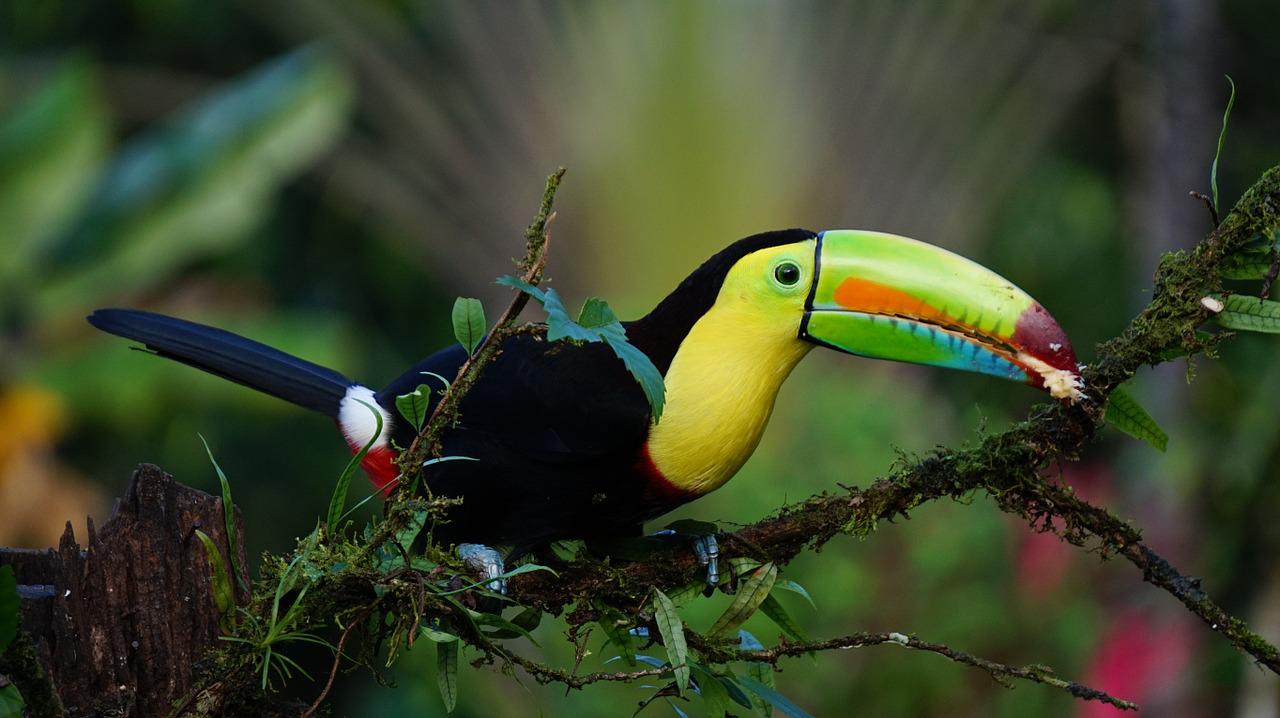
This is the hardest bit, especially when you start looking at photographs. You will want cloud forest, volcanoes, beaches, turtles, waterfalls, and perhaps a trip to the Osa Peninsula too. But trying to visit every famous place means changing accommodation constantly, and that is exhausting with children.
For a first family visit, three bases is usually plenty. A very manageable route could include the Central Valley or La Fortuna, Monteverde, and Manuel Antonio. Alternatively, choose La Fortuna and two beach stops in Guanacaste. You will still see vastly different landscapes, but you will not spend every second day packing wet swimsuits and persuading someone that their soft toy has not been left behind.
Think Carefully About How You Will Get Around
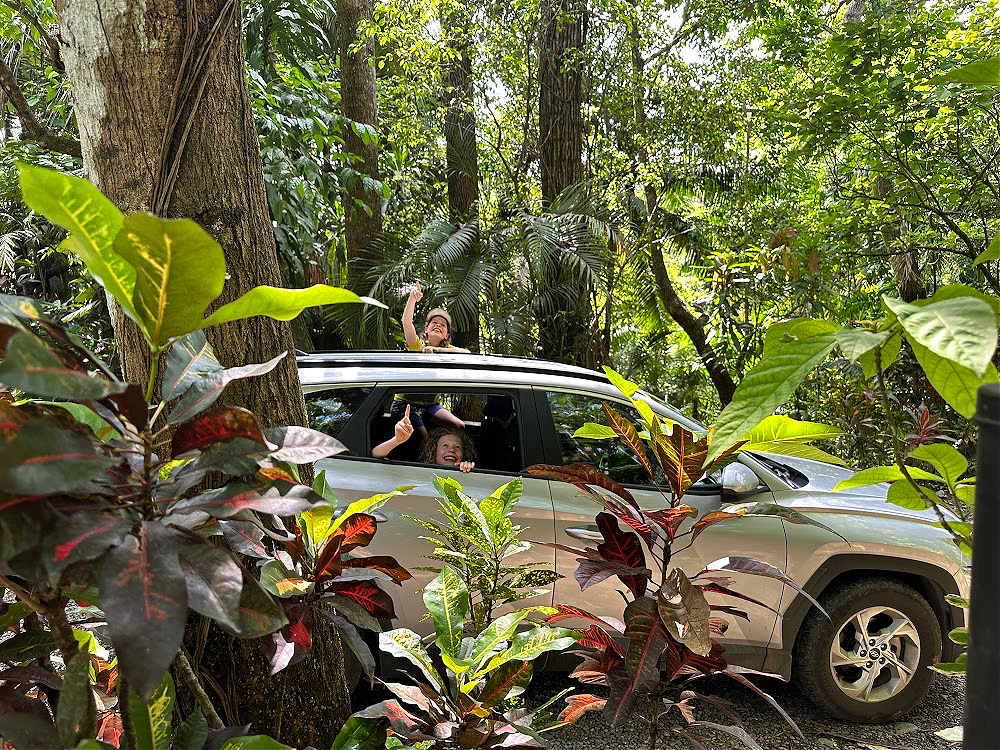
Hiring a car gives families lots of freedom. You can stop for snacks, take your time at viewpoints, and choose accommodation outside busy town centres. It also makes days out far easier if your children are still small, need a nap, or have had enough of being somewhere hot and busy.
However, driving is not the only option. Some roads are smooth and easy, while others are winding, steep, potholed, or unpaved. Driving on the opposite side of the road can also feel more tiring than expected, particularly after a flight. For point-to-point travel, a Costa Rica private shuttle service can be a relaxed alternative. The children can look for toucans from the window, adults can enjoy the scenery, and nobody needs to concentrate on an unfamiliar road.
Pack for Mud, Rain, and Air Conditioning
Costa Rica may be tropical, but you should not pack only shorts and sandals. Rain can arrive very quickly, especially in forested and mountainous areas. We would bring lightweight waterproof coats, shoes with a decent grip, a small dry bag for phones and cameras, and spare clothes that are easy to pull on after a sudden downpour.
Make Wildlife Viewing Easy for Everyone

Take small binoculars if you have them, and let each child have a simple wildlife checklist. Monkeys and iguanas are often easy wins, but the quieter sightings can be just as exciting: a colourful frog, a line of leafcutter ants, or a hummingbird hovering at a flower. Go to national parks early, before the heat builds and before paths become busy.
Most importantly, do not feed animals, even when they come close. The monkeys may look adorable, but food changes their behaviour and can make them far too bold around visitors. A good guide can be worth the cost for a first rainforest walk, as they can point out tiny creatures you would otherwise walk straight past.
Choose Beaches With Your Family in Mind
Not every beautiful beach is automatically a good swimming beach. Some Pacific beaches have strong waves and currents, which are brilliant for surfers but not ideal for young children who want to paddle. Check local conditions, follow flags and signs, and ask at your accommodation where is safest for the day.
Keep Food Simple, but Try Local Favourites
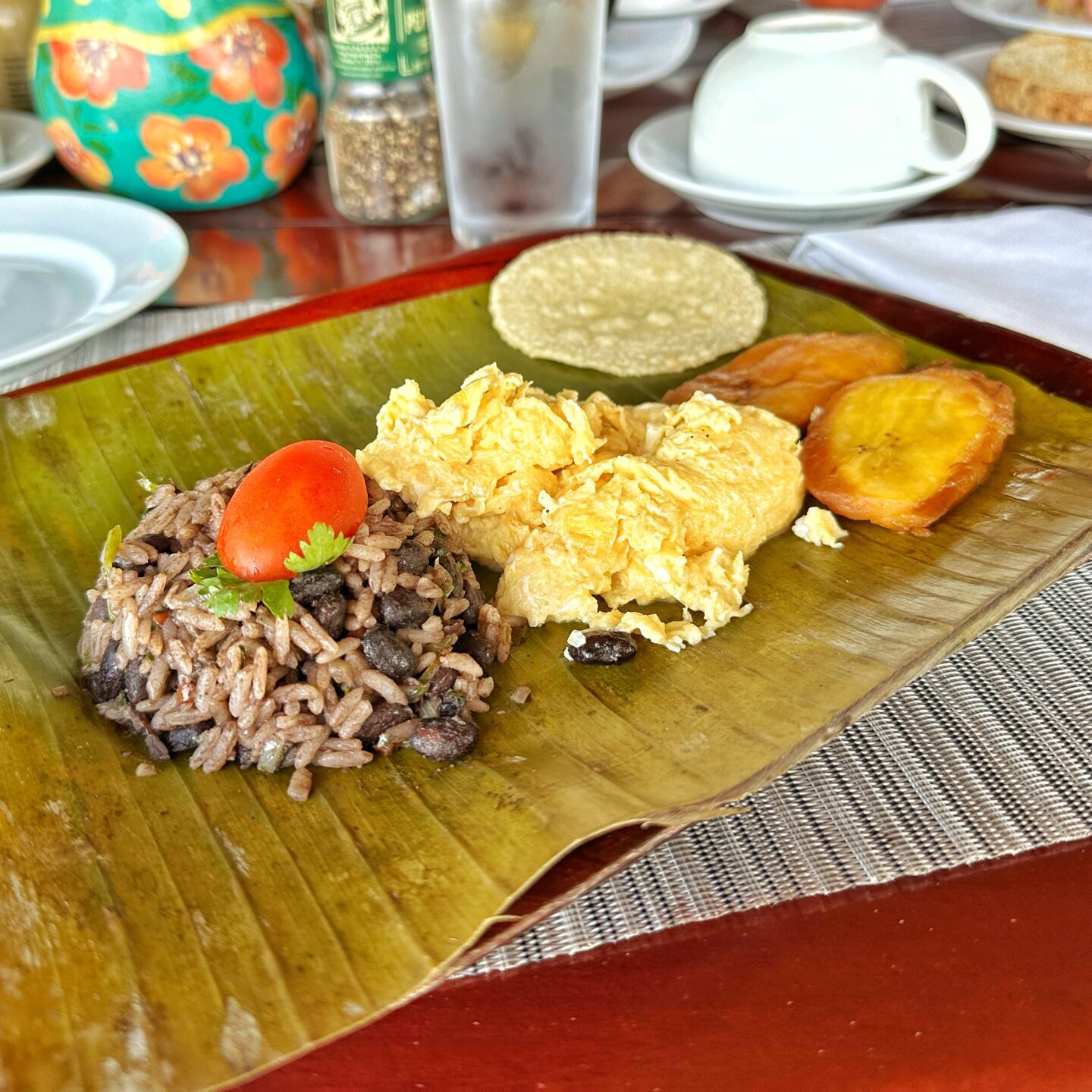
One of the nicest things about Costa Rica with children is that meals do not need to be complicated. Gallo pinto, the familiar mix of rice and beans, is served everywhere and is usually easy for children to try. A casado meal gives adults a simple plate of rice, beans, salad, plantain, and a choice of protein. Fresh fruit, smoothies, grilled chicken, and chips are easy to find too.
Look for small local restaurants, often called sodas, rather than assuming every meal needs to be at a tourist restaurant. They are usually relaxed places for families and a good way to make lunch part of the experience. Do carry snacks, though. A hungry child in the middle of a long drive does not become more patient just because there is a volcano outside the window.
Leave Room for a Rainy-Day Plan
Costa Rica works best when you do not expect to control every moment. Plan the important things, build in extra time, and then let the country surprise you. The best bit might be the volcano view you hoped for, but it could just as easily be the tiny frog the children spot on the path back from dinner.
One final tip: give every child a small job, whether that is carrying binoculars, choosing a snack stop, or ticking animals off a list. It makes long journeys feel like part of the adventure, rather than time spent waiting for the next exciting thing to happen.