Painting with children sounds lovely right up until you picture the mess, the spilled water, and the small voice announcing that the picture is ruined. I felt the same way before we made watercolour a regular part of our week. The thing that changed my mind is that watercolour is genuinely forgiving, and you do not need to be artistic to enjoy it with your kids. It is one of the calmest, most open-ended activities you can offer, it fits neatly into home education or a slow weekend, and it works just as well for a four year old as it does for a parent who has not picked up a brush since school. Here is how to start without any pressure.
Table of Contents
Forget the masterpiece and focus on the process
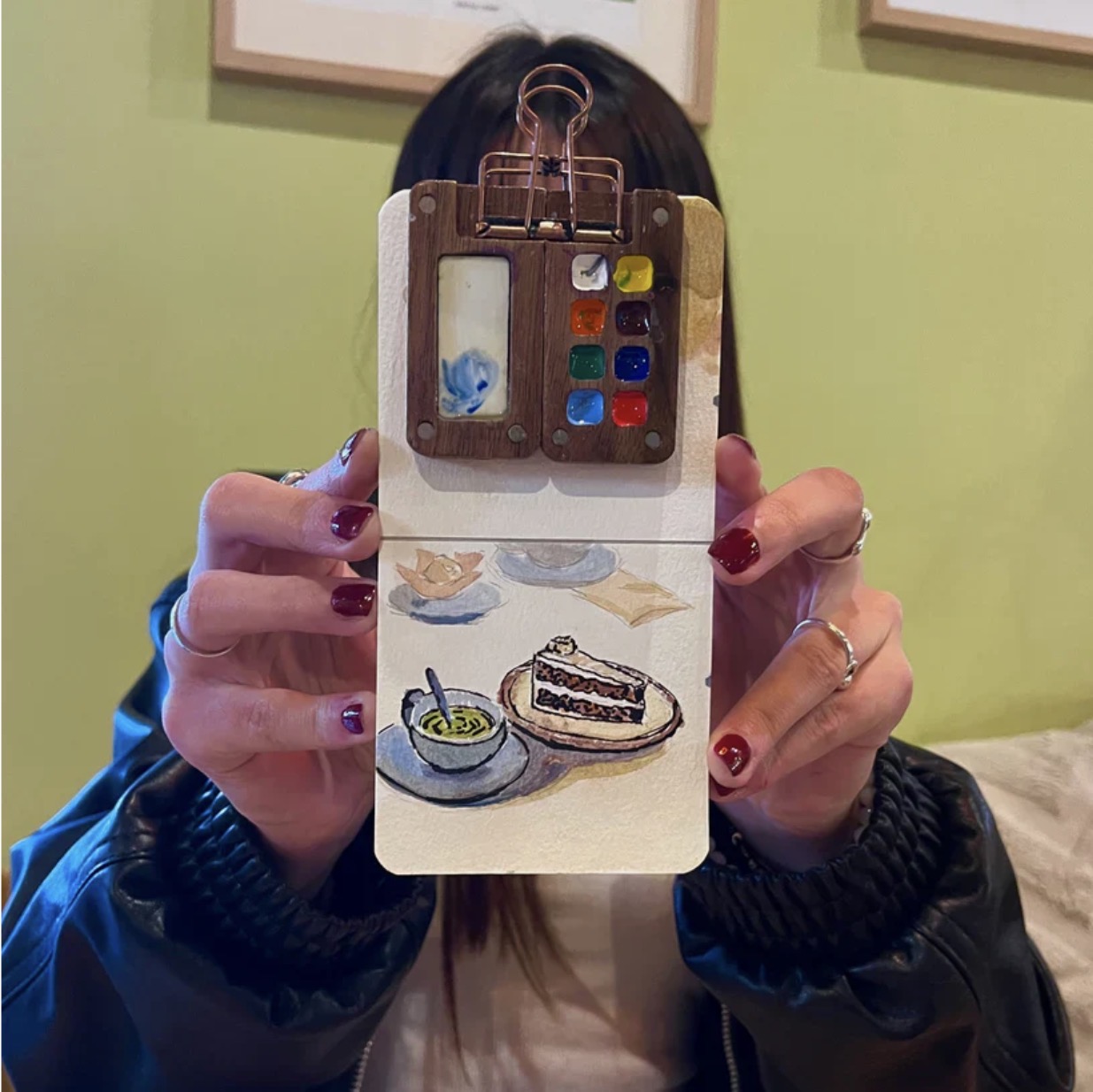
The single most useful shift is to stop caring about the finished picture. With children, the value is in the doing, not the result. Watercolour is perfect for this because it rewards experimenting. Drop one colour into a wet patch of another and watch them bleed together, and you have a small science lesson and an art lesson in the same moment. When you treat it as play rather than performance, the pressure disappears for everyone, and the inevitable wonky tree or muddy puddle becomes part of the fun instead of a reason to give up. Praise the effort and the curiosity rather than the outcome, and let the paper be a place where nothing has to look right.
What you actually need to get started
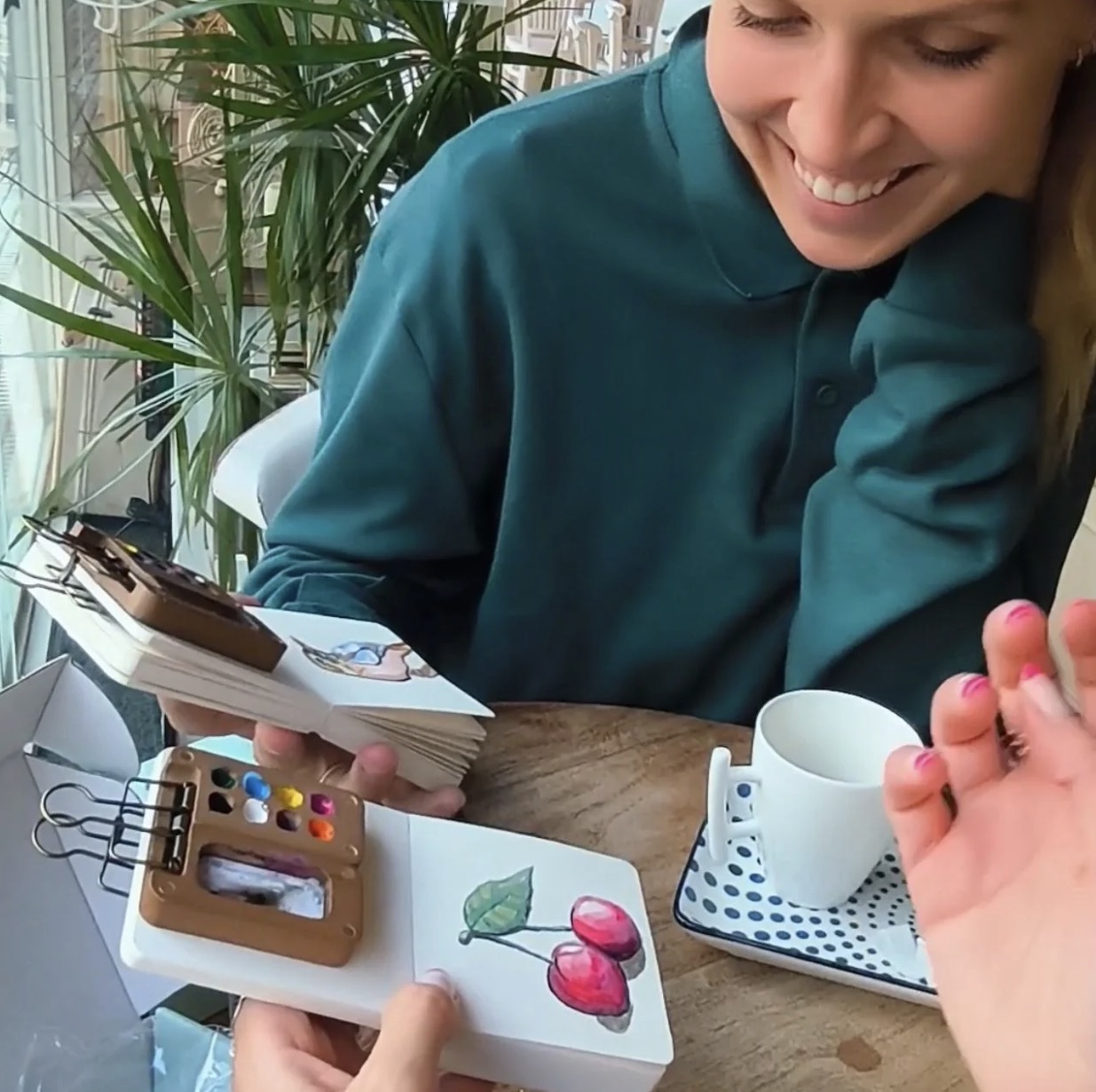
You need far less than you think. A few good colours, a brush, some water, and paper that can handle a bit of moisture will get you a long way. The most important thing is choosing paints that behave well, because cheap sets that go chalky or muddy will frustrate a child quickly and put them off the whole idea.
Look for a beginner-friendly watercolour paint set that works for little hands and grown-ups, so you are not buying twice and so you can sit and paint alongside them rather than just supervising. Keep everything on a wipeable surface, put down an old towel, and use a cup of water that is easy to reach. A simple, contained setup means you will say yes to painting far more often, and saying yes often is what turns a one-off activity into a habit.
Use nature as your endless supply of ideas
If you ever run out of things to paint, look out the window. Nature is the easiest and richest subject for children, and it pairs perfectly with the kind of outdoor, hands-on learning many home educating families already do. Collect a few leaves, a flower, or an interesting stone on a walk and bring them home to paint. Try mixing the exact green of a leaf, or the soft pink inside a petal, and you have turned a simple object into a proper colour-mixing challenge. You can paint the same tree across the seasons, sketch birds from the window, or make a little painted nature journal that grows over the year. It keeps the activity fresh, connects it to the world right outside your door, and quietly builds observation skills that feed into science and writing too.
Easy first projects to try
If you would like a little more structure than a blank page, start with a few classic beginner projects that almost always work. A simple rainbow teaches colour order and blending. A row of trees or hills lets children practise washes without worrying about detail. Painting the weather, a grey rainy sky or a bright sunny one, is forgiving and fun. Older children often enjoy painting their name in bubble letters and filling each one with a different colour. None of these require drawing skill from you, and each one gives a satisfying result that encourages them to do another. Rotate through a few of these and you will rarely hear that they do not know what to paint.
Keep sessions short and handle the mess calmly
Children do their best creative work in short bursts, so resist the urge to make painting into a long, formal lesson. Twenty minutes is plenty, and stopping while they are still enjoying it means they will be keen to come back. As for the mess, a little preparation removes most of the stress. Old shirts or aprons, a wipeable mat, and a sealed water cup mean a knocked-over drink is a non-event rather than a disaster. Let them choose what to paint as often as possible, because ownership keeps them engaged far longer than your suggestions will, and some days they will simply want to flood the page with colour, which is completely fine.
Turn it into a gentle learning activity
Because watercolour is so flexible, it slots easily into home education without feeling like a formal lesson. Painting the life cycle of a plant, the colours of the seasons, or a map of somewhere you have visited links art to science, geography, and storytelling all at once. You can label the parts of a flower you have just painted, or write a sentence about the bird you sketched from the window. For younger children, simply naming colours and mixing them is early learning in disguise. The beauty of it is that the learning happens naturally around the painting, so it never feels like work, and the finished pages make a lovely record of what they have explored.
Why it is worth making a regular thing
Watercolour gives children something screens cannot. It asks them to slow down, make decisions, and sit with a result that is not instant or perfect. It builds patience and fine motor control, it gives busy or anxious children a calm outlet, and it creates a quiet pocket of time you can share without anyone needing to be entertained. Best of all, it grows with them, so the same paints that a toddler splashes around with will still be useful when an older child wants to paint something detailed. Start small, keep it light, paint a few leaves together, and let it become one of those gentle routines your family actually looks forward to.