Air travel is a modern marvel that has connected the world like never before. But for all its conveniences, flying isn’t without its complications. One of the most frustrating experiences a traveller can encounter is a cancelled flight. Often causing disrupted plans, missed connections, and added stress. Fortunately, in many cases, passengers are not left helpless. Depending on where they’re flying from or to, and the reason behind the cancellation. They may be entitled to a refund, rebooking, or even financial compensation. Knowing your rights is the key to navigating these disruptions with confidence.
Table of Contents
What Is Considered a Flight Cancellation?
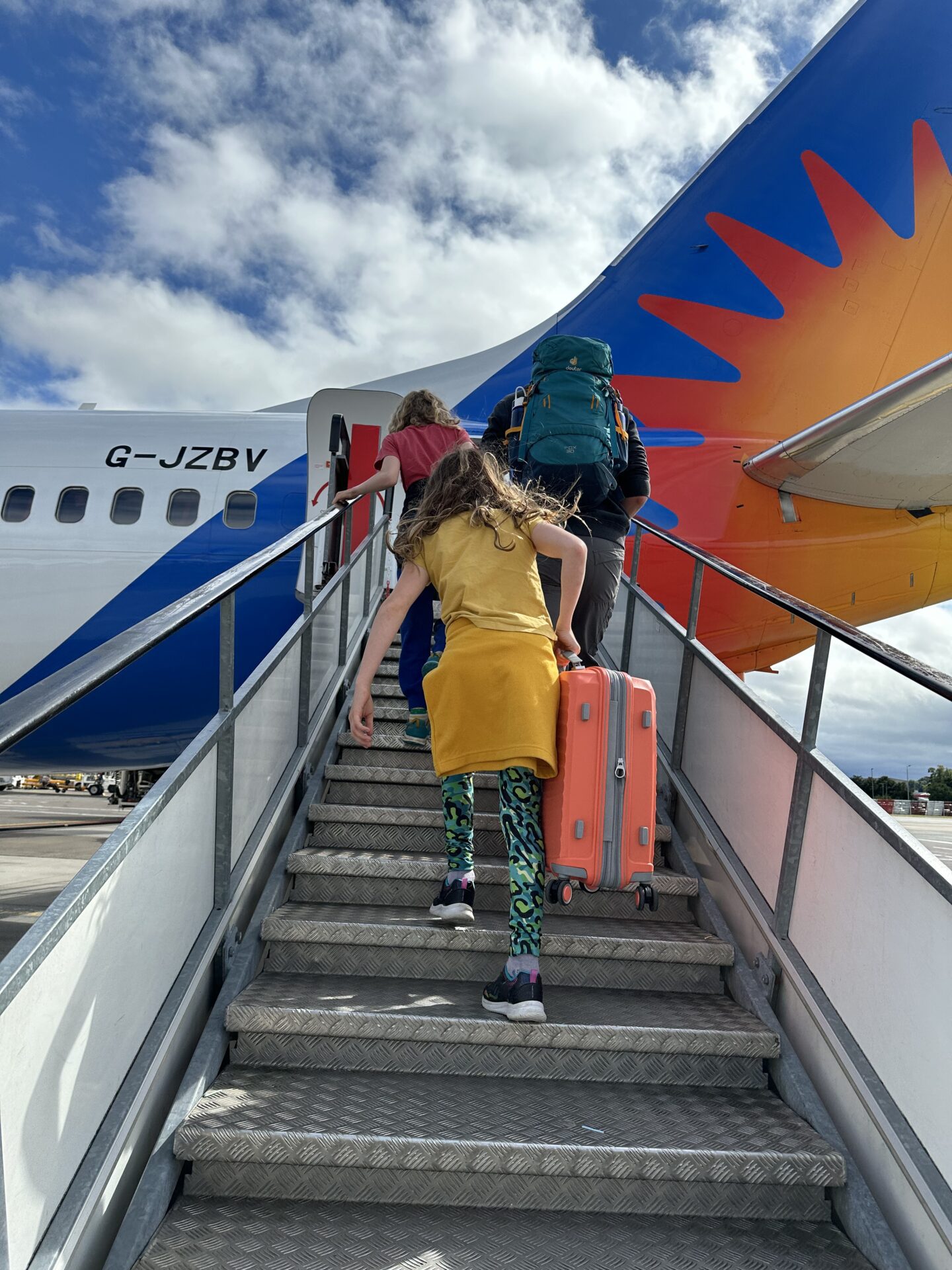
A flight is considered cancelled when the airline does not operate the flight as scheduled. When the passenger is not transported to the destination on the originally planned flight. This can happen for a variety of reasons — technical problems, bad weather, airline staff strikes, air traffic control restrictions, or even more extraordinary events like political unrest or pandemics.
Sometimes, the cancellation happens days before departure; other times, you find out only upon arriving at the airport. Regardless of timing, it’s important to distinguish between a cancellation and a delay. While delays mean your flight is still happening but later than expected, cancellations mean the flight will not operate at all.
When Are You Entitled to a Refund?
Whether you get a refund depends on a few factors: your departure and destination, the airline’s policies, and applicable passenger rights regulations. Under several international laws, passengers are entitled to a refund if the airline cancels the flight and the passenger cannot travel.
Here’s a breakdown of common scenarios:
- If the airline cancels the flight and offers no alternative: You are entitled to a full refund of your ticket cost.
- If the airline cancels and offers you a new flight: You may accept the new itinerary or decline it. If you decline, you are still entitled to a refund.
- If the cancellation occurs shortly before departure: Depending on the region, you may be entitled to additional compensation — more on that below.
Your Rights Under EU Regulation EC 261
One of the strongest sets of passenger protection laws is EU Regulation EC 261. It covers flights departing from the EU or arriving in the EU on an EU airline. According to this regulation:
- If your flight is cancelled and you choose not to fly, the airline must refund you the full cost of your ticket.
- If you are informed of the cancellation less than 14 days before departure, you may also be entitled to financial compensation — unless the airline can prove the cancellation was due to “extraordinary circumstances”.
The compensation amount under EC 261 depends on the distance of the flight:
- €250 for flights up to 1,500 km
- €400 for flights within the EU over 1,500 km and for other flights between 1,500 and 3,500 km
- €600 for flights over 3,500 km
It’s important to note that this compensation is separate from the refund. If you opt for the refund, you can still claim compensation if the cancellation meets the criteria.
UK Passenger Rights After Brexit
Post-Brexit, the UK established its own version of EC 261, which largely mirrors the original EU regulation. If you’re flying from the UK or with a UK-based airline to the UK, you are covered by UK261. It offers similar refund and compensation rights in case of cancellations.
US Rules on Flight Cancellations
In the United States, the Department of Transportation (DOT) requires airlines to refund passengers for cancelled flights — regardless of the reason — if the passenger chooses not to travel. However, unlike in Europe, US regulations do not require compensation for inconvenience or delays, only for unused services. So if your flight is cancelled and you opt not to accept a new flight, you’re owed a full refund for the unused ticket, including any seat upgrades or baggage fees you’ve paid.
Refund vs. Compensation
It’s essential to understand the difference between a refund and compensation. A refund reimburses you for the amount you paid for your flight if you didn’t take it due to the cancellation. Compensation, on the other hand, is an additional sum provided as reparation for the inconvenience — and it is typically only available under certain legal frameworks like EC 261 or UK261.
When You Might Not Be Eligible for a Refund
There are a few situations where a refund may not be guaranteed:
- If you voluntarily cancel the flight (unless it was a refundable ticket)
- If you accept a travel voucher instead (note: always read the terms carefully)
- If you are rebooked on a new flight and accept it
Also, some airlines may try to offer you vouchers instead of refunds. While this can be acceptable if you’re planning to fly with them again soon, you are not obliged to accept this alternative if you’d prefer a cash refund — especially if the airline cancelled the flight.
How to Claim a Refund or Compensation
The process generally involves contacting the airline directly. Most airlines allow refund claims through their website or customer service channels. However, the process can sometimes be time-consuming, especially if the airline disputes your eligibility.
If you’re claiming compensation under regulations like EC 261, you may need to provide:
- Your booking reference and flight details
- Proof of notification time of the cancellation
- Any communication from the airline about the reason for cancellation
If the airline does not respond or denies your claim unfairly, you can escalate it to the relevant national enforcement body or use legal services that specialise in flight compensation claims.
Organisations like AirHelp can assist travellers with their claims — especially when the legal process becomes overwhelming or the airline is uncooperative. They work on a no-win-no-fee basis, which can be reassuring for passengers unsure of their legal footing.
Final Tips for Travellers
- Know your rights before flying. Keep a copy of the relevant regulations handy or bookmark a reliable source.
- Check your emails and messages from the airline in the days leading up to your flight. Airlines are obligated to inform you of cancellations.
- Keep all documents: boarding passes, receipts, and correspondence with the airline.
- Don’t accept vouchers unless you’re sure you’ll use them — a cash refund is often the safer option.
- Act quickly: Some compensation claims have deadlines (up to 2–3 years, depending on the country).
Conclusion
Flight cancellations are an inevitable part of modern air travel, but they don’t have to be financially or emotionally devastating. Thanks to robust passenger protection regulations in regions like the EU, UK, and US, travellers have clear rights to refunds — and in many cases, additional compensation. Staying informed and proactive is the best way to ensure you receive what you’re entitled to when travel plans go awry.