A happy family doesn’t just happen by chance; it takes effort, intention, and shared experiences. A positive family environment is built on trust, respect, and a deep sense of belonging. It’s a space where every member feels safe, heard, and valued. But how do you create that kind of environment? It doesn’t require perfection; it requires presence.
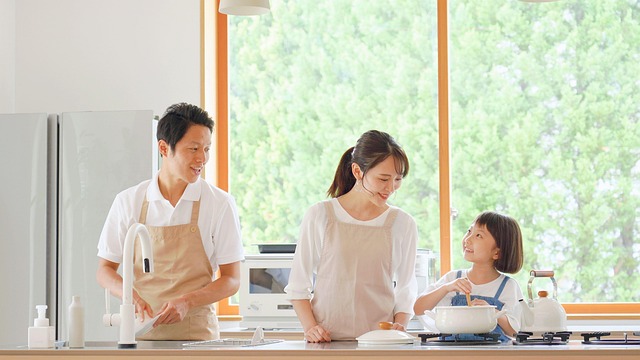
The secret lies in small daily choices: how you speak, how you listen, and how you show up for one another. This guide explores practical ways to build a more positive atmosphere at home so your family can grow stronger together.
Table of Contents
Model the Behavior You Want to See
Children learn more from what you do than from what you think. If you want a calm, respectful home, start by showing calm and respect to yourself.
Speak with kindness, even when you’re frustrated. Show patience during conflict. Admit mistakes and apologize when needed.
When kids see you managing stress, handling disagreements constructively, and treating others with care, they are more likely to do the same. Your example becomes the standard.
Make Time for Connection Every Day
Busy schedules can make it easy to drift apart, but regular, intentional connection helps your family stay emotionally close. This doesn’t mean hours of quality time each day; it can be as simple as a shared meal, a bedtime conversation, or a 5-minute check-in after school.
The key is consistency. When connection becomes part of your daily rhythm, it builds emotional security. Your family knows they have a reliable place to land, no matter what else is going on. Make eye contact, ask open-ended questions, and listen without rushing to give advice. Show that you care about what’s going on in each other’s lives. Those small daily moments create a strong foundation of trust.
Create a Culture of Gratitude and Appreciation
A positive home is one where people feel appreciated. Make it a habit to point out the good. Thank each other for everyday contributions. Praise effort, not just results. Let your kids hear you say things like, “Thanks for setting the table without being asked,” or, “I noticed how hard you worked on your homework today,” or, “I appreciate you listening when I asked you to help.” When people feel valued, they’re more motivated to contribute and more willing to cooperate. Gratitude shifts the focus away from problems and towards working together.
Set Clear and Consistent Expectations
Peace at home doesn’t mean no rules; it means everyone knows the rules and understands why they matter. Decide as a family what’s important: respect, honesty, responsibility, and build simple guidelines around those values. Be consistent with expectations and consequences.
Kids feel more secure when they know what’s expected of them and what will happen if they cross a boundary.
Be sure to involve your kids in setting those expectations when possible; it gives them a sense of ownership and encourages accountability.
When rules are fair and predictable, discipline becomes less about control and more about teaching.
Foster a Sense of Camaraderie and Teamwork
Families work best when they operate as a team; that means helping each other out, working towards shared goals, and celebrating small wins together. One of the easiest ways to build that sense of teamwork is by doing activities that require cooperation and communication.
Collaborative games are great for this, especially word games that encourage discussion, problem-solving, and shared strategy. A perfect example is Wordle, a daily online word puzzle that gives you six tries to guess a five-letter word. While it’s designed as a solo game, many families turn it into a group activity.
You can play together, talk through guesses, debate word choices, and celebrate each correct letter. It’s a simple but effective way to practice thinking together; it builds language skills and strengthens communication, and because it’s quick, it fits easily into your evening routine. Word games like Wordle create a shared challenge; they help family members listen to one another’s ideas, take turns, and learn how to solve problems as a team.
Over time, this builds not just camaraderie but mutual respect. These moments of light-hearted collaboration create stronger bonds and reinforce the idea that your family is a unit, not just a collection of individuals.
Encourage Open Communication
A positive environment thrives on honest, respectful communication.
Everyone in the family should feel safe expressing their feelings, asking questions, or sharing concerns without fear of being judged or dismissed. To build that trust, start by listening more than you speak. When your child opens up, give them your full attention. Avoid cutting them off, correcting them too quickly, or jumping to solve their problems right away. Use phrases like “tell me more about that,” “that sounds frustrating,” “what do you think would help?” or “I am glad you told me.”
Create routines that invite conversation, like talking over dinner, during a walk, or before bed. Keep these spaces open and unstructured. Let your kids know they can talk about anything, and when conflict does arise, model calm problem-solving. Use “I” statements, avoid blame, and focus on finding a solution together. Open communication turns your home into a place where emotions are handled with care and problems are faced together.
Celebrate Together Often
Celebrations build joint memories and remind your family that life together is worth enjoying. You don’t need to wait for big occasions; celebrate little wins—a good grade, a finished project, a week of helpfulness. Make a big deal out of small things.
Have a special dinner, light candles, say something kind about each person at the table, bake cookies just because, or make up your own holidays.
These traditions, no matter how small, give your family shared memories and a sense of identity. They say, “We value each other, we enjoy each other’s company, we are in this together.”
Practice Flexibility and Forgiveness
Practice flexibility and forgiveness. No family is perfect; mistakes will happen, tempers will flare, and days will go sideways. A positive family environment isn’t about avoiding conflict; it’s about handling it well. Give grace when someone has a bad day, apologize when you’re wrong, let go of grudges, and allow for second chances.
Teach your kids that people are more important than being right, that relationships matter more than winning an argument. The ability to bounce back from a rough moment and reconnect is one of the most valuable skills a family can develop.
Create Spaces for Everyone’s Needs
Each person in your family is different; some need quiet time, others crave conversation. Some recharge alone, while others need hugs and connection. A positive family environment respects those differences. Make sure everyone has a space, physical or emotional, where they can be themselves. That might mean a reading corner for one child and a Lego table for another.
It might mean honoring someone’s need for quiet after school or downtime after work. Check in regularly, ask how they are doing and what they need right now, then do your best to meet those needs together. Respecting individual preferences strengthens the family as a whole.
Lead with Love, Not Fear
Fear-based parenting may get short-term results, but love-based guidance builds long-term trust and cooperation.
Lead with empathy, set limits with compassion, and give feedback with care. Let your kids know that your love for them isn’t based on behavior, performance, or mood; they are loved simply because they are yours.
This unconditional love is the foundation of a truly positive family environment. It gives your kids the confidence to grow, the freedom to make mistakes, and the desire to return home again and again.
Nurture Shared Responsibility
A positive home doesn’t rest on one person’s shoulders. When everyone pitches in, it builds fairness, teamwork, and mutual respect. It also helps children learn the value of effort and contribution. Start by assigning age-appropriate tasks. Young kids can help set the table or feed a pet; older ones can do laundry, cook simple meals, or help with cleaning.
Rotate jobs weekly or let family members choose what they prefer, but don’t just focus on the task—focus on the mindset. Talk about why everyone’s effort matters. Explain how sharing responsibilities supports the whole family. When kids understand that their contributions help the group, they feel more connected and capable.
Try doing certain tasks together, cook as a team, clean the living room with music playing, and sort laundry while chatting about your day. These shared responsibilities turn into shared moments, and those moments shape your family culture. Working together builds pride, deepens trust, and makes your home feel like a true team effort.
Final Thoughts
Creating a positive family environment is less about big changes and more about everyday choices. Choose to connect, choose to listen, choose to laugh together, choose to play games like Wordle, or not just for fun but for work and shared challenges.
Choose to lead with kindness, consistency, and care. These choices build an atmosphere of safety, joy, and respect one day at a time. Your home won’t always be quiet; it won’t always be tidy, but it can always be a place where each person feels loved, supported, and seen. What small change will you make today to build a more positive space for your family?